In a series of revelations that have exposed the fragility of modern cloud infrastructure, a 26-year-old Canadian national has officially admitted to orchestrating one of the most consequential cybercrime campaigns of the decade. Connor Riley Moucka, a Kitchener, Ontario native who operated under the chilling monikers "Judische" and "Waifu," has pleaded guilty to charges of computer fraud and conspiracy. His admission marks the collapse of a sophisticated, high-stakes extortion ring that compromised more than 165 major organizations, including household names like Ticketmaster, LendingTree, Advance Auto Parts, and Neiman Marcus.
The fallout from Moucka’s activities extends far beyond corporate data theft; his reach penetrated the bedrock of telecommunications, resulting in the exfiltration of sensitive call and text history records for over 100 million AT&T customers. As the U.S. Justice Department continues to dismantle the network, the case serves as a harrowing case study in how a lack of multi-factor authentication (MFA) and poor credential hygiene can turn a global cloud provider into a vault for digital extortionists.
The Mechanics of a Digital Siege: Main Facts
Between February and October 2024, Moucka and his co-conspirators executed a calculated campaign against customers of a prominent U.S.-based software-as-a-service (SaaS) giant: Snowflake. By harvesting stolen login credentials, the hackers gained unauthorized access to cloud-hosted environments. The group’s methodology was simple but devastatingly effective: they specifically targeted accounts that failed to enforce multi-factor authentication, effectively bypassing the security front door of some of the world’s largest companies.
Once inside, the actors did not merely scrape data; they engaged in a systematic campaign of "re-extortion." After securing terabytes of sensitive information—including Social Security numbers, banking details, passport numbers, and even Drug Enforcement Administration (DEA) registration data—they threatened to publish the troves on the dark web unless hefty ransom payments were made. In total, the conspirators successfully extorted over $2.5 million from their victims.
The scope of the breach was unprecedented. Beyond the corporate entities, the group’s activities impacted the privacy of millions of individuals, turning personal communication logs into bargaining chips for a criminal enterprise.
A Timeline of Deception and Exposure
The investigation into Moucka, dubbed "Judische" by his peers and security researchers, was a complex, multi-year pursuit.
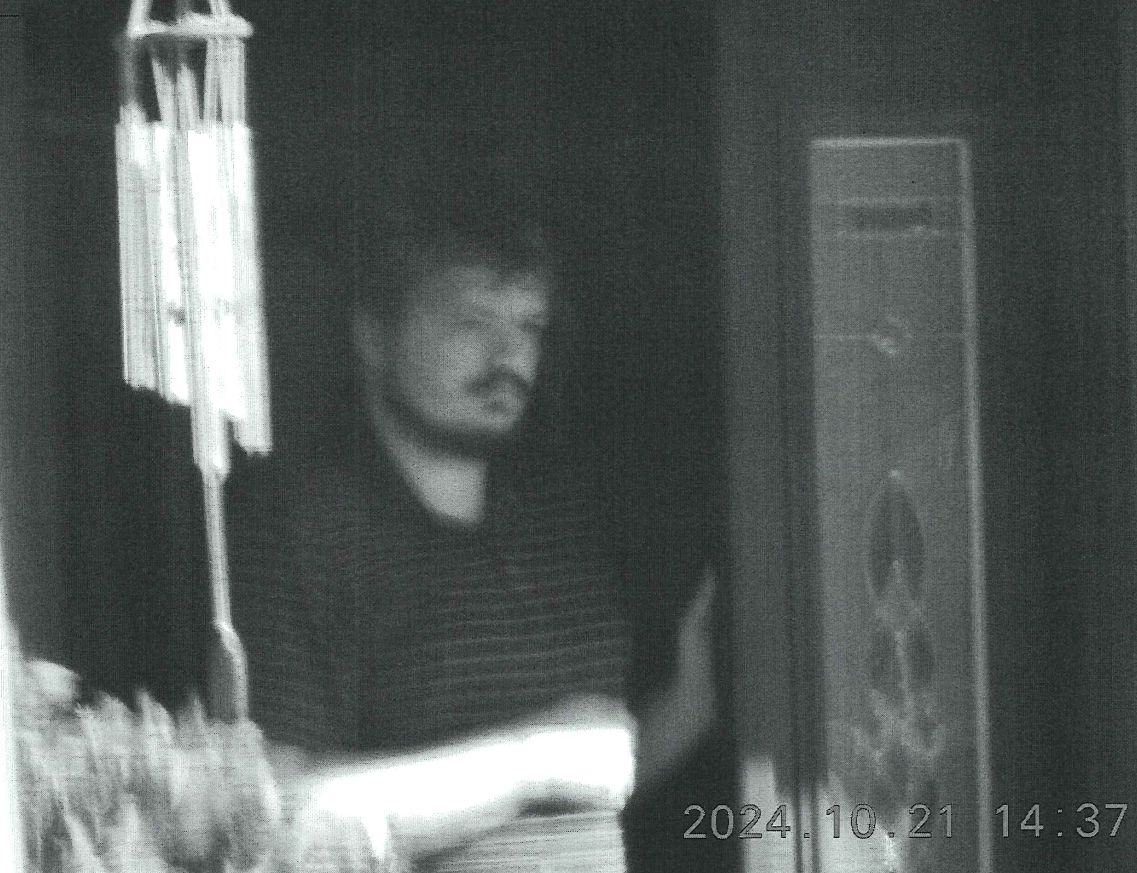
- 2020–2023: Moucka begins his career as a threat actor, engaging in persistent voice phishing attacks and data breaches against U.S. firms. During this period, he begins to cultivate the "Judische" persona, gaining notoriety on underground forums.
- August 2021: John Erin Binns, a key associate of the network, is implicated in a massive T-Mobile breach, exposing 76 million records.
- September 2024: KrebsOnSecurity publishes an investigative piece identifying the "Judische" persona as a software engineer based in Ontario, highlighting the disturbing nexus between cybercriminals and extremist groups that harass minors.
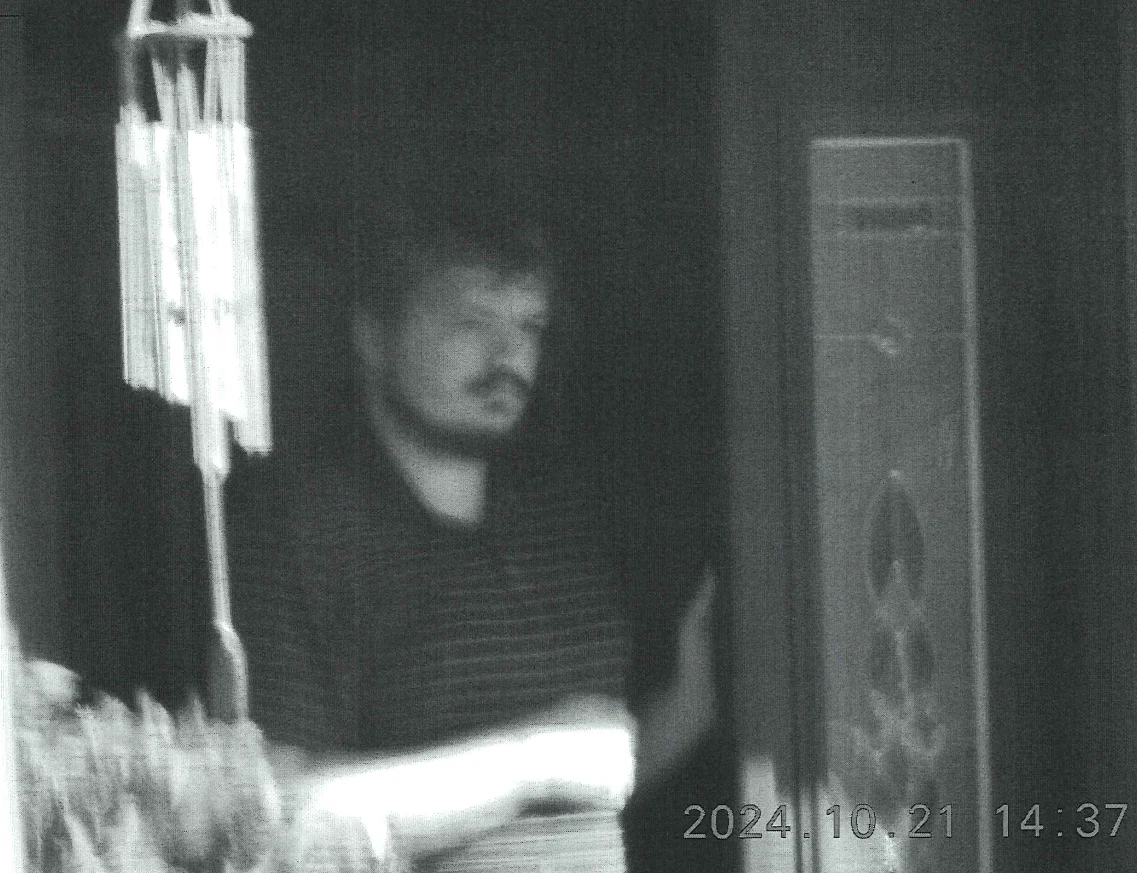
- October 2024: Canadian authorities, acting on a provisional warrant from the United States, arrest Moucka in Kitchener.
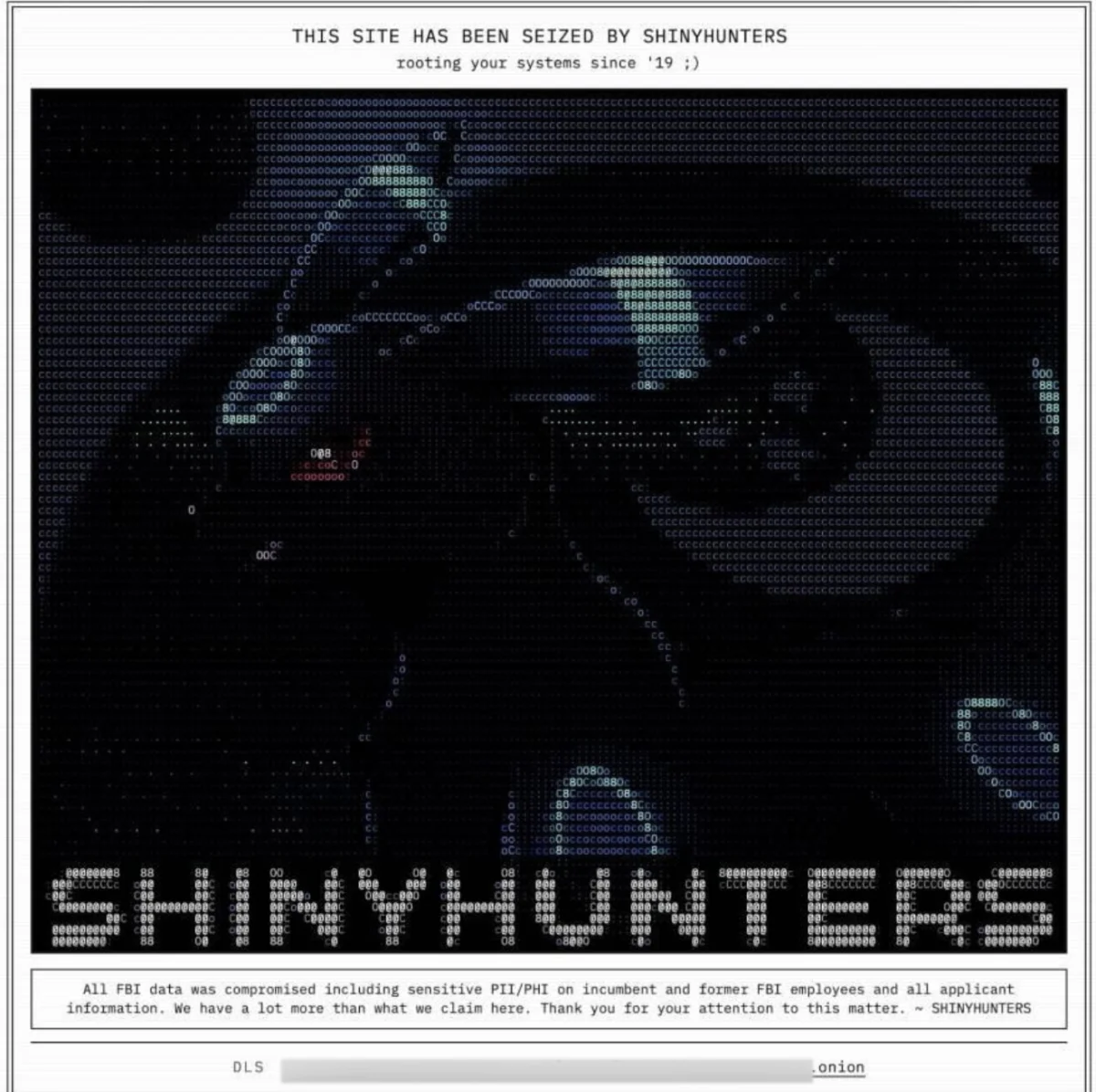
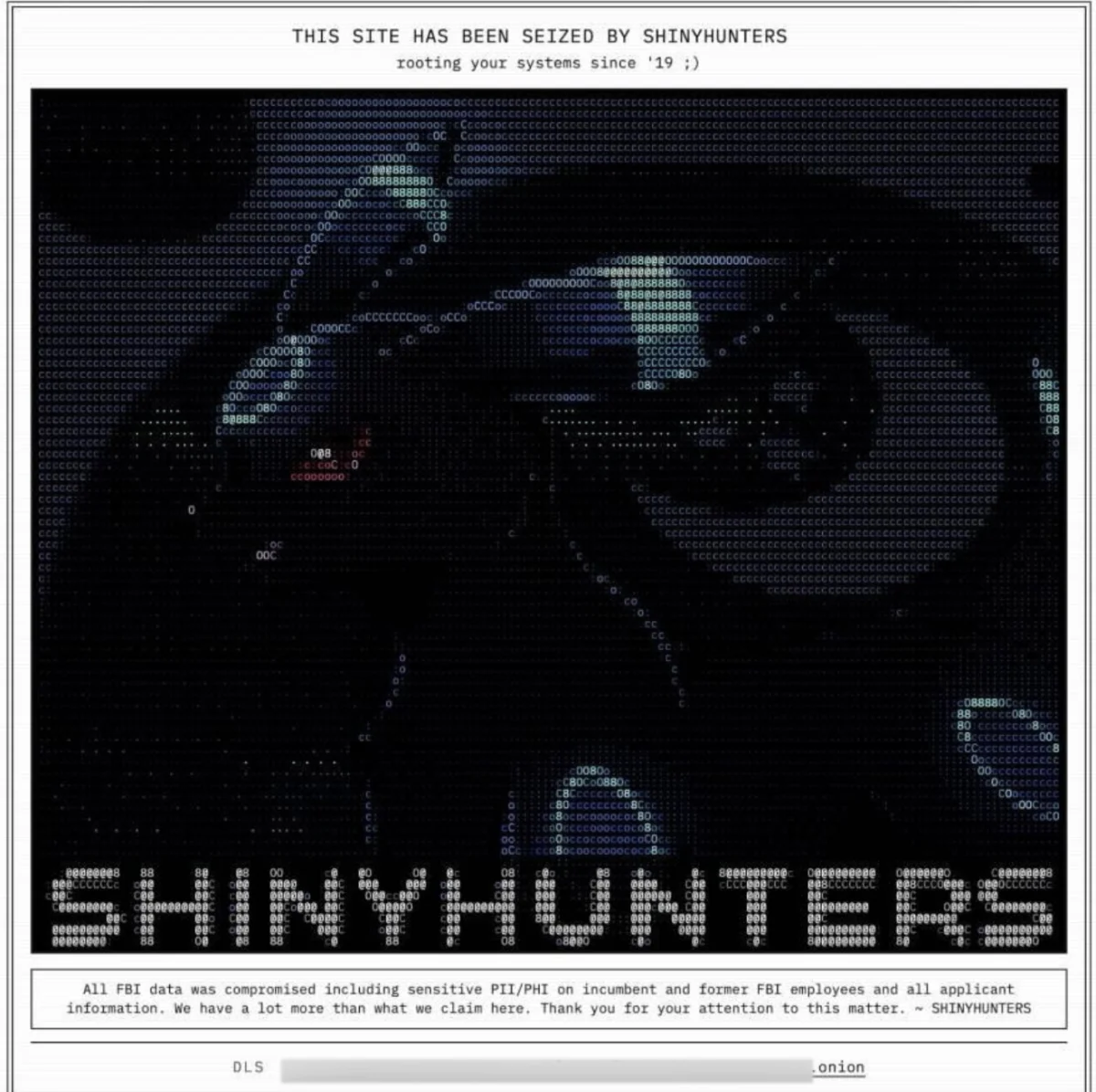
- November 2024: Following the arrest, co-conspirator Cameron "Kiberphant0m" Wagenius releases claims of possessing data related to high-profile political figures and the NSA.
- July 2025: Wagenius pleads guilty in a U.S. court to his role in the extortion scheme.
- Upcoming, October 2026: Moucka is scheduled for sentencing, facing a potential maximum of 30 years in prison.
The Network: A Triad of Cyber-Criminality
The operation was not the work of a lone wolf, but rather a loose confederation of three distinct, highly capable actors whose paths converged in the shadows of Telegram and Discord.
Connor Riley Moucka (Judische/Waifu)
The primary orchestrator, Moucka, maintained a fluid digital identity. By operating multiple monikers simultaneously, he created a layer of obfuscation that allowed him to conduct business across different segments of the dark web. His aggression was not limited to corporate targets; he frequently harassed government officials and researchers attempting to track his digital footprint. In a particularly brazen act, he used the stolen data of a government officer’s family to facilitate a re-extortion attempt.
Cameron "Kiberphant0m" Wagenius
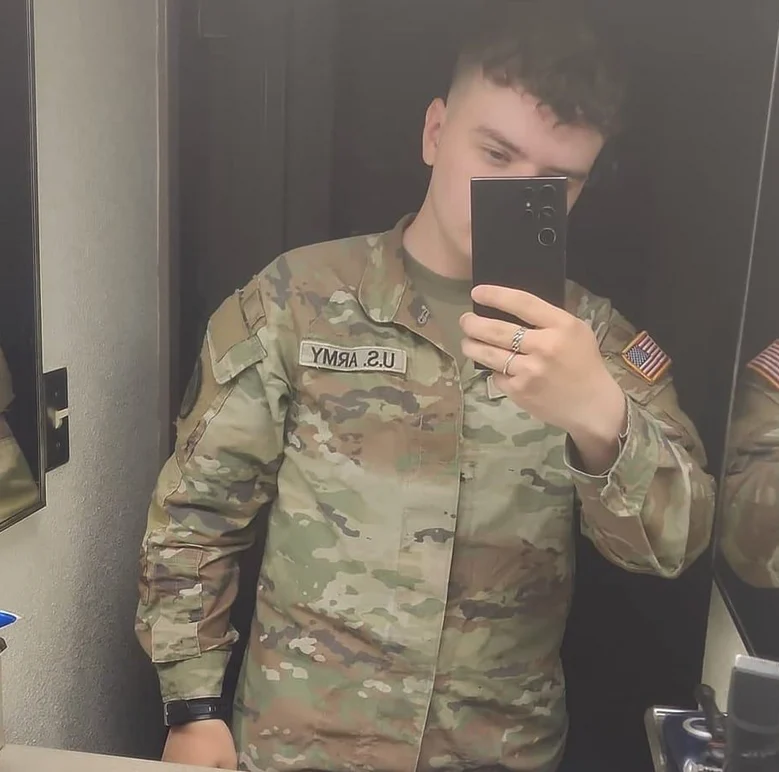
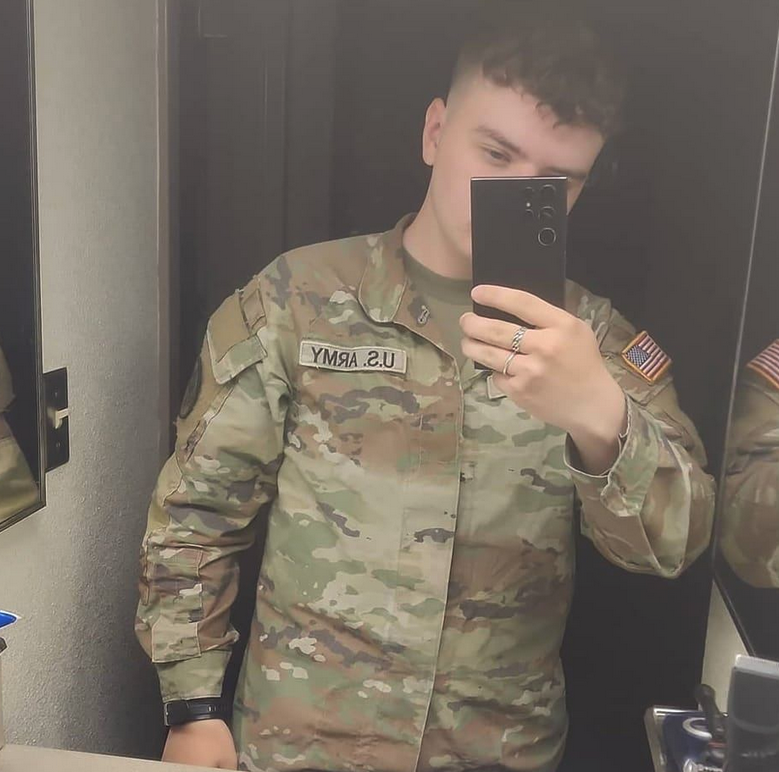
A U.S. Army soldier stationed in South Korea, Wagenius provided the group with a strategic link to telecommunications vulnerabilities. His arrest and subsequent plea deal exposed how internal military access—or at least the persona of such—can be weaponized. Wagenius’s actions were perhaps the most inflammatory; following the arrest of his partner, he posted claims on hacker forums that he held call logs belonging to then President-elect Donald Trump and Vice President Kamala Harris, as well as classified NSA schematics.
John Erin "IRDev" Binns
The most elusive member of the trio, Binns, remains a significant challenge for international law enforcement. After his role in the 2021 T-Mobile breach, he fled the U.S. While sources initially placed him in a Turkish prison, he has since been released. Having reportedly acquired Turkish citizenship, Binns presents a legal quagmire, as Turkey typically refuses to extradite its own citizens to the United States. He remains a "ghost" in the system, resurfacing occasionally on online forums.
Official Responses and Systemic Implications
The fallout from the Snowflake incident forced a reckoning across the tech industry. Snowflake, for its part, responded by mandate-enforcing multi-factor authentication and significantly increasing password complexity requirements for all its users. The U.S. Department of Justice (DOJ) has characterized the case as a watershed moment for cyber-prosecution.
"Moucka used the stolen data of a government officer and members of a former government officer’s immediate family in this re-extortion attempt," the DOJ stated in a public release. The severity of the charges—ranging from wire fraud to aggravated identity theft—highlights the government’s intent to treat these digital crimes with the same gravity as traditional violent extortion.
For victims, the implications are profound. The incident underscores the concept of "Data Permanence": once sensitive information—like passport numbers or DEA registration data—is exfiltrated, it is essentially compromised for life. Even if the immediate ransom is paid, there is no guarantee that the data has not been copied, sold, or retained for future use.
The Road Ahead: Justice and Deterrence
The legal proceedings are far from over. Cameron Wagenius is scheduled for sentencing on September 3, 2026, where he faces a cumulative sentence of up to 20 years plus mandatory time for identity theft. Moucka, awaiting his October 27 sentencing, faces a mandatory minimum of two years and a potential maximum of 30 years.
The case serves as a stark reminder that the digital landscape is increasingly defined by the audacity of its criminals and the inadequacy of legacy security protocols. As the dust settles on the "Snowflake Extortions," the cybersecurity community must confront a new reality: the threat is no longer just from faceless state-sponsored groups, but from highly motivated, agile, and often sociopathic individuals operating from the comfort of their own homes.
The conviction of Moucka and his cohorts is a victory for law enforcement, but it also highlights a systemic vulnerability. Until organizations prioritize robust identity verification and treat the protection of customer data as a fundamental operational pillar—rather than a secondary IT concern—the "Judisches" of the world will continue to find the open doors they need to wreak havoc. The question remains: has the industry learned enough to close them?