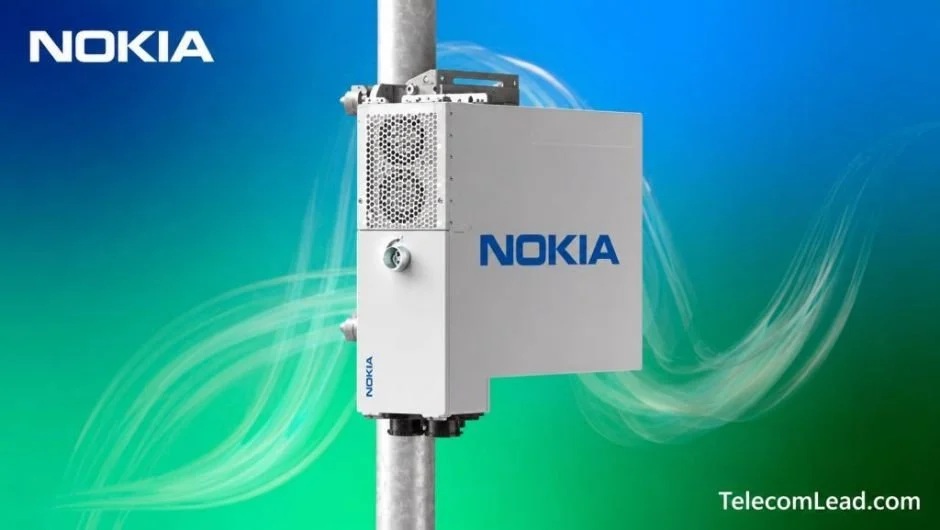

London, UK – [Date] – Virgin Media O2 has significantly enhanced mobile network capacity and coverage in Westminster, one of London’s most densely populated and high-traffic boroughs, by deploying 24 new small cells. This strategic rollout, part of a broader £700 million Mobile Transformation Plan, aims to future-proof the operator’s UK network and address the ever-increasing demand for mobile data services, particularly in areas experiencing exceptional congestion.
The compact mobile infrastructure has been strategically placed in high-demand locations throughout Westminster, including commercial areas, busy streets, and public spaces. This targeted deployment is designed to directly improve the customer experience for residents, businesses, commuters, tourists, and other visitors, ensuring more reliable performance for voice calls, messaging, and mobile data access.
Main Facts: A Strategic Boost for a Congested Hub
Westminster, a vital hub for businesses, government, transport, and tourism, presents a unique challenge for mobile network operators due to its exceptionally high mobile traffic. Virgin Media O2’s initiative to install 24 new small cells directly addresses this by augmenting network capacity precisely where it is most needed.
Small cells, a cornerstone of modern mobile network expansion, are discreet, compact units that can be integrated into existing street furniture, such as lamp posts. Their unobtrusive design is particularly well-suited for heritage-rich and densely urbanised areas like Westminster, where planning restrictions and conservation efforts can make the deployment of larger traditional mobile infrastructure more complex.
By distributing this additional capacity at street level, O2 is effectively reducing the strain on its wider network. This approach ensures more consistent and reliable connectivity in city centres, bustling commercial districts, key transport hubs, and popular visitor attractions, where mobile usage spikes are common.
Chronology: A Phased Approach to Network Modernisation
The Westminster deployment is a key component of O2’s ambitious £700 million Mobile Transformation Plan, a significant investment aimed at modernising and future-proofing its UK mobile network. This plan is being executed through targeted infrastructure upgrades over a multi-year period.
This specific initiative in Westminster builds upon O2’s extensive nationwide small cell programme. The operator has already established a substantial network of over 2,500 live small cell sites across the UK, a figure O2 claims is the largest deployed by any UK mobile network operator. This extensive footprint has been built through phased rollouts in various locations, including cities like Bath, Plymouth, Bristol, Swansea, and Guildford, all selected for their high mobile usage and existing capacity challenges.
The ongoing investment underscores O2’s commitment to staying ahead of the curve in a rapidly evolving mobile landscape. The company has projected substantial capital expenditure, with an approximate £700 million investment planned for 2026, mirroring a similar £700 million investment in 2025. This cumulative investment of approximately £1.4 billion over two years highlights the scale and urgency of the network modernisation efforts.
The 2026 programme specifically focuses on a multi-faceted approach to enhancing network capabilities. This includes the erection of new mobile masts, the strategic deployment of small cells, comprehensive 4G and 5G upgrades, the acquisition and utilisation of additional spectrum, and the implementation of advanced automation technologies. Furthermore, O2 is leveraging its robust fixed-fibre infrastructure to provide high-capacity backhaul connections for its mobile sites, a crucial element for supporting increased data throughput.
A significant milestone within this plan is the ambition to deploy 1,000 Giga Sites across the UK by the end of 2026. O2 has already achieved a major step towards this goal, activating its 500th Giga Site in North Elgin in July, marking the halfway point. These Giga Sites represent the next generation of mobile infrastructure, integrating low-, mid-, and high-band spectrum with advanced Massive MIMO technology. The result is a significant leap in capacity, with these sites capable of delivering up to ten times the capacity of the infrastructure they replace.
This proactive investment strategy is a direct response to the exponential growth in mobile data traffic, which has more than doubled over the past five years. O2 has demonstrated its commitment to meeting this demand, having added 1 Terabyte per second (Tbps) of network capacity in 2025 and planning to more than double that amount in 2026.
Supporting Data: The Power of Small Cells and Giga Sites
The effectiveness of O2’s strategy is supported by data on the increasing demand for mobile connectivity and the technological advancements driving network capacity. The deployment of small cells in Westminster is a tangible example of how operators are addressing these challenges.
Small cells are designed to supplement macrocells, providing targeted capacity boosts in areas where signal strength or data throughput might otherwise be limited. Their ability to be mounted on existing infrastructure like lampposts offers a practical and less disruptive solution compared to the construction of new, larger cell towers. This is particularly relevant in urban environments where aesthetic considerations and planning permissions can be significant hurdles.
The concept of "Giga Sites" further illustrates O2’s commitment to delivering next-generation mobile experiences. By combining multiple frequency bands (low, mid, and high) with Massive MIMO (Multiple-Input Multiple-Output) technology, these sites can dramatically increase the number of simultaneous users and the data speeds they can achieve. Low-band spectrum provides wide coverage, mid-band offers a balance of coverage and capacity, and high-band (millimetre wave) delivers extremely high speeds but with a more limited range. Massive MIMO, a technology that uses a large number of antennas, allows for more efficient use of spectrum and improved signal quality.
The projected addition of network capacity, with more than double the amount added in 2026 compared to 2025, indicates a significant scaling up of O2’s network capabilities. This proactive approach is essential for supporting the growing adoption of data-intensive applications, such as high-definition video streaming, augmented reality, and future immersive experiences.
Official Responses: A Commitment to Customer Experience and Future Growth
Professor Robert Joyce, Director of Mobile Access Engineering at O2, highlighted the strategic importance of the Westminster deployment. He stated, "This Westminster deployment will add network capacity precisely where our customers need it most and helps O2 keep pace with changing mobile usage. The project demonstrates how O2 is directing its approximately £700 million network investment toward targeted improvements in high-traffic areas. The Mobile Transformation Plan is designed to improve capacity, reliability and customer experience while preparing the network for future growth in mobile data demand."
The significant investment from Virgin Media O2 is also supported by strategic partnerships with leading telecommunications equipment providers. The company has secured multi-year contracts with Ericsson and Nokia, worth hundreds of millions of pounds. These agreements are crucial for the modernisation of O2’s radio access network, involving the upgrade of thousands of mobile sites with next-generation radios, baseband equipment, and advanced 5G+ technology. This collaboration with industry giants ensures that O2 has access to the cutting-edge technology required to deliver on its network transformation goals.
Implications: A Connected Future for London and Beyond
The deployment of 24 new small cells in Westminster has several significant implications for the borough and for Virgin Media O2’s broader network strategy.
For Westminster Residents and Visitors: The most immediate impact will be a noticeable improvement in mobile connectivity. This means fewer dropped calls, faster data speeds for browsing, streaming, and social media, and a more reliable experience when using essential mobile services in a highly populated and frequently visited area. For businesses operating in Westminster, improved connectivity can translate to enhanced productivity and better customer service. Tourists will benefit from seamless access to navigation, information, and communication, enriching their experience of the city.
For Virgin Media O2: This deployment reinforces O2’s position as a leading mobile network operator in the UK, particularly in its commitment to addressing network congestion in critical urban centres. The successful implementation of small cell technology in a challenging environment like Westminster serves as a blueprint for future deployments in similar locations. It also demonstrates the effectiveness of the Mobile Transformation Plan in delivering tangible improvements to network performance. The ongoing investment in Giga Sites and the expansion of its small cell network indicate a forward-looking strategy focused on delivering 5G and beyond.
For the UK Mobile Landscape: The substantial investment by Virgin Media O2 in network upgrades, including the deployment of small cells and the development of Giga Sites, contributes to the overall enhancement of the UK’s mobile infrastructure. This investment is crucial for maintaining the UK’s competitiveness in the digital economy and for enabling the adoption of new technologies that rely on robust and high-capacity mobile networks. The collaborative efforts with Ericsson and Nokia further signal a commitment to leveraging the latest advancements in mobile technology, pushing the boundaries of what’s possible with 5G and preparing for the eventual rollout of 6G. As mobile data consumption continues to surge, strategic investments like these are essential to ensure that the UK’s digital future is built on a foundation of reliable and high-performing connectivity.