
For years, cybersecurity experts have issued a recurring warning to consumers: "If it sounds too good to be true, it probably is." This adage has never been more relevant than in the world of budget-friendly Android TV streaming boxes. These devices, often marketed with the promise of "unlimited, free lifetime access" to premium streaming content, have become a staple in homes looking to cut the cord without the cost of a monthly subscription. However, beneath the surface of these plastic shells lies a sophisticated, sinister architecture that transforms your living room hardware into a weapon of digital mass deception.
A groundbreaking investigation by security firm Bitsight has uncovered that these generic TV streaming devices are doing far more than just streaming movies. They are silently operating as a global botnet, spoofing mobile identities to defraud advertisers and merchants by automating fake traffic to AI-generated websites.
The Discovery: Peering Inside the H96 Botnet
The investigation, led by Bitsight threat researcher Pedro Falé, began when he successfully registered an expired domain that had previously served as a command-and-control (C2) hub for the "H96" brand of streaming boxes. These devices are ubiquitous on major e-commerce platforms like Amazon, where they are frequently touted by online influencers as must-have gadgets for cost-conscious streamers.
By monitoring the traffic funneled toward this domain, Falé gained an unprecedented look at how these devices function when they believe they are "phoning home." The telemetry data revealed a sprawling, complex operation. The devices were periodically transmitting comprehensive hardware information and lists of installed applications to the domain. However, the most alarming finding was the identity crisis occurring within the network: despite being stationary television accessories, the vast majority of these devices were reporting themselves as high-end mobile smartphones—specifically models from major manufacturers such as Samsung, Vivo, Huawei, and Xiaomi.

"We noticed something was wildly wrong," Falé told KrebsOnSecurity. "Multiple devices reporting to this factory Android TV Box backdoor were ‘phones.’" This spoofing is not a technical glitch; it is a calculated feature designed to trick advertising networks into believing that the traffic is coming from legitimate, mobile-based human users, thereby commanding higher payouts for ad impressions.
Chronology of a Digital Heist
The sophistication of the Fengwo Group—the mainland China-based entity identified by Bitsight as the architects behind this operation—is built upon a modular, highly scalable foundation.
2019: The Foundation of Fengwo Group
The operation traces back to the 2019 founding of Zhejiang Fengwo IoT Technology Ltd. Operating under the "Fengwo Group" banner, the organization developed a proprietary suite of applications pre-installed on these TV boxes. By embedding these apps at the factory level, the group ensured that the "malware" was persistent, difficult to remove, and present from the moment the device was unboxed.
2024–2025: Scaling the Fraud
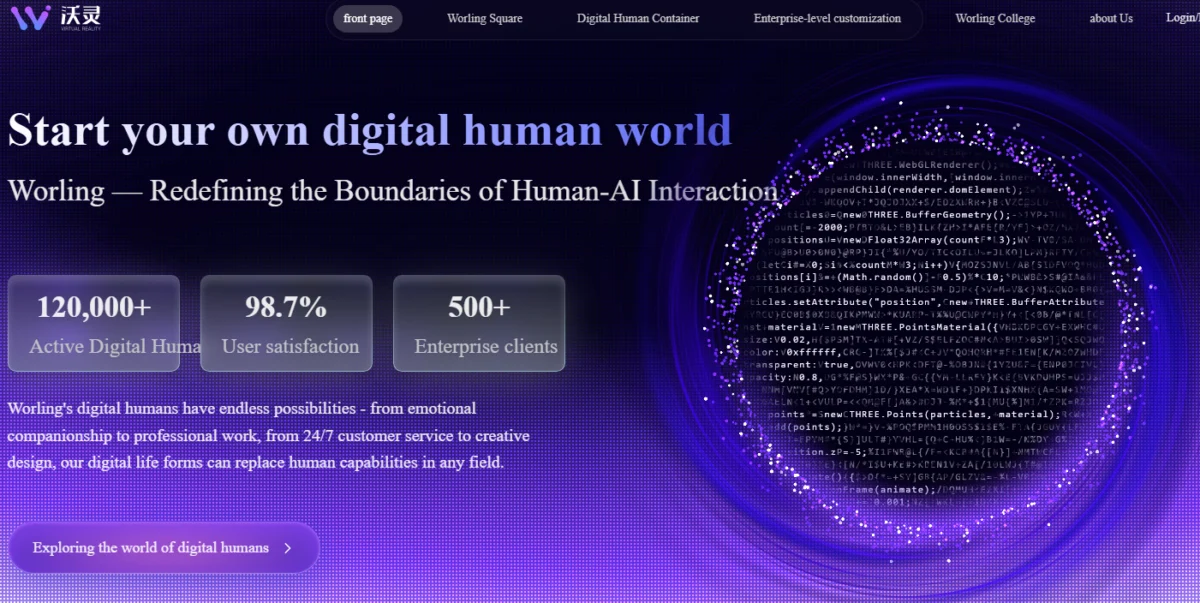
As the popularity of cheap TV sticks surged, so did the Fengwo Group’s infrastructure. Bitsight investigators identified that the group utilized a variety of shell entities across Hong Kong and Singapore to obscure the flow of money and maintain legal distance from their operations. During this period, the group refined their "AI Digital Human" marketing strategy, claiming to offer 120,000 AI agents for hire—a clever facade that likely served to mask the true nature of their botnet-driven traffic.

2026: The "Blockly" Revolution
The most startling revelation is the use of Google’s "Blockly"—a visual programming language originally intended for teaching children how to code. The Fengwo Group repurposed this tool to allow low-skilled operators to drag and drop code blocks to build and maintain their fraudulent websites. This lowered the barrier to entry, allowing the company to scale its "ad-fraud empire" with a minimal number of highly skilled engineers, drastically reducing operating costs while maximizing the volume of fake traffic.
Supporting Data: The Anatomy of the Fraud
The Bitsight report highlights a chillingly efficient dual-mode operation for these infected devices. The hardware is programmed to be context-aware:
- Residential Proxy Mode (TV Active): When the device detects an HDMI signal, it recognizes that the user is likely watching television. To ensure the user does not experience a degradation in service that might lead them to return or discard the device, it enters "Proxy Mode," renting out the user’s home IP address to third-party scrapers or cybercriminals.
- Ad Fraud Mode (TV Inactive): When the device is idle—meaning the TV is off—it switches to its primary revenue-generating task. It silently launches a web browser, navigates to Fengwo-controlled, AI-generated sites, and performs human-like ad clicks.
The data confirms that the scale of this operation is massive. Bitsight tracked approximately 38,000 devices communicating with just one of the group’s older domains. Conservatively, this generates an estimated $50,000 per day in fraudulent revenue. When factoring in the revenue generated from the residential proxy business, the total financial impact is likely orders of magnitude higher.
Official Responses and Industry Warnings
The FBI and major cybersecurity organizations have repeatedly warned against the risks of "off-brand" IoT devices. In 2025, federal warnings highlighted how home internet-connected devices are being systematically weaponized to facilitate criminal activity. Despite these warnings, major retailers—including Amazon, Best Buy, and Newegg—have struggled to curb the influx of these insecure devices.

When KrebsOnSecurity attempted to reach out to the Fengwo Group through the contact information provided on their website, the request was met with a bounced email notification, stating that the inbox was either full or receiving too much traffic. This lack of transparency is characteristic of the shadowy "gray market" that these firms occupy.
Google has attempted to mitigate this by providing guidelines for consumers to verify if a device is running a certified Android TV OS with Play Protect certification. However, the sheer volume of "no-name" boxes flooding the market makes enforcement an uphill battle.
Implications: The Consumer and the Ecosystem
The implications of this discovery are twofold:
For the Consumer:
Purchasing a "dirt-cheap" streaming box is a security liability. By plugging these devices into your home network, you are essentially inviting unknown third parties to use your internet connection for illicit activities. Furthermore, the lack of authentication on these devices makes them prime targets for botnet recruiters. As documented by the service Synthient in January, millions of these boxes were enslaved by the "Kimwolf" botnet, which exploited vulnerabilities in the pre-installed proxy software to move laterally across local networks.

For the Digital Economy:
The "AI-driven" nature of this fraud represents a dangerous evolution in digital crime. By fusing vision and reasoning systems, these bots can now navigate websites, solve basic challenges, and mimic human interaction so effectively that traditional ad-fraud detection systems struggle to identify them as non-human. This creates a "pollution" of the digital ad ecosystem, driving up costs for honest merchants and undermining the integrity of online advertising metrics.
Conclusion: How to Protect Your Network
The Bitsight investigation serves as a stark reminder that in the digital age, security is not just about passwords—it is about the hardware you bring into your home. Experts advise that consumers should avoid unverified, budget streaming hardware entirely. Instead, stick to reputable manufacturers who provide regular security updates and adhere to official Android TV certification standards.
Furthermore, consumers should regularly audit their network for unknown IoT devices. Services like those maintained by Synthient offer public lists of devices known to ship with pre-installed malicious software, including not just TV sticks, but also smart photo frames and other seemingly innocuous "smart" home gadgets. As the line between artificial intelligence and human behavior continues to blur, the vigilance of the consumer remains the final line of defense against a rapidly evolving, automated criminal enterprise.