TAIPEI — In a move that underscores the growing urgency of the geopolitical security dilemma in the Indo-Pacific, Taiwan’s Directorate General of Budget, Accounting and Statistics (DGBAS) has unveiled a historic defense budget proposal for the 2027 fiscal year. The request, totaling 1.123 trillion Taiwan dollars (approximately $35.3 billion USD), represents an 18 percent increase over the previous year, signaling a clear strategic pivot toward bolstering the island’s defensive posture in the face of persistent pressure from the People’s Republic of China (PRC).
As Beijing continues to modernize its military and increase the frequency of incursions into Taiwan’s Air Defense Identification Zone (ADIZ), Taipei’s decision to prioritize national security reflects a bipartisan consensus—if not a legislative hurdle—regarding the island’s survival.
The Core Data: A Strategic Financial Pivot
The proposed budget is not merely a quantitative increase; it is a structural realignment of Taiwan’s defense spending. The 1.123 trillion NTD figure is the largest in the island’s history, representing 3.01 percent of Taiwan’s projected Gross Domestic Product (GDP) for the 2026 fiscal year.
The allocation is split into two critical streams:
- Operations and Upkeep ($691.9 billion NT): This portion focuses on the maintenance of existing air, naval, and ground platforms, as well as personnel costs and operational readiness.
- Special Acquisition Budgets ($218.2 billion NT): This segment is dedicated specifically to the procurement of advanced weaponry, encompassing both domestic development programs and foreign military sales (FMS).
The fiscal year, which runs from January 1 to December 31, will be a litmus test for the administration of President Lai Ching-te, who has framed this expenditure as a necessary "investment in peace."
Chronology of Escalation: The Road to 2027
To understand the weight of this budget request, one must look at the timeline of Taiwan’s recent defense evolution:
- 2023–2024: The period was marked by persistent "gray zone" tactics from the People’s Liberation Army (PLA), including constant maritime patrols and aerial maneuvers meant to exhaust Taiwan’s pilot resources and test the island’s early warning systems.
- May 2026: After months of intense political friction, Taiwan’s parliament finally passed a supplemental defense budget. However, the victory was pyrrhic; opposition lawmakers successfully slashed the requested NT$1.25 trillion figure down to NT$780 billion, highlighting the domestic political volatility surrounding military spending.
- August 2026: President Lai Ching-te publicly addressed the necessity of increased spending, positioning the budget as a foundational element of regional stability.
- August 2027 (Current Proposal): The DGBAS officially submitted the record-breaking budget, setting the stage for another high-stakes showdown in the legislature.
Official Responses and Political Friction
The reception of the budget has been bifurcated, reflecting both internal political fissures and external international pressures.
The Administration’s Stance
President Lai has been emphatic in his messaging. In a recent statement, he noted, "Investing in defense is investing in peace; we will continue to build a more solid defense force to maintain peace and stability in the Taiwan Strait and the region." The administration’s narrative is clear: deterrence is the only viable path to preventing an escalation that could disrupt global trade and stability.
The Opposition Challenge
Despite the external threat, the budget faces a difficult path. Because Taiwan’s legislature is currently opposition-controlled, the proposal is not guaranteed to pass in its current form. Critics within the legislature argue that the spending must be balanced against domestic social programs, healthcare, and economic growth. The precedent of the May 2026 supplemental budget—where the opposition slashed the administration’s request by nearly 40 percent—looms large over the current proceedings.

The International Perspective
While the 18 percent increase is a significant step forward, it remains a point of contention among some US defense hawks. Elbridge Colby, former US Deputy Assistant Secretary of Defense for Strategy and Force Development, has been a vocal proponent of a more radical shift in Taiwan’s spending. Colby has suggested that for Taiwan to maintain a credible deterrent against a modern, well-funded PLA, the island should consider allocating as much as 10 percent of its GDP to defense—a figure that, while theoretically desirable to some, is considered politically and economically untenable by most observers in Taipei.
Implications for Regional Security
The proposed budget has profound implications for the security architecture of the Western Pacific.
1. Deterrence via Asymmetry
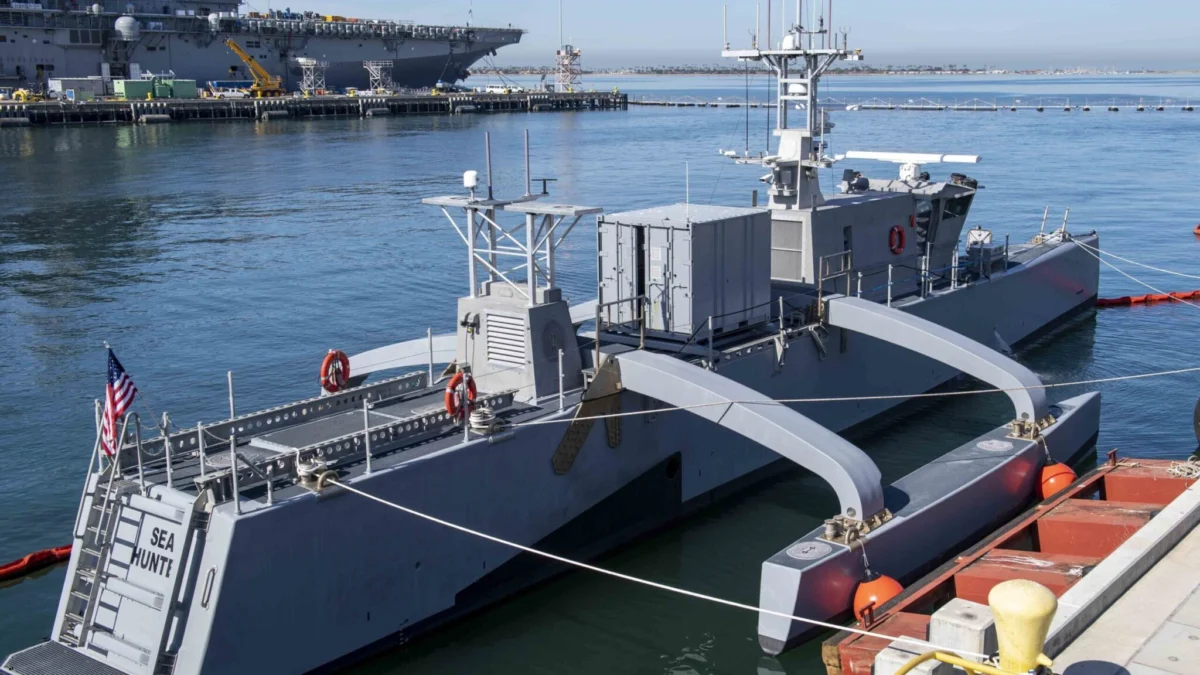
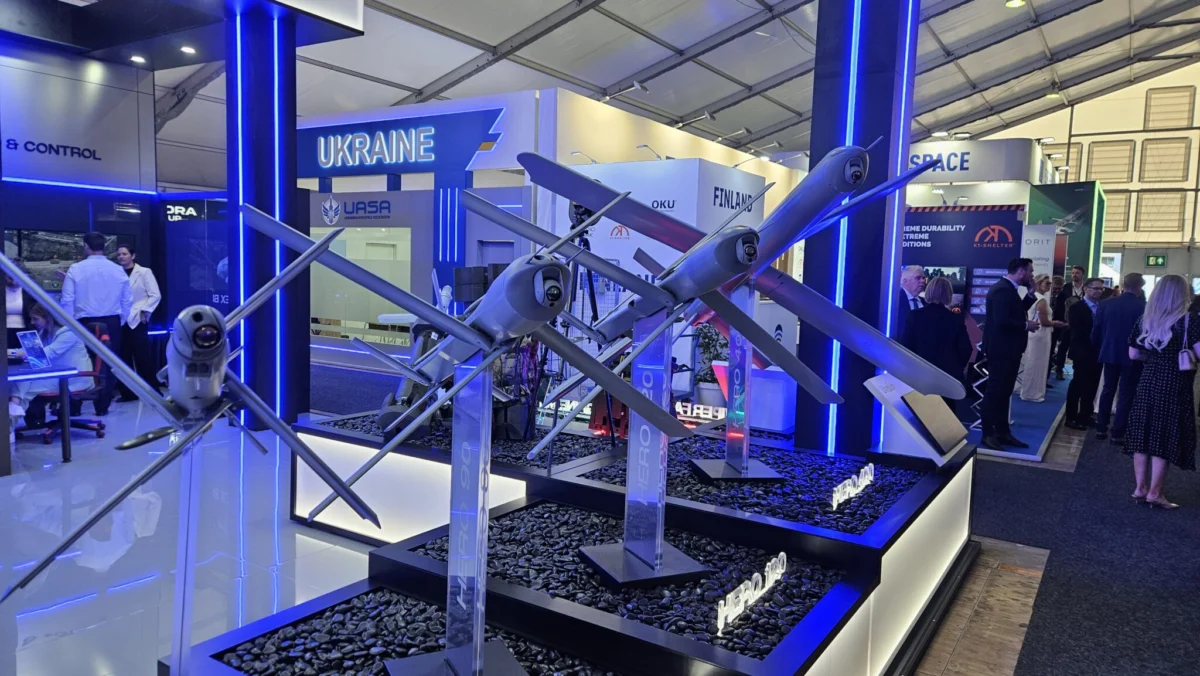
Taiwan’s strategy is increasingly focused on "asymmetric warfare." Rather than trying to match the PLA’s quantity of ships and aircraft, Taipei is focusing on smaller, mobile, and lethal platforms—such as anti-ship cruise missiles, naval mines, and high-tech drones—that make the cost of an invasion prohibitive for Beijing. The "special budget" portion of the funding is heavily weighted toward these capabilities.
2. The US-Taiwan Security Partnership
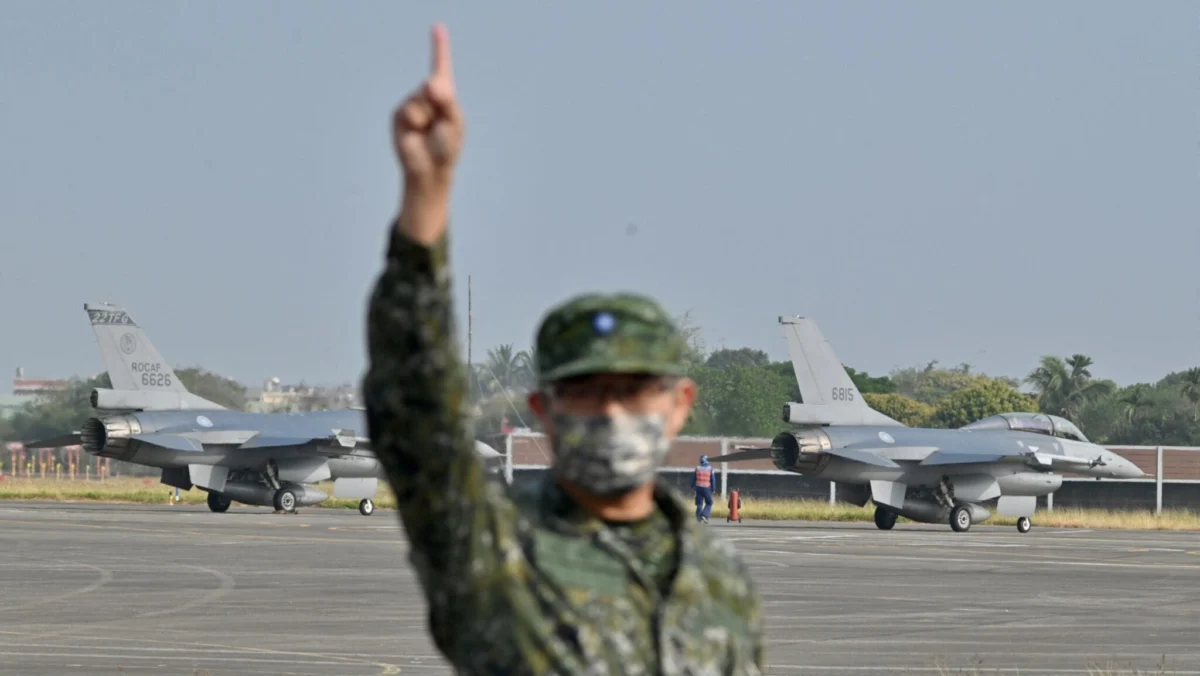
The increase in spending is also a political signal to Washington. As the US considers its own long-term strategy for the Pacific, demonstrating a willingness to carry a larger share of the defense burden is critical for Taiwan to maintain support in the US Congress. The purchase of F-16 V fighters and other high-end platforms is expensive; this budget ensures that Taiwan can continue to fulfill its payment obligations for these US-supplied weapon systems.
3. The "Gray Zone" Reality
The budget also reflects the high cost of daily readiness. As the PLA increases the intensity of its maneuvers, Taiwan’s military must burn fuel, fly sorties, and keep radars active 24/7. The $691.9 billion NT allocated for operations and upkeep is a direct response to the "attrition warfare" that China is currently waging without firing a shot.
Challenges Ahead: The Legislative Battleground
The coming months will be defined by the legislative debate in the Legislative Yuan. The administration must balance the need for national security with the realities of a democratic system where competing interests often clash over the national purse.
If the opposition successfully forces cuts similar to those seen in 2026, it could delay the acquisition of critical systems, such as advanced air defense batteries or maritime interdiction capabilities. Conversely, if the administration can build a broad consensus, it would send a powerful message to Beijing that the island is united in its resolve to protect its sovereignty.
Conclusion
Taiwan’s 2027 defense budget is more than just a ledger of figures; it is a definitive statement of intent. In an era of increasing volatility, the island is choosing to invest in its own survival. Whether this record-breaking investment will be sufficient to deter a potential invasion remains a question for the future. However, for the present, Taipei has made its position clear: it is willing to pay the price for autonomy in an increasingly crowded and dangerous Pacific.
As the legislature prepares to debate these figures, the eyes of the international community remain fixed on the Taiwan Strait. The final number that emerges from the legislative process will be a crucial indicator of the island’s future strategic trajectory and its ability to withstand the gathering storms of 21st-century geopolitics.