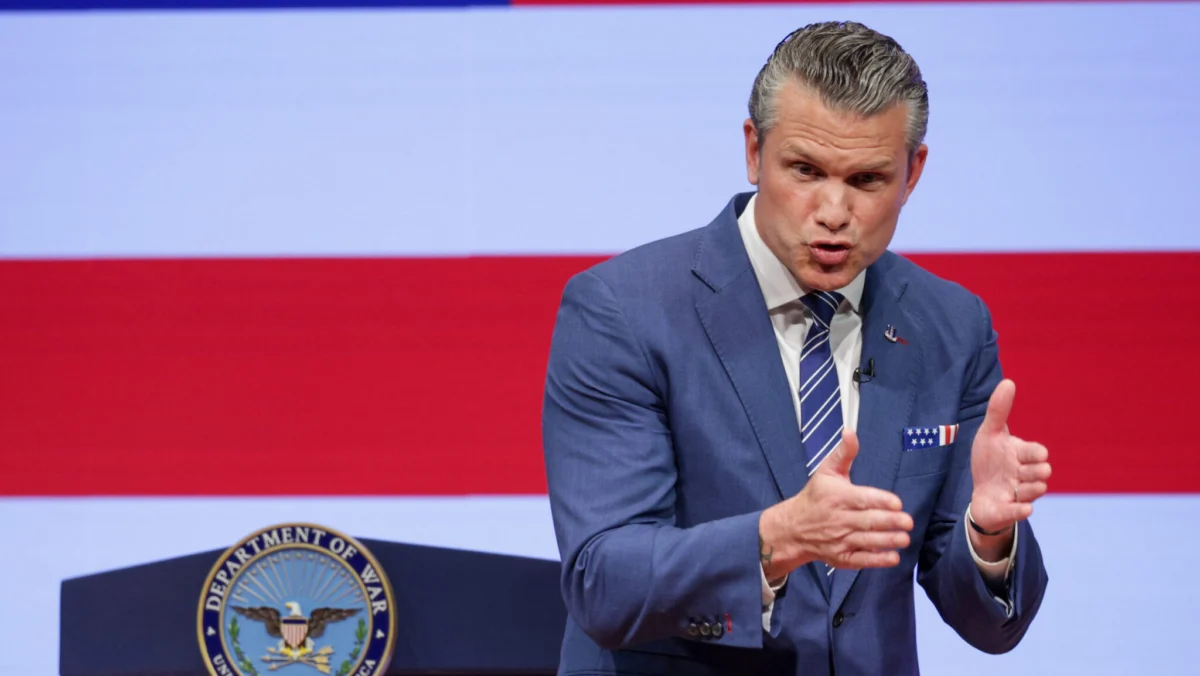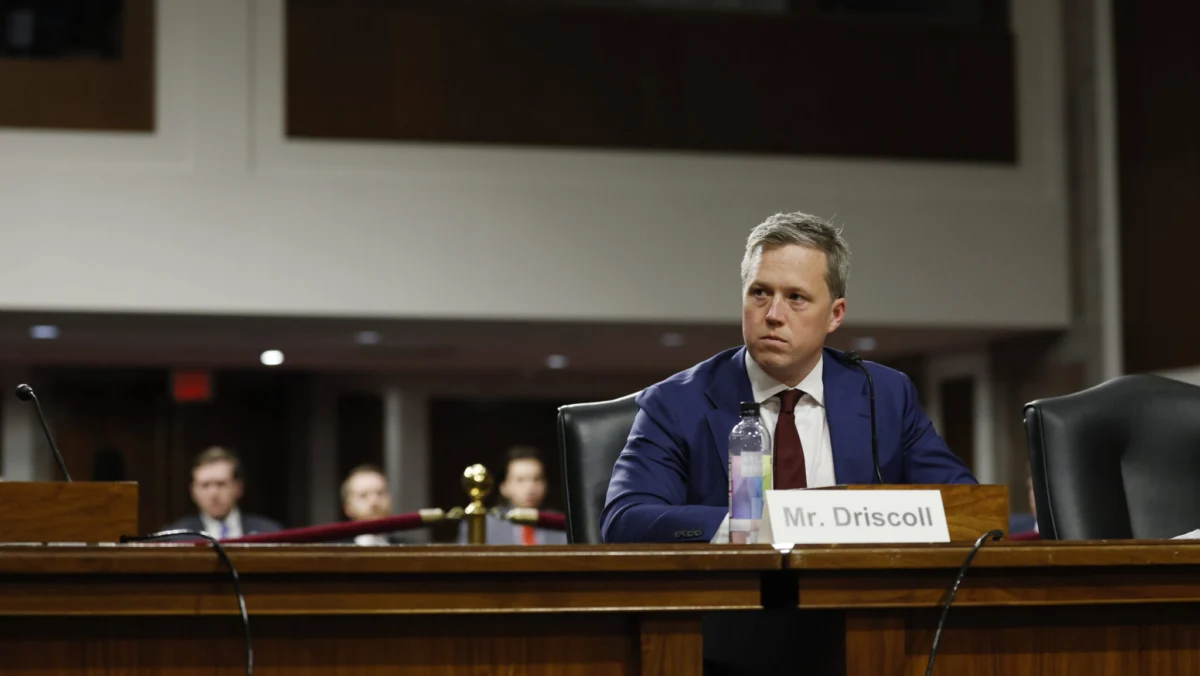
WASHINGTON — In a move that signals a significant shift in the upper echelons of the American defense establishment, Dan Driscoll, the 26th Secretary of the Army, has officially submitted his letter of resignation. The departure, which follows less than two years of service, brings to a head months of mounting tensions between the civilian leadership of the Army and the Pentagon’s top brass, specifically Secretary of Defense Pete Hegseth.
The resignation, first confirmed by multiple news outlets, concludes a tenure defined by both aggressive institutional modernization and a widening political rift over the future of the nation’s land forces. While the White House has maintained a facade of unity, the exit of one of the administration’s most vocal proponents of industrial reform leaves the Army in a precarious state of transition.
The Chronology of a Fractured Relationship
The instability surrounding the Army’s leadership did not manifest overnight. The friction between Driscoll and Hegseth had been an open secret within the Beltway for the better part of a year, characterized by conflicting visions of how the Army should engage with global conflicts and interact with the defense industrial base.
The Escalation
The seeds of the current crisis were sown in late 2025, when Driscoll, a former private equity and venture capital executive, began aggressively pushing for a "Silicon Valley-style" overhaul of the Army’s procurement processes. His focus on efficiency and his willingness to challenge established defense prime contractors—once famously stating he would consider it a "success" if a major contractor failed due to inefficiency—put him at odds with more traditionalist elements within the Pentagon.
By the spring of 2026, the relationship between Driscoll and Hegseth had entered a public cold war. The breaking point for many observers was the abrupt firing of Army Chief of Staff Gen. Randy George in April 2026. Following that dismissal, the Army’s command structure became increasingly tenuous. Reports indicated that Driscoll had been bypassing the Pentagon’s traditional hierarchies to coordinate directly with Vice President JD Vance, particularly regarding military reform and high-level diplomatic missions.
The Final Stretch
Throughout the summer of 2026, rumors circulated that Driscoll’s departure was imminent. Sources had suggested a Labor Day exit, a timeline that ultimately proved accurate as the Secretary finalized his departure in late August. The tension was exacerbated by Driscoll’s collaborative efforts with the late Gen. George, specifically their joint trips to Ukraine to study drone warfare and conduct ceasefire negotiations—an initiative that reportedly drew the ire of the Secretary of Defense, who viewed the diplomatic maneuvering as an overstep of the Army’s civilian authority.
Institutional Reform: The Driscoll Legacy
Despite the acrimonious exit, supporters of the outgoing Secretary point to his tenure as a period of necessary, if disruptive, innovation. Driscoll brought a "VC-mindset" to a notoriously rigid bureaucracy, seeking to break the monopoly of traditional defense primes.
The FUZE Program and Procurement Shifts
One of the cornerstones of the Driscoll era was the launch of the Army’s "FUZE" program. This venture-capital-inspired model was designed to funnel capital into promising, early-stage military technology, bypassing the multi-year procurement cycles that have historically slowed the adoption of emerging tech.
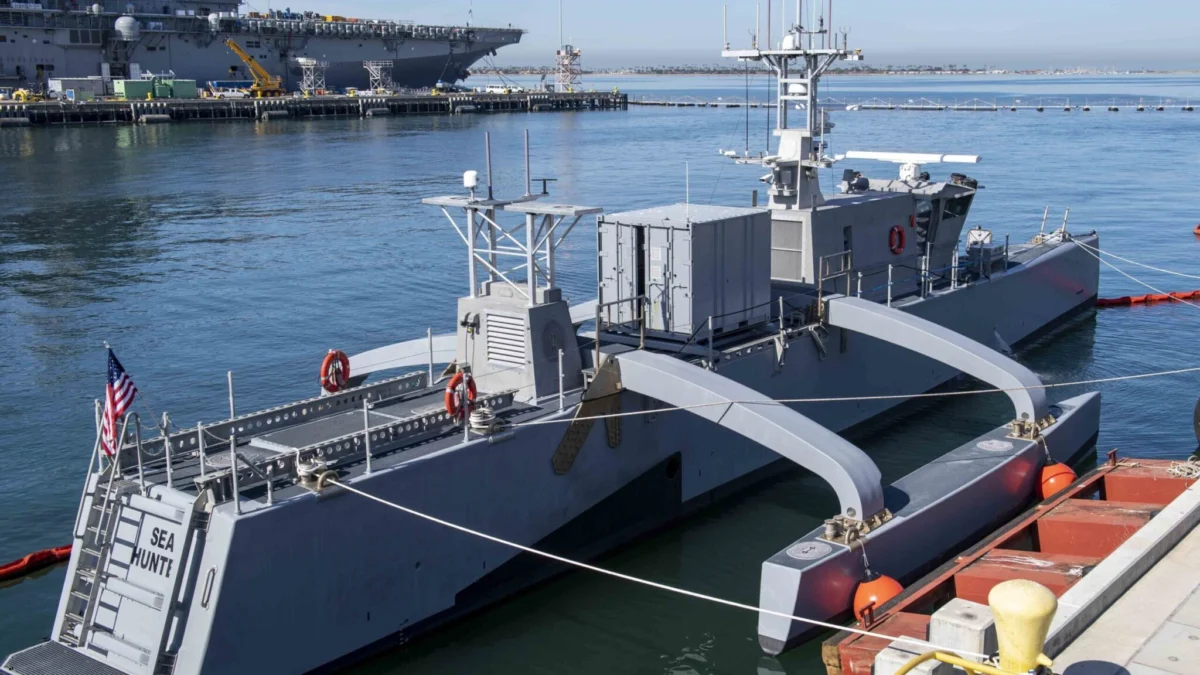
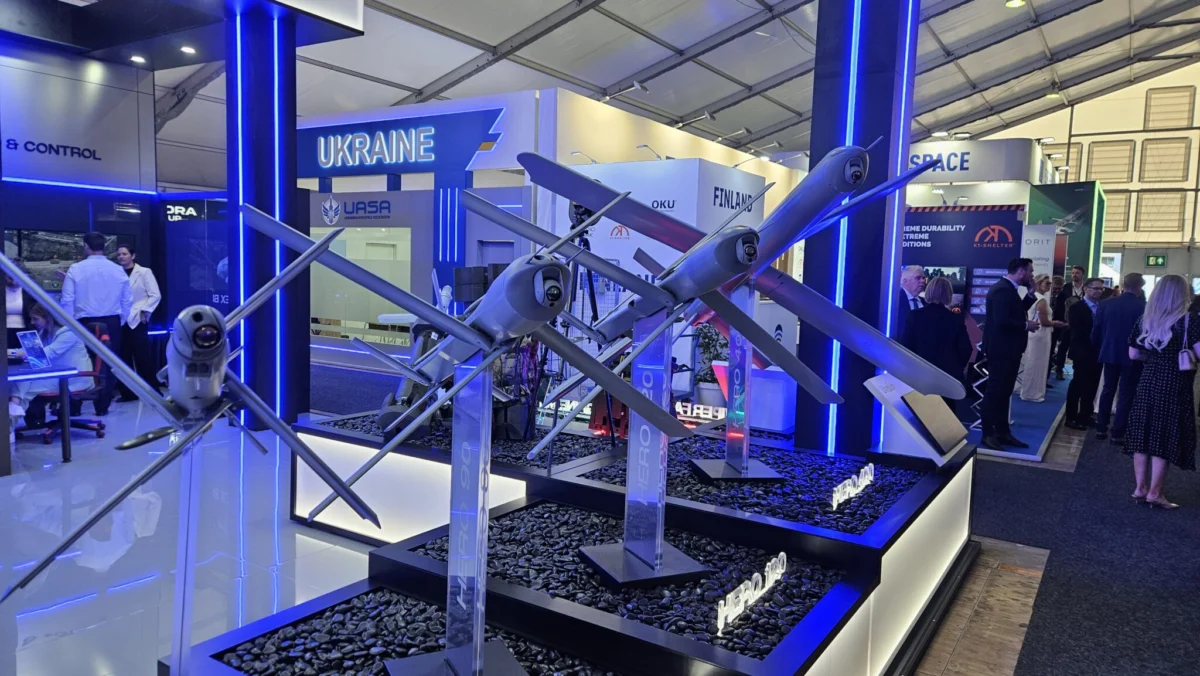
Furthermore, Driscoll spearheaded a low-cost interceptor program. His central argument was a matter of economic survival: the U.S. could not afford to sustain the cost-exchange ratio of firing multimillion-dollar missiles at drones that cost a fraction of the price. By attempting to force the defense industry to produce scalable, affordable interceptors, he made powerful enemies among the "Big Five" defense contractors, a move that likely diminished his political capital within the Pentagon.
The Vacuum at the Top: Who Steps In?
With Driscoll out, the question of succession has become a focal point of debate. An Army official noted that, under standard protocol, the service’s Undersecretary, Michael Obadal, would be the natural successor to the role.
The Obadal Factor
Reports suggest that unlike his predecessor, Obadal shares a "great working relationship" with Secretary Hegseth. However, the Secretary of Defense is under no obligation to appoint Obadal to the post, even in an acting capacity. The Pentagon has broad discretion to appoint an acting secretary of its choosing, and rumors have swirled that Sean Parnell, the current Pentagon chief spokesman, has long expressed interest in the vacancy.
The Senate Hurdle
The uncertainty is compounded by the status of the Army’s military leadership. Gen. Christopher LaNeve, who currently serves as the Vice Chief of Staff in an acting capacity, remains in limbo. LaNeve, a former senior aide to Hegseth, has yet to be formally nominated or confirmed for the position of Army Chief of Staff. His path to confirmation is fraught with difficulty; he faces opposition not only from Democrats but from influential Republicans like Sen. Joni Ernst, who has signaled reservations about the current leadership trajectory of the service.
Official Responses and Political Maneuvering
The official response from the White House was notably effusive, serving as a tactical attempt to downplay the internal friction while acknowledging the Secretary’s contributions to the President’s agenda.
In a statement provided to Breaking Defense, White House spokesperson Anna Kelly praised Driscoll’s leadership, though she notably stopped short of confirming the specifics of his exit or providing details on the transition.
"Secretary Driscoll has been highly effective in advancing President Trump’s agenda to ‘Make America Strong Again’ at the Department of the Army," Kelly stated. "By providing outstanding leadership during historic military operations, restoring an emphasis on readiness and lethality, and assisting with negotiations between Russia and Ukraine, he has left the Army more powerful than ever. His work alongside the Commander-in-Chief and the Secretary of War has been exemplary."
The Pentagon, by contrast, remained tight-lipped, referring all inquiries to the Department of the Army, a standard maneuver that further highlights the distance between the two offices.
Implications for the Future of the Army
The resignation of Dan Driscoll is more than a simple personnel change; it is a signal of the ongoing battle for control over the future of American military policy.
A Shift in Strategic Alignment
Driscoll’s departure suggests that the "reformist" faction of the administration has suffered a significant setback. If the Pentagon moves to replace the civilian leadership of the Army with figures who are more closely aligned with the Defense Secretary’s traditional preferences, the momentum behind the FUZE program and the aggressive push for commercial-off-the-shelf technology may stall.
Readiness and Global Commitments
The timing of this resignation is particularly sensitive. With the Army heavily involved in advising in Eastern Europe and maintaining readiness posture in the Indo-Pacific, the absence of a Senate-confirmed civilian leader creates a layer of institutional instability. A leaderless organization—or one managed by acting officials—is often risk-averse, potentially leading to a "holding pattern" in procurement and strategic decision-making.
The Defense Industrial Base
For the defense industry, the departure of the man who questioned the viability of prime contractors is a significant development. Large defense firms will likely view this as an opportunity to reset their relationship with the Department of the Army, potentially seeking to revert to more traditional, long-term procurement models.
As the Pentagon moves to fill the void left by Driscoll, the primary challenge will be to restore a sense of continuity. Whether the administration opts for a steady hand or doubles down on its internal power struggles will be revealed in the coming weeks. For now, the United States Army finds itself at a crossroads, navigating a transition that will shape its procurement, its leadership, and its strategic influence for years to come.
This is a developing story. Further updates on the transition and potential nominees will be provided as they become available.