The defense industrial base stands at a critical juncture as the Department of Defense (DoD) recalibrates its relationship with prime contractors and tech innovators alike. This week, the release of a significant new DoD memorandum has ignited debate across the Beltway, signaling a shift in how the Pentagon expects contractors to handle pricing data. Simultaneously, the U.S. Army is accelerating its integration of artificial intelligence, as showcased during the recent TechNet Augusta conference in Georgia.
These developments represent two sides of the same coin: the Pentagon’s urgent need for financial visibility and its operational necessity to maintain a technological edge in an era of rapid digital warfare.
I. Main Facts: The New DoD Transparency Mandate
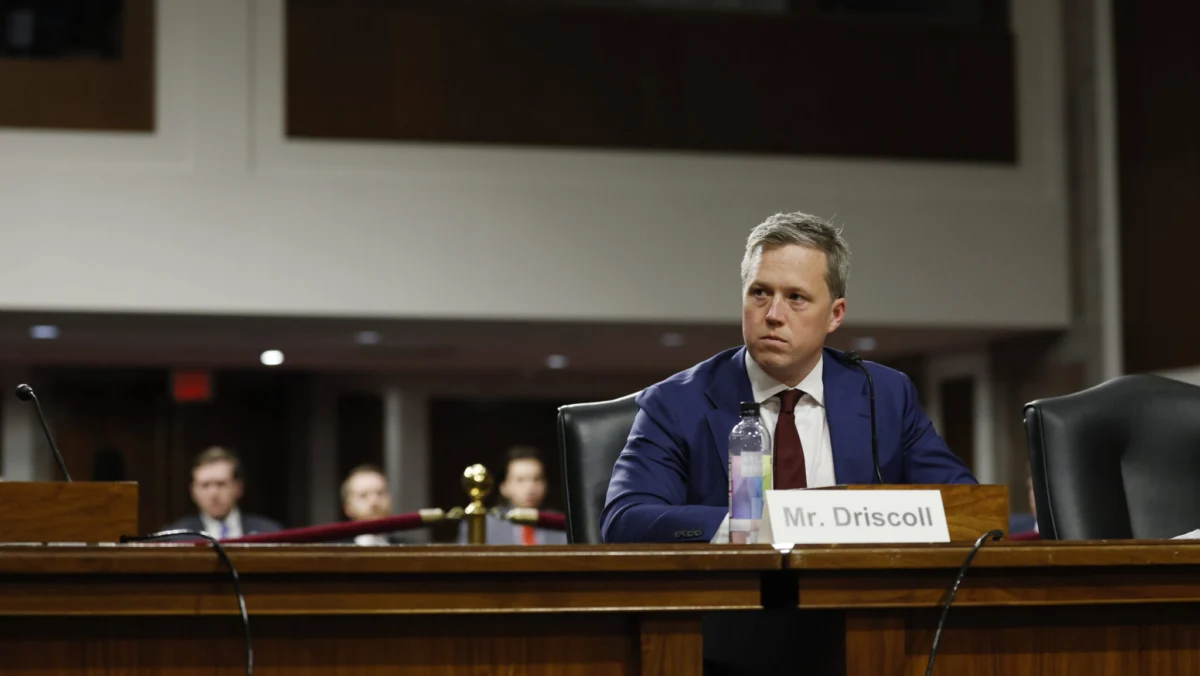
At the heart of the current regulatory shift is a new memorandum issued by the Office of the Secretary of Defense, aimed at streamlining and increasing the depth of data disclosure required from Pentagon contractors. For decades, the relationship between the DoD and its industrial partners has been defined by complex contract negotiations, often hampered by "information asymmetry"—where the contractor possesses far more granular data regarding costs, supply chain pricing, and software development cycles than the government buyer.
The new memo explicitly pushes for increased transparency regarding contractor pricing information. Specifically, it seeks to bridge the gap between legacy hardware acquisitions and modern software-defined weapon systems. The directive encourages—and in some instances, mandates—the disclosure of underlying cost structures for proprietary software, a move that has historically been met with resistance from industry giants who view such data as protected intellectual property.
The core objective is to allow DoD acquisition officers to better evaluate "fair and reasonable" pricing in an environment where software costs have become increasingly opaque. By mandating a clearer view of the profit margins and development expenditures associated with defense software, the DoD hopes to curb cost overruns and ensure that taxpayer dollars are deployed with maximum efficiency.
II. Chronology: The Path to Regulatory Change
The trajectory leading to this memo began long before its recent publication. Understanding the current policy requires a look at the systemic pressures that have been building within the Pentagon’s acquisition arm over the last three fiscal years.
- Early 2024: The DoD identified a growing trend of "software bloat," where the cost of sustaining and updating mission-critical software began to outpace the initial hardware procurement costs.
- Late 2024–2025: Congressional oversight committees began applying pressure on the Pentagon to provide more rigorous auditing of sole-source contracts. Reports from the Government Accountability Office (GAO) suggested that the lack of visibility into software development labor rates was contributing to a multi-billion dollar deficit in modernization accounts.
- Summer 2026: Drafting of the new guidance reached a fever pitch. Defense acquisition officials engaged in a series of "listening sessions" with industry representatives, who argued that overly stringent data disclosure requirements could stifle innovation and discourage non-traditional tech firms from entering the defense space.
- August 2026: The official memo is finalized and disseminated. It marks a significant departure from previous guidance, shifting the burden of proof regarding pricing justifications more heavily onto the contractor.
III. Supporting Data: The Case for Oversight
The necessity for this policy shift is grounded in hard data. According to recent internal DoD assessments, the gap between what contractors claim as "reasonable" development costs and what the DoD’s independent cost estimators calculate has widened by nearly 14% over the last 24 months.
Cost Breakdown Analysis
A recent study commissioned by the Pentagon’s Cost Assessment and Program Evaluation (CAPE) office found that:
- Software sustainment costs now account for approximately 60% of the lifecycle cost of new tactical platforms, up from 40% in 2018.
- Proprietary locks: Nearly 75% of major software-reliant programs currently utilize proprietary data structures that prevent the DoD from performing its own routine maintenance without paying significant "integration fees" to the original developer.
- Negotiation Timelines: Projects with high transparency requirements have seen a 22% reduction in contract negotiation timelines, suggesting that when data is shared early, the adversarial nature of pricing discussions is mitigated.
These figures underscore the strategic importance of the new memo. It is not merely a bureaucratic exercise; it is an attempt to reclaim control over the lifecycle management of the most expensive weapon systems in human history.
IV. Official Responses: The Tension Between Industry and Government
The response to the new memo has been bifurcated. Within the halls of the Pentagon, there is a sense of relief among acquisition officers who have long felt outgunned in negotiations.
"This memo is a vital tool for our workforce," noted a senior acquisition official during a recent briefing. "We aren’t looking to steal trade secrets or undermine the profitability of our partners. We are looking to understand what we are paying for. When we don’t have visibility into the cost of code, we are essentially writing blank checks."
Conversely, industry groups, including the Aerospace Industries Association (AIA) and various defense-tech lobbying coalitions, have voiced cautious concern. They argue that the DoD’s demand for direct software pricing data might inadvertently infringe on the "Data Rights" protections that encourage R&D investment.
"If a company knows that its proprietary pricing models for a breakthrough algorithm will be subject to full-scale government audit, they may choose to pivot their R&D toward the commercial sector instead," a lobbyist for a major defense prime remarked. The industry’s primary fear is that the "direct software link" mentioned in the memo will become a backdoor for the government to essentially nationalize software development costs, stripping companies of their competitive advantage.
V. TechNet Augusta and the Future of Army AI
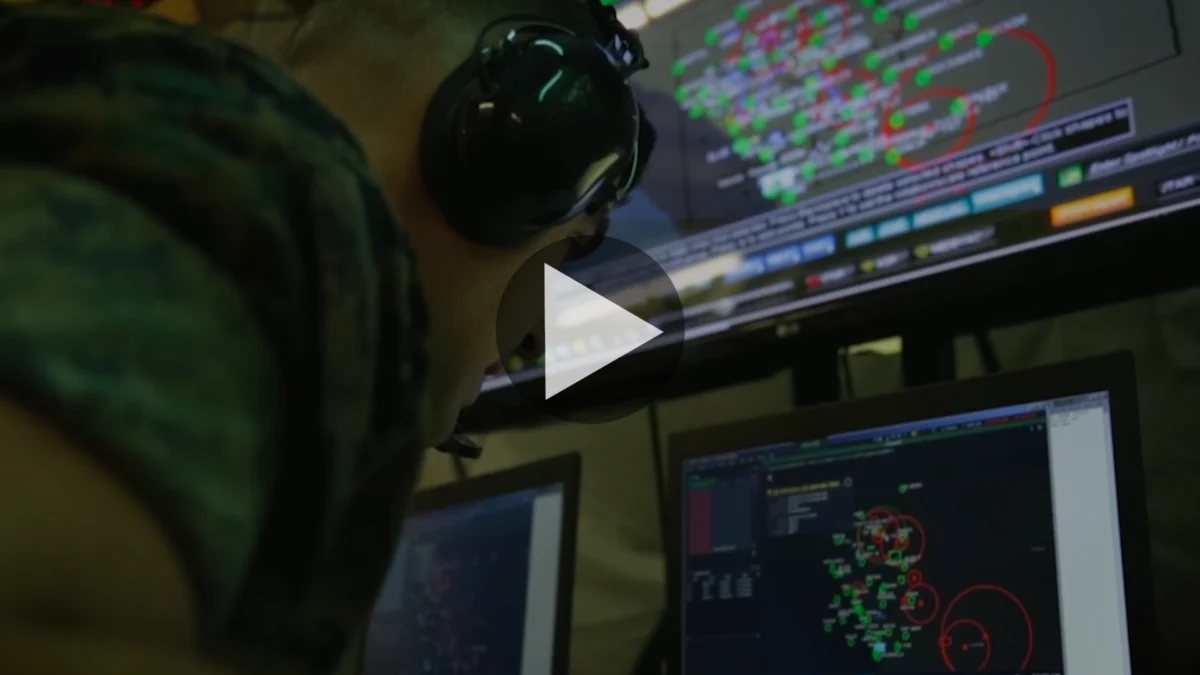
While the memo dominated the policy conversation, the operational future of the military was on display at TechNet Augusta. The conference, a primary venue for the U.S. Army’s signal and cyber commands, provided a window into how the service is integrating artificial intelligence into the tactical edge.

Key AI Initiatives Revealed
- Project Convergence Integration: The Army is moving beyond theoretical AI models to field-deployable tools that can parse massive datasets from the electromagnetic spectrum. The goal is to provide commanders with real-time situational awareness that can outpace an adversary’s decision-making cycle.
- Autonomous Network Management: One of the most significant announcements at the conference involved the deployment of AI-driven tools that can self-heal network nodes in contested environments. This is a critical development for maintaining communications in "denied" spaces where traditional satellite links are jammed or intercepted.
- Generative AI for Logistics: The Army is testing large language models (LLMs) to assist in predictive maintenance for ground vehicles. By analyzing years of sensor data, these AI tools can predict part failures before they occur, potentially saving the service millions in emergency repair costs and increasing vehicle availability rates.
The Connection to Acquisition Reform
The lessons from TechNet Augusta are directly linked to the new DoD memo. As the Army seeks to integrate these AI capabilities into existing platforms, the need for transparent software development becomes even more acute. If the Army intends to upgrade these AI models every six months—as is standard in the tech world—the traditional, slow-moving contract negotiation process must be replaced by a more agile, data-transparent model.
VI. Implications: What This Means for the Future
The convergence of new pricing transparency rules and the rapid acceleration of AI integration suggests that the "Defense Industrial Base" is undergoing a permanent transformation.
For Contractors
Prime contractors and mid-tier tech firms must prepare for a future where "black box" pricing is no longer viable. Companies that proactively adopt transparent accounting practices and demonstrate an ability to work within the DoD’s modular open systems approach (MOSA) will likely win more contracts. Those that cling to legacy, proprietary-locked business models risk being phased out of future solicitations.
For the Department of Defense
The challenge for the Pentagon will be execution. Issuing a memo is simple; enforcing it across thousands of disparate contracts is a Herculean task. Success will depend on whether the DoD can train a new generation of acquisition officers who are as fluent in software development lifecycles as they are in federal acquisition regulations (FAR).
For National Security
Ultimately, the goal is to ensure that the U.S. military remains the most technologically advanced force in the world. If these changes result in faster, cheaper, and more frequent upgrades to mission-critical systems, the Pentagon will have succeeded. However, if the regulatory burden becomes too great, the risk of "innovation flight"—where the best tech talent avoids the defense sector entirely—remains a credible threat.
As the industry digests the new memo and the Army continues to refine its AI roadmap, one thing is clear: the era of the static, hardware-heavy military contract is ending. In its place is a dynamic, software-centric ecosystem that demands a new level of partnership—and scrutiny—between those who build the tools and those who use them to defend the nation.