WASHINGTON — As the summer heat fades and lawmakers prepare to return to Capitol Hill in September, the legislative landscape is dominated by a singular, looming challenge: the largest defense funding request in American history. Facing a $1.5 trillion total national security requirement, Congress is entering a precarious autumn that will test the resilience of the U.S. defense industrial base, the cohesion of the two-party system, and the country’s ability to project power amidst escalating global tensions.
The stakes could not be higher. Lawmakers must navigate a "perfect storm" of legislative hurdles: a stopgap spending bill to avert a government shutdown ahead of the midterm elections, a supplemental funding package necessitated by the ongoing war in Iran, and the overarching Fiscal Year 2027 (FY27) defense budget.
The Financial Architecture: A Historic Topline
The Pentagon’s fiscal blueprint is split into two distinct, yet inextricably linked, components. The administration has requested $1.15 trillion in discretionary base funding, supplemented by an additional $350 billion routed through the reconciliation process. This total, reaching the unprecedented $1.5 trillion mark, represents a fundamental shift in how the U.S. funds its military apparatus.
However, the path to passing this figure is fraught with political friction. The House of Representatives, while having cleared its version of the defense appropriations bill through committee in June, has yet to finalize the measure on the floor. The Senate is in an even more precarious position; deep-seated disagreements between the two parties regarding the balance of defense versus non-defense spending have resulted in a total stalemate. Consequently, the text of the Senate’s FY27 defense spending bill remains under lock and key, unable to move forward.
Chronology of the Legislative Standoff
The legislative timeline is rapidly constricting. When the House returns to session next week, it will have only a handful of days before a mandatory break for Labor Day. The Senate is scheduled to reconvene on September 14, leaving a razor-thin window of just two weeks before both chambers adjourn for the October midterm election sprint.
This calendar creates a profound sense of urgency. The National Defense Authorization Act (NDAA), the annual roadmap for military policy, is currently caught in the crossfire. While the House successfully passed its version of the NDAA in July, the Senate remains deadlocked. Democratic leadership has blocked the upper chamber from floor consideration, citing concerns over the transparency of the Iran war supplemental funding and the aggressive growth of the overall defense topline.
"I think if we have a solid resolution of the budget, both domestic and defense, we’ll be in a much better position to go ahead," Sen. Jack Reed, the ranking Democrat on the Senate Armed Services Committee (SASC), noted in July. His words reflect the broader anxiety within the halls of Congress: without a fundamental agreement on spending parity, the machinery of national security policy remains frozen.
Supporting Data: Key Defense Priorities
The complexity of the current legislative battle is best illustrated by looking at the specific programs vying for space within the $1.5 trillion framework.
Munitions and Industrial Base
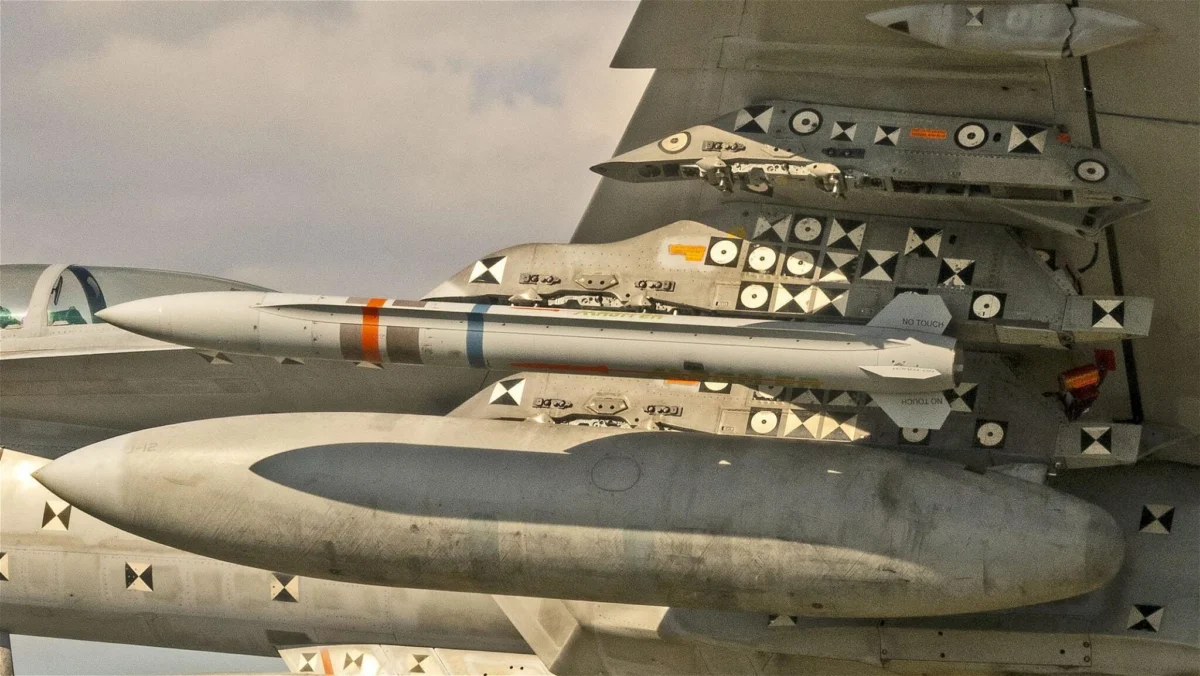
The Pentagon’s reliance on reconciliation to fund munitions has drawn heavy fire from appropriators. While the discretionary request actually decreases the procurement of certain legacy systems—such as PAC-3 missiles, which drop from 310 units to 267—the reconciliation request seeks to add 3,000 units. House appropriators have criticized this strategy as "risky and uncoordinated," highlighting the disconnect between the White House’s ambitions and the industrial reality.
The "Golden Dome" Program
The administration has requested $397 million in base funding for the Golden Dome program, but has hidden the bulk of the $17.1 billion requirement within the reconciliation package. Supporters argue this funding is essential to "lock in progress" on long-lead time efforts, yet the split-funding approach has created confusion regarding oversight and long-term viability.
Air and Sea Power: F-35s and Destroyers
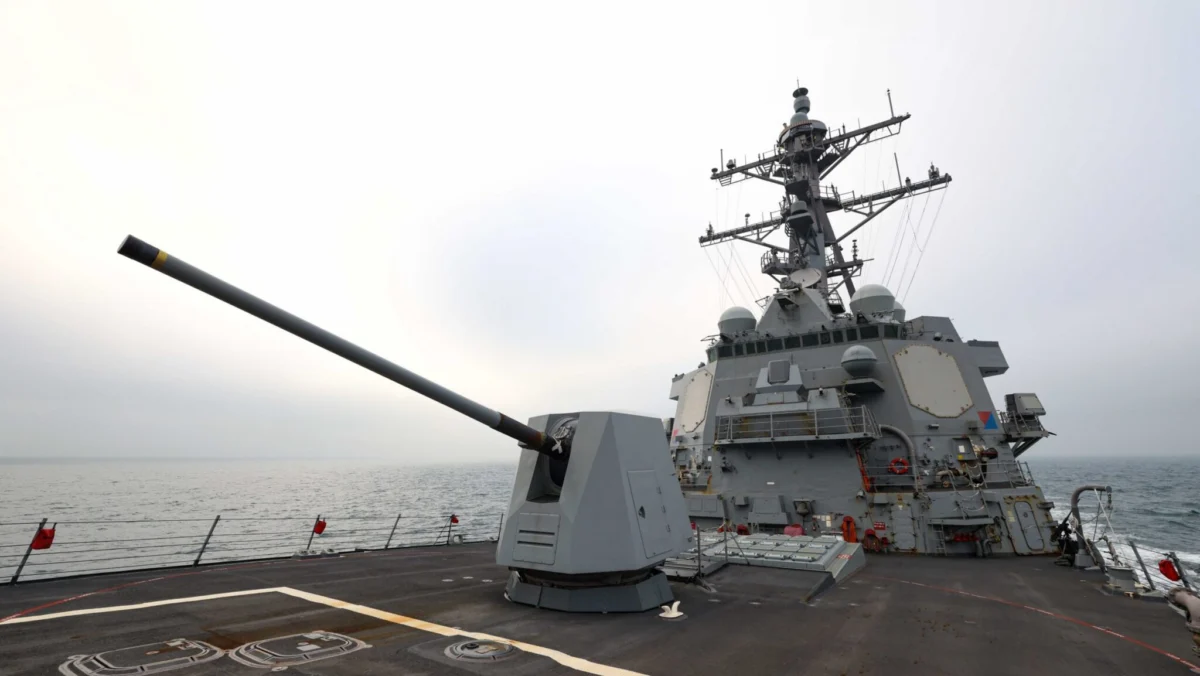
The procurement of F-35 Joint Strike Fighters and Arleigh Burke-class destroyers has become a focal point of partisan debate. The administration’s request for 32 F-35s has been met with skepticism; while the House NDAA adheres to the request, the Senate has pushed for an additional $232 million for the F-35A. Similarly, regarding Arleigh Burke destroyers, the SASC has proposed adding $2.5 billion for a second ship, significantly exceeding the administration’s request for just one.
The E-7 Wedgetail Pivot
Perhaps the most notable reversal in the current cycle is the E-7 Wedgetail program. Initially marked for cancellation, Defense Secretary Pete Hegseth’s May reversal has led to a scramble for funding. Both the Senate NDAA and House defense appropriations have now moved to restore the program with a $1.5 billion injection, signaling a rare consensus on the necessity of this aerial surveillance capability.
Official Responses and Policy Shifts
The administration’s legislative agenda is not merely about funding; it is about systemic reform. This is most visible in the controversial proposal to rename the Department of Defense to the "Department of War." While the budget itself is silent on the matter, the Pentagon’s legislative proposal has been aggressively pushed by Republican allies. The House Armed Services Committee voted 29-27 to approve the name change, a move that is expected to ignite a firestorm of opposition from Democrats in the Senate.
Furthermore, the administration is pushing for significant changes in procurement and intellectual property rights. The "Right to Repair" movement has gained traction within the NDAA, with both chambers considering provisions that would grant the Pentagon default government rights to technical data and software. While industry trade groups—most notably the Chamber of Commerce—have lobbied against these measures, the momentum for giving troops the ability to repair their own equipment in the field remains high.
Implications for the Future
The implications of this legislative struggle extend far beyond the immediate budget cycle. Three major trends have emerged:
- The Sovereignty of the Industrial Base: The debate over foreign shipbuilding—specifically the potential to procure warships from Japan or South Korea—has forced a national conversation on the health of the U.S. maritime industry. While the administration views foreign procurement as a necessity for rapid fleet expansion, Congress has signaled an intent to block such moves, prioritizing the domestic industrial base over near-term speed.
- The Death of Acquisition Agencies: The proposed elimination of the Space Development Agency (SDA) and the Space Rapid Capabilities Office (RCO) signals a desire to centralize Space Force acquisitions. Should this pass, it would mark a significant shift in the Pentagon’s organizational philosophy, trading agile, specialized agencies for a more monolithic structure.
- The Impact of Election Cycles: The looming midterms provide a "hard stop" for negotiations. If Democrats gain control of one or both chambers, the current $1.5 trillion defense request will likely be overhauled. A change in control would almost certainly see a reduction in the reliance on reconciliation and a renewed demand for increased domestic spending to offset defense increases.
As Congress returns to Washington, the atmosphere is one of high-stakes brinkmanship. The $1.5 trillion defense budget is not just a collection of numbers; it is a manifestation of the current administration’s vision for a "war-ready" military. Whether that vision can survive the friction of the legislative process—or whether it will be stalled by the internal divisions of a polarized Capitol—remains the defining question of the final legislative quarter. For the Department of Defense, the coming weeks will determine whether they receive the resources required for a new era of global competition, or if the government will be forced to operate on the stale, uncertain terms of a continuing resolution.