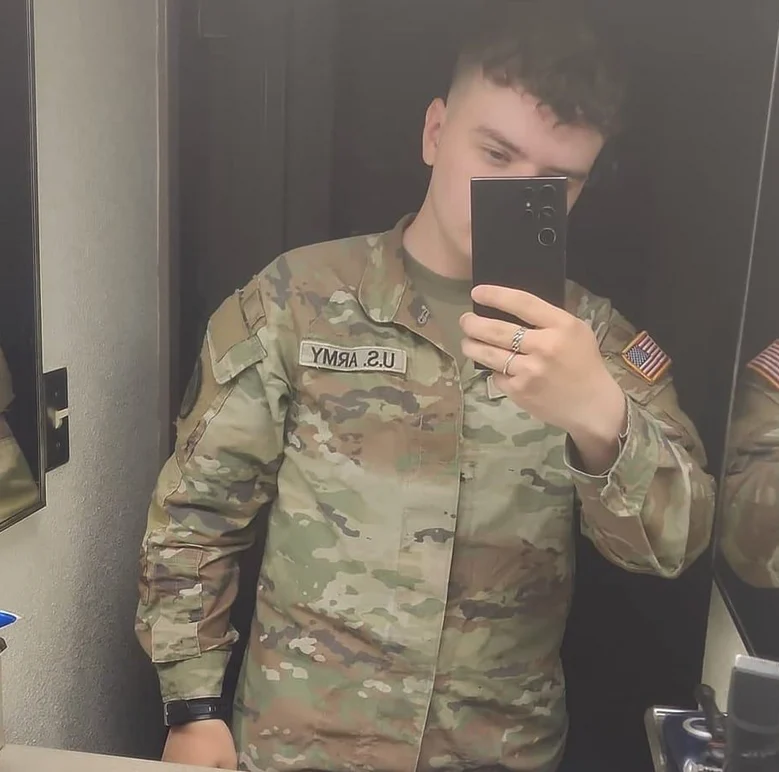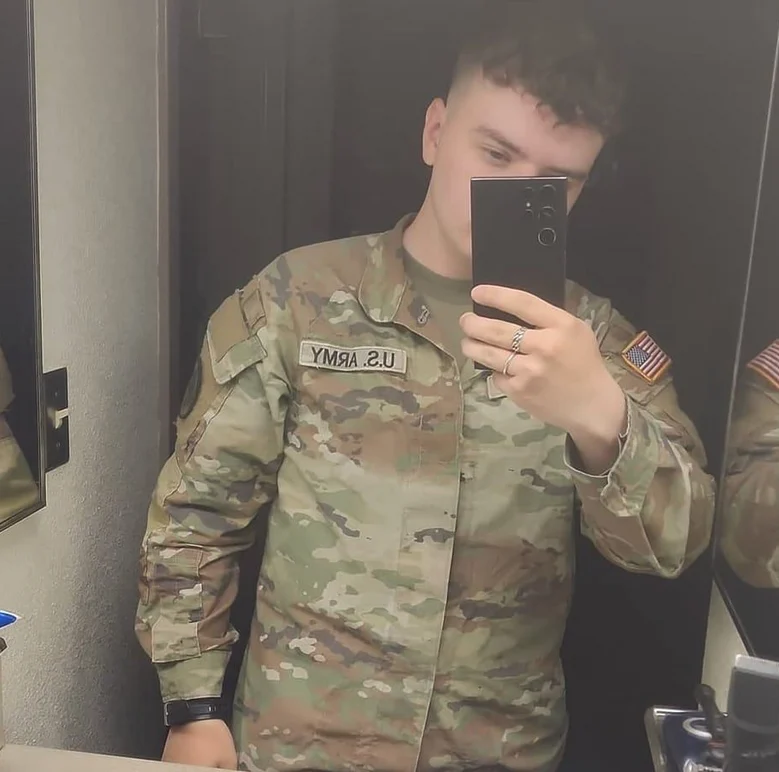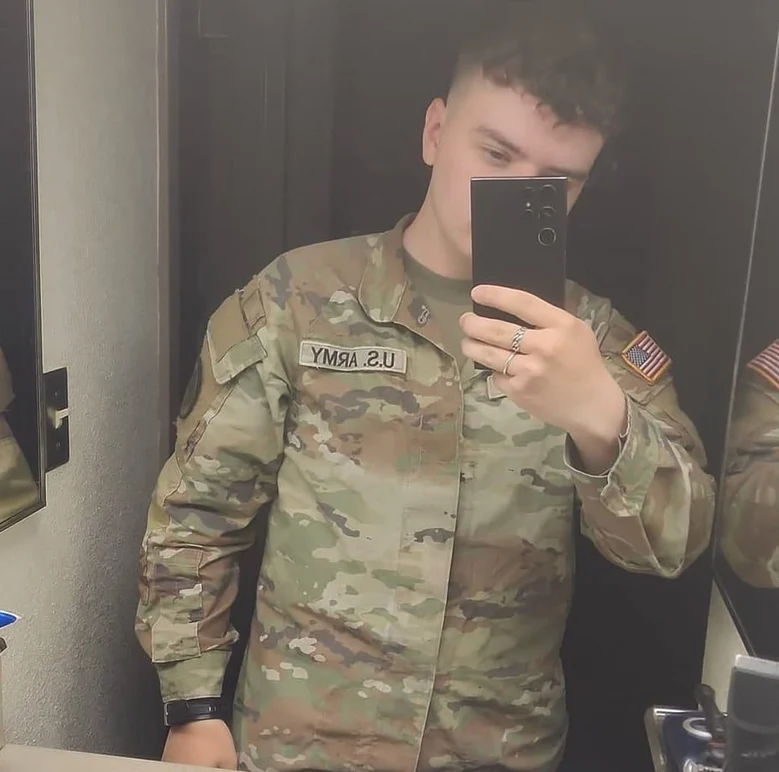
In a sentencing hearing that closed the book on one of the most audacious insider-threat cases in recent U.S. military history, 22-year-old former U.S. Army soldier Cameron John Wagenius was sentenced to 70 months in federal prison. Wagenius, who operated under the menacing digital alias “Kiberphant0m,” was convicted for his central role in a massive cyber-extortion campaign that compromised the metadata of over 100 million AT&T customers and targeted critical telecommunications infrastructure worldwide.
The sentencing, handed down in a Seattle federal court, also mandates that Wagenius pay nearly $300,000 in restitution—a figure that stands in stark, ironic contrast to the mere $1,500 he reportedly netted from his criminal endeavors. The case, which drew the coordinated attention of the FBI, the Department of Defense, and the Secret Service, serves as a sobering case study in the dangers of the modern "insider threat," where advanced technical skills intersect with access to sensitive government clearance.
The Anatomy of the Breach: Chronology of a Cyber-Crime Wave
The saga of Cameron Wagenius is a rapid descent from military service to digital criminality. Stationed at a U.S. Army base in South Korea, Wagenius leveraged his access and technical prowess to pivot from his duties to the shadowy world of cyber-extortion.
2024: The Snowflake Exploits
The foundation of the conspiracy lay in the exploitation of Snowflake, a popular cloud data storage service. Investigators found that Wagenius and a network of co-conspirators identified large corporate clients that had failed to enforce multi-factor authentication (MFA) on their accounts. By exploiting exposed credentials, the group gained unauthorized entry into these private cloud environments, siphoning massive tranches of sensitive corporate data.
October 2024: The Extortion Escalates
By the fall of 2024, the "Kiberphant0m" persona began to gain notoriety on underground cybercrime forums. Wagenius boasted of possessing call and text metadata—including timestamps, durations, and source/destination numbers—for tens of millions of AT&T customers. This was not merely a data theft; it was a global campaign. Wagenius claimed to have compromised over a dozen telecommunications firms, including Verizon’s specialized Push-to-Talk business, and began publicly extorting these entities, threatening to leak their customers’ private data if they did not meet his demands.
November 2025: Identification and Arrest
The turning point for the investigation arrived in late 2025, when KrebsOnSecurity published evidence suggesting that the individual behind the Kiberphant0m alias was likely a U.S. soldier stationed in South Korea. The subsequent federal investigation moved with speed. Within a month of the report, Wagenius was taken into custody, leading to two separate federal indictments to which he pleaded guilty in full.
The Co-Conspirators and the Global Network
Wagenius did not act in a vacuum. Federal prosecutors highlighted his collaboration with a sophisticated network of cyber-criminals, each with varying degrees of experience in the digital underworld.
- Kenneth Schuchman: A 28-year-old from Vancouver, Washington, Schuchman brought a legacy of malicious activity to the partnership. Known for his 2019 guilty plea regarding the operation of the “Satori” botnet—a massive network of compromised IoT devices used for large-scale DDoS attacks—Schuchman acted as a key facilitator in the extortion plots.
- Conor Riley Moucka: Operating under the handle “Judische,” this Canadian national was arrested in 2024 and entered a guilty plea in August 2026 for his role in the Snowflake-related thefts.
- John Erin Binns: An American residing in Turkey, Binns remains a figure of significant interest to federal investigators. He is also a primary suspect in the 2021 T-Mobile data breach, which exposed the personal information of at least 76 million customers, highlighting the persistence of these criminal actors across multiple high-profile breaches.
Official Responses: The Threat of the Insider
The involvement of an active-duty soldier with secret clearance sent shockwaves through the Department of Defense. Paul Russell, a resident agent in charge at the Defense Criminal Investigative Service (DCIS), emphasized the unique difficulty this case presented for law enforcement.
“We don’t often get leads where there’s an active duty soldier with a secret clearance who’s creating hacking tools and trafficking in data,” Russell remarked. “That doesn’t happen every day, and so when that hits, it really spins all of our partner organizations up. It was very serious from jump street, just because it was unique, it was an insider threat, and we weren’t sure what we were dealing with.”
The investigation necessitated a rare, high-level collaboration between the DCIS, the FBI, the Army Criminal Investigative Division (CID), and the U.S. Secret Service, illustrating the government’s shift toward treating cyber-threats originating from within the ranks as a Tier-1 national security concern.
The “Prison Hacker”: A Final Act of Defiance
Perhaps the most startling aspect of the case emerged during the sentencing phase. Despite being incarcerated and awaiting his fate, Wagenius could not—or would not—stop his illicit digital research. A sentencing memo filed by federal prosecutors in September 2025 revealed that Wagenius attempted to probe the computer network vulnerabilities of the Bureau of Prisons (BOP).
Using the accounts of fellow inmates, Wagenius sent emails requesting that recipients use commercial AI tools to generate information on "Windows 10 Enterprise privilege escalation" and specific "command injection" vulnerabilities in D-Link networking hardware. He even went so far as to research how to construct radio antennas from commissary items to potentially extend signals within the facility.
Wagenius attempted to mask these inquiries as research for a book he was writing—a technique known as "prompt injection," designed to trick AI safety guardrails into providing actionable exploit code. While the government found no evidence that he successfully breached any BOP systems, the behavior underscores the compulsive nature of his criminal activity. As the sentencing memo dryly noted, "While Wagenius was not particularly financially successful as a cybercriminal, he both intended to and caused significant harm to numerous individual victims, U.S. companies, and the U.S. government."
Implications: A Lesson in Cybersecurity Hygiene
The case of Cameron Wagenius carries profound implications for both the military and the private sector.
1. The Death of the Password-Only Era
The Snowflake breaches were the result of a lack of mandatory multi-factor authentication. For corporations, the incident served as a mandatory wake-up call; many organizations, including Snowflake itself, moved to mandate MFA across all accounts. The realization that a relatively small group of actors could compromise millions of records simply by finding an unsecured entry point has forced a global shift in how cloud providers and their clients manage identity and access.
2. The Insider Threat Protocol
For the U.S. military, the case has prompted a re-evaluation of how service members with high-level security clearances are monitored for digital "red flags." The speed at which Wagenius was able to leverage his technical knowledge to move from soldier to global extortionist suggests that the military’s internal security apparatus must become more adept at detecting the behavioral markers of cyber-criminality.
3. The AI Arms Race in Corrections
The discovery of Wagenius’s "prompt injection" tactics from behind bars highlights a new frontier for the Bureau of Prisons. As AI tools become more prevalent and accessible, the ability of inmates to utilize these tools for malicious research or to bypass security measures presents a complex challenge for facility management. The "prison hacker" is no longer a trope of fiction; it is a real-world complication of the digital age.
4. The Futility of Cyber-Extortion
Finally, the case provides a grim lesson on the economics of cybercrime. Despite the potential for massive windfalls, the reality for many extortionists is one of low returns and high risk. Having netted only $1,500 for his efforts, Wagenius faces nearly six years in federal prison and a debt of $300,000. For the cybersecurity community, his story is the ultimate cautionary tale: the pursuit of illicit gains through the violation of trust carries a price that far outweighs any momentary payout.
As Wagenius begins his 70-month sentence, the digital world continues to evolve, but the fundamental lessons of his case—the necessity of robust authentication, the vigilance required for internal security, and the persistent danger of the lone-wolf operator—remain more relevant than ever.