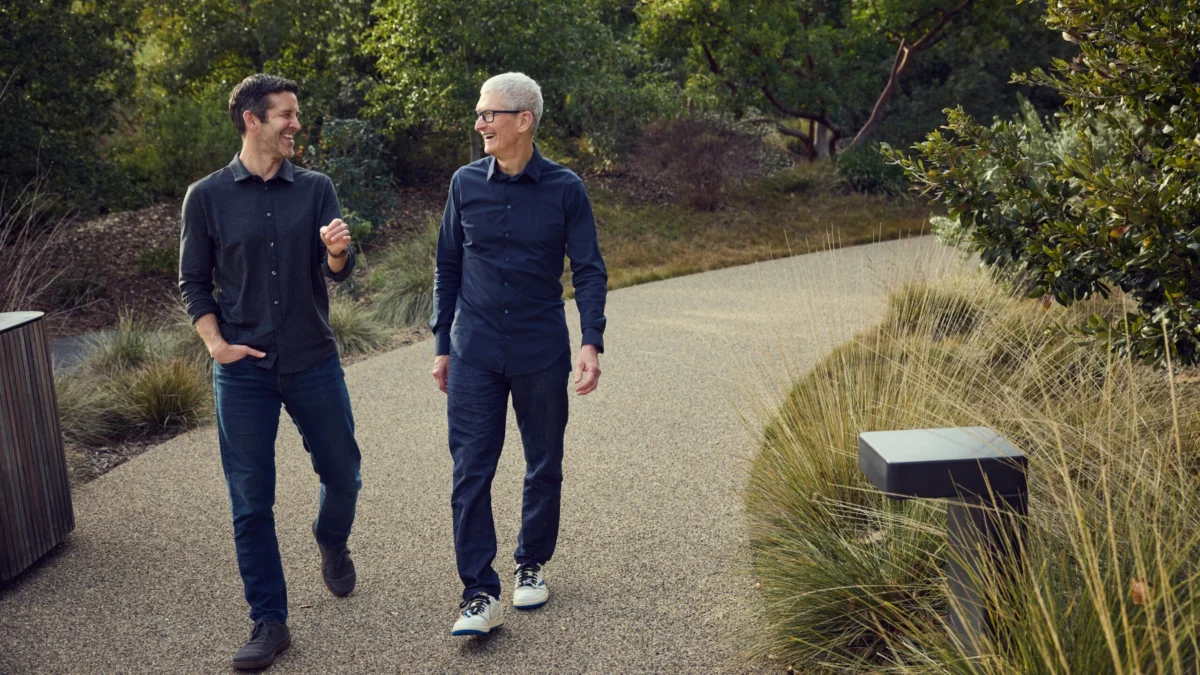
In a poignant display of corporate transition, Apple’s outgoing CEO, Tim Cook, presided over his nineteenth and final quarterly earnings call on Thursday. As the technology giant reported record-breaking figures for its fiscal Q3 2026, the atmosphere was one of celebration tempered by the realities of a shifting global market. With John Ternus poised to assume the mantle of leadership in early September, the company finds itself at a unique crossroads: navigating unprecedented product demand while simultaneously grappling with supply chain bottlenecks and the complexities of the burgeoning artificial intelligence sector.
The Financial Landscape: A Record-Breaking Quarter
Apple’s fiscal Q3 2026 results paint the picture of a company operating at the peak of its powers, yet facing systemic pressures that cannot be ignored. The company generated a staggering $109.4 billion in revenue, marking a 16% increase year-over-year. This surge resulted in a net quarterly profit of $29.8 billion.
Gross margins stood at 50.1%, a notable improvement over the 46.5% reported in the year-ago quarter, though CFO Kevan Parekh was quick to caveat that two percentage points of this gain were attributable to one-time tariff returns. When excluding these returns, the adjusted gross margin dipped from 49.3% in the March quarter to 48.1% in June. This decline is largely symptomatic of a volatile memory market, an issue that looms large over the company’s immediate financial trajectory.
A Chronology of the Transition
The narrative of this quarter is defined by the passing of the torch. Tim Cook, who has steered Apple through an era of immense growth and diversification, offered an emotional farewell to analysts and shareholders.
- June 2026: Apple closes its fiscal third quarter with record-setting revenue and a massive surge in hardware adoption.
- Late July 2026: Preparations for the leadership transition intensify as John Ternus is formally introduced as the successor.
- August 2026: The company faces the realization that its supply chain flexibility is insufficient to meet the unexpectedly high demand for the MacBook Neo and the latest iPhone iterations.
- September 1, 2026: John Ternus officially takes the helm as Apple’s new CEO, inheriting a company with immense momentum but significant logistical hurdles.
The "Mac Renaissance" and Hardware Dominance
Perhaps the most significant takeaway from the recent quarter is the explosive performance of the Mac line. Sales jumped by an astonishing 28.7%, a figure that surprised even the most bullish analysts. The "MacBook Neo" has captured the imagination of the market, serving as a powerful catalyst for growth.
Apple CFO Kevan Parekh highlighted that this success is not merely organic; it is a tactical displacement of competitors. In the education sector, roughly half of all large-scale Mac purchases in the United States were direct replacements for Windows and Chromebook hardware. Furthermore, enterprise adoption is accelerating, evidenced by Morgan Stanley’s massive deployment of 20,000 iPhones, signaling a broader shift toward corporate-managed Apple ecosystems.
However, this success has birthed a "good" problem: demand is currently outpacing supply. As Cook candidly admitted, this is not a traditional manufacturing failure but a "demand forecast issue." The company’s products are performing so well that the existing supply chain—which lacks the flexibility to scale rapidly—is struggling to keep pace, likely leading to constrained inventory in the coming months.
Memory Costs and the "100-Year Flood"
Supply chain challenges extend beyond mere volume. Tim Cook characterized the current DRAM and memory pricing environment as a "100-year flood." With only three primary suppliers dominating the global DRAM market, Apple’s leverage has been squeezed, forcing the company to raise retail prices on iPads and Macs to protect margins.
Parekh noted that memory cost fluctuations account for more than 100% of the sequential gross margin decline. Looking forward, Apple is actively exploring strategies to increase supply chain flexibility, including the potential for diversifying its supplier base to mitigate the risks of a consolidated memory market.
Services: Steady Growth, Emerging Headwinds
Services revenue surpassed $30 billion for the first time in a June quarter, a milestone driven by record-breaking performance in cloud and payment services. With the company’s paid subscription base now exceeding 1.5 billion, the foundation of Apple’s services ecosystem remains robust.
Yet, there are clouds on the horizon. Analysts noted a deceleration in the growth rate of services, attributed to currency exchange headwinds, global economic volatility, and a noticeable softening in the mobile gaming sector. Additionally, regulatory pressures—specifically changes to the App Store business model—have begun to exert a measurable, punitive impact on revenue.
To combat these headwinds, Apple is looking toward the "Apple as a Service" model. The recently announced partnership with Klarna is designed to facilitate product leasing, potentially accelerating replacement cycles and creating a more stable, predictable stream of recurring income for the company.
The AI Question: Ambition vs. Regulation
The introduction of "Siri AI" remains a focal point for investors, though its path to global ubiquity is fraught with regulatory hurdles. In the EU and China, the rollout has been delayed. However, reports suggest a potential breakthrough in China via partnerships with Alibaba and Baidu, which could unlock the massive regional market.
During the earnings call, analysts pressed for details on how Apple plans to monetize its AI investments. While Tim Cook expressed that the leadership team remains "off the charts excited" about the potential of Siri AI, he acknowledged that scaling such compute-heavy features will come at a cost. There is internal discussion regarding an "upgrade path" for heavy users via iCloud+, though specific pricing and service tiers remain in the development phase. John Ternus emphasized that while Apple is committed to its own unique approach to artificial intelligence, the company continues to see "enormous opportunity" in the sector.
Analyst Perspectives and Future Implications
Wall Street’s reaction to the quarter was mixed, reflecting the tension between record results and looming constraints. Morgan Stanley analyst Erik Woodring questioned whether Apple’s historical leverage over its supply chain is beginning to wane, given the inability to meet current demand.
Bank of America’s Wamsi Mohan echoed these concerns, noting that supply constraints are currently the primary "inhibitor" for the stock, as frustrated demand is pushed into future quarters. Meanwhile, analysts at Wells Fargo took a longer view, suggesting that the current logistical hurdles are minor compared to the momentum Apple is carrying into 2027.
Speculation also persists regarding pricing power. Jeff Pu of GF Securities noted that the upcoming 18 Pro series might carry a $300 price increase. Whether consumers will absorb this cost, or whether the new leasing deals will successfully mask the price hikes, remains a critical variable for the fiscal year ahead.
Conclusion: A New Era Begins
As Apple’s stock cooled by approximately 9% following the call, the message from the boardroom was clear: the company is undergoing a fundamental shift. Tim Cook leaves behind a legacy of financial dominance and product innovation, having successfully navigated the company through the post-PC era and the rise of the services economy.
For John Ternus, the challenge is clear. He inherits a business that is arguably more successful than ever, yet constrained by its own popularity and a complex global regulatory environment. As the "Tim Cook era" closes, the market will be watching closely to see how the next generation of Apple leadership addresses the supply chain inflexibility and the high-stakes gamble on artificial intelligence. The records have been set, but the next chapter—written by a new voice—will determine if this momentum can be sustained in an increasingly volatile global landscape.