By Space.com Staff
SpaceX has once again demonstrated the sheer operational efficiency of its launch program, successfully delivering another batch of Starlink internet satellites to low Earth orbit (LEO). This latest mission, launched from the historic Vandenberg Space Force Base in California, serves as a testament to the company’s unparalleled frequency of flight and its ongoing commitment to building out the world’s largest satellite broadband constellation.
As the global demand for high-speed, low-latency satellite internet continues to rise, SpaceX’s "megaconstellation" is rapidly approaching a level of saturation that was, until recently, considered science fiction. With this successful deployment, the company solidifies its position as the dominant player in the commercial aerospace sector, maintaining a launch cadence that far exceeds that of any national space agency or private competitor.
The Mission: A Precision Operation
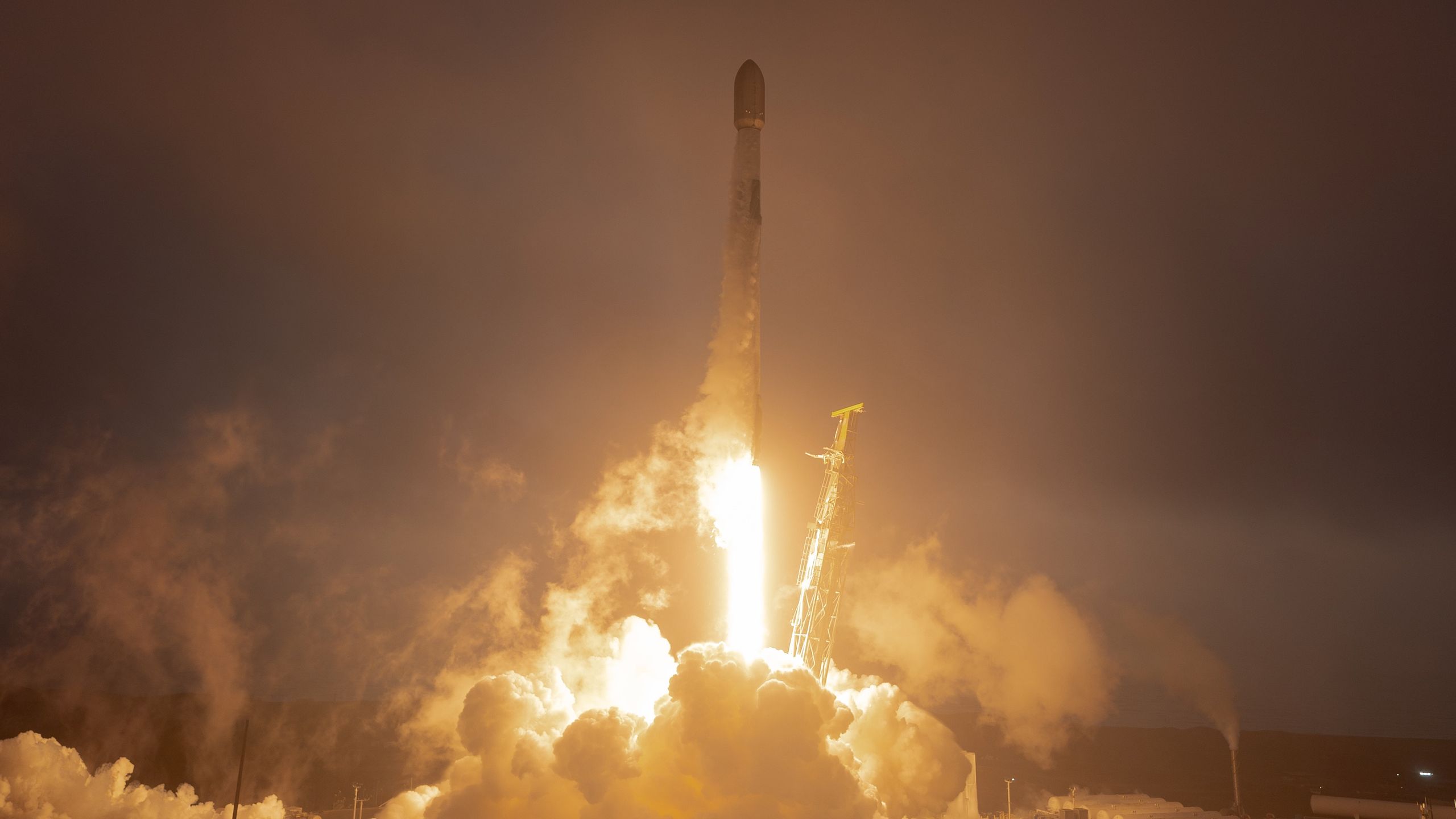
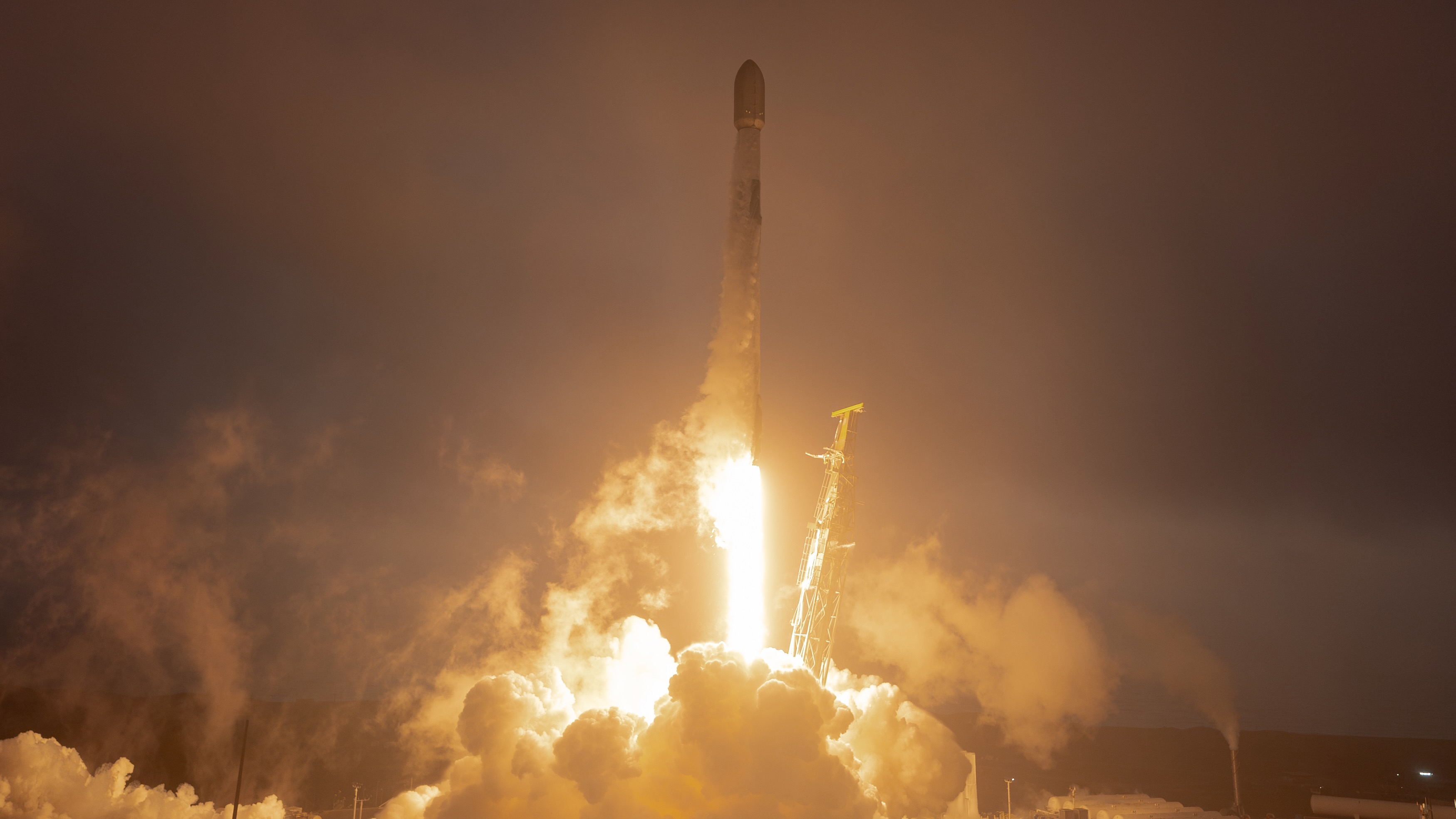
On Friday, July 31, 2026, at 11:08 p.m. EDT (8:08 p.m. local time), a Falcon 9 rocket roared to life, piercing the California night sky. The payload consisted of 24 next-generation Starlink satellites. The launch, conducted with the characteristic precision that has become synonymous with SpaceX operations, proceeded exactly as planned.
Roughly 8.5 minutes after liftoff, the Falcon 9’s first stage performed its signature return-to-Earth maneuver. The booster, designated B1081, executed a controlled descent, touching down with pinpoint accuracy on the deck of the SpaceX droneship, "Of Course I Still Love You," which was stationed in the Pacific Ocean.
This particular booster, B1081, has now successfully completed 26 missions—an achievement that underscores the viability of the company’s rapid reusability model. By refurbishing and reflashing these workhorse rockets, SpaceX has fundamentally altered the economics of spaceflight, slashing the cost of access to orbit and enabling a frequency of launch that would be prohibitively expensive under traditional expendable rocket paradigms.
Chronology of the Mission
The flight path of the Falcon 9 was meticulously orchestrated to ensure the satellites reached their intended orbital plane. The timeline of events proceeded as follows:
- T-minus 0:00: Liftoff from Vandenberg Space Force Base.
- T-plus 2:30: Main Engine Cut-Off (MECO) and stage separation.
- T-plus 2:40: Second stage ignition.
- T-plus 8:30: Successful landing of the first-stage booster (B1081) on the droneship in the Pacific.
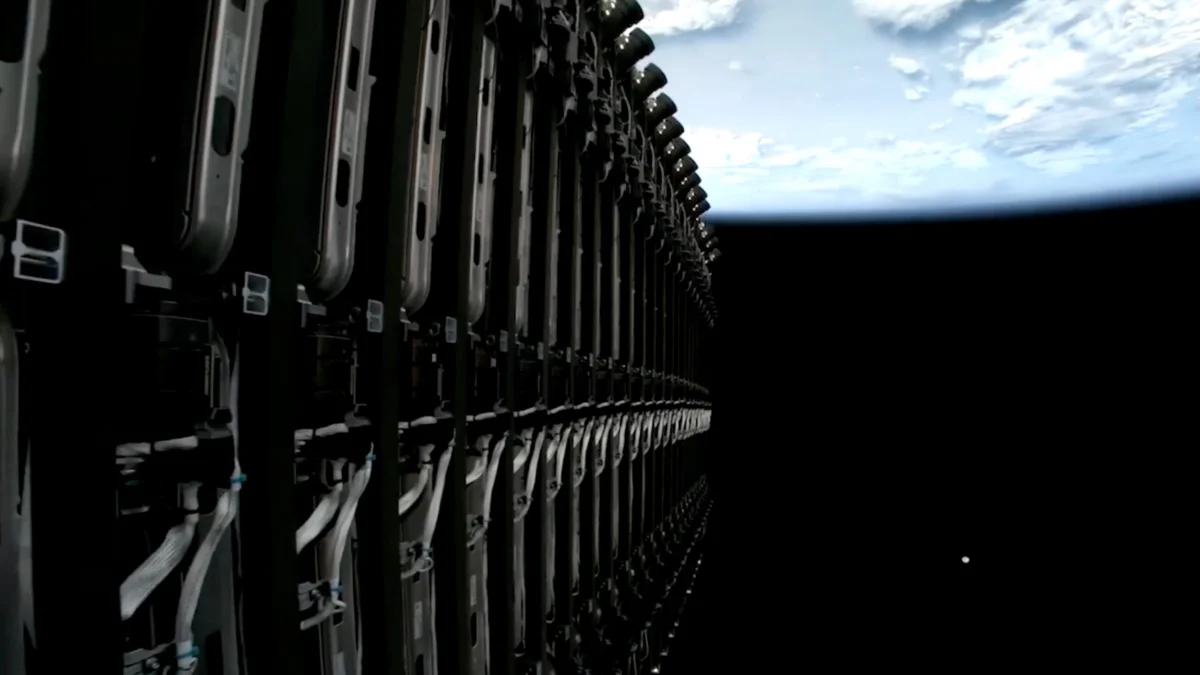
- T-plus 61:30: Deployment of the 24 Starlink satellites into low Earth orbit.
Following the confirmation of deployment via the company’s official communications channels on X (formerly Twitter), the satellites began their internal systems checks, unfurling their solar arrays and initiating the ion thruster burns required to raise their orbits to their final operational altitude.
The Scale of the Starlink Constellation
The addition of these 24 units brings the total number of Starlink satellites launched to date to over 10,800. This massive network now provides consistent, high-speed internet coverage to millions of users globally, including those in the most remote and underserved regions of the planet.
To put this in perspective, the Starlink constellation is significantly larger than any other satellite network in history. While critics and astronomers have raised valid concerns regarding the potential impact of such a high density of spacecraft on ground-based telescopic observations and the management of orbital debris, SpaceX continues to iterate on its satellite design. Newer generations of Starlink hardware are being engineered to be less reflective, and the company has implemented automated collision-avoidance systems to minimize the risk of orbital incidents.
A Year of Unprecedented Activity
The July 31 launch is far from an isolated event. It is a single data point in an exceptionally busy 2026 for Elon Musk’s aerospace firm. As of the end of July, SpaceX has conducted 89 Falcon 9 missions this calendar year alone. Of those 89 flights, a staggering 69 were dedicated exclusively to Starlink deployments, demonstrating the company’s laser focus on scaling its satellite internet business.
Beyond the workhorse Falcon 9, the company’s broader mission profile remains diverse and ambitious:
- Falcon Heavy: The company successfully executed a mission using the Falcon Heavy, the most powerful operational launch vehicle in the world, capable of lifting massive payloads into high-energy orbits.
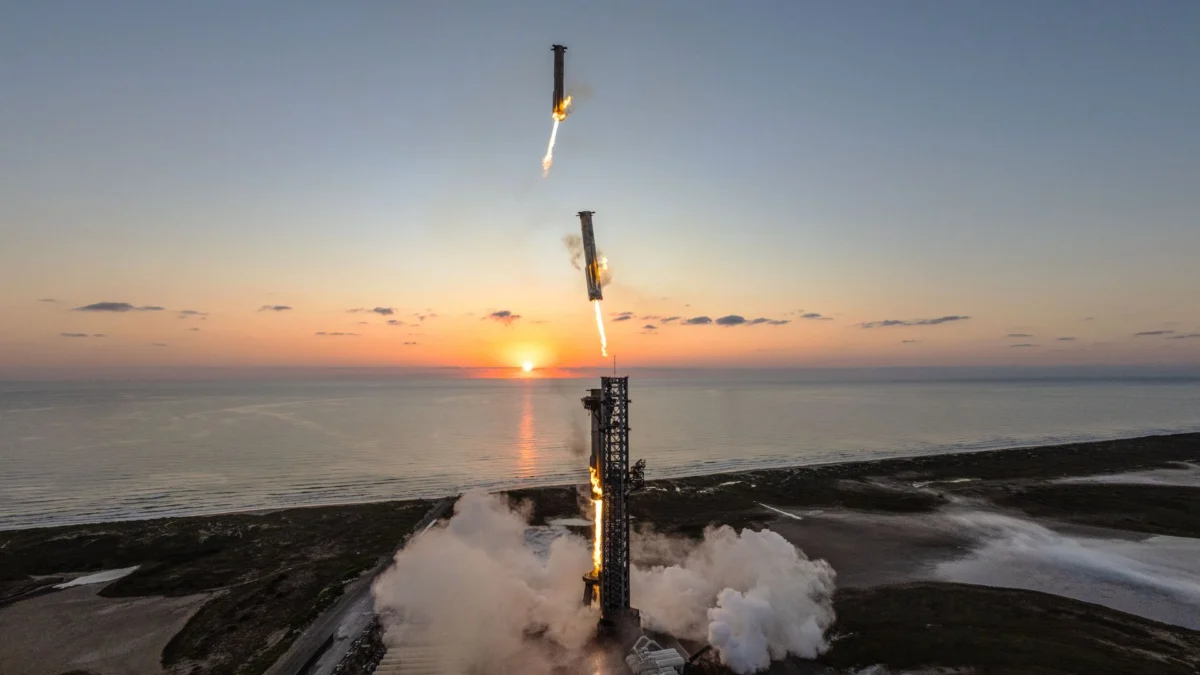
- Starship Development: SpaceX has pushed forward with the Starship program, the fully reusable megarocket designed to be the backbone of future lunar and Martian exploration. With two successful test flights already logged in 2026, the company is rapidly approaching the threshold of full operational capability for the massive vehicle.
Implications for the Aerospace Industry
The implications of SpaceX’s current flight tempo are profound. First, the industry has shifted from a "launch-constrained" environment to a "payload-driven" environment. Because SpaceX has lowered the cost of reaching orbit so drastically, organizations—from universities to sovereign nations—can now afford to send their own research and telecommunications infrastructure into space.
Second, the success of the Starlink constellation has forced a global conversation about the governance of the commons in low Earth orbit. With more than 10,000 satellites in constant motion, the traditional methods of space traffic management are becoming obsolete. The industry is currently racing to develop AI-driven tracking and management systems to prevent the Kessler Syndrome—a catastrophic cascade of orbital collisions.
Finally, SpaceX’s dominance has forced a competitive response from other major players. Companies like Amazon, with its Project Kuiper, and various national space agencies in Europe, China, and India are all accelerating their own satellite constellation projects. This has ushered in a new "Space Race," one defined not by the landing of humans on celestial bodies, but by the commercialization and digital transformation of the Earth’s orbital environment.
Looking Ahead: The Future of SpaceX
As SpaceX moves into the second half of 2026, the company’s trajectory shows no signs of slowing down. With Starship entering more frequent flight testing, the focus will soon shift toward refueling in orbit and deep-space logistics.
The success of missions like the one on July 31 is the "bread and butter" that funds these more ambitious, long-term goals. By turning the Falcon 9 into an automated, mass-production, and rapidly reusable transport system, SpaceX has created a self-sustaining financial engine that powers the development of the next generation of human spaceflight.
For the average consumer, Starlink is a utility—a way to get high-speed internet in the middle of a forest or on a remote ship. But for the aerospace industry, each launch of 24 satellites is a symbolic brick in a larger structure: a foundation for a future where humanity is no longer bound to a single planet. As SpaceX continues to launch with unmatched consistency, that future seems increasingly within reach.