
By Agam Shah
July 31, 2026
As the global geopolitical landscape remains fractured by regional conflicts and shifting economic alliances, the United Arab Emirates (UAE) is quietly executing a master plan: transforming the desert nation into the world’s "neutral AI corridor." While Western capitals grapple with regulatory gridlock and local pushback against the massive infrastructure demands of artificial intelligence, Dubai and Abu Dhabi are aggressively doubling down, betting that they can serve as the essential bridge between the East and the West.
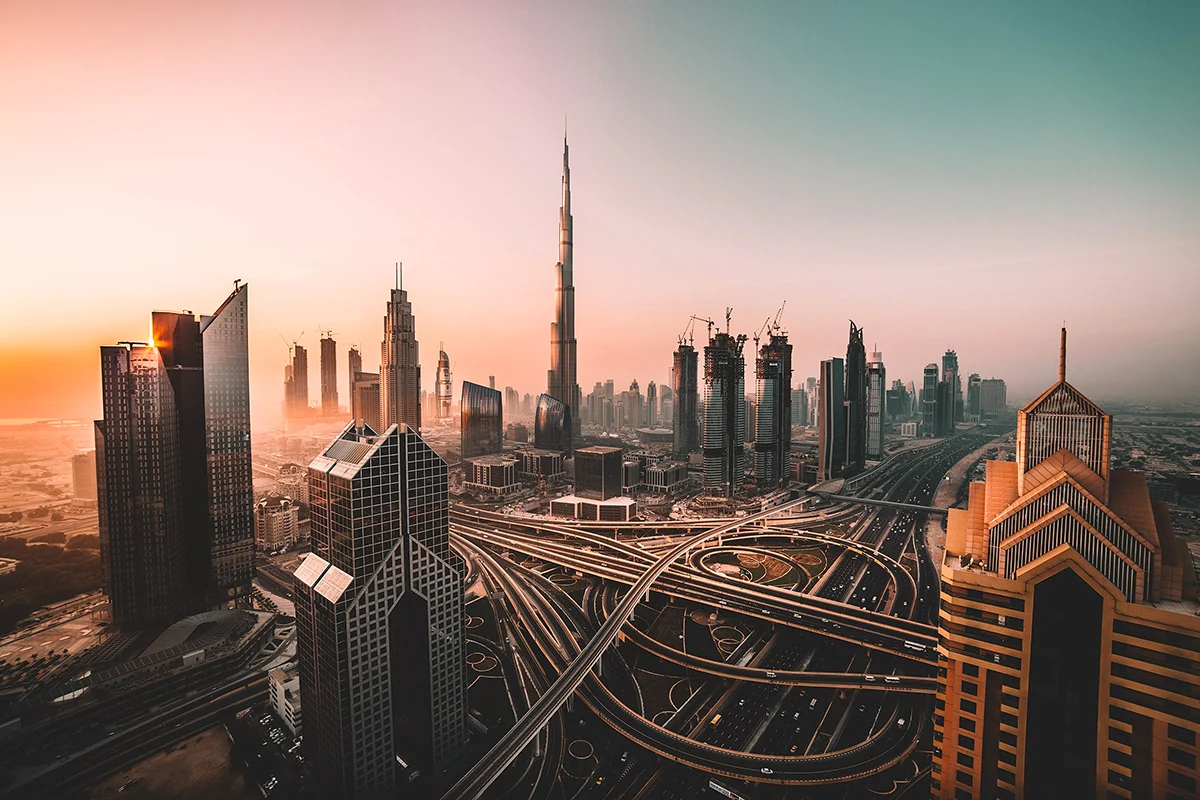
Despite the shadow of ongoing regional instability, the atmosphere on the ground in Dubai remains one of calculated, relentless progress. For those navigating the city’s shimmering glass-and-steel skyline, it is easy to forget that conflict persists in neighboring territories. The city remains a bastion of normalcy, where the most pressing public concern remains the seasonal 106-degree heat, rather than the geopolitical tremors felt elsewhere.
Main Facts: The Vision of a Global Tech Hub
The UAE is moving to position itself as a "Switzerland for AI." This is not merely an aspirational slogan but a deliberate economic policy designed to leverage the country’s unique geographic position as a nexus for commerce between Asia, Africa, and Europe.
The strategy is twofold: creating a frictionless environment for foreign capital and talent, and building the physical infrastructure necessary to power the next generation of generative AI. By offering a business-friendly, tax-free environment, the UAE is effectively "brain-draining" high-skilled labor from jurisdictions currently burdened by heavy tax regimes and restrictive immigration policies.
Chronology: A Rapid Ascent
The UAE’s tech trajectory has been marked by a series of strategic maneuvers over the last 24 months:
- Early 2025: The concept of the "neutral AI corridor" gains traction, with regional experts like Mahmood Abdulla emphasizing the UAE’s role as a bridge between competing AI superpowers.
- February 2026: The onset of the Iran-UAE regional conflict leads to a temporary exodus of foreign tech talent from Dubai’s Internet City. Major multinationals like Microsoft, Oracle, and IBM see their local offices quiet down as employees retreat to safety.
- Spring 2026: Real estate prices in Dubai dip, creating a "buy-the-dip" opportunity for institutional and private investors who gamble that the UAE’s growth trajectory is resilient enough to withstand regional warfare.
- Summer 2026: The U.S. government, recognizing the UAE’s critical role in the global chip and AI supply chain, dispatches intelligence officials to vet top local AI firms. This signals a thawing of tensions and a tacit agreement to allow technology transfers, provided they meet strict oversight criteria.
- Present Day: The UAE accelerates the construction of "Stargate UAE," a massive data center project, while preparing for the imminent launch of commercial robotic air taxis.
Supporting Data: Infrastructure and Energy Economics
The primary hurdle for AI development in the West is power—specifically, the insatiable energy requirements of hyperscale data centers. In the United States, states like New York have implemented de facto moratoriums on new data center builds due to environmental and power-grid concerns.
The UAE, by contrast, has opted for an "energy-for-AI" exchange model. Abu Dhabi, sitting on a staggering 100 billion barrels of proven oil reserves, is pivoting its energy strategy. The government is directing its massive fossil-fuel energy resources to power the next generation of AI supercomputers.
This is not just about keeping the lights on; it is about creating a new asset class. The UAE aims to generate "AI tokens"—a proprietary metric for compute resources—which can be sold as a global commodity. In a world of volatile oil markets and the rising cost of renewables, this pivot offers a more stable, long-term revenue stream for the emirate. By turning oil into compute power, the UAE is essentially hedging its economic future against the global decline of traditional fuel consumption.
Official Responses and Strategic Alliances
The geopolitical maneuvering behind this growth is intense. The U.S. outreach—specifically the CIA-led vetting of UAE AI firms—represents a high-stakes balancing act. The United States is keen to keep the UAE within its technological orbit, ensuring that the country’s vast AI infrastructure does not become a conduit for restricted technologies to reach geopolitical rivals.
For the UAE, this is a winning scenario. By acting as a secure partner for U.S. firms like OpenAI and Oracle, while maintaining its open-door policy for global talent, the UAE is securing its status as an indispensable node in the global digital economy. As one founder remarked during our visit, "If the U.S. doesn’t want its most skilled immigrants, the UAE will be happy to welcome them with open arms."
The Entrepreneurial Spirit: A Different Approach to AI
While Western tech culture is currently obsessed with "AI-washing"—the practice of attaching the "AI" label to every product to drive venture capital interest—the approach in Dubai is markedly more practical.
Local startups are de-emphasizing the "superintelligence" rhetoric, choosing instead to focus on user experience and seamless integration into daily life. This reflects the influence of the Chinese model, where AI is already deeply embedded in factory floors, urban infrastructure, and home automation.
Dubai’s infrastructure projects also reflect this pragmatic innovation:
- Robotic Air Taxis: The city is on track to launch autonomous, passenger-carrying aerial vehicles later this year, potentially outpacing New York City’s stalled electric vertical takeoff and landing (eVTOL) efforts.
- Autonomous Transit: While ground-based autonomous taxis are currently limited to tourist-heavy zones, the rollout is consistent and backed by strong government policy.
- Digital Nomad Integration: The government has formalized a path for freelancers and remote workers to reside in the UAE. Despite the high cost of specialized visas, the lower cost of living and healthcare makes the UAE a premier destination for displaced tech workers.
Implications: The Challenge of Sustainability
Despite the aggressive growth, the UAE faces significant systemic hurdles that could temper its ambitions.
The Regional Rivalry: Saudi Arabia’s "Vision 2030" is a direct challenge to Dubai’s regional dominance. Riyadh’s policy—which forces multinational corporations to establish regional headquarters in Saudi Arabia to secure government contracts—is a potent weapon that threatens to fragment the Gulf’s tech market.
The Human Capital Trap: The UAE’s reliance on an immigrant workforce is both its greatest strength and its most significant vulnerability. Because there is currently no clear pathway to long-term residency or retirement for these workers, the labor market remains transient. This creates a "revolving door" effect: entrepreneurs and engineers come to build, but they rarely stay to plant roots. Without a mechanism to retain the institutional knowledge of its workforce, the UAE risks losing its competitive edge to more permanent, albeit less tax-friendly, Western hubs.
Geopolitical Resilience: The ultimate test remains the stability of the region. While the real estate market is currently booming with opportunistic buyers betting on peace, the ongoing conflict with Iran remains a volatile variable. Should the conflict widen, the "neutral corridor" could quickly be viewed as a high-risk zone, causing the very capital flight that the current investment cycle is trying to prevent.
Conclusion
The UAE is attempting something historically difficult: creating a global technology powerhouse in a region plagued by instability, using the proceeds of the old economy (oil) to finance the infrastructure of the new one (AI).
Whether or not this "neutral corridor" succeeds depends on more than just capital or infrastructure; it depends on whether the UAE can evolve from a temporary staging ground for global capital into a sustainable, long-term home for the human intellect that drives it. For now, the desert heat is no deterrent; the emirates are working overtime to ensure that when the future of AI arrives, it will be powered by the sun, the sand, and the strategic foresight of the Gulf.