In an era where the silver screen is increasingly dominated by intellectual property revivals and nostalgic franchise building, the "toy-to-screen" pipeline has become one of Hollywood’s most lucrative growth engines. From the massive, record-breaking success of Greta Gerwig’s Barbie to the long-standing cinematic footprint of Paramount’s Transformers and the sprawling, space-faring lore of Masters of the Universe, major studios are actively mining the toy boxes of the 20th century to find the next billion-dollar blockbuster.
Yet, amidst this scramble for recognizable IP, one legendary name from the golden age of the Space Race remains inexplicably dormant: Major Matt Mason. As the iconic bendable astronaut celebrates his 60th anniversary this year, the cultural appetite for high-concept, retro-futuristic sci-fi is higher than ever. With NASA’s Artemis program looking toward a permanent lunar foothold, the timing for a cinematic revival of the man who first taught a generation to dream of the stars has never been more auspicious.
The Genesis of an Icon: A Product of the Space Race
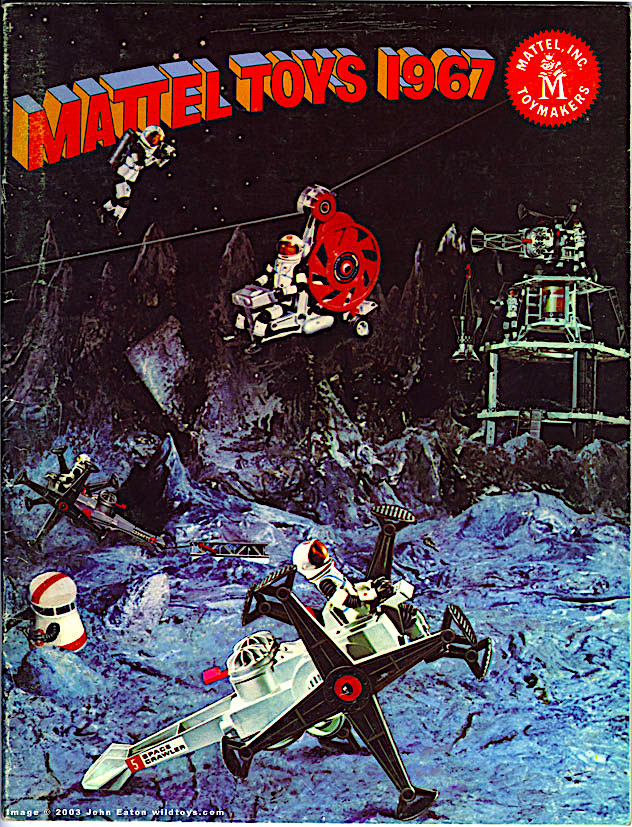
Major Matt Mason was not merely a toy; he was a cultural reflection of a nation looking skyward. Introduced by Mattel in 1966, the line debuted at a time when the United States was locked in an intense geopolitical struggle for dominance in space. The Gemini program was pushing the boundaries of human endurance, and the Apollo program was promising that man would walk on the moon before the decade was out.
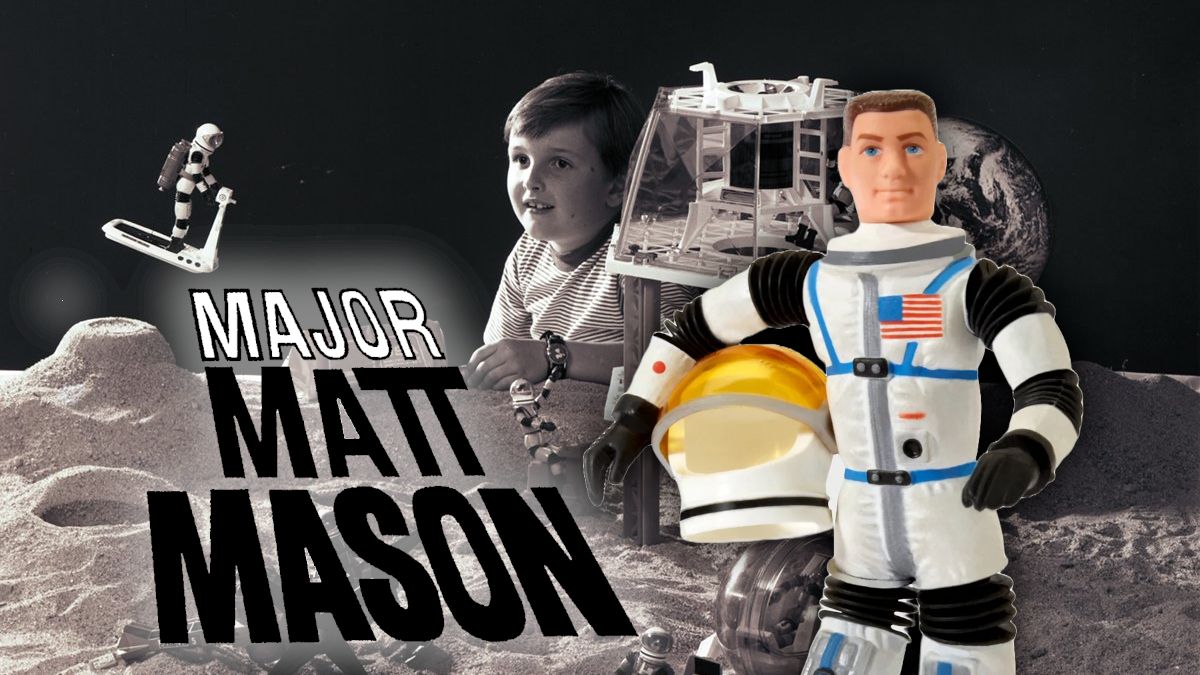
Unlike the hyper-aggressive soldier figures of the era, such as Hasbro’s 12-inch G.I. Joe, Matt Mason offered a different brand of heroism. He was an explorer, a scientist, and an engineer. He was the embodiment of the "can-do" spirit that characterized the NASA workforce of the 1960s. For children of the mid-60s, the toy wasn’t just a piece of plastisol; it was a portal to the future.
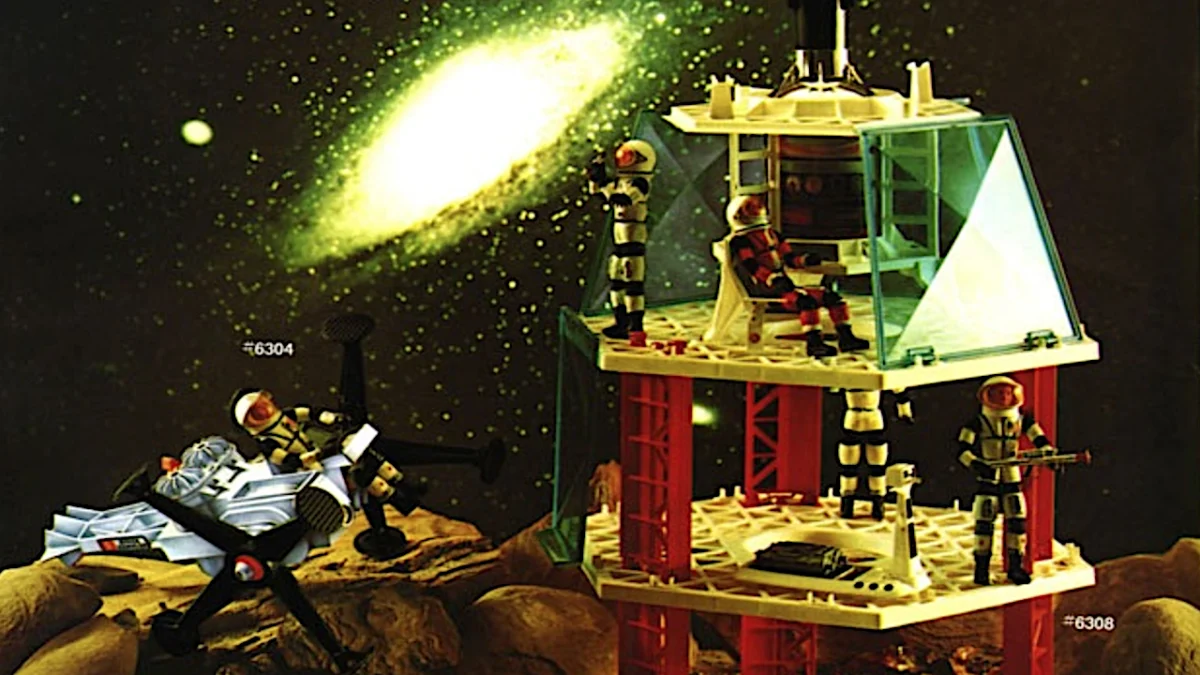
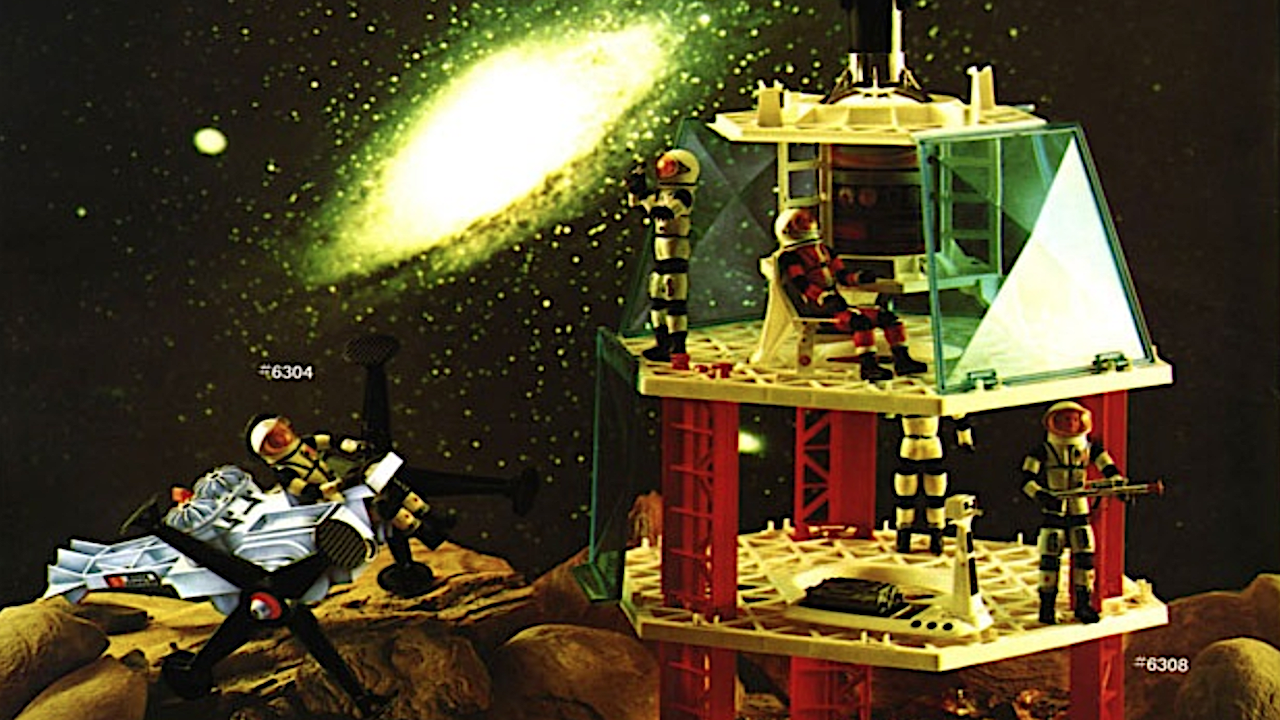
The line’s design philosophy was remarkably grounded. Mattel’s design team, which included former aerospace engineers, ensured that the figures and their accompanying hardware—lunar crawlers, space stations, and jet propulsion packs—mirrored the conceptual art appearing in journals like Popular Mechanics and National Geographic. This commitment to "authentic fiction" gave the line a gravitas that its competitors lacked, cementing its place in the pantheon of mid-century pop culture.
A Chronology of a Cosmic Brand
- 1966: Major Matt Mason makes his debut in toy stores across America, quickly becoming a fixture in holiday catalogs and a staple for young space enthusiasts.
- 1967–1968: The line expands significantly. Mattel introduces an array of support characters, including Sergeant Storm and Doug Davis, alongside iconic "allies from the stars," such as the purple-and-pink Scorpio and the green-skinned Jovian alien, Callisto.
- 1969: The Apollo 11 moon landing is achieved. Ironically, this monumental human success signals the beginning of the end for the line. With the "space race" goal met, public fascination with the specific hardware depicted in the toys begins to wane.
- 1970: Major Matt Mason is discontinued, ending a four-year run that captured the imagination of a generation.
- 2019: Variety reports that Tom Hanks is attached to star in a live-action adaptation of Major Matt Mason at Paramount, with acclaimed writer Akiva Goldsman tapped to pen the script.
- 2024–2025: As the 60th anniversary arrives, the project remains in "development hell," leaving fans to wonder if the mission will ever truly launch.
The "Tom Hanks" Factor and the Stalled Launch
The 2019 announcement that Tom Hanks was set to star as the titular astronaut sent ripples of excitement through the enthusiast community. Hanks, a vocal proponent of space exploration who famously portrayed Jim Lovell in Apollo 13 and co-produced the seminal HBO miniseries From the Earth to the Moon, seemed the perfect choice to anchor a project that required both sincerity and a deep respect for NASA history.
Teaming up with Akiva Goldsman—a writer known for A Beautiful Mind and his work on high-stakes sci-fi—suggested that the film was intended to be more than a simple toy commercial. It was positioned as a prestige picture, an exploration of human ambition and the loneliness of the lunar frontier. However, despite the pedigree of the talent involved, the film has faced significant hurdles. Industry shifts, creative pivots, and the inherent difficulty of adapting a property that lacks a central narrative arc have kept the project sidelined.
Why Now? The Artemis Connection
The most compelling argument for the revival of Major Matt Mason lies in the real-world resurgence of lunar exploration. With the Artemis program, NASA is not just visiting the moon; they are planning for a long-term presence. The upcoming Artemis 3 mission, scheduled for 2027, and the subsequent Artemis 4 mission in 2028, are poised to reignite the same public fervor that fueled the Apollo era.
A film or television series centered on Major Matt Mason would be perfectly positioned to capitalize on this renewed interest. Where the 1960s toys were based on "futuristic" dreams, a modern adaptation could be based on current, cutting-edge space technology. The narrative possibilities are vast: one could envision a story that honors the retro-aesthetic of the 60s while grounding the plot in the tangible, high-stakes engineering of the 21st-century lunar base.
Implications for Mattel’s Cinematic Universe
Mattel’s current strategy is clear: transform its massive library of legacy brands into a cohesive cinematic powerhouse. The success of Barbie proved that audiences are hungry for stories that acknowledge the history of these brands while subverting or expanding upon their original contexts.
However, there is a danger in the "everything-to-screen" approach. Projects like the rumored Matchbox movie risk feeling like desperate attempts to turn every household item into a film. Major Matt Mason is different. It possesses a soul. It carries the weight of a generation that truly believed we would be living on the moon by the year 2000. It is a story about the intersection of human curiosity and the harsh, unforgiving vacuum of space.
If Mattel and Paramount were to move forward, they would be tapping into a well of genuine nostalgia that is distinct from the superhero or action-figure trends of today. It is a brand that represents a time of optimism, technological wonder, and the belief that the sky—or rather, the moon—was not the limit, but the starting point.
Conclusion: A Mission Worth Resuming
As we look back on 60 years of Major Matt Mason, we aren’t just celebrating a toy. We are celebrating a legacy of inspiration. The "bendable astronaut" taught children that they were capable of exploring the unknown, that the dangers of space were worth the reward of discovery, and that even in the middle of a global conflict, there was a dream worth chasing that united us all.
Hollywood often complains about a lack of original ideas, yet here sits an idea that is both original in its execution and deeply rooted in our collective memory. The script is there, the star power has been present, and the cultural backdrop is more aligned than it has been in decades. It is time for the industry to stop looking at Major Matt Mason as a relic of a bygone era and start seeing it for what it truly is: a launchpad for the next great cinematic journey into the unknown.
Whether it takes the form of a high-budget feature film or an atmospheric, character-driven streaming series, the story of Major Matt Mason is one that deserves to be told. The countdown has been on for 60 years; it is time to stop the clock and start the engines.