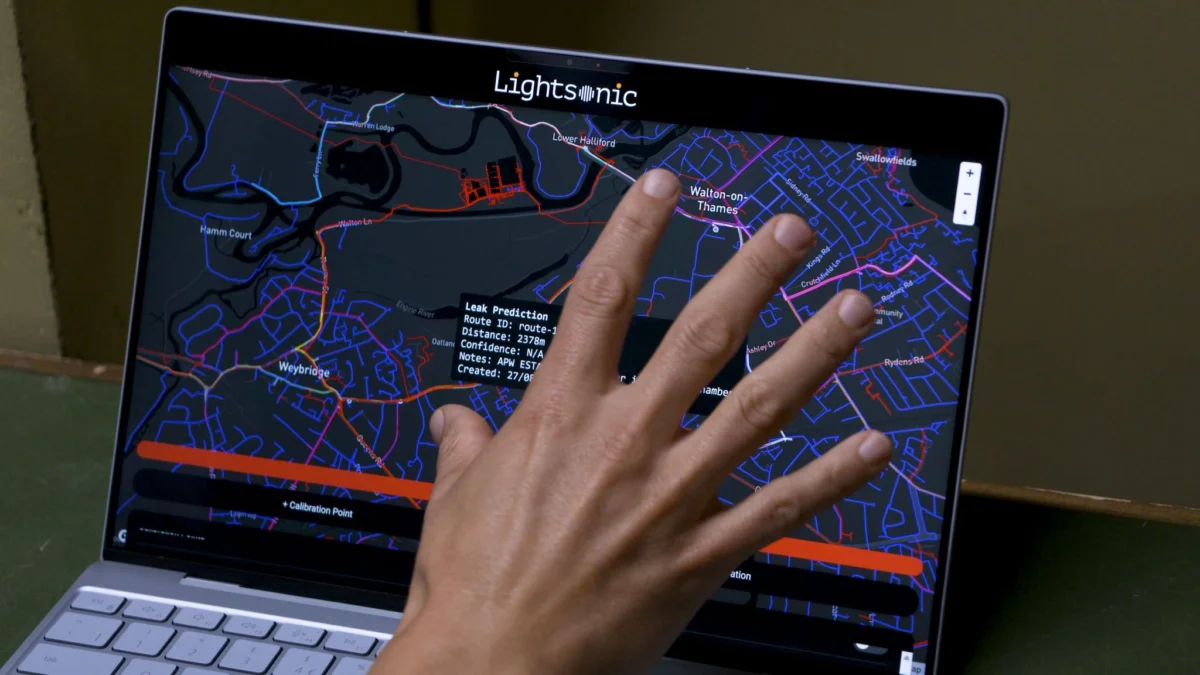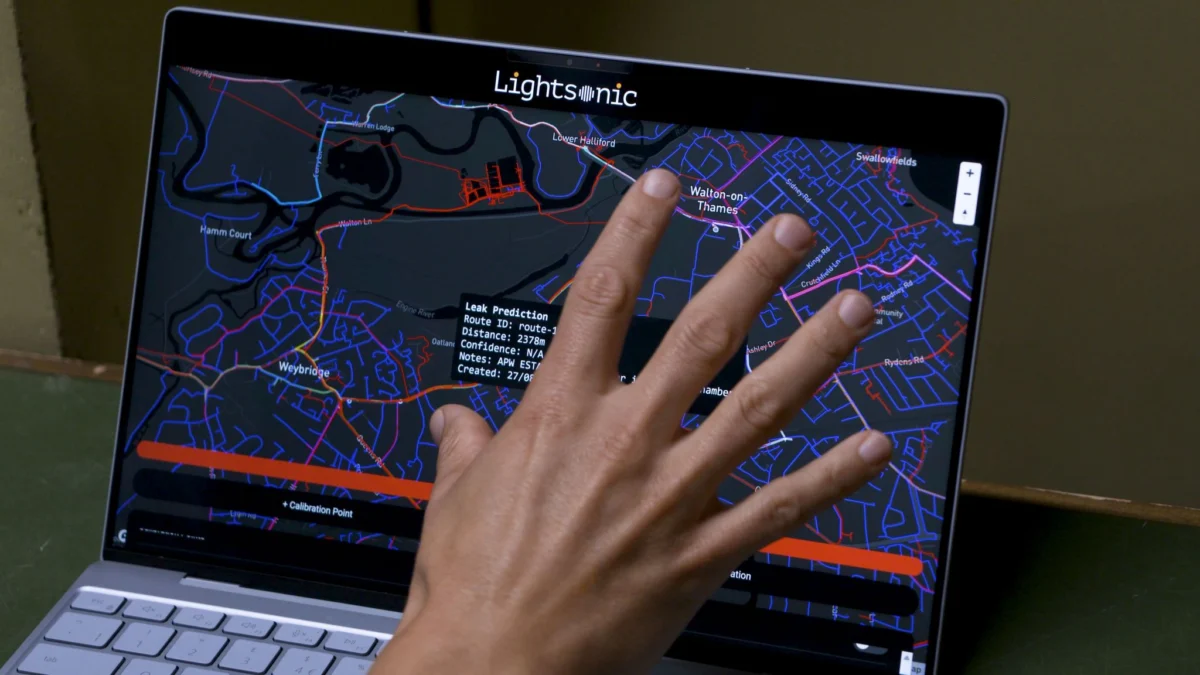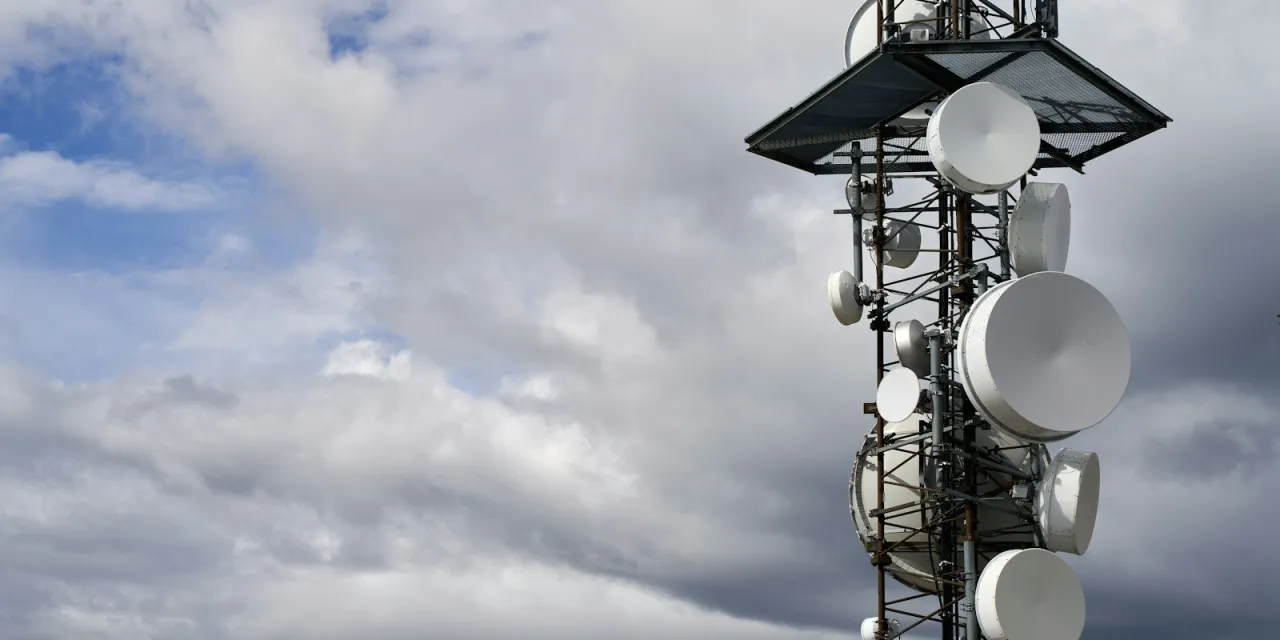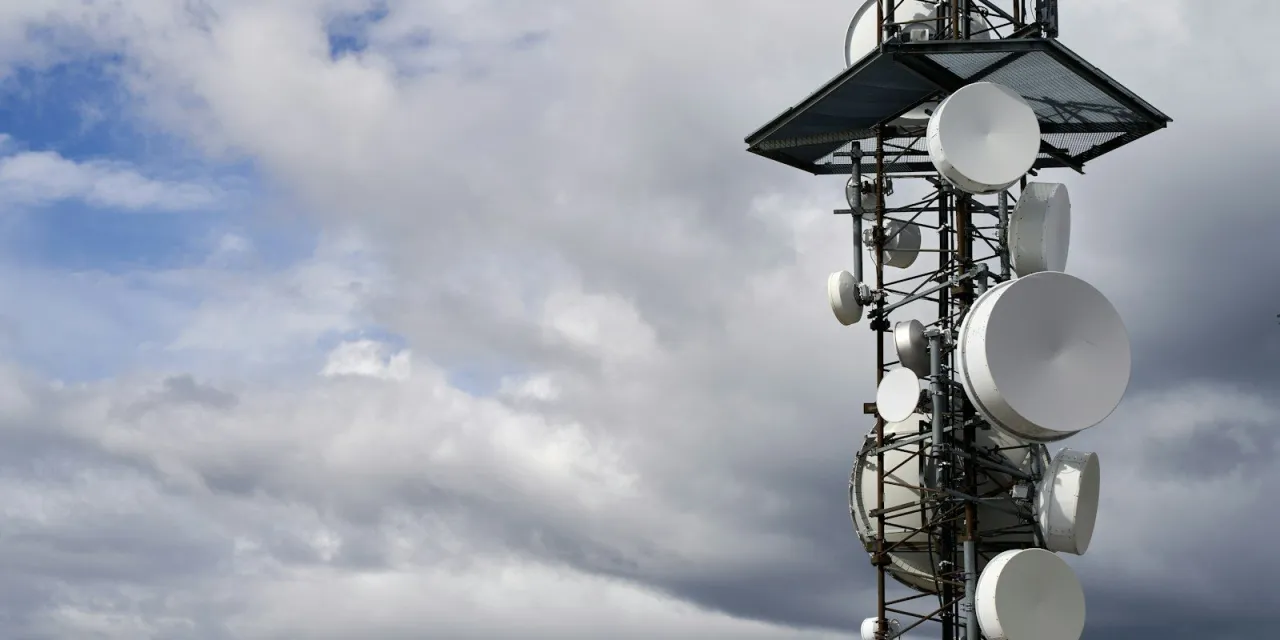
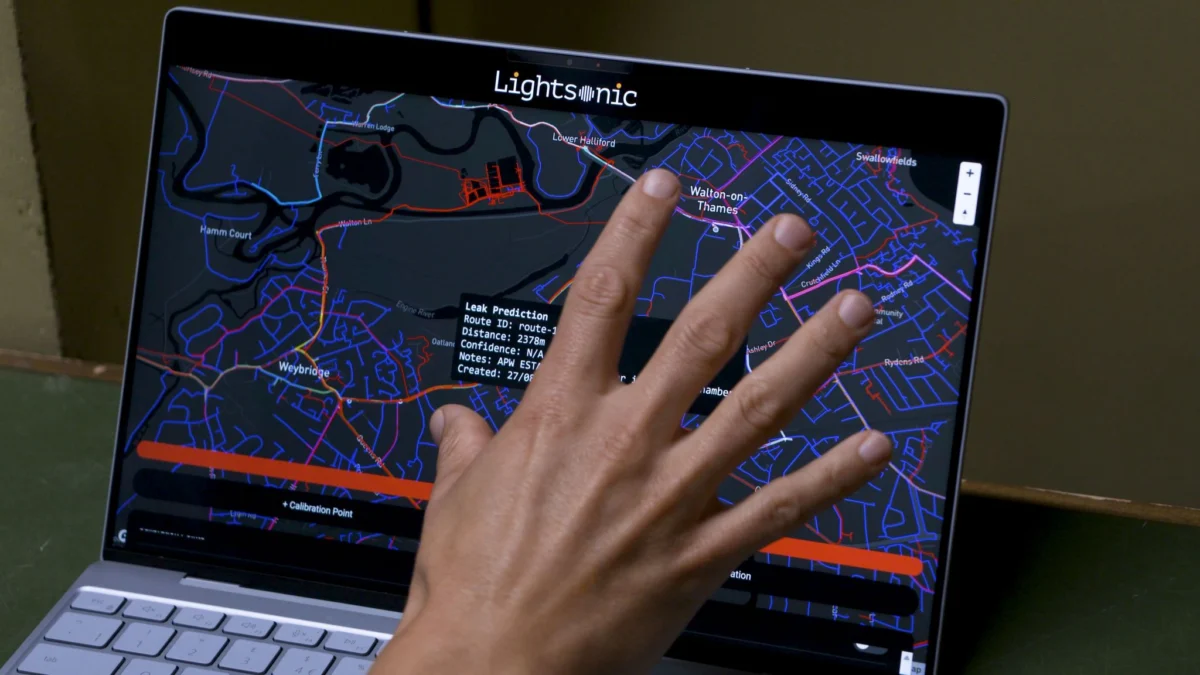
In a landmark development for UK utility management, Southern Water has announced a strategic partnership with sensing technology firm Lightsonic. This collaboration aims to tackle one of the most persistent infrastructure crises in the United Kingdom: the systemic loss of treated drinking water through a crumbling, subterranean network of pipes. By repurposing the nation’s extensive Openreach fibre optic infrastructure as a high-tech "acoustic ear," the partnership promises to pinpoint leaks with unprecedented accuracy, potentially saving millions of litres of water daily.
The Magnitude of the Crisis
The UK’s water infrastructure is currently facing a "perfect storm" of challenges. Decades of underinvestment, compounded by an ageing Victorian-era pipe network, have left the country bleeding resources. Current estimates indicate that roughly 2.6 billion litres of water are lost to leaks every single day. This is not merely a financial loss for utility providers; it is a profound environmental and social concern.
As the UK grapples with record-breaking summer temperatures, shifting climate patterns, and a rising population, the demand for water has reached a critical zenith. With hosepipe bans becoming an increasingly common reality for residents and plans for vital new reservoir projects suffering significant delays—some by as much as five years—the nation’s water security is arguably at its most precarious point in modern history.
Against this backdrop, the ability to rapidly detect and repair leaks is no longer just an operational goal for utility companies; it is a national imperative.
Chronology of Innovation: From Pilot to Partnership
The path to this partnership has been marked by rigorous testing and successful proof-of-concept trials. The journey began in earnest in March of this year, when Openreach and Lightsonic, working in collaboration with Affinity Water, launched initial trials to determine whether fibre optic cables could serve a dual purpose: providing high-speed broadband and acting as a sensory grid.
The results of those early trials were definitive. The technology proved capable of detecting minute vibrations caused by escaping water, effectively "listening" to the ground through the existing fibre network. Following the success of these trials, the current agreement with Southern Water represents a significant scaling of the technology. Having already demonstrated the ability to save over 4 million litres of water per day across 650 kilometres of the UK’s existing water network, the technology is now moving from the experimental phase to a wide-scale deployment strategy.
The Mechanics of Sensing: How Fibre Becomes a Sensor
The Lightsonic solution represents a masterclass in infrastructure repurposing. The fundamental principle relies on the physical proximity of telecommunications networks to utility pipelines. Because fibre optic cables often run parallel to subterranean water mains, they are perfectly positioned to act as sensors.
The process functions through acoustic sensing units attached to the fibre network. When a pipe develops a leak, the high-pressure release of water generates specific acoustic signatures and vibrations. These vibrations travel through the surrounding soil and strike the nearby fibre optic cable. This impact creates a tiny, yet measurable, distortion in the optical signal passing through the glass strands of the fibre.
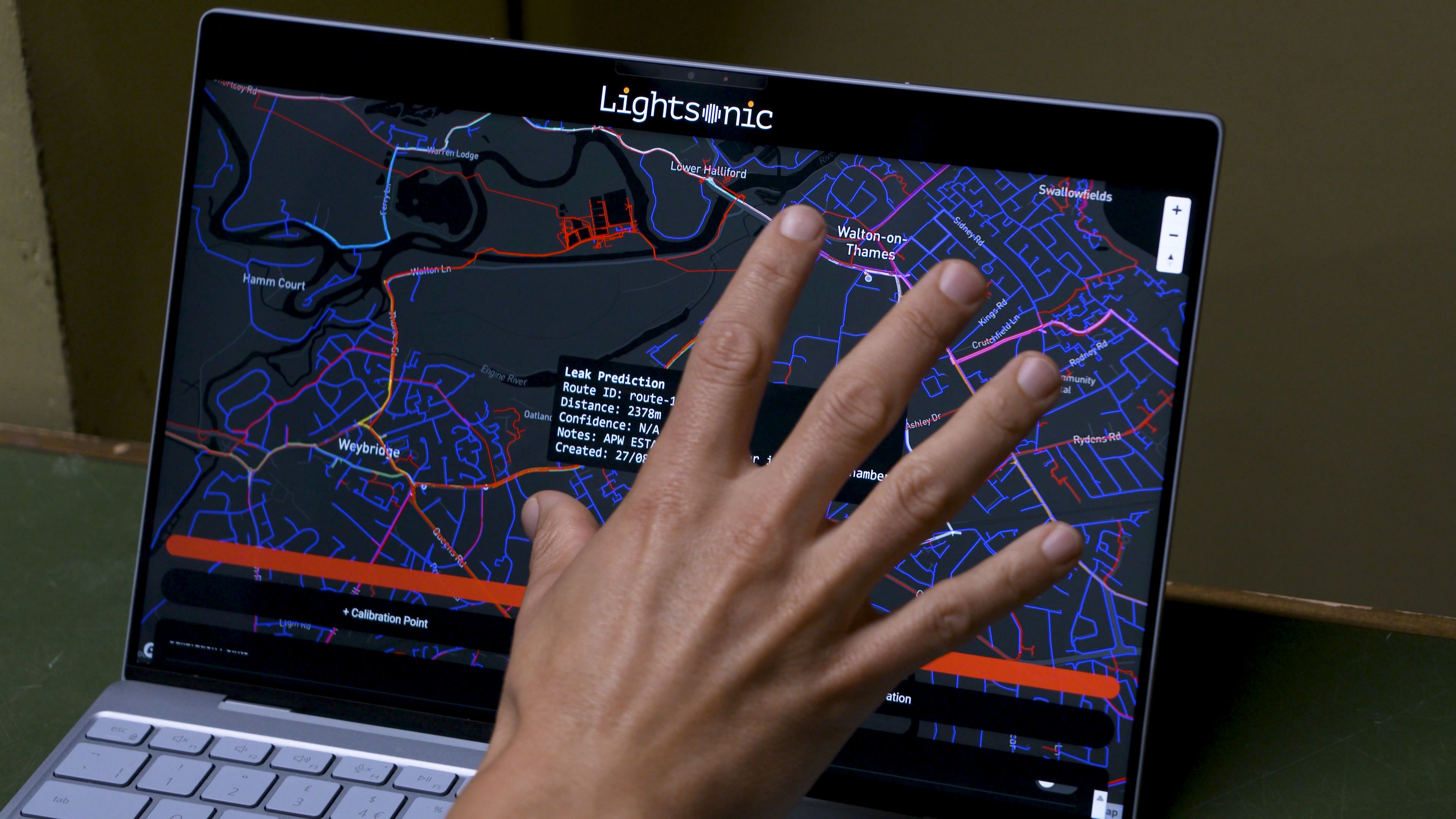
Lightsonic’s proprietary software processes these subtle changes in the light signal, allowing operators to pinpoint the location of a leak with high precision. By mapping these acoustic anomalies, the system allows water companies to move from a "reactive" maintenance model—where leaks are only fixed once they reach the surface and cause flooding—to a "proactive" model, where repairs are prioritized based on the severity and location of the hidden breach.
According to Lightsonic’s internal metrics, this technology is capable of detecting approximately 1.2 million litres of water leakage per day for every 100 kilometres of network covered annually.
Official Perspectives: Aligning Tech and Utility
The partnership has garnered significant praise from both the technology and utility sectors, with leadership emphasizing the synergy between connectivity and resource management.
Tommy Langnes, CEO of Lightsonic, highlighted the convergence of multiple crises in his assessment of the partnership: "Ageing infrastructure, leaking networks and mounting climate pressure are converging, causing major water stress. By utilising existing fibre optic infrastructure, we have a solution that can be quickly and effectively scaled across the UK to help utility companies get a handle on leaks, secure supply and generate savings that can be reinvested to upgrade our aging network."
For Openreach, the project represents a strategic shift in how they view their network assets. Trevor Linney, Director of Network Technology at Openreach, noted that the deployment confirms the potential for fibre to serve the broader public interest.
"The results of our existing pilots with Lightsonic show that our new full fibre infrastructure can deliver value far beyond broadband—and could prove to be a real game changer in solving real-world challenges like water conservation," Linney stated. "Combining Lightsonic’s technology with the reach of Openreach’s Full Fibre network makes continuous utility monitoring genuinely scalable, without the cost and disruption of building a separate sensor network."
Economic and Environmental Implications
The implications of this technology extend far beyond the immediate conservation of water.
1. Cost Efficiency
Traditional leak detection often requires massive excavation efforts to locate a breach, leading to significant disruption of road networks and high operational costs. By utilizing existing fibre, water companies can bypass the need to dig up roads to "search" for a leak. The cost savings generated by this efficiency can be redirected into the long-term capital investment required to replace the most vulnerable segments of the Victorian-era pipe network.
2. Carbon Footprint Reduction
There is a direct correlation between water leakage and carbon emissions. Treated water requires energy for purification, pumping, and distribution. When that water is lost through a leak, all the energy spent on its treatment and transport is wasted. Furthermore, the construction-heavy approach to fixing leaks—involving heavy machinery and road closures—carries a high carbon price tag. A more precise, targeted approach to repair significantly lowers the industry’s overall environmental footprint.
3. Scalability and National Security
The "passive" nature of the sensor network is its greatest strength. Because the fibre is already in the ground, the system is inherently scalable. As Openreach continues its national rollout of full-fibre broadband, the potential for expanding this sensing grid grows in tandem. This offers a rare, cost-effective pathway to upgrading national utility monitoring without requiring the massive disruption of laying new, specialized sensor cables across thousands of miles of urban and rural terrain.
Looking Ahead: The Future of Smart Infrastructure
The collaboration between Southern Water, Openreach, and Lightsonic is a blueprint for the "Smart City" of the future. It demonstrates that the key to solving 21st-century infrastructure problems may not always involve building something new, but rather looking at existing assets through a new lens.
As global temperature records continue to be shattered and water scarcity becomes a more frequent topic of political discourse, the pressure on utility companies to optimize their operations will only intensify. Regulatory bodies, such as Ofwat, are increasingly demanding higher performance standards regarding leakage reduction. Technologies like Lightsonic’s acoustic sensing provide the tangible, data-driven evidence that these providers require to meet those targets.
However, challenges remain. The integration of acoustic data into existing water management systems requires significant digital transformation. Furthermore, the scale of the UK’s network is vast; covering the entire country will require sustained commitment and further investment. Yet, the initial data—the 4 million litres saved daily—serves as a compelling argument for continued expansion.
The partnership represents a rare alignment of interests: telecommunications companies seeking to maximize the utility of their networks, water providers aiming to meet environmental targets, and a public increasingly concerned about the security of their most precious resource. By turning the cables that deliver our data into the tools that protect our water, the UK is taking a sophisticated, technology-led step toward a more resilient future.
In the coming years, as the technology is rolled out to wider regions, the "acoustic ear" of the UK’s fibre network may well become the primary defense against the creeping threat of water insecurity, proving that in the age of digital transformation, the most valuable applications of technology are often those that sustain the very foundation of human life.