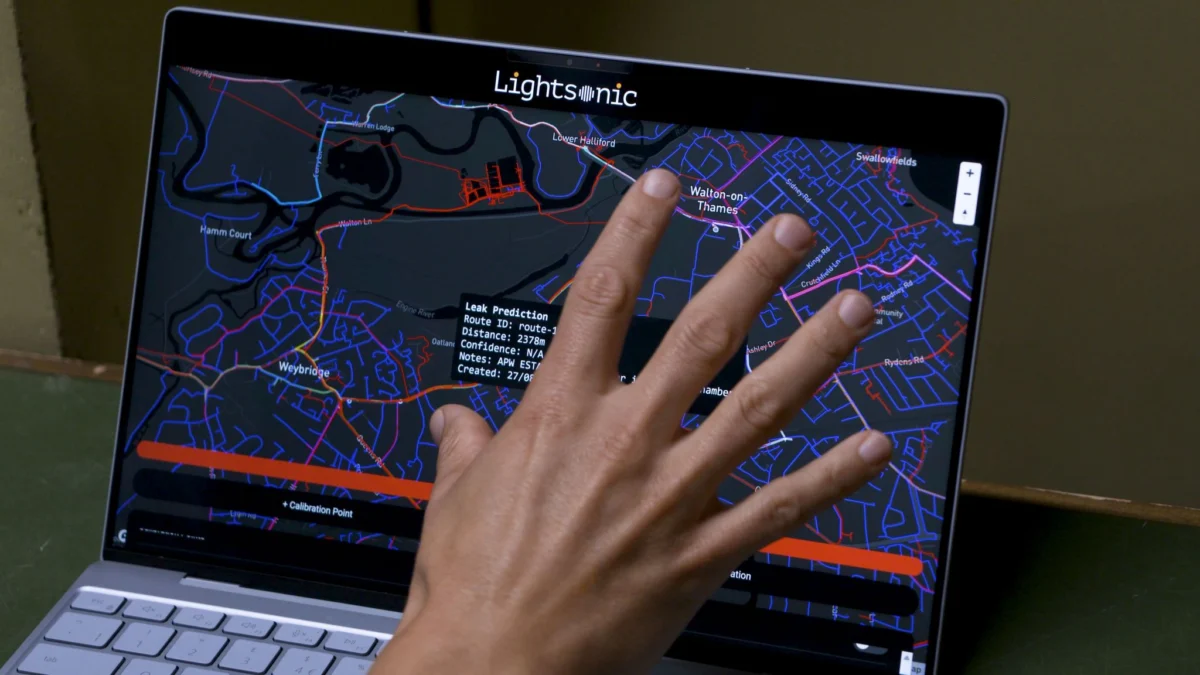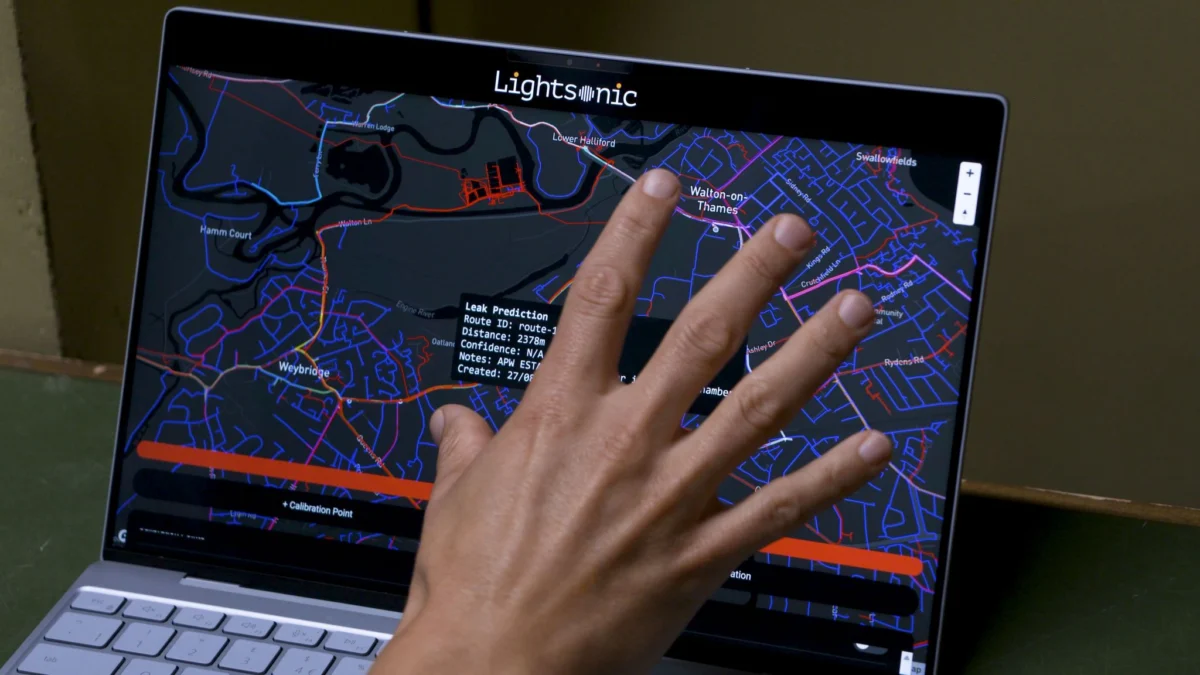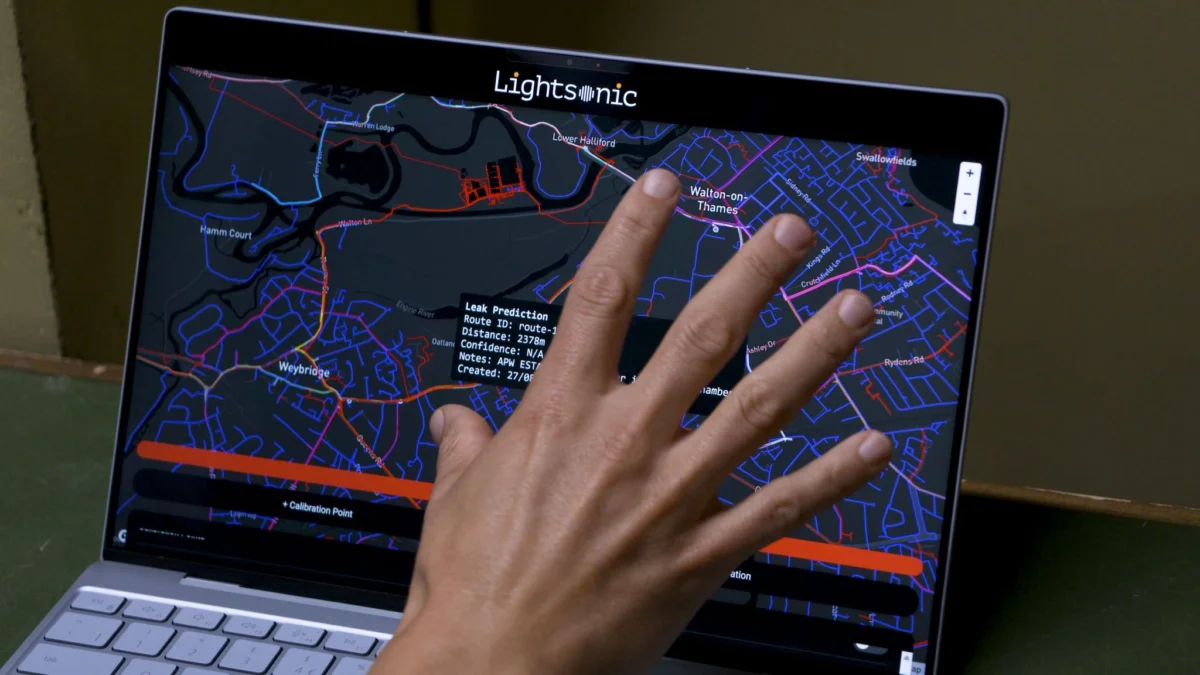
In an era defined by climate instability and aging national infrastructure, the United Kingdom faces a dual challenge: maintaining a secure water supply and modernizing its digital backbone. In a pioneering move that marries these two disparate sectors, Southern Water has announced a strategic partnership with sensing technology firm Lightsonic. This collaboration utilizes Openreach’s extensive full-fiber network to transform the country’s telecommunications cables into a sophisticated, subterranean "nervous system" capable of detecting water leaks with unprecedented precision.
The partnership represents a significant leap forward in utility management, leveraging existing assets to solve one of the most stubborn logistical problems in civil engineering. As the UK grapples with record-breaking temperatures and increasing water scarcity, this technological synergy offers a beacon of hope for conservation efforts.
The Magnitude of the Challenge: 2.6 Billion Litres a Day
To understand the necessity of this partnership, one must look at the grim reality of the UK’s water distribution system. The nation’s aging pipe network is leaking an estimated 2.6 billion litres of treated drinking water every single day. For water companies, these leaks are not merely a financial drain; they represent a catastrophic waste of a precious resource in an environment increasingly marked by water stress.
Identifying the exact location of a subterranean leak is a notoriously difficult task. Traditional methods involve manual inspections, localized pressure monitoring, and the deployment of acoustic sensors that often require excavation to install. These methods are labor-intensive, slow, and expensive, often resulting in leaks persisting for weeks or even months before they are addressed.
Southern Water, serving millions across the South of England, has recognized that traditional reactive maintenance is no longer sufficient. By integrating Lightsonic’s sensing technology, the company is shifting toward a proactive, data-driven strategy that can pinpoint leaks before they escalate into major bursts or chronic, long-term water losses.
The Mechanics of Innovation: Sensing Through Fiber
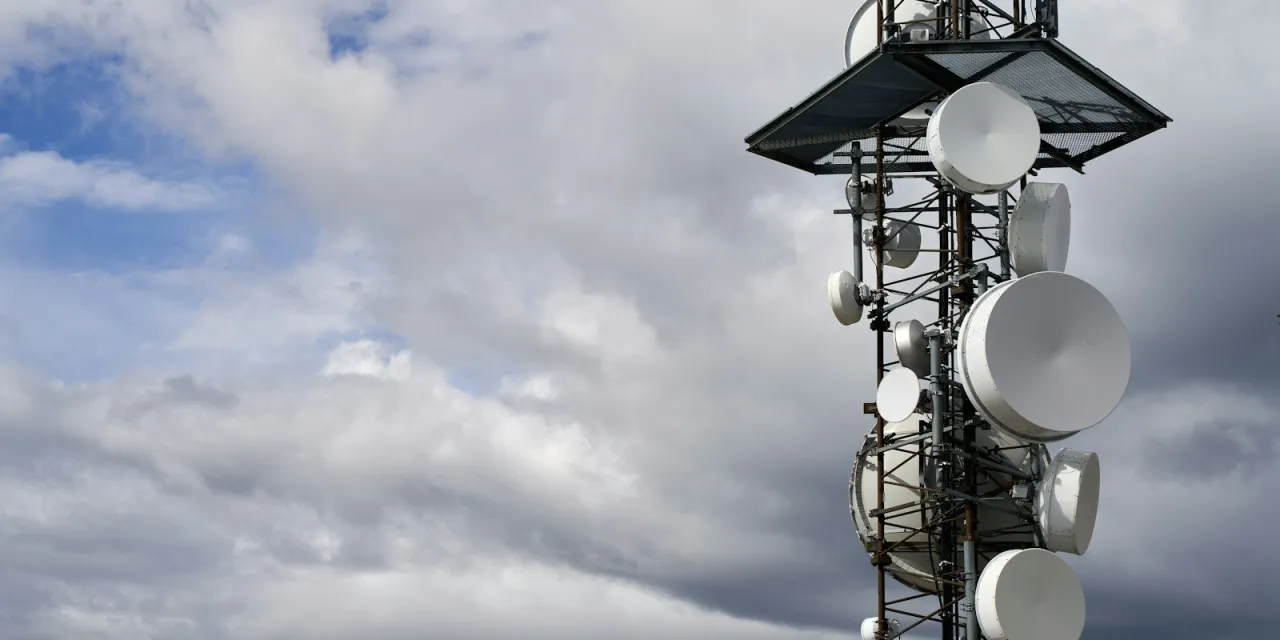
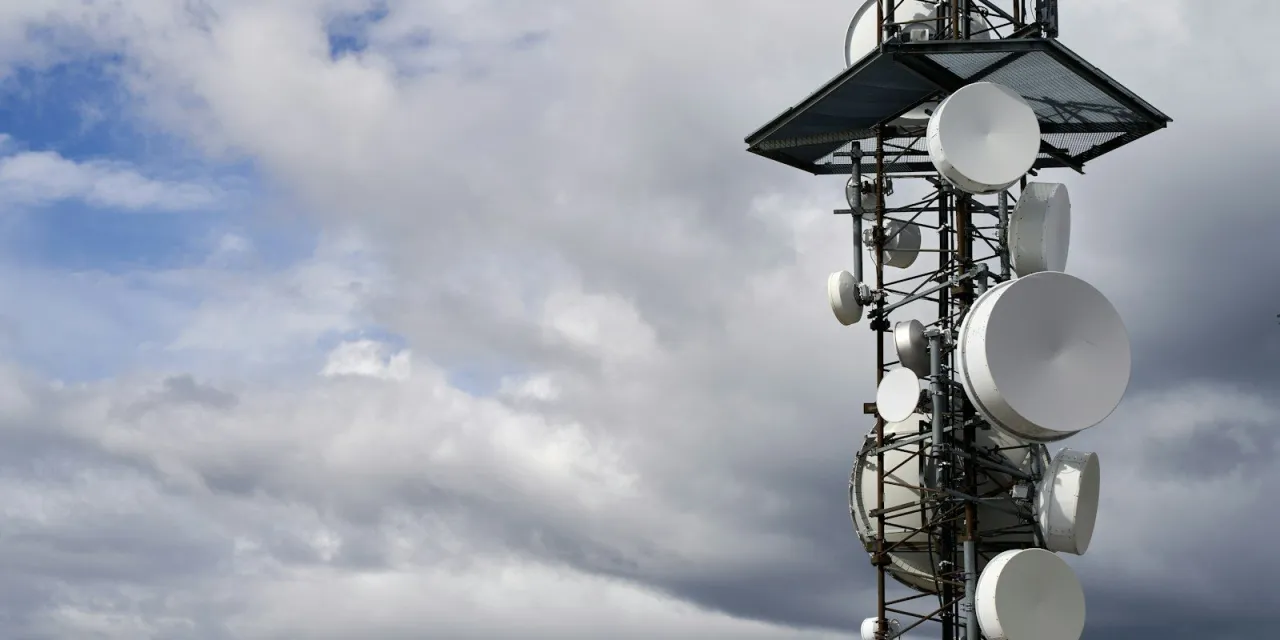
The ingenuity of the Lightsonic solution lies in its simplicity and its reuse of existing infrastructure. Openreach’s fiber optic network, which provides high-speed broadband to millions of homes and businesses, frequently runs in proximity to underground water pipelines.
Lightsonic’s technology utilizes these existing fiber optic cables as acoustic sensors. When a pipe develops a leak, the pressurized water escaping into the surrounding soil generates subtle vibrations. These acoustic signals propagate through the ground and impact the nearby fiber optic cables. Because fiber optic signals are highly sensitive to physical disturbances, these vibrations cause microscopic changes in the light signal traveling through the glass strands.
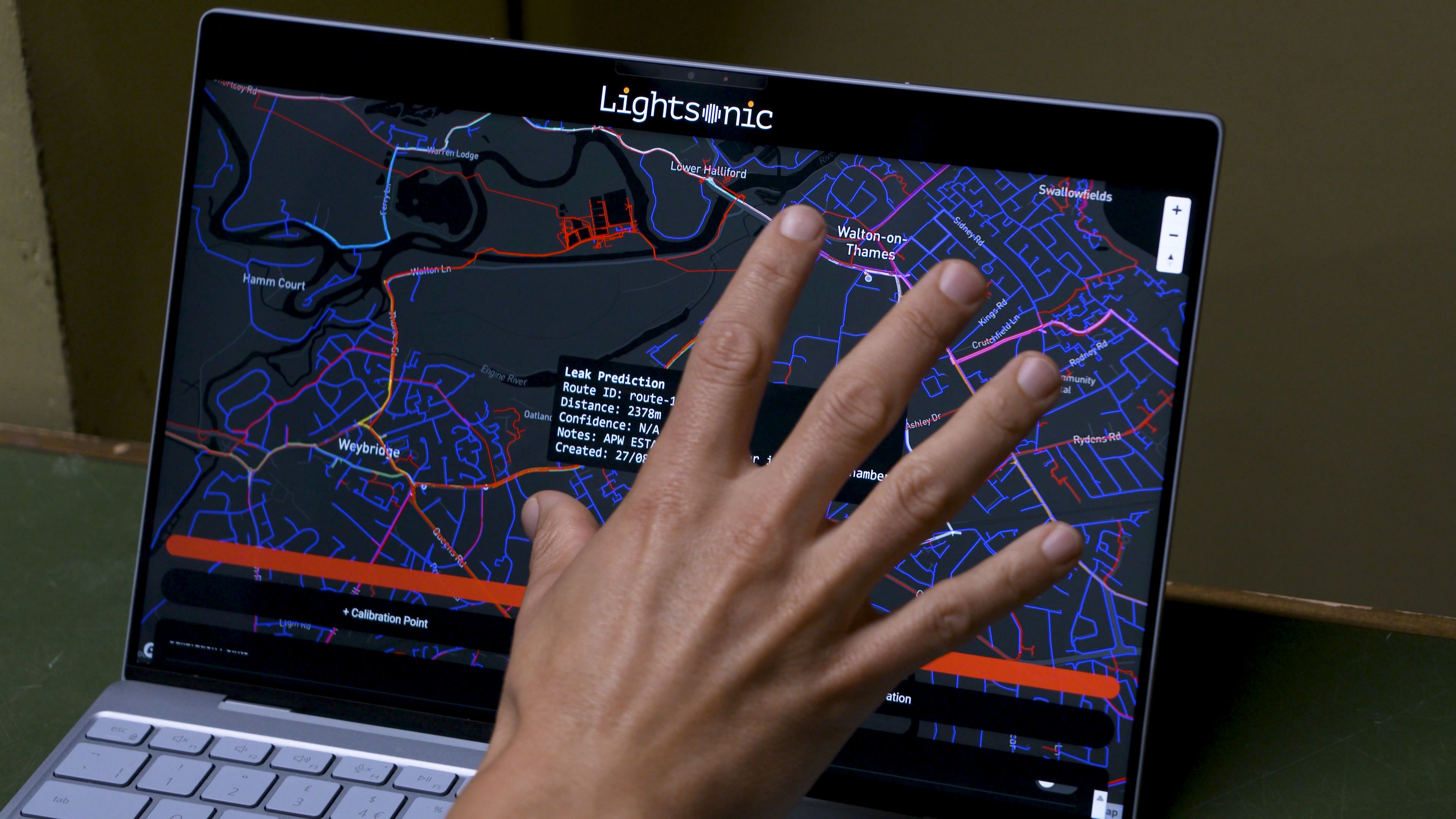
By deploying specialized sensing units at the ends of these fiber cables, Lightsonic can monitor these minute signal variations. Through advanced algorithms and machine learning, the system can distinguish between everyday noise—such as traffic or construction—and the specific, persistent signature of a water leak. This allows utility companies to locate, map, and prioritize repairs with remarkable accuracy. According to the firm, this technology is capable of detecting 1.2 million litres of water leaks per day for every 100km of network covered annually.
Chronology of a Breakthrough
The path to this partnership has been a deliberate process of testing and refinement:
- Early 2024: Lightsonic begins preliminary development of acoustic sensing integration, focusing on the potential for dual-use fiber infrastructure.
- March 2024: A formal pilot program is launched, involving Openreach and Affinity Water. The trials were designed to test the viability of sensing leaks through live, commercial broadband infrastructure.
- Mid-2024: Data from the pilot programs demonstrate that the technology is not only accurate but also scalable, proving that the acoustic sensing does not interfere with the primary function of the broadband network.
- September 2026: Southern Water officially announces a broad partnership with Lightsonic to roll out this technology across their service area, following successful results that saw over 4 million litres of water saved per day across 650km of the trial network.
Supporting Data and Performance Metrics
The effectiveness of the Lightsonic system is evidenced by the metrics gathered during the initial trial phases. In the 650km of network already monitored, the system has successfully identified leaks that would have otherwise gone undetected for extended periods.
- Volume Saved: 4 million litres of water per day.
- Efficiency: 1.2 million litres of leak detection per 100km of network annually.
- Scalability: Zero need for the installation of new, dedicated sensor networks, drastically reducing the CAPEX (capital expenditure) requirements for utility companies.
The environmental impact is equally significant. By reducing the volume of water that must be abstracted, treated, and pumped, the technology directly lowers the energy intensity of water supply. Every litre of water saved is a reduction in the carbon footprint of the water utility, aligning with broader national Net Zero targets.
Official Responses: A Vision for Integrated Infrastructure
The collaboration has drawn praise from both the technology and utility sectors, with leadership emphasizing the value of "converged infrastructure."
Tommy Langnes, CEO of Lightsonic, highlighted the urgency of the moment: "Ageing infrastructure, leaking networks, and mounting climate pressure are converging, causing major water stress. By utilizing existing fiber optic infrastructure, we have a solution that can be quickly and effectively scaled across the UK to help utility companies get a handle on leaks, secure supply, and generate savings that can be reinvested to upgrade our aging network."
For Openreach, this initiative represents a pivot in how they perceive their own infrastructure. Trevor Linney, Director of Network Technology at Openreach, stated: "The results of our existing pilots with Lightsonic show that our new full-fiber infrastructure can deliver value far beyond broadband. Combining Lightsonic’s technology with the reach of Openreach’s Full Fibre network makes continuous utility monitoring genuinely scalable, without the cost and disruption of building a separate sensor network."
Implications: A Climate-Resilient Future
The implications of this partnership extend far beyond the immediate reduction of water waste. The UK is currently facing one of its most challenging periods regarding water security. With the country experiencing record-breaking temperatures, frequent hosepipe bans, and the indefinite delay of critical infrastructure projects like new reservoirs, the need for efficiency has never been higher.
1. Economic Efficiency
Water companies are under immense regulatory pressure to reduce leakage rates. By utilizing Lightsonic’s technology, they can optimize their repair budgets, sending crews to exact locations rather than relying on trial-and-error excavation. This saves money on labor, equipment, and road closure permits, which can then be reinvested into replacing old pipes entirely.
2. Environmental Stewardship
The UK’s water security is increasingly precarious. Global temperature records are being broken consistently, leading to unpredictable rainfall patterns and longer droughts. The ability to "save" water through technological intervention is equivalent to finding a new source of supply without the environmental impact of building new reservoirs or desalination plants.
3. Smart Cities and The Internet of Things (IoT)
This project serves as a perfect case study for the "Smart City" concept. It demonstrates that the most effective way to manage a complex urban environment is not necessarily to build more, but to observe more. By turning the fiber network into a giant, passive sensor array, the UK is creating a foundation for future applications, such as monitoring ground movement, traffic patterns, or seismic activity, all using the same fiber infrastructure that carries our internet traffic.
Conclusion: A Model for the World
The partnership between Southern Water, Lightsonic, and Openreach is a testament to the power of cross-industry collaboration. In an era where resource scarcity is becoming the new normal, the ability to repurpose existing digital infrastructure to protect vital natural resources is nothing short of revolutionary.
As the deployment scales across the UK, the data generated will likely become an invaluable asset for urban planners and environmental scientists alike. While the technology cannot fix every pipe overnight, it provides a much-needed "sight" into a previously opaque system. As the world watches, the UK is setting a precedent: that in the fight against climate change, the solution may not always be a new invention, but a smarter way of using what we already have.