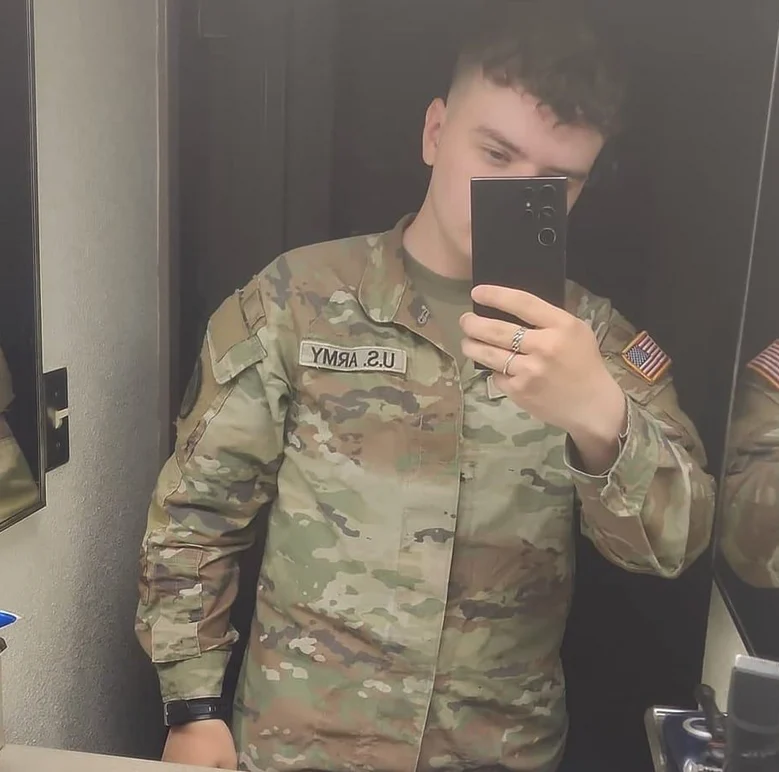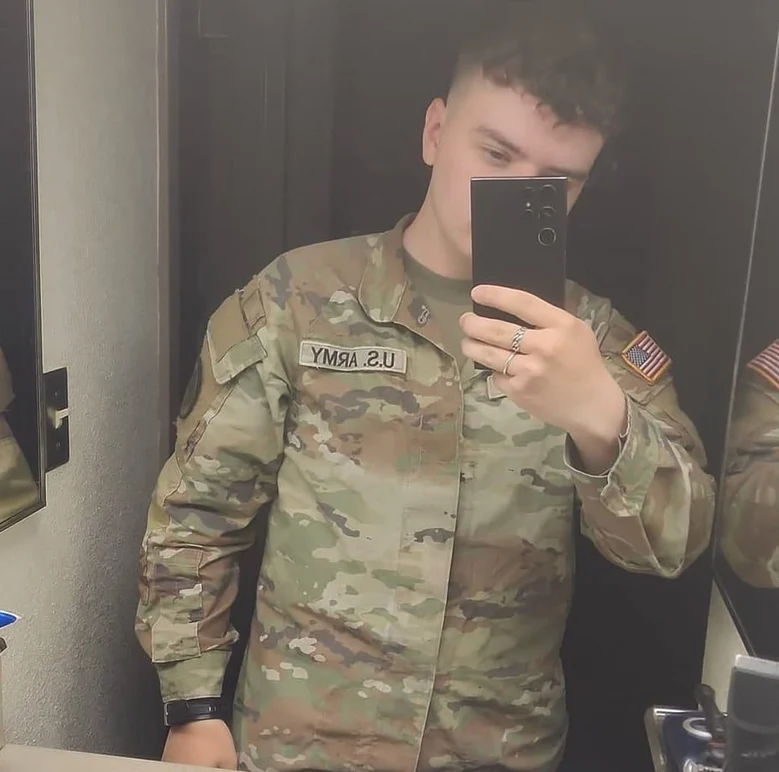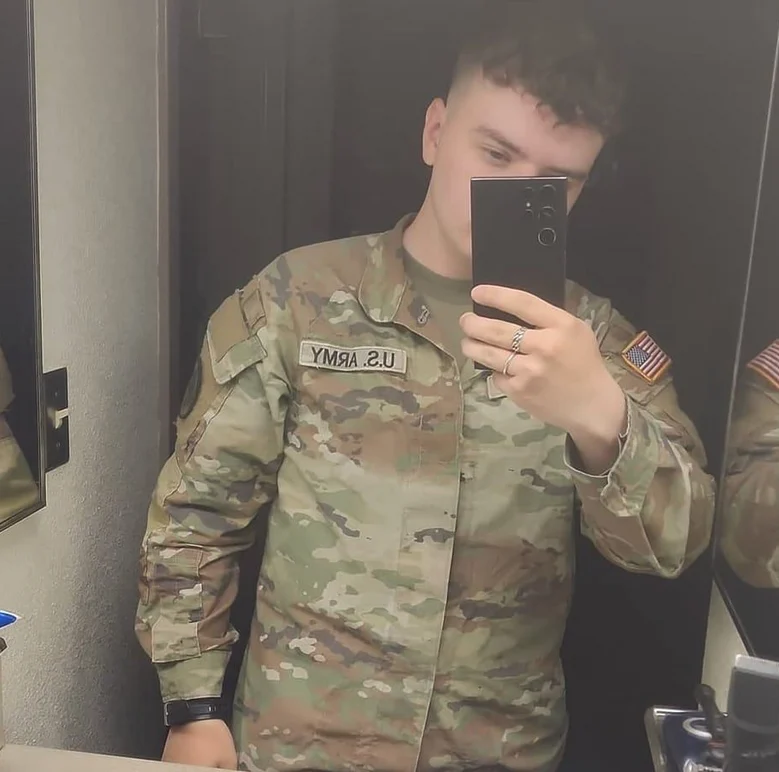
In a landmark case that has sent shockwaves through both the U.S. military and the global cybersecurity community, a 22-year-old U.S. Army soldier has been sentenced to 70 months in federal prison for his role in one of the most significant data-theft campaigns in recent history. Cameron John Wagenius, who operated under the menacing digital alias “Kiberphant0m,” was handed his sentence in a Seattle courtroom today, marking the end of a high-stakes investigation that spanned continents and involved the highest levels of national security oversight.
Wagenius, who was stationed at a U.S. Army base in South Korea during the height of his criminal activities, pleaded guilty to charges related to the hacking of major telecommunications infrastructure. His illicit operations led to the exposure of mobile call and text metadata for more than 100 million AT&T customers. Beyond the prison term, he has been ordered to pay nearly $300,000 in restitution to his victims—a stark contrast to the meager $1,500 he reportedly netted from his crimes.
The Chronology of a Cyber-Insurgency
The trajectory of the “Kiberphant0m” persona was rapid, brazen, and ultimately catastrophic for the perpetrator. The scheme relied on the exploitation of the cloud-based data storage service Snowflake. By leveraging exposed credentials and targeting accounts that lacked multi-factor authentication (MFA), Wagenius and his co-conspirators gained unauthorized access to the repositories of several large corporate entities.
2024: The Year of the Breach
By October 2024, Wagenius had transitioned from a soldier to a full-scale extortionist. He began frequenting cybercrime forums, publicly boasting about the theft of sensitive metadata—including source and destination numbers, timestamps, and call durations—for tens of millions of AT&T customers. His ambition was global; he claimed to have breached more than a dozen telecommunications firms worldwide, including Verizon’s specialized “Push-to-Talk” business unit. During this period, he utilized a classic “double-extortion” tactic, threatening to release the sensitive logs unless companies paid substantial ransoms.
Late 2025: The Walls Close In
In November 2025, security journalist Brian Krebs published an investigative piece suggesting that the actor behind the Snowflake attacks was likely a U.S. soldier based in South Korea. The military and federal authorities acted quickly. By December, Wagenius was arrested. He was charged in two separate federal indictments and, recognizing the weight of the evidence against him, pleaded guilty to all counts shortly thereafter.
2026: The Aftermath and Sentencing
As the legal process unfolded, the breadth of the damage became clearer. In August 2026, a co-conspirator, Canadian national Conor Riley Moucka (known as “Judische”), pleaded guilty to his role in the scheme. Today, the sentencing of Wagenius serves as the final chapter in this specific criminal saga, though the ripple effects of the data breach continue to impact millions of consumers.
Supporting Data: The Anatomy of the Threat
The “Kiberphant0m” case is notable not just for the volume of data stolen, but for the sophisticated, albeit chaotic, nature of the threats made by the group. The investigation revealed a network of actors with varying degrees of criminal history:
- Kenneth Schuchman: A 28-year-old from Vancouver, Washington, Schuchman acted as an assistant to the extortion efforts. His involvement is particularly concerning given his history; in 2019, he pleaded guilty to operating the “Satori” botnet, a massive collection of compromised IoT devices used for large-scale DDoS attacks.
- John Erin Binns: An American residing in Turkey, Binns remains a person of interest in multiple major breaches, including the 2021 T-Mobile hack that compromised the personal data of 76 million people.
- The Failed Payoff: Despite the scale of the threat, the group was largely unsuccessful in terms of revenue. While AT&T reportedly paid a $370,000 Bitcoin ransom, internal records and government filings suggest that Wagenius personally earned only a fraction of that, highlighting the disconnect between the criminal intent and actual financial gain.
Official Responses and the Insider Threat
The involvement of an active-duty soldier with secret clearance turned the case into a top-priority national security investigation. Paul Russell, a resident agent in charge at the Defense Criminal Investigative Service (DCIS), underscored the severity of the situation.
“We don’t often get leads where there’s an active-duty soldier with a secret clearance who’s creating hacking tools and trafficking in data,” Russell remarked. “That doesn’t happen every day, and so when that hits, it really spins all of our partner organizations up. It was very serious from jump street, just because it was unique, it was an insider threat, and we weren’t sure what we were dealing with.”
The investigation required a rare, high-level collaboration between the FBI, the Army Criminal Investigative Division (CID), the U.S. Secret Service, and the Department of Defense Office of Inspector General. The focus was not merely on the theft of corporate data, but on the potential compromise of national security secrets. Following the arrest of his associate, Moucka, Wagenius attempted to escalate his extortion by claiming to possess—and threatening to publish—NSA schematics and the call logs of high-ranking U.S. officials, including then-President-elect Donald Trump and Vice President Kamala Harris.
Implications: The Persistence of the Criminal Mind
Perhaps the most startling detail to emerge from the federal sentencing memo is that Wagenius did not cease his criminal behavior even while awaiting sentencing. During his time in custody, he allegedly attempted to probe the computer networks of the Bureau of Prisons (BOP).
The AI “Prompt Injection” Strategy
According to court documents, Wagenius used other inmates’ email accounts to contact external parties, requesting they feed specific queries into commercial Artificial Intelligence (AI) tools. These queries were designed to bypass the AI’s safety filters—a process known as “prompt injection.”
The queries were alarmingly specific:
- He asked for vulnerabilities (CVEs) related to Windows 10 Enterprise privilege escalation and requested functional, “real-world” scripts for those exploits.
- He sought detailed instructions for exploiting a known command-injection vulnerability in D-Link networking devices.
- He even requested technical guidance on constructing a makeshift radio antenna within a prison environment to extend reception.
When confronted, Wagenius claimed he was merely researching these vulnerabilities to assist the BOP in improving their security. However, federal prosecutors viewed these actions as clear evidence of his ongoing intent to exploit technical systems, noting that he had also researched methods for escaping the facility.
A Lesson in Modern Cybersecurity
The case of Cameron Wagenius serves as a sobering reminder of the changing face of the insider threat. The intersection of modern AI tools, cloud infrastructure vulnerabilities, and disaffected, tech-literate personnel presents a complex challenge for both the private sector and the military.
The fact that a young soldier could compromise the metadata of 100 million individuals from a base in South Korea—and subsequently attempt to use AI to find vulnerabilities in a federal prison system—highlights that the traditional perimeter-based security model is insufficient. As organizations move to the cloud, the lack of mandatory multi-factor authentication and the failure to secure administrative credentials can turn a single compromised account into a global catastrophe.
For the U.S. military, the case has prompted a deeper look into the digital habits of personnel with high-level clearances. For the public, the sentencing provides a modicum of closure, though the reality of the stolen data remains: in the digital age, once sensitive information is exfiltrated, the damage to individual privacy is often permanent. As Wagenius begins his 70-month sentence, the global cybersecurity community continues to grapple with the reality that the next "Kiberphant0m" may already be behind a keyboard, waiting for a single, unprotected credential.