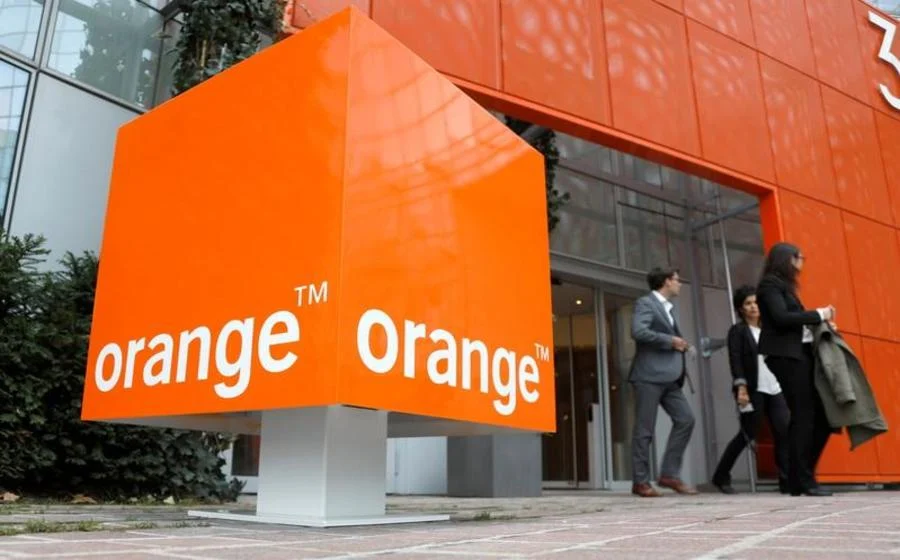
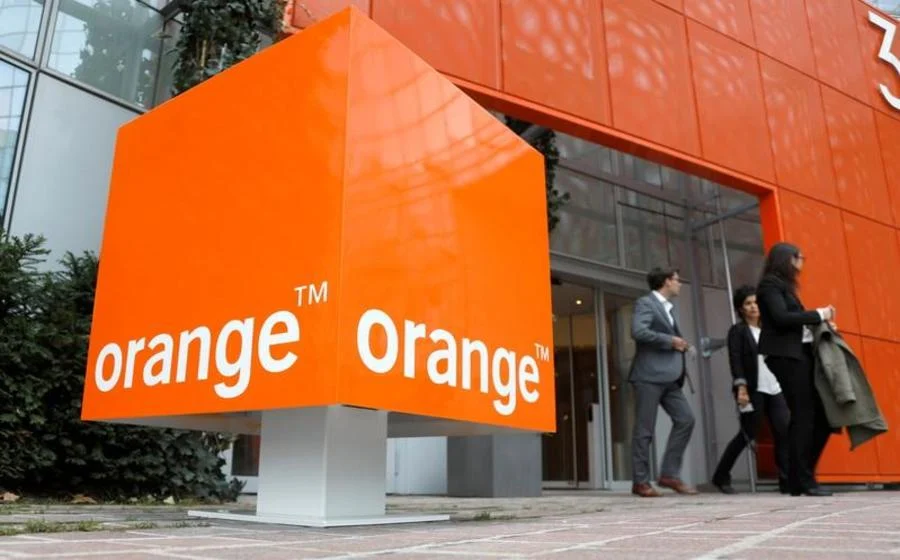
In a definitive move to unify its global identity, the French telecommunications giant Orange has announced the retirement of the "MásOrange" brand, rebranding its Spanish subsidiary as Orange España. This pivot comes only months after the company secured full ownership of the entity, signaling a new chapter for the market leader as it moves to streamline its corporate identity and solidify its dominance in the Iberian Peninsula.
The change, while primarily cosmetic at the corporate level, serves as a powerful symbol of the company’s long-term integration strategy following the complex €22 billion merger that reshaped the Spanish telecommunications landscape in 2024.
The Chronology of Consolidation
To understand the weight of this rebranding, one must look back at the rapid transformation of the Spanish telecoms market.
The Mega-Merger (2024)
The journey began with the landmark merger between Orange Spain and MásMóvil. The joint venture, which carried an enterprise value of approximately €22 billion, was designed to create a market leader capable of competing with Telefónica. The resulting entity, MásOrange, commanded a massive footprint, boasting roughly 30 million mobile lines and 7 million fixed-broadband subscribers, effectively creating the largest telecommunications provider in Spain by customer volume.
The Path to Full Ownership
The joint venture was initially structured as a 50/50 partnership between Orange and Lorca JVCo (the holding company for MásMóvil’s shareholders). However, Orange’s ambition to control its destiny in one of Europe’s most competitive markets remained clear. In a significant financial maneuver, Orange finalized an agreement to acquire the remaining 50% stake from Lorca for approximately €4.25 billion. This transaction, completed earlier this year, transitioned the company from a collaborative joint venture into a wholly owned subsidiary.
The Rebranding Announcement
With the "MásOrange" moniker having served its purpose during the integration phase, the leadership team determined that the name no longer reflected the singular corporate structure of the business. By rebranding to Orange España, the firm aligns its Spanish operations with its broader international branding architecture, which operates across Europe, the Middle East, and Africa under the standardized Orange umbrella.
Supporting Data: A Market-Leading Titan
The scale of Orange España is difficult to overstate. Following the integration, the company stands as a colossus in the Spanish digital infrastructure space.
- Market Leadership: By customer count, the combined entity is currently the largest operator in Spain, providing the group with unprecedented scale.
- Infrastructure Depth: The company maintains a massive network footprint, encompassing fiber-to-the-home (FTTH) coverage that reaches millions of households, alongside a robust 5G mobile network.
- Portfolio Diversity: While the corporate name has changed, the brand architecture remains deliberately layered. The company continues to operate a "multi-brand" strategy, keeping its consumer-facing identities distinct:
- Premium/Flagship: Orange.
- Value/Aggressive: Yoigo, MásMóvil.
- Specialized/Regional: Jazztel, Pepephone, Simyo, Euskaltel, R, and Telecable.
This multi-brand approach is vital. It allows the company to target distinct demographics—from budget-conscious consumers seeking SIM-only plans to high-end households requiring converged bundles of television, broadband, and mobile services.
Official Perspectives and Strategic Vision
The transition to Orange España is not merely a change of signage; it is a declaration of corporate philosophy. Meinrad Spenger, CEO of Orange España, has been vocal about the necessity of this rebranding to reflect the company’s current reality.
"Orange España is one of the most recognized brands in our country and explains in a clear and simple way the company that we are today," Spenger noted in a press statement. "It reflects our identity as the leading operator in the Spanish market—not just by the volume of customers, but by the level of satisfaction they report. We have a clear vocation for investment, innovation, and a profound commitment to the digital development of our country."
Spenger’s emphasis on "digital development" is a nod to the company’s ongoing capital expenditure requirements. As the primary stakeholder, Orange is now solely responsible for the multi-billion-euro investments required to upgrade Spain’s fiber networks and lead the rollout of 5G-Advanced technology.
The Strategic Implications of the Move
The decision to drop "MásOrange" has several profound implications for the industry and the company’s shareholders.
1. Brand Harmonization
For a multinational corporation like Orange, managing a disparate set of brand names can lead to operational inefficiencies in marketing and consumer perception. By moving to Orange España, the company ensures that its primary operations are immediately identifiable as part of the wider Orange global group. This aids in cross-border knowledge sharing, standardized technology stacks, and unified corporate reporting.
2. Operational Autonomy
Full ownership allows for faster decision-making. During the joint venture phase, strategic shifts often required consensus between Orange and Lorca JVCo. Now, as a wholly-owned subsidiary, Orange España can pivot more rapidly to market changes, whether that involves aggressive pricing wars, new fiber rollouts in rural areas, or the implementation of AI-driven customer service tools.
3. Investor Confidence
The €4.25 billion buyout of the Lorca stake was a significant capital allocation. By rebranding, Orange is signaling to its shareholders that the integration is complete and that the Spanish business is now a core, streamlined component of the group’s earnings. This reduces the "complexity discount" that investors often apply to companies with messy or unclear subsidiary structures.
4. Competitive Positioning
Spain remains one of the most competitive telecom markets in the world, with high levels of fiber penetration and fierce price competition from the likes of Telefónica (Movistar) and Vodafone Spain (recently acquired by Zegona). The rebranding to Orange España serves as a rallying point for the workforce, helping to foster a unified corporate culture following the merger of two distinct organizations with different operational histories.
The Future Outlook: Challenges and Opportunities
While the rebranding is a success for the company’s image, the road ahead is not without challenges.
The Regulatory Landscape
The European telecommunications sector faces constant scrutiny regarding pricing and competition. As the market leader in Spain, Orange España will likely face heightened regulatory oversight. The company must navigate the delicate balance of maintaining its dominant market position while ensuring that it does not trigger anti-trust concerns or regulatory interventions regarding its pricing of wholesale network access.
Sustainability and Digital Inclusion
Like its counterparts across Europe, Orange España is under pressure to modernize its infrastructure while hitting net-zero carbon targets. The company has already made strides in phasing out legacy copper networks in favor of fiber, which is significantly more energy-efficient. Furthermore, bridging the digital divide in rural Spain—a challenge shared by operators across the UK and the rest of the continent—remains a top priority for the Spanish government and the European Commission.
Innovation and 5G
The next phase for Orange España will be the monetization of 5G. With the foundational infrastructure now firmly under the Orange brand, the company is expected to push harder into enterprise solutions, including private 5G networks for industrial clients and advanced IoT (Internet of Things) applications for smart cities.
Conclusion
The disappearance of the "MásOrange" brand marks the end of a transitionary era for the Spanish telecommunications sector. It represents the maturation of a business that began as a complex, two-headed joint venture and has emerged as a singular, unified force.
For the consumer, the change may be subtle—a logo on a bill or a name on a store front—but for the industry, it is a significant consolidation of power. Orange España enters this new phase as the undisputed leader in one of the most advanced telecom markets globally. Whether this renewed focus and simplified structure will yield the dividends expected by shareholders remains to be seen, but one thing is certain: the company is now fully aligned with the global ambitions of its parent, ready to face the challenges of the digital decade under one unified, powerful name.
As Orange continues to invest in the Spanish digital ecosystem, the move to simplify its branding serves as a final, punctuation mark on the merger, allowing the company to move forward with clarity, scale, and a singular vision for the future of connectivity in Spain.