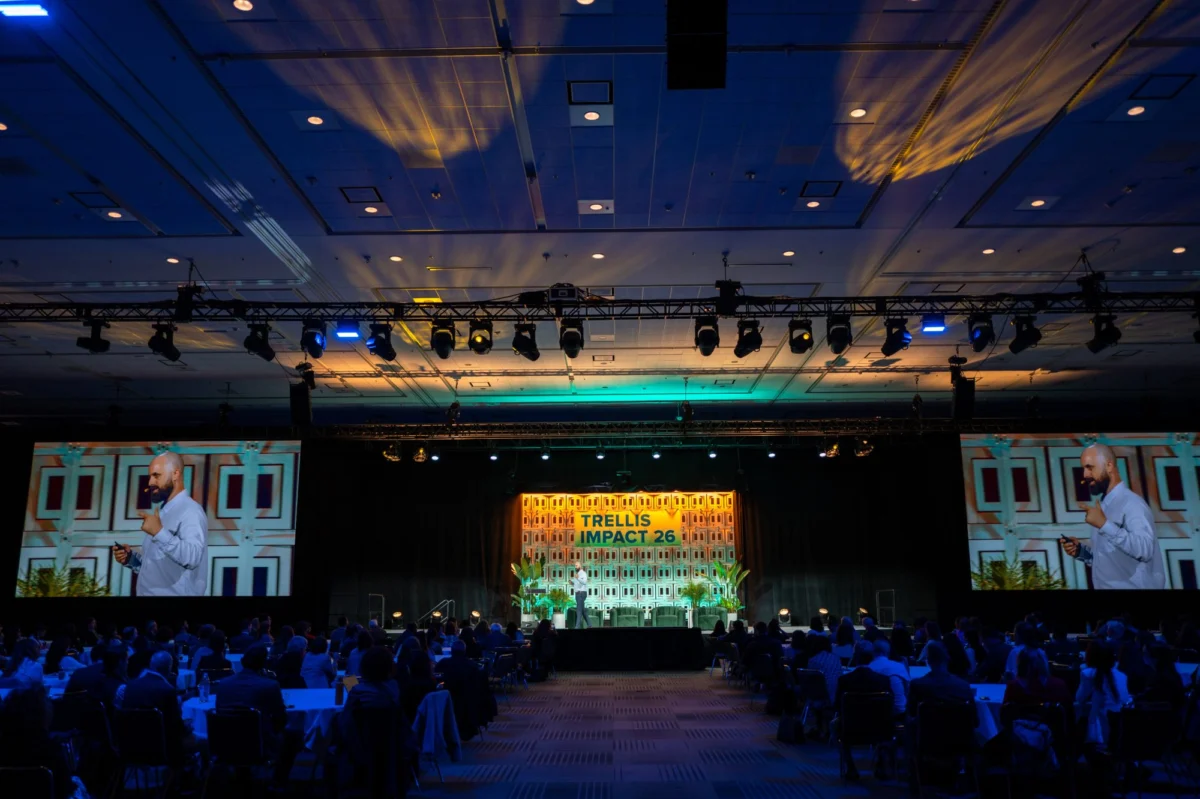
In the weeks following the conclusion of Trellis Impact 26, a distinct shift in the corporate sustainability discourse has crystallized. If the past decade was defined by the lofty rhetoric of net-zero pledges, ESG (Environmental, Social, and Governance) framework development, and carbon-neutral milestones, the current era is defined by the granular, often gritty reality of execution.
A comprehensive review of post-event reflections from more than two dozen industry leaders and attendees reveals a unified consensus: the time for conceptual ambition has effectively sunsetted. We have officially entered the "Implementation Era."
The Pivot from Ambition to Execution: The Main Facts
The overarching narrative emanating from Trellis Impact 26 is one of pragmatic urgency. Conversations on LinkedIn and within industry forums have pivoted away from "why" sustainability matters to "how" it is achieved at scale. The lexicon of the sustainability professional has shifted significantly; terms such as "infrastructure," "resilience," "operations," and "methodology" have supplanted the buzzwords that dominated the 2010s.
This transition marks a maturing of the sector. Executives are no longer interested in debating the necessity of sustainability; they are wrestling with the mechanics of its integration into existing, complex business models. Whether the focus is on supply chain decarbonization, circular economy adoption, or the integration of artificial intelligence (AI), the core challenge is now operational: How does a company balance long-term climate goals with immediate market pressures, rising regulatory requirements, and the need for fiscal resilience?
Chronology of a Paradigm Shift: How We Got Here
To understand the current state of sustainability, one must view the trajectory of the last fifteen years as a three-act play:
- Act I (2010–2018): The Era of Awareness. During this period, the primary goal was to place sustainability on the boardroom agenda. This was the era of defining frameworks like the Science-Based Targets initiative (SBTi) and the Task Force on Climate-related Financial Disclosures (TCFD).
- Act II (2019–2023): The Era of Ambition. This phase was characterized by the "Net Zero" gold rush. Corporations across the globe rushed to set 2040 and 2050 targets, creating a landscape saturated with promises and high-level environmental commitments.
- Act III (2024–Present): The Era of Implementation. As evidenced at Trellis Impact 26, we are now in the phase of accountability. The "how" has replaced the "what," as organizations face the reality that a pledge without a tactical execution plan is increasingly viewed as a liability rather than an asset.
AI as an Infrastructure Challenge: Supporting Data and Observations
Perhaps the most compelling example of this transition is the discourse surrounding artificial intelligence. Historically, AI was discussed through the lens of innovation and potential efficiency gains. At Trellis Impact 26, the conversation matured into an infrastructure debate.
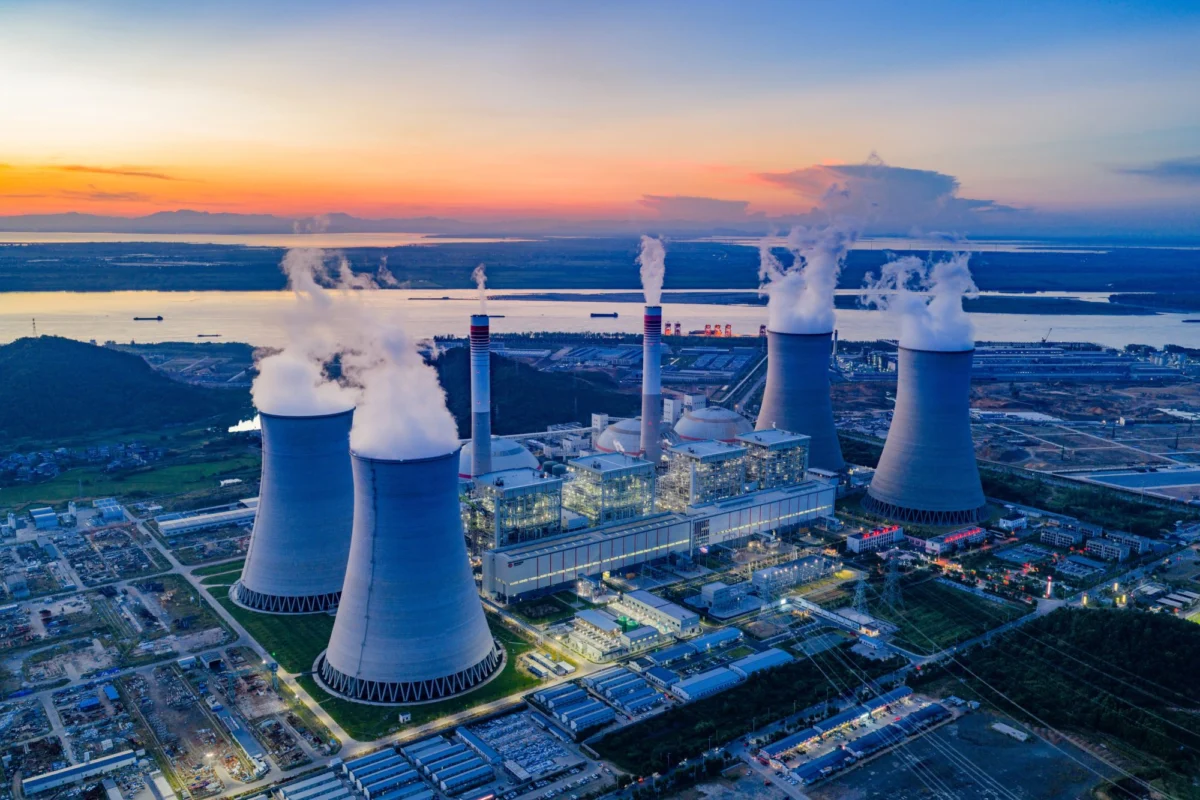
Data provided by attendees highlights that the "green" potential of AI is tethered to the "gray" reality of physical infrastructure. The scale and speed of AI deployment are creating an entirely new industrial ecosystem, characterized by unprecedented demands on power, water, and cooling systems.
Key Infrastructure Constraints:
- Grid Capacity: The surge in data center energy demand is forcing tech giants to become energy developers, necessitating closer partnerships with utilities.
- Resource Intensity: Water usage for cooling high-performance computing clusters is now a primary sustainability metric.
- Material Supply Chains: The transition to sustainable AI hardware requires a complete rethink of material sourcing, shifting from linear procurement to circular resource management.
Attendees noted that we can no longer treat AI, energy, and climate as siloed conversations. They are now viewed as a single, interconnected systems challenge that requires physical engineering solutions, not just software updates.
Social License: The New Currency of Success
As infrastructure projects expand—whether in the form of massive solar farms or data centers—technical feasibility is no longer the sole arbiter of success. A recurring theme from the conference was the critical importance of "social license."
Official responses from industry leaders during panel discussions emphasized that community trust is now as valuable as permitting or capital. The consensus is clear: technological innovation will fail if it is deployed in a vacuum, ignoring the communities that host the infrastructure.
Building Local Trust
The methodology for gaining social license has evolved. It is no longer about top-down public relations campaigns but about early-stage, transparent, and direct dialogue. Attendees highlighted that prioritizing human-to-human relationships—listening to local concerns before breaking ground—is the most effective strategy to mitigate project risk. In this new era, transparency is not merely a reporting requirement; it is a prerequisite for operational continuity.
Data Over Promises: The Credibility Crisis
The era of the "sustainability pledge" is nearing its end, replaced by the era of the "sustainability report card." The sentiment expressed by attendees was blunt: "Promises are cheap; data is the new credibility."
Investors, regulators, and consumers are increasingly scrutinizing corporate claims. The shift from marketing-heavy sustainability to data-driven operational reporting is profound. This demand for data is being fueled by two factors:
- Regulatory Pressure: The rise of mandatory climate disclosures means that sustainability data must now meet the same audit standards as financial data.
- Market Skepticism: Following years of "greenwashing" accusations, stakeholders are demanding empirical evidence of progress.
As one attendee noted, "Technology does not replace human judgment, nor does it replace the need for verifiable evidence." The next phase of sustainability will be defined by the ability to quantify impact in real-time, moving away from annual, retrospective reports toward real-time performance tracking.
Scaling Through Collaboration: The "Team Sport" Mentality
Perhaps the most significant takeaway from Trellis Impact 26 is the admission that no organization can solve these challenges in isolation. Sustainability is being rebranded as a "team sport."
Cross-sector collaboration is no longer a "nice-to-have"—it is a strategic necessity. The complexity of circularity, for example, demands that manufacturers work intimately with suppliers, waste management firms, and even competitors to create a closed-loop system.
Strategic Collaborative Areas:
- Utilities and Tech: Partnering to solve grid capacity and renewable energy sourcing.
- Supply Chain Alliances: Working with suppliers to decarbonize Tier 2 and Tier 3 emissions.
- Policy Advocacy: Engaging with governments to create the regulatory environment necessary for scaling climate tech.
Business Resilience: The New Sustainability North Star
Ultimately, the most profound shift observed at the event was the movement of sustainability from the "CSR" (Corporate Social Responsibility) department into the core business strategy. The terminology has shifted: "Sustainability" is being increasingly replaced or augmented by "Business Resilience."
This is not a retreat from environmental values; it is a tactical pivot toward longevity. By framing sustainability as a resilience issue, companies can better align environmental initiatives with operational continuity, risk management, and long-term value creation.
Organizations are now focusing on strategies that achieve two goals simultaneously:
- Mitigation: Reducing the company’s carbon footprint to meet climate targets.
- Adaptation: Protecting assets, workers, and communities from the physical impacts of a changing climate.
Implications for the Next Decade
As we look toward the future, the implications of Trellis Impact 26 are clear. The next decade will not be defined by who can set the most ambitious target, but by who can deliver the most consistent, data-backed, and resilient results.
For the sustainability professional, this represents both a challenge and an opportunity. It is a challenge because it demands deeper technical knowledge and a tighter integration with finance, operations, and engineering teams. It is an opportunity because it moves the sustainability agenda from the periphery of the business into the very center of corporate strategy.
The era of "promises" has concluded. The era of "implementation" has begun. For those willing to do the hard work of building infrastructure, earning social license, and proving progress through data, the future of corporate sustainability remains not only possible but increasingly profitable.