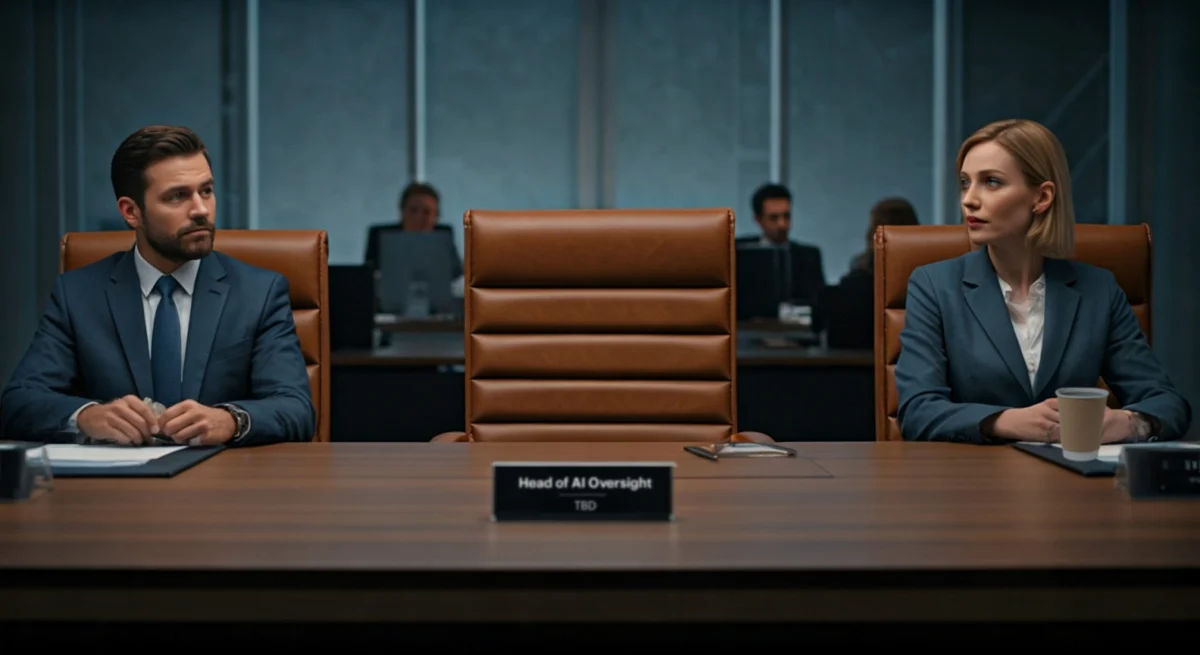

The legal walls are closing in on Microsoft regarding its long-standing software licensing practices. A significant development in a high-stakes antitrust lawsuit in the United Kingdom has placed the tech giant under intense pressure, with the Competition Appeal Tribunal (CAT) issuing a forceful consent order that demands transparency regarding internal deliberations on how the company transitioned its user base from perpetual software to subscription-based models.
The lawsuit, originally filed in April 2021 by the secondhand software reseller ValueLicensing, seeks £270 million (approximately $361 million) in damages. At the heart of the litigation is the allegation that Microsoft systematically stifled competition by using restrictive licensing clauses and aggressive discounting to discourage customers from utilizing pre-owned perpetual licenses, effectively "locking" them into cloud-based subscription ecosystems like Microsoft 365 and Azure.
The Core Allegations: Stifling the Secondary Market
Under European Union and UK law, the right to resell "used" or perpetual software licenses is legally protected. Software manufacturers are generally prohibited from using Terms of Service (ToS) agreements to override these statutory rights. ValueLicensing, a firm that thrives in this secondary market, asserts that Microsoft has actively circumvented these laws to protect its cloud revenue.
The plaintiff claims that Microsoft leveraged its market dominance to insert restrictive clauses into enterprise agreements. These clauses allegedly incentivized customers to surrender their perpetual licenses in exchange for discounts on new cloud subscriptions. By doing so, Microsoft effectively choked off the supply of pre-owned licenses, forcing organizations—ranging from private enterprises to publicly funded institutions—to pay higher, ongoing subscription fees rather than utilizing more cost-effective, one-time-purchase legacy software.
A "Known Adverse Document" Emerges
The most explosive aspect of the recent court order concerns a piece of internal evidence described as the "Second-Hand Software" (SHS) presentation. This document has been flagged by the court as a "known adverse document," implying that its contents may be damaging to Microsoft’s defense.
The CAT has ordered Microsoft to provide a comprehensive account of this presentation. By October 31, the company must explain why it failed to disclose this document during earlier stages of discovery. The court’s mandate is sweeping: Microsoft must submit a witness statement from a former consultant detailing who within the organization was aware of the presentation, the timeline of that awareness, and the internal decision-making process that led to its non-disclosure.
This development is widely viewed by legal experts and industry analysts as an "inflection point." Dario Maisto, a senior analyst at Forrester, noted that the signal to tech behemoths—including Google and Amazon—is unequivocal: "Antitrust tribunals are fully comfortable examining software licensing mechanics as tools of anticompetitive lock-in."
Chronology of the Conflict
The legal battle against Microsoft is not an isolated event; it is part of a growing wave of scrutiny regarding the company’s business practices over the last decade.
- 2012–2020: The period of focus for the current court order. During these years, Microsoft aggressively pivoted toward its "Cloud First" strategy, significantly altering its licensing incentives to favor Azure and Office 365.
- April 2021: ValueLicensing files its original lawsuit in England’s High Court, alleging that Microsoft’s restrictive practices distorted competition in the secondary software market.
- May 2025: UK barrister Alexander Wolfson files a separate, major "opt-out" class action lawsuit. This claim alleges that both public and private organizations in the UK were systematically overcharged over a ten-year period due to these same licensing maneuvers.
- September 14, 2026: The UK Competition Appeal Tribunal issues the latest consent order, requiring Microsoft to produce specific internal documents and contact former high-ranking executives.
- October 31, 2026: Deadline for Microsoft to explain its failure to disclose the "SHS" presentation.
- November 30, 2026: Deadline for Microsoft to complete the production of emails and documents related to over 40 specific search terms, and to provide evidence of efforts to contact former leadership.
The Hunt for Accountability: Executive Oversight
The court is not merely looking for documents; it is looking for the architects of the strategy. The consent order requires Microsoft to make "reasonable endeavors" to contact three key former executives:
- Kevin Turner: Former Chief Operating Officer.
- Jean-Philippe Courtois: Former President and EVP.
- Joe Matz: Former Corporate VP of worldwide licensing and pricing.
The company must conduct rigorous searches of email repositories and document stores belonging to these individuals, along with several other past and present managers, spanning the years 2012 to 2020. The search criteria include over 40 terms, such as "SHS," "antitrust," "do nothing," "revenue," and "discount licensing." Crucially, the court has stripped Microsoft of the ability to label these newly discovered documents as "confidential" or "restricted," ensuring that the evidence will be visible to the proceedings.
Microsoft’s Defense: The "Objective Justification" Argument
In response to these mounting allegations, Microsoft has maintained a consistent, albeit defensive, stance. The company argues that any impact on competition was "objectively justified" and that its contractual terms were "necessary and reasonable."
Microsoft has further contended that the alleged anti-competitive effects—such as the limitation of the secondary market—were outweighed by the efficiencies and benefits provided by the shift to cloud services. The company argues that the modernization of software delivery provides security, feature updates, and integration capabilities that perpetual licenses simply cannot match. However, with a witness statement from Deputy General Counsel Cynthia Randall currently paused and the demand for internal documents intensifying, the strength of this "efficiency" argument will be put to the ultimate test in court.
Implications for Enterprise Leadership
For CIOs, IT financial managers, and procurement leads, this litigation serves as a massive wake-up call regarding the long-term cost of enterprise agreements. Forrester’s Dario Maisto advises that organizations currently navigating renewals should treat these findings as significant leverage.
Strategic Recommendations for IT Leaders:
- Audit Your Asset Value: Organizations that surrendered perpetual licenses during an EA (Enterprise Agreement) renewal may have inadvertently given up significant asset value. CIOs should calculate the value of these lost perpetual rights when negotiating new cloud commitments.
- Challenge "Lock-in" Penalties: Leaders should pay close attention to inflated costs associated with running legacy software on third-party clouds (like AWS or Google Cloud Platform) compared to running them on Azure. These price discrepancies may be viewed as anticompetitive, and firms should press vendors for transparency.
- Hybrid Licensing Models: Moving away from "all-subscription" models can yield substantial savings. By utilizing pre-owned perpetual licenses for static, predictable workloads and reserving cloud subscriptions for dynamic, scalable needs, firms can regain control over their IT budgets.
- Use Litigation as Leverage: With antitrust tribunals clearly signaling that they are scrutinizing licensing as a tool for lock-in, procurement teams should not be afraid to challenge restrictive contract clauses during renewal negotiations.
Conclusion: A Digital Marketplace at a Crossroads
The case of ValueLicensing v. Microsoft represents more than just a dispute over software licenses; it is a fundamental challenge to the "subscription-only" era of enterprise software. As the UK Competition Appeal Tribunal digs deeper into the internal communications of Microsoft’s former leadership, the results could set a precedent that changes how software vendors interact with the secondary market for decades to come.
For now, the tech industry waits to see what the "SHS" presentation truly contains. If the internal documents confirm that the transition to cloud subscriptions was designed to deliberately crush competition rather than purely to "innovate," the financial and reputational fallout for Microsoft could be immense. For the average enterprise, the lesson is clear: the digital marketplace is changing, and the era of unchecked "anticompetitive lock-in" may finally be facing its sunset.