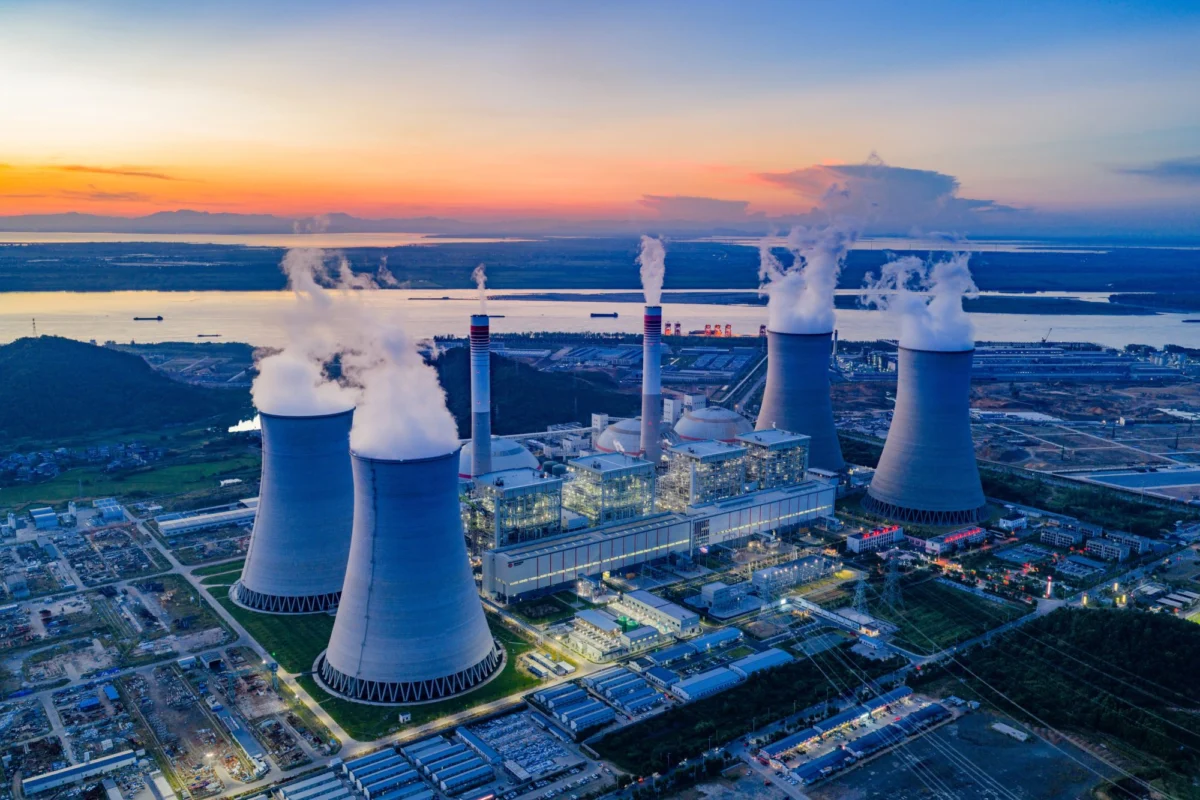
In the high-stakes world of global luxury, where brand heritage and aesthetic perfection have historically been prioritized above all else, Kering—the $14.5 billion powerhouse behind iconic houses such as Gucci, Saint Laurent, and Bottega Veneta—is spearheading a radical transformation. As the global fashion industry faces increasing scrutiny over its environmental footprint, Kering’s latest impact report, released in June, reveals a significant milestone: the group has successfully reduced its absolute greenhouse gas (GHG) emissions by one-third since 2022.
This achievement is not merely a product of corporate pledges; it is the result of a data-driven, systematic overhaul of the company’s supply chain, governance, and creative philosophy. By integrating rigorous environmental accounting with a centralized approach to sustainable procurement, Kering is demonstrating that the future of luxury lies in the intersection of circularity, regenerative agriculture, and radical transparency.
The Core Data: Quantifying Progress
Kering’s recent performance report highlights a nuanced approach to decarbonization. The 33 percent reduction in absolute emissions is broken down into two critical segments: a 4 percent decrease in direct operations and energy consumption (Scope 1 and 2) and a staggering 28 percent reduction in emissions related to land use and agriculture.
This progress is anchored by the group’s Environmental Profit and Loss (EP&L) accounting system, a proprietary tool launched in 2014. The EP&L is not merely a financial statement; it is a diagnostic instrument that quantifies the company’s impact on nature, including carbon emissions, water consumption, waste generation, land use, and pollution. According to current data, raw material production and processing account for a massive 63 percent of Kering’s total emissions, while manufacturing processes contribute another 8 percent. By identifying these "hot spots," Kering has been able to focus its decarbonization efforts where they matter most, prioritizing the upstream supply chain over easier, but less impactful, corporate-level targets.
A Chronology of Change: From Vision to Execution
Kering’s sustainability journey is not a recent reaction to market trends, but a long-term strategic evolution.
- 2012: Marie-Claire Daveu, a former high-ranking French government official, is appointed Chief Sustainability and Institutional Affairs Officer. Her arrival marks a pivot toward treating sustainability as a core pillar of the group’s business model rather than a peripheral CSR initiative.
- 2014: The formal introduction of the EP&L system. This provided Kering with the visibility required to map the environmental impact of its entire supply chain, from the farm to the retail floor.
- 2017: The launch of a centralized purchasing program designed to aggregate the group’s buying power. This was initially piloted with precious metals, specifically gold, to ensure that all jewelry components were either recycled or sourced from Fairtrade/Fairmined-certified artisanal mines.
- 2019: The establishment of Kering Ventures, a venture capital arm dedicated to investing in early-stage material science companies, such as VitroLabs and Sqim, which focus on bio-fabricated and alternative leather technologies.
- 2024: The launch of the Kering Accelerator for Regenerative Materials. This program focuses on securing the supply of cotton, wool, and cashmere through regenerative farming, providing financial stability for growers and ensuring higher traceability for the group.
Governance and Strategic Integration
The success of these initiatives rests upon Kering’s unique governance structure. While the group maintains a centralized sustainability strategy to ensure consistency, it empowers individual brands—such as Alexander McQueen or Balenciaga—to act as "champions" for specific priorities that align with their brand identity.
Marie-Claire Daveu emphasizes that governance is the bedrock of this transition. "If sustainability is not at the right level, and you don’t have the right governance to manage it, it’s only a word," Daveu noted. "Real sustainability is to change the business model and continue to develop our business for the long run."
By reporting directly to CEO Luca de Meo, the sustainability department ensures that environmental targets are integrated into the executive decision-making process. This prevents the "siloing" of green initiatives, ensuring that procurement teams, designers, and board members are aligned on the necessity of transitioning away from carbon-intensive raw materials.
Centralized Procurement and Regenerative Agriculture
One of Kering’s most effective tools for change is its centralized purchasing power. By pre-reserving orders for sustainably sourced fibers, Kering provides growers with the economic security necessary to transition to regenerative agricultural practices. This shift is critical: it moves beyond "less harmful" production and seeks to actively restore soil health and biodiversity.
Traceability has been a significant challenge for the fashion industry, but Kering’s current efforts are yielding results. The group can now trace at least 98 percent of the materials managed under its regenerative programs back to their country of origin. This year, the group is expanding this framework to include leather, a notoriously difficult material to track, further tightening its control over the environmental impact of its most prominent goods.
Innovation: The Lab and the Canvas
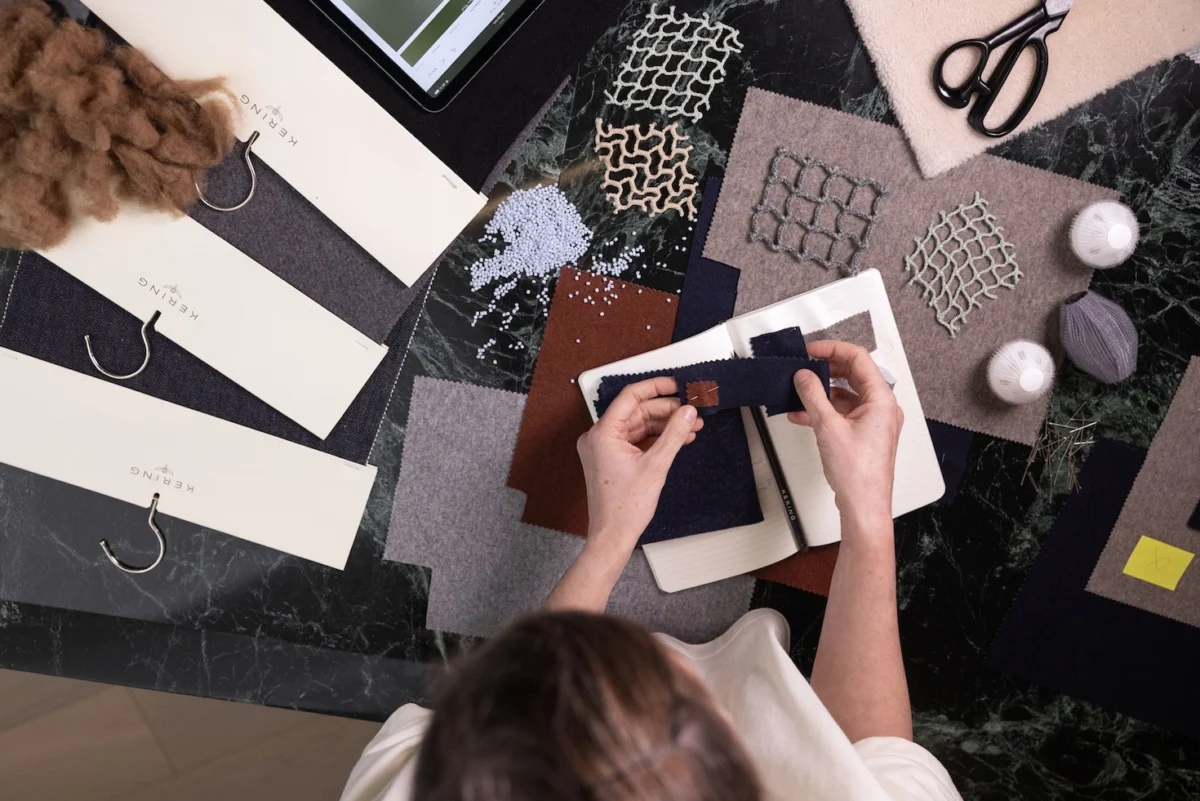
Kering’s commitment to low-carbon innovation is perhaps best represented by its Material Innovation Lab (MIL) in Milan. The MIL acts as a library and a laboratory, offering designers access to over 600 verified, lower-impact fabric and material options. By lowering the barrier to entry for designers—who might otherwise stick to traditional, high-carbon materials—Kering is fostering a culture of innovation from the top down.
Beyond the lab, Kering Ventures plays a critical role in scouting the future. By investing in pioneers like VitroLabs and Sqim, Kering is effectively "de-risking" the adoption of lab-grown or mycelium-based materials. These investments signal to the market that the luxury sector is ready to embrace non-animal alternatives, provided they meet the stringent quality standards required for high-end fashion.
Furthermore, Kering is investing in the future of the industry by collaborating with academic institutions such as HEC Paris, the London College of Fashion, and Tsinghua University. By helping to develop curricula that emphasize circularity, Kering is training the next generation of designers to treat sustainable materials as a "canvas for innovation" rather than a design constraint.
The Circularity Imperative
The final piece of Kering’s strategy is the transition to a circular business model. Recognizing that the luxury industry has historically operated on a "take-make-waste" trajectory, the group is aggressively pivoting toward resale and repair.
Kering’s 5 percent stake in Vestiaire Collective is a strategic move to capture the growing secondary market for luxury goods. "When you restart a new life for products, we think it’s a good example of where sustainability and luxury go hand in hand," Daveu says. "It’s not only an environmental topic. It’s a social advantage because you can sell quality products to younger people, to a generation that may not be able to buy new products."
At the brand level, Gucci has set the standard with its "Circular Hub" in Tuscany. This facility serves as an innovation center focused on the end-of-life of products. It facilitates shared research, improves logistics for supply chain recovery, and trains partners in design-for-disassembly. By constructing products so that they can be easily repaired or disassembled, Kering is ensuring that luxury items maintain their value and utility far longer than traditional fast-fashion garments.
Implications for the Future of Fashion
Kering’s model presents several key implications for the broader luxury landscape. First, it highlights the obsolescence of the "greenwashing" era; by utilizing the EP&L system and transparently reporting on absolute emission cuts, Kering sets a benchmark for accountability that other conglomerates will be forced to follow.
Second, the group’s focus on design-led sustainability suggests that the aesthetic of luxury is changing. No longer defined solely by exclusivity and novelty, the luxury of the future is increasingly defined by longevity, traceability, and a deep respect for the ecological systems that provide raw materials.
Finally, the success of the MIL and the Circular Hub suggests that collaboration, rather than competition, is the key to industry-wide decarbonization. By sharing research and training suppliers in new techniques, Kering is raising the floor for the entire luxury supply chain.
As Kering continues its journey toward a net-zero future, the challenge remains significant. Scaling regenerative agriculture and managing the carbon-intensive logistics of global luxury retail are monumental tasks. However, by treating sustainability as a fundamental driver of business strategy rather than a marketing add-on, Kering is proving that the most prestigious fashion houses in the world can, and must, be the leaders in the global effort to preserve our planet.