Introduction: A Strategic and Financial Drain
The United States Navy, the backbone of American maritime power, is currently grappling with an internal crisis that threatens both its fiscal health and its strategic posture. According to a scathing new report from the Government Accountability Office (GAO), the service has squandered $3.4 billion over the past decade due to maintenance bottlenecks and prolonged "idle time" for its attack submarine fleet. As the aging Los Angeles-class vessels reach the end of their service lives, the Navy faces a worsening backlog that could see an additional $3.1 billion in taxpayer funds vaporized by 2030 if systemic inefficiencies remain unaddressed.
The GAO report, a declassified version of a document originally issued in July, paints a picture of a service struggling to manage the transition between active service and final retirement. The result is a fleet of "zombie" submarines—vessels that are no longer combat-capable yet remain fully crewed, maintained, and operational in name, consuming resources that the Navy can ill afford to lose.
Main Facts: The Anatomy of Inactive Idle Time
At the heart of the GAO’s findings is the concept of "inactive idle time"—a status where a submarine has reached the end of its functional life or is awaiting necessary maintenance, yet remains on the books as an active-duty asset.
When a submarine enters this state, its dive certification typically expires, stripping it of its ability to conduct underwater operations. Despite this, the vessel remains a financial liability. It requires a full complement of sailors to maintain security, reactor safety, and basic vessel upkeep. These sailors, who are often highly specialized, remain tethered to a ship that cannot sail, effectively removing them from the active labor pool during a time when the Navy is facing a severe shortage of qualified personnel.
The report highlights that the problem is not merely a logistical oversight but a systemic failure in long-term planning. Between fiscal years 2026 and 2030, the GAO projects that 15 attack submarines will enter this state of limbo, resulting in a staggering 14,000 cumulative days of inactivity.
Chronology: A Decade of Slippage
The trajectory of the current crisis can be traced back to 2015, the point at which the GAO began identifying a sharp uptick in idle time metrics.
- 2015–2024: The Navy experiences a steady rise in non-operational time for its submarine fleet, largely driven by shipyard capacity constraints. During this period, the service loses $3.4 billion due to maintenance delays.
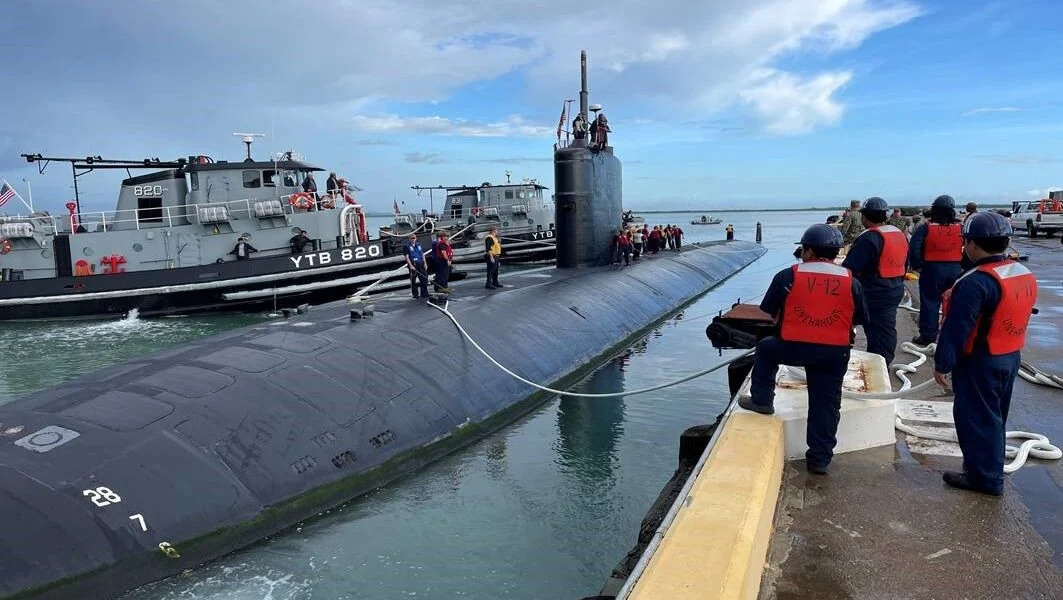
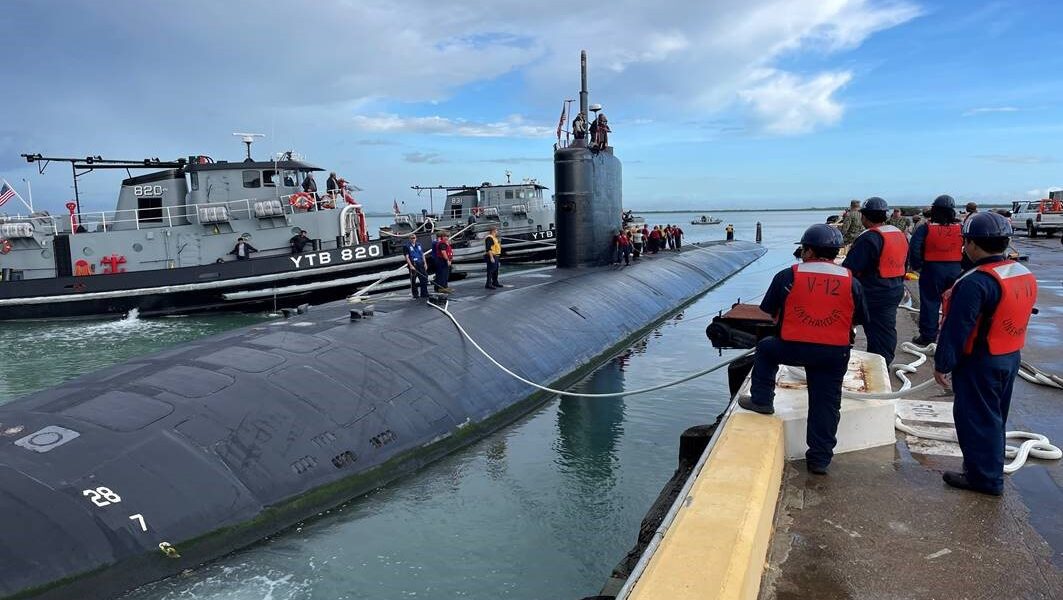
- January 1, 2025: The USS Pasadena (SSN-752) is officially placed into inactive status, marking the beginning of its journey toward decommissioning.
- July 2026: The GAO issues a classified report to Congress detailing the systemic nature of the decommissioning backlog.
- August 2026: A public version of the GAO report is released, exposing the $3.1 billion projected cost for the 2026–2030 period.
- November 15, 2028 (Projected): The earliest expected decommissioning date for the USS Pasadena.
This three-year-plus gap between inactivation and final decommissioning for the Pasadena is not an outlier; it is increasingly the industry standard. The vessel serves as a case study for the entire Los Angeles-class fleet, which is currently undergoing a mass retirement phase that the Navy’s current infrastructure is ill-equipped to handle.
Supporting Data: The Cost of Inaction
The numbers provided by the GAO offer a sobering look at the opportunity costs of these delays. The USS Pasadena serves as a primary example of how money is misallocated. Because the Navy lacks the shipyard capacity to scrap or dismantle the vessel in a timely manner, the boat sits at the pier.
During this nearly four-year period, the Navy is projected to spend over $300 million just to keep the Pasadena in a state of suspended animation. This includes the salaries of the crew, the costs of pier-side utility support, and the logistical burden of maintaining a nuclear-powered vessel that is no longer part of the active strategic deterrent.
Furthermore, the report highlights a compounding problem: the Virginia-class submarine program, meant to replace the outgoing fleet, is suffering its own delivery delays. The Navy’s goal of producing two Virginia-class boats per year remains elusive, with current output sitting at only one per year. This production shortfall, driven by supply chain instability and a lack of skilled shipyard labor, means that for every day a Los Angeles-class sub stays in the water, the Navy is effectively one day further from achieving its desired fleet size.
Official Responses: The Navy’s Defense and the GAO’s Critique
When confronted with these findings, Navy officials offered a defense centered on adaptability. They noted that the service attempts to repurpose inactive boats, such as the Pasadena, into training platforms. By using these vessels for pier-side drills and specialized training, the Navy argues that it is extracting some value from an otherwise dead asset.
However, the GAO was unmoved by this justification. The watchdog’s report explicitly states that the Navy has not fully evaluated alternative decommissioning strategies, such as expedited disposal processes or the use of private-sector shipyards for non-nuclear dismantling tasks. The GAO’s recommendation is clear: the Navy must move beyond ad-hoc mitigation strategies and develop a comprehensive, multi-year inactivation plan that prioritizes the rapid removal of non-operational assets from the fleet.
While the Navy did not provide a formal written response to the report’s specific recommendations, officials verbally concurred with the findings during the review process. This silent acknowledgment suggests an internal recognition of the problem, though it remains to be seen whether the service will secure the necessary funding or legislative support to overhaul its decommissioning pipeline.
Implications: Strategic and Personnel Readiness
The implications of this report extend far beyond the balance sheet. In the current geopolitical climate, the U.S. Navy is tasked with maintaining a presence in the Indo-Pacific and the Atlantic to counter peer competitors. Every sailor assigned to an inactive Los Angeles-class boat is a sailor unavailable for duty on an active-duty vessel or an emerging Virginia-class platform.
The Personnel Drain
The Navy’s human capital is one of its most strained resources. By forcing highly trained submariners to operate in "inactive" environments, the service risks morale degradation and burnout. Skilled sailors enlist to operate at sea, not to perform caretaker duties on ships slated for the scrap heap. This misallocation of human resources exacerbates existing retention issues, creating a vicious cycle where the Navy struggles to crew its most modern ships because its personnel are tied up in the maintenance backlog of its oldest ones.
The Strategic Deficit
From a strategic perspective, the inability to decommission ships efficiently creates a "readiness gap." If the Navy’s total fleet count is inflated by ships that are effectively inert, the true, deployable strength of the U.S. submarine force is lower than what is reflected on paper. This miscalculation can affect long-term procurement planning and diplomatic signaling.
The Path Forward
To rectify this, the GAO suggests a multi-pronged approach:
- Investment in Shipyard Infrastructure: Without upgrading the facilities capable of dismantling nuclear-powered vessels, the bottleneck will only worsen as the Los Angeles-class reaches its retirement peak.
- Private-Sector Integration: The Navy should explore legal and logistical frameworks to offload decommissioning tasks to private shipyards that have the capacity to expedite the process.
- Standardized Inactivation Protocols: Moving away from the current case-by-case approach toward a standardized, accelerated decommissioning timeline would allow for more predictable budget cycles.
As the Navy moves into the late 2020s, the "Pasadena problem" serves as a warning. The service is currently paying for the past—in the form of aging hulls—at the expense of its future. Whether the Navy can reform its decommissioning processes will be a litmus test for its ability to manage the complexities of modern naval warfare and ensure that its limited resources are directed toward the tip of the spear, rather than the anchor.