
For years, cybersecurity experts have issued dire warnings regarding the dangers of “cheap”, generic Android-based TV streaming boxes. Marketed as an affordable “all-access pass” to unlimited entertainment for a one-time fee, these devices have long been suspected of compromising home networks. However, a groundbreaking investigation by the security firm Bitsight has peeled back the curtain on a much more sinister reality: these devices are not just passive gateways for content; they are active, weaponized participants in a global, AI-driven advertising fraud syndicate.
The latest findings reveal that these popular streaming sticks, most notably the “H96” brand, are secretly spoofing mobile phone identities to click on advertisements across thousands of AI-generated websites. This sprawling operation, traced to a mainland Chinese firm, is defrauding advertisers and merchants on an industrial scale, turning millions of unsuspecting living rooms into nodes for a sophisticated criminal enterprise.
The Anatomy of the Fraud: A Digital Trojan Horse
The investigation, led by Bitsight threat researcher Pedro Falé, began in an unconventional way. By registering an expired domain that had previously been used for device telemetry, Falé gained a front-row seat to the internal operations of the H96 ecosystem. The domain had been responsible for collecting hardware telemetry and app lists from tens of thousands of H96 devices globally.
Upon analyzing the incoming traffic, Falé made a startling discovery: the vast majority of these television-connected devices were reporting themselves to the network as mobile phones—specifically, models from major manufacturers such as Samsung, Vivo, Huawei, and Xiaomi.

“We noticed something was wildly wrong,” Falé told KrebsOnSecurity. “Multiple devices reporting to this factory Android TV Box backdoor were claiming to be mobile phones.”
This "identity theft" is the lynchpin of the operation. By masquerading as mobile devices, these TV boxes can interact with advertising networks that specifically target mobile users, who are often considered more valuable by advertisers. The TV boxes then engage in automated, human-like navigation of websites, clicking on ads and driving up traffic metrics for a network of sham sites operated by the same criminal entity.
Chronology of the Discovery: From Telemetry to Exposure
The trail led Bitsight researchers to Zhejiang Fengwo IoT Technology Ltd, a company founded in 2019 in mainland China. Operating under the umbrella of the "Fengwo Group," this entity appears to be the mastermind behind the infrastructure.
Phase 1: Infiltration and Spoofing
The H96 devices arrive pre-infected with two specific apps developed by Zhejiang Fengwo. These apps serve as the control layer. When a user plugs in their device, it establishes a persistent connection to the Fengwo backend.

Phase 2: The "Blockly" Automation Factory
Bitsight’s analysis identified that the Fengwo Group utilized a proprietary implementation of Google’s Blockly—a visual programming language originally designed to teach children how to code. By using a drag-and-drop interface, the group’s operators—who do not necessarily need high-level coding skills—can define complex "fraud routines."
These routines are exported as JavaScript and deployed to S3 buckets. When an H96 device is tasked with a fraud job, it downloads these modules. The modules then launch hidden web browsers, navigate through AI-generated news and lifestyle blogs, and execute clicks on advertisements, all while mimicking human behavior to bypass traditional fraud detection filters.
Phase 3: The Dual-Role Ecosystem
Perhaps the most ingenious aspect of the operation is the device’s "work-life balance." Bitsight discovered that the boxes toggle between two roles based on user activity. When a user is actively streaming content (detected via an active HDMI signal), the box functions as a "residential proxy," renting out the user’s bandwidth to anonymous third parties. When the TV is turned off, the box shifts its processing power to the intensive, high-traffic demands of the ad fraud network.
Supporting Data: The Scale of the Syndicate
The numbers associated with this operation are staggering. Bitsight tracked approximately 38,000 H96 devices phoning home to a single, older domain. Conservative estimates suggest this specific segment of the network generates nearly $50,000 in fraudulent revenue every single day.

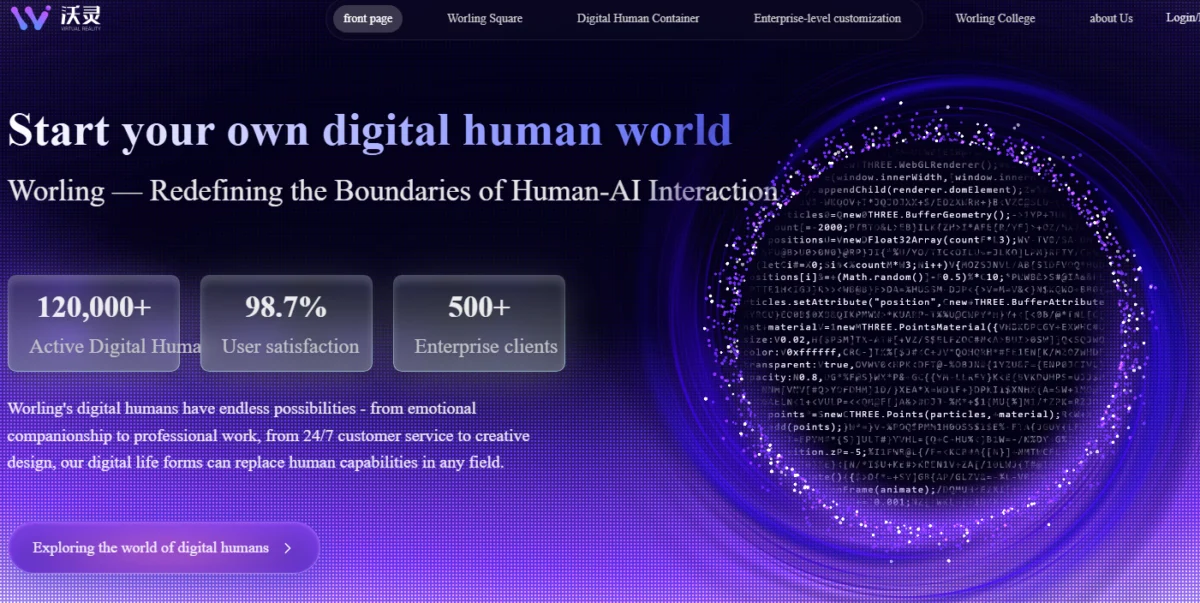
When extrapolated across the broader Fengwo Group portfolio and their alleged "120,000 AI digital humans"—a claim that likely serves as a marketing front or a distraction—the total financial impact on the digital advertising industry is likely in the tens of millions of dollars annually.
The Fengwo Group’s infrastructure is highly compartmentalized. They use various shell identities across Hong Kong, Singapore, and individual "proxy" entities to collect payments, creating a labyrinthine paper trail designed to thwart international law enforcement and financial regulators.
Official Responses and Warnings
The FBI has been vocal about the risks associated with these "grey-market" streaming devices. In recent alerts, the Bureau warned that home internet-connected devices—particularly those from unknown manufacturers—are frequently leveraged by criminal actors to facilitate illegal activity, ranging from distributed denial-of-service (DDoS) attacks to credit card fraud and illicit content hosting.
Despite these warnings, these devices remain readily available on major e-commerce platforms including Amazon, Best Buy, and Newegg. Often marketed by social media influencers as a "money-saving" solution for cord-cutters, these boxes provide a veneer of legitimacy that masks a deeply compromised operating system.

When KrebsOnSecurity attempted to reach the Fengwo Group for comment, the company’s official communication channels proved predictably useless. An email sent to their listed contact address bounced back with a notification stating that the inbox was either full or receiving too much traffic—a fittingly ironic end to a request for information from a group that profits from generating massive, fake traffic.
Implications: The Consumer Burden
The implications of this discovery are twofold: legal/financial and personal.
The Erosion of Digital Trust
For the advertising industry, this is an existential crisis. If major brands are paying to have their ads displayed to "mobile users" who are actually just stationary, hacked TV boxes in remote locations, the entire model of digital programmatic advertising is undermined. This fraud inflates marketing budgets and renders analytics data entirely untrustworthy.
The Home Network Security Nightmare
For the consumer, the presence of these boxes is a security disaster. Because these devices lack authentication and are inherently insecure, they serve as an "open door" into the home network. Once a hacker has control of a device on your Wi-Fi, they can potentially pivot to other devices, including personal computers, smart thermostats, and security cameras.

The practice of "residential proxying" is particularly concerning. By allowing an unknown third party to route their traffic through your IP address, you are effectively becoming a proxy for potentially illegal acts—ranging from illegal file sharing to cyber-attacks—all of which will trace back to your home connection.
How to Protect Yourself
Security experts are urging a "return to quality" when it comes to connected home hardware. To mitigate these risks, consumers should:
- Stick to Name Brands: Only purchase streaming devices from reputable manufacturers like Apple, Google, Roku, or Amazon (Fire TV). These companies are held to higher standards of security and provide regular, verified firmware updates.
- Verify Android Certification: If you choose an Android-based device, ensure it is officially Play Protect certified. You can check your device’s status in the Google Play Store settings under "Play Protect."
- Consult Transparency Lists: Organizations like Synthient maintain public repositories of IoT devices known to ship with malicious software or residential proxy services. Checking these lists before making a purchase can save you from inadvertently inviting a botnet into your home.
- Audit Your Network: If you suspect you own a compromised device, disconnect it immediately. Perform a factory reset, but better yet, retire the device entirely and replace it with a reputable alternative.
The "unlimited streaming" promised by these $30 boxes comes at a hidden price: the erosion of your privacy, the security of your home network, and the integrity of the internet economy. As Pedro Falé and his team at Bitsight have demonstrated, there is no such thing as a free lunch—or, in this case, a free movie. Behind every "too-good-to-be-true" streaming box, there is likely a digital architect building a botnet in your living room.