By TechCrunch Editorial Staff
November 23, 2026
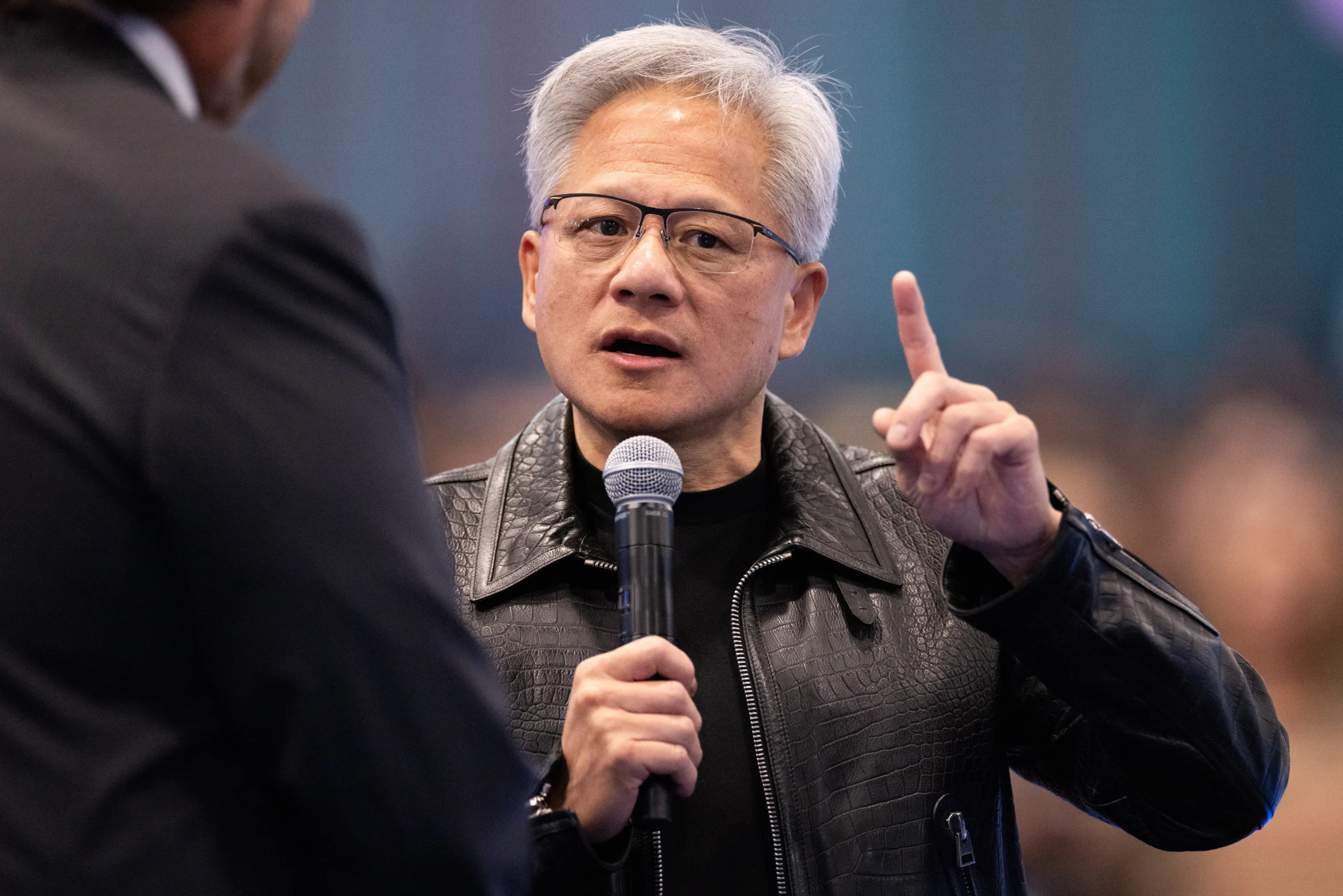
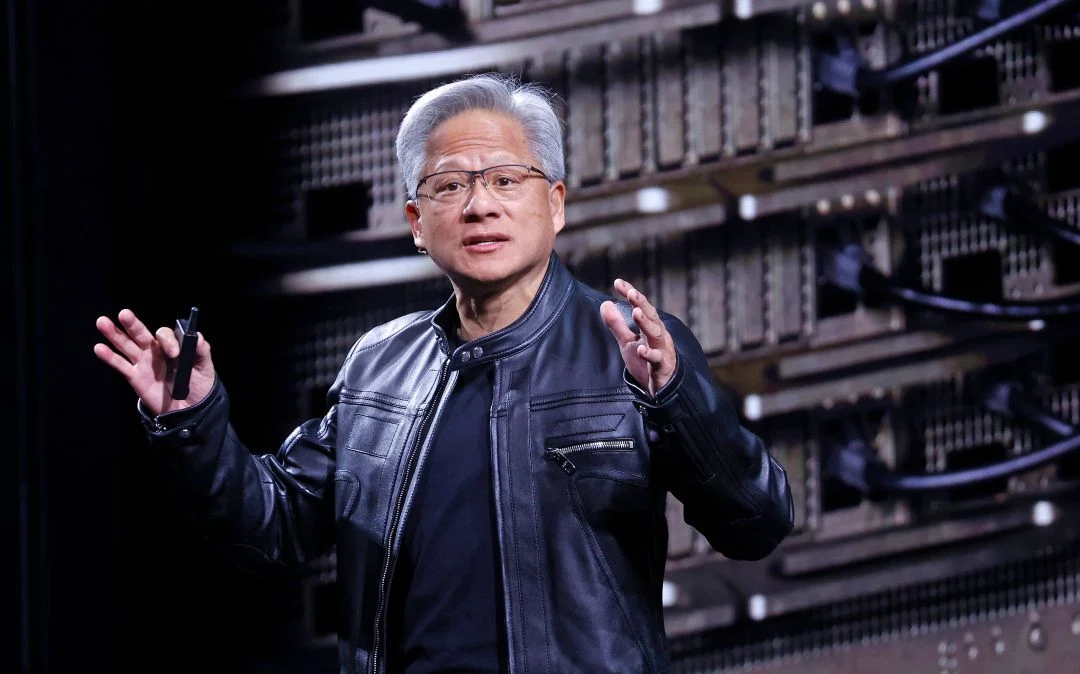
In a scene that defies conventional corporate governance and has sent shockwaves through the global technology sector, Jensen Huang, the embattled founder and former CEO of Nvidia, returned to the company’s headquarters on Monday. His arrival was marked by a hero’s welcome—hundreds of employees gathered in the main atrium, erupting into rhythmic chants of his name as he walked through the doors. The spectacle, captured in viral social media footage, serves as a startling punctuation mark to a week of unprecedented turmoil for the world’s most valuable chipmaker.
Huang’s reinstatement comes only days after his initial resignation, a move that had been forced by a cascading series of personal and professional scandals that triggered federal investigations and national security concerns. His return, however, was not the result of a quiet board reversal, but rather the culmination of a massive grassroots campaign and direct political pressure from the highest levels of the U.S. government.
The Chronology of a Corporate Upheaval
The events of the past week have unfolded with the pace and intensity of a political thriller. To understand the current climate at Nvidia, one must look at the rapid-fire sequence of events that brought the company to the brink of collapse:
- Mid-November 2026: Leaked reports regarding Huang’s private life begin to surface, detailing an alleged affair with a suspected Chinese intelligence operative. Simultaneously, revelations emerge regarding two separate consensual affairs with subordinates within Nvidia.
- November 19, 2026: Following a deluge of negative media coverage and the initiation of Congressional hearings focused on the potential compromise of national security, the Nvidia Board of Directors requests and receives Huang’s resignation.
- November 20, 2026: A damning report from The New York Times is published, alleging a toxic internal culture at Nvidia where Huang purportedly used "humiliation as a tool" to manage staff.
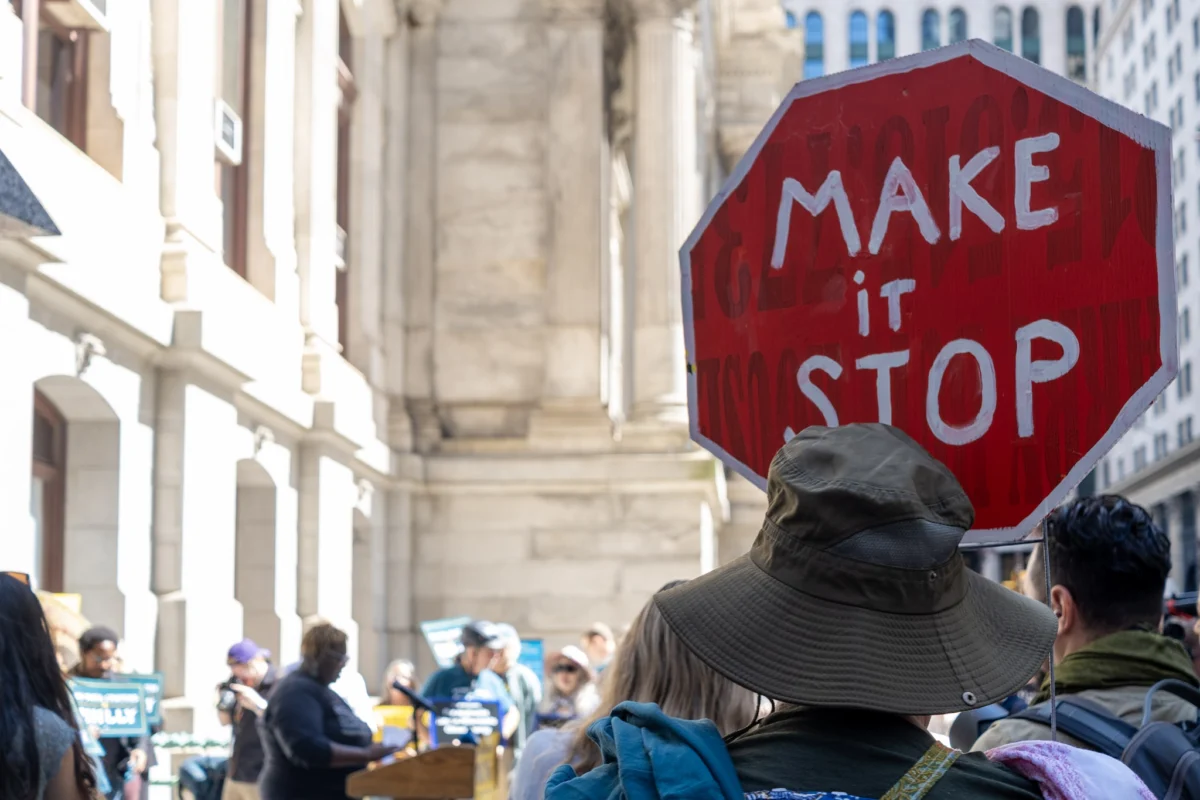
- November 21–22, 2026: A massive support movement gains momentum. An open letter, hosted at StandWithJensen.com, gathers over 200,000 signatures, including roughly 10,000 current Nvidia employees.
- November 23, 2026: Reports surface that President Donald Trump intervened directly, calling into an emergency Nvidia board meeting to advocate for Huang’s immediate return.
- November 23, 2026: Jensen Huang is officially reinstated as CEO and makes his first public appearance at the company’s Santa Clara headquarters.
The Weight of the Allegations
The scandals surrounding Huang are multifaceted, ranging from the personal to the existential. The most severe of these, from a regulatory standpoint, is the allegation regarding his relationship with an individual suspected of ties to Chinese intelligence. Given Nvidia’s pivotal role in the development of artificial intelligence—and the ongoing geopolitical friction regarding semiconductor export controls—the implication that the leader of the world’s most critical hardware firm might have been compromised has sparked intense scrutiny from the House Permanent Select Committee on Intelligence.
Furthermore, the ethical concerns raised by the two internal affairs have placed Nvidia’s HR policies under a microscope. While internal relationships are not uncommon in corporate life, the power dynamic inherent in a CEO-employee relationship at a company of Nvidia’s size has led to questions regarding corporate governance and board oversight.
Compounding these issues is the recent investigative reporting into Nvidia’s internal culture. For decades, the narrative surrounding Huang has been one of visionary leadership and intense, albeit demanding, innovation. However, current and former employees have recently come forward to describe a different reality. The New York Times investigation detailed instances where staff were belittled in public meetings, suggesting that the "intensity" often praised by investors was, for many, a form of emotional and professional abuse.
The Grassroots and Elite Pushback
Despite the gravity of these accusations, the response from both the tech community and the rank-and-file at Nvidia has been overwhelmingly supportive of Huang. The #StandWithJensen movement represents one of the largest displays of employee solidarity in Silicon Valley history.
"I have worked under Jensen for six years," one anonymous senior engineer told TechCrunch. "Yes, he is tough. Yes, he expects perfection. But he is also the only reason this company is the backbone of the global AI revolution. You don’t replace the pilot in the middle of a storm."
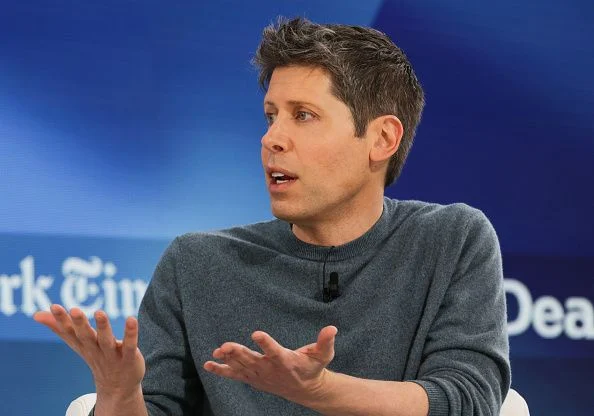
This sentiment was echoed by some of the most influential figures in tech. Elon Musk, speaking at the DealBook Summit last week, offered a stark defense of the Nvidia founder. "Let’s be clear about what we are talking about," Musk stated. "Jensen Huang is the Michael Jordan of the tech world. You don’t kick Michael Jordan off your team in the middle of a winning streak because of personal drama. You focus on the championship."

This perspective, which prioritizes technological dominance and market stability over traditional corporate morality, appears to have resonated with a large portion of the investor class, contributing to the pressure that ultimately saw the board reverse its decision.
Official Responses and Political Intervention
The most controversial aspect of Huang’s reinstatement remains the reported intervention by the White House. Sources close to the board of directors confirmed that President Donald Trump placed a call to the board during a closed-door session on Sunday night.
While the White House has not issued an official statement confirming the content of the call, industry analysts suggest that the administration views the stability of Nvidia as a matter of national security. With the U.S.-China AI arms race reaching a boiling point, the prospect of a leadership vacuum at the company responsible for the H-series and B-series chips was viewed as an unacceptable risk.
"The government sees Nvidia as a strategic asset," said Sarah Jenkins, a senior policy analyst at the Brookings Institution. "When the CEO of a company that holds the keys to the future of AI becomes a liability, the government has two choices: force a transition or stabilize the existing asset. It seems the current administration chose the latter, prioritizing continuity over the optics of the scandals."
Implications: A New Era of Corporate Autocracy?
As Jensen Huang stepped onto the stage at headquarters today, his message was one of contrition and commitment. "Thank you all for the second chance," he told the crowd. "I’m going to be a better CEO the second time around."
But as the cheers subside, the implications of this week remain profound. Nvidia has set a dangerous, or perhaps revealing, precedent: that for a leader of sufficient importance, personal and ethical failures can be mitigated by economic success and political utility.
Long-term Market Outlook
Investors have reacted cautiously but positively to the news, with NVDA shares recovering slightly in pre-market trading following the announcement of his return. The market clearly values Huang’s technical vision and his ability to navigate the complex AI hardware landscape above the reputational damage incurred by the recent scandals.
Internal Culture and Talent Retention
While the "chanting crowd" suggests high morale, the reality is likely more bifurcated. The company now faces the challenge of reconciling the "cult of personality" surrounding Huang with the allegations of a toxic, bullying culture. If Nvidia fails to address the underlying HR and governance issues, it risks a "brain drain" of talent that could, in the long run, do more damage than the scandals themselves.
Regulatory Future
The Congressional hearings into the alleged Chinese espionage connection are far from over. The fact that Huang is back in the CEO chair does not grant him immunity from federal investigation. If evidence emerges that proprietary technology or national secrets were compromised, the "second chance" offered by the board and the White House may be short-lived.
As the sun sets on a chaotic November, Nvidia finds itself in a state of suspended animation. Jensen Huang is back, the AI chips are still shipping, and the company remains the center of the technological world. Yet, the foundations of the company have been shaken. The question now is whether the "second time around" will truly be different, or if the events of this week have merely cemented a new, more autocratic reality for one of the most powerful companies on Earth.