
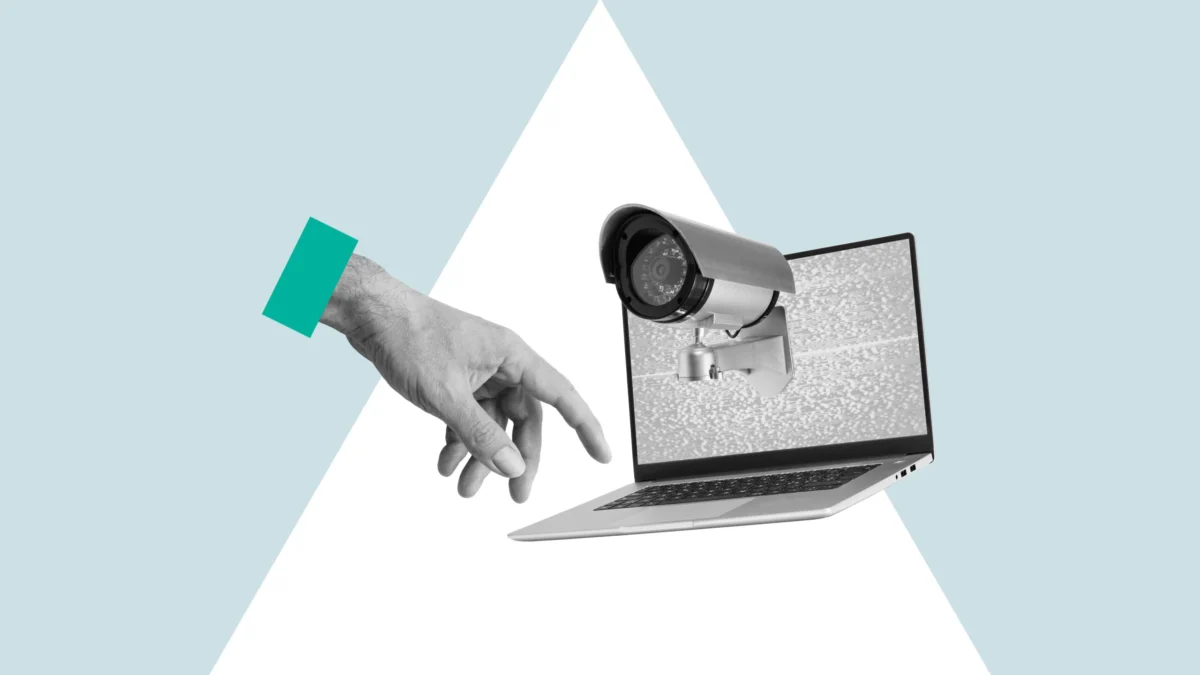
The rapid integration of Artificial Intelligence into the workplace has promised to streamline productivity, automate administrative drudgery, and ensure no actionable insight from a virtual meeting is ever lost. However, this convenience has come at a steep price: a growing collision between the aggressive data-harvesting practices of AI developers and the fundamental privacy rights of meeting participants.
The latest casualty in this legal tug-of-war is Granola, an AI-powered note-taking startup that has been slapped with a class-action lawsuit in a California federal court. The suit, filed on July 30, alleges that the company’s software is designed to operate in the shadows, recording and transcribing sensitive workplace conversations without the explicit consent of all participants. This legal action signals a broader, industry-wide reckoning as courts begin to scrutinize how "AI assistants" handle the most intimate data of the modern digital office—human speech.
The Core Allegations: Stealth and Surveillance
The lawsuit, initiated by Florida resident Tarra Chamberlain in the U.S. District Court for the Northern District of California, paints a damning picture of Granola’s operational philosophy. Unlike traditional recording bots—which announce their presence in a Zoom or Microsoft Teams call with a visible "Joining" notification or a generic bot name—Granola’s software operates locally on the user’s device. By capturing audio directly from the computer’s output, the app can record, transcribe, and summarize meetings without ever appearing as a participant on the call.
The complaint argues that this design is not an accidental technical quirk, but a "purposeful" feature. Plaintiffs allege that by bypassing the standard "bot-in-the-room" protocols, Granola effectively enables surreptitious surveillance. This, the lawsuit contends, stands in direct violation of the California Invasion of Privacy Act (CIPA), which mandates that all parties involved in a communication must consent to being recorded.
Beyond the act of recording itself, the lawsuit takes aim at what happens to that data once it is captured. The complaint asserts that Granola uses this meeting data by default for commercial gain, specifically for the training of its proprietary AI models. The plaintiffs argue that Granola explicitly markets the "hidden" nature of its technology as a competitive advantage, incentivizing users to record colleagues and clients without their knowledge or authorization.
A Chronology of Escalating Legal Tension
The Granola case is not an isolated incident; it is part of a growing wave of litigation targeting the AI-native productivity sector.
- 2023: The legal landscape began to shift as class-action lawsuits began to target major transcription vendors. A notable case was filed against Otter.ai, alleging the company surreptitiously records users to train its speech-recognition algorithms without securing informed consent.
- July 2024: The complaint against Granola is filed in the Northern District of California, marking a significant escalation as it targets a newer generation of "invisible" AI note-takers.
- August 2024: During a pivotal court hearing regarding the Otter.ai litigation, U.S. District Judge Eumi K. Lee expressed skepticism toward the defendant’s motion to dismiss the case. While no immediate ruling was issued, the judicial sentiment suggests that the legal shield often claimed by tech companies—that they are mere "tools" for the user—may not be sufficient to bypass strict privacy statutes.
This timeline reflects a maturing legal environment. Early in the AI boom, software developers operated in a "move fast and break things" environment. Now, as these tools become ubiquitous in corporate enterprise, the legal and regulatory backlash is catching up to the technology.
The Transparency Paradox
In response to the growing scrutiny, Granola has attempted to address the issue of consent through what it describes as "transparency solutions." According to the company’s documentation, users and administrators have the option to toggle on features that provide notice to meeting participants. These include an automated chat message signaling that transcription has commenced and a digital watermark on the user’s video feed.
However, critics argue that these features are insufficient. Because they are "optional" or require administrative configuration, the default state of the software remains one of potential opacity. Furthermore, the company claims that the data used for model training is anonymized and never shared with third parties. While this is a common industry standard, it does little to soothe legal concerns regarding the initial collection of biometric data without an explicit "opt-in" from every individual present in a meeting.
Implications for the Enterprise
The legal battles against Granola and Otter.ai carry profound implications for the global business community. Companies are increasingly reliant on AI to maintain a competitive edge, yet the risks of deploying these tools are becoming harder to ignore.
The Forrester Perspective
Enza Iannopollo, VP and principal analyst at Forrester, has been a vocal critic of the lack of governance surrounding AI note-taking tools. She argues that these apps present a unique danger compared to legacy recording software.
"AI note-taking is significantly more dangerous than any other type of traditional recording tool," Iannopollo notes. "It raises immediate, high-stakes questions about the lifecycle of employee data. Is the recorded audio used for training models? Is the voiceprint being archived? How does an individual exercise their right to be ‘forgotten’ after their biometric data has been processed and ingested into a massive neural network?"
These questions move beyond standard privacy concerns into the realm of human rights. When a company deploys an AI tool, it is essentially asking its employees to surrender their speech patterns and workplace interactions to a private vendor’s training set. For organizations, this creates a massive liability.
Corporate Risk Management
For the enterprise, the message is clear: "plug and play" adoption of AI tools is a high-risk endeavor. Iannopollo recommends that organizations implement a rigorous vetting process before allowing any AI-driven software to enter the corporate ecosystem. This involves:
- Contractual Alignment: Ensuring that vendors are contractually prohibited from using company data to train public models.
- Consent Architecture: Verifying that the tool requires affirmative consent from all participants, rather than relying on opt-out or "stealth" modes.
- Data Sovereignty: Understanding exactly where data is stored and the process for total deletion upon request.
- Compliance Auditing: Treating these tools as handlers of sensitive biometric data, which triggers a higher tier of legal obligations under laws like the CCPA and GDPR.
The Future of AI in the Workplace
The ongoing litigation against Granola and Otter.ai will likely serve as a bellwether for the future of the AI industry. If the courts rule that developers are responsible for ensuring consent, we may see a fundamental shift in product design. Future AI assistants may be required to have "hard-coded" transparency, where the software cannot record unless it detects that all participants have provided verifiable consent.
However, this could also stifle innovation. If the "hidden" or "seamless" nature of these tools is stripped away, the friction of starting a meeting could increase, potentially discouraging adoption. Yet, for many, this is a price worth paying. The fundamental right to privacy—the right to control how one’s voice and thoughts are captured and used—must take precedence over the convenience of a summarized to-do list.
As Judge Eumi K. Lee and her counterparts in California consider the arguments, the tech industry is being put on notice. The era of "invisible" AI data collection is closing. Companies like Granola may soon find that their most valuable asset—the data they harvest—is also their greatest legal liability.
For now, organizations should proceed with extreme caution. The next time you enter a virtual meeting, look closely at the participant list. If you see an AI tool silently transcribing, you might just be the latest data point in a legal battle that will define the boundaries of the digital workplace for years to come.