
As the global aerospace and defense industry prepares to descend upon Hampshire, United Kingdom, for the biennial Farnborough International Airshow (FIA), the stakes have never been higher. Against a backdrop of geopolitical volatility, rapid technological acceleration, and shifting supply chain dynamics, the event serves as the primary theater for the world’s major defense contractors and civil aviation leaders to showcase their latest capabilities.
Breaking Defense Editor-in-Chief Aaron Mehta and Senior Reporter Valerie Insinna, in their recent analysis, have framed this year’s gathering as a critical inflection point. From the evolution of Europe’s sixth-generation combat aircraft initiatives to the hyper-growth of autonomous systems, Farnborough 2024 is poised to be a bellwether for the future of global air power.
Main Facts: The Strategic Landscape
Farnborough remains one of the premier forums for international defense collaboration. Unlike smaller, regional trade shows, this event is where long-term strategic partnerships are solidified, multi-billion-dollar contracts are inked, and the overarching narrative for the next decade of defense spending is established.
The 2024 iteration is expected to focus on three distinct pillars:
- Next-Generation Combat Air Systems (NGCA): The maturation of the Global Combat Air Programme (GCAP) and the ongoing debates surrounding the Future Combat Air System (FCAS).
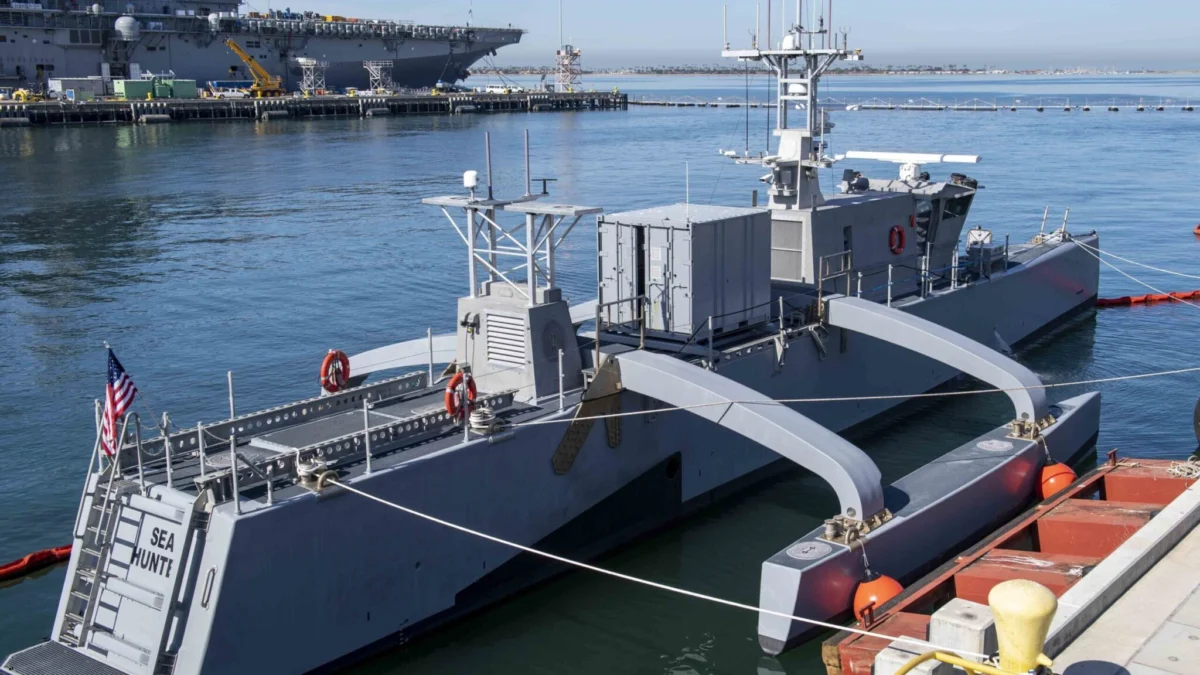
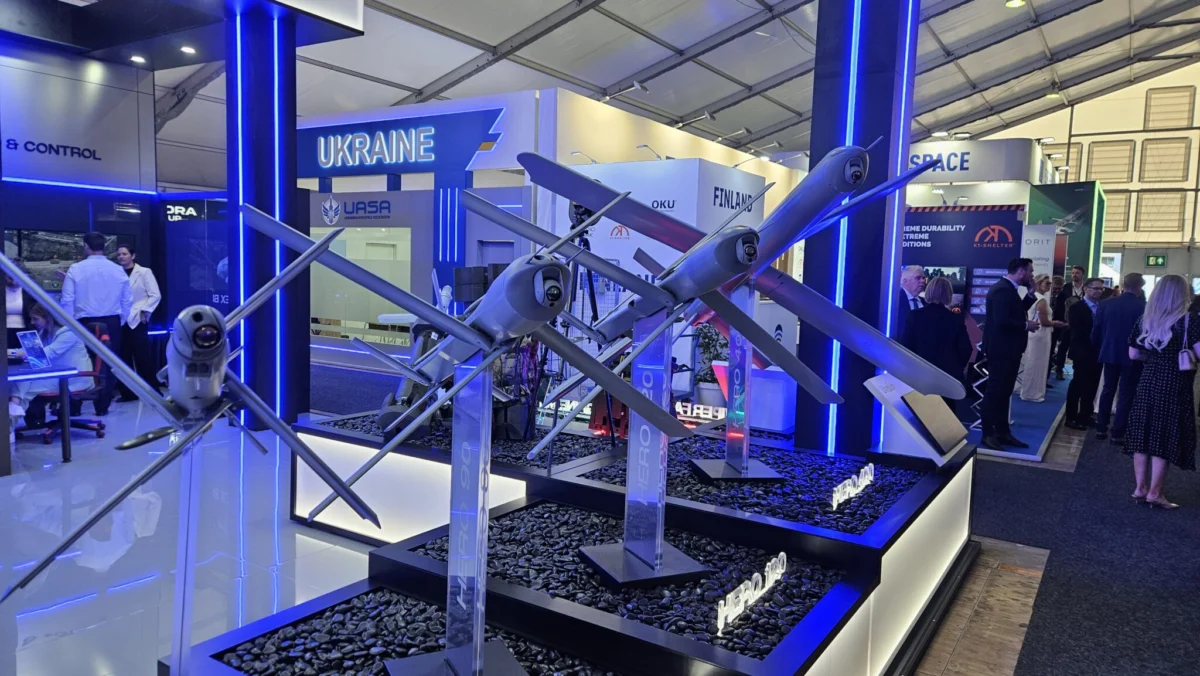
- The Drone Revolution: A pivot from bespoke, high-end platforms toward mass-producible, attritable autonomous systems, influenced heavily by the operational realities of the ongoing conflict in Ukraine.
- Sustainability and Defense Industrial Base (DIB) Resilience: With procurement lead times stretching, the focus is shifting toward how nations can expand manufacturing capacity without sacrificing technological superiority.
Chronology: The Road to Farnborough
The path to this year’s airshow has been defined by a series of rapid developments that have fundamentally altered the defense procurement landscape.
- Late 2023 – Early 2024: Negotiations surrounding the GCAP (the partnership between the UK, Japan, and Italy) entered a critical phase, with participating nations seeking to harmonize their industrial requirements.
- Spring 2024: Global defense budgets reached historic highs, with NATO members committing to sustained increases in defense spending, directly impacting the demand for modern combat aircraft and Integrated Air and Missile Defense (IAMD) systems.
- June 2024: Initial reports surfaced regarding the integration of Artificial Intelligence into modular flight control systems, setting the stage for major announcements at the upcoming show.
- July 2024 (Present): Industry giants are finalizing their exhibition strategies, with a clear focus on demonstrating "combat-proven" technology in simulated environments.
Supporting Data: Economic and Industrial Indicators
The aerospace sector is currently navigating a period of unprecedented expansion, tempered by supply chain fragility.
- Market Growth: The global defense aerospace market is projected to grow at a CAGR of roughly 5.5% through 2030, driven by the replacement of aging fleets and the integration of autonomous, AI-driven capabilities.
- The Drone Sector: Venture capital investment in dual-use drone technology has seen a 40% increase compared to the previous biennial cycle, highlighting a massive shift toward "attritable" airframes that can be replaced quickly in high-intensity conflicts.
- Industrial Capacity: Reports suggest that primary airframe manufacturers are operating at 85-90% capacity, creating a bottleneck that has forced defense ministries to look toward regional sub-contracting and international joint ventures—a trend that will be a central theme in discussions at the show.
Official Responses and Industry Perspectives
Leading defense analysts and industry spokespersons have offered a cautious but optimistic outlook on the upcoming week.
"The industry is currently in a race against time," noted a senior defense procurement analyst. "We are moving away from the era of ‘perfect’ platforms toward an era of ‘sufficient’ and ‘scalable’ platforms. Farnborough is where the reality of that transition will meet the ambition of the designers."
Industry leaders have emphasized the need for "interoperability by design." With the proliferation of different combat systems across NATO, the focus has moved toward ensuring that the next generation of fighter jets—and their accompanying drone swarms—can communicate seamlessly across diverse, contested environments.

Regarding the European sixth-generation fighter debate, European defense officials have hinted at a push for greater "sovereign autonomy." The message from the continent is clear: Europe must be capable of deploying a high-end combat aircraft without complete reliance on non-European supply chains.
Implications: A New Era of Air Power
The developments coming out of Farnborough this year will have profound implications for global security policy.
1. The Shift to Attritable Platforms
The traditional model of defense—relying on a small number of extremely expensive, highly capable aircraft—is being challenged. The rise of drone technology implies that future air campaigns will rely on a "hi-lo" mix: exquisite manned platforms working in tandem with large numbers of expendable, autonomous drones. This changes how procurement offices allocate funds and how commanders structure their force projection.
2. Supply Chain Sovereignty
The disruptions of the last three years have taught defense ministries that reliance on singular, globalized supply chains is a strategic liability. Expect to see significant announcements regarding "near-shoring" of component production and the development of more resilient, localized manufacturing clusters within the UK and Europe.
3. AI and Human-Machine Teaming
Perhaps the most significant technological trend will be the integration of AI into cockpit interfaces and mission systems. The goal is to reduce pilot cognitive load while increasing the tactical effectiveness of the aircraft. Farnborough will likely showcase the first working prototypes of AI-piloted wingmen, a concept that was considered science fiction only a few years ago.
4. The Geopolitical Stance
The airshow serves as a barometer for international relations. The presence (or absence) of certain international delegations will speak volumes about the evolving nature of global alliances. With the Indo-Pacific region becoming a greater focus for Western defense strategy, the integration of European and Asian industrial partners into common defense programs will be a key indicator of where the next decade of geopolitical friction lies.
Conclusion: Staying Ahead of the Curve
As Breaking Defense moves into the exhibition halls next week, our team will be on the ground, providing granular, daily coverage of the technologies that will define the next generation of aerospace.
From the unveiling of new stealth demonstrators to the quieter, but equally important, discussions on manufacturing policy and export controls, the Farnborough International Airshow remains the heartbeat of the defense industrial sector. Readers can expect daily video briefings, photo galleries of the latest hardware, and exclusive interviews with the architects of future air power.
The skies are changing. The technologies are evolving. And at Farnborough 2024, the future of global defense is set to take flight. Stay tuned to Breaking Defense for comprehensive, on-the-ground reporting as the story unfolds.