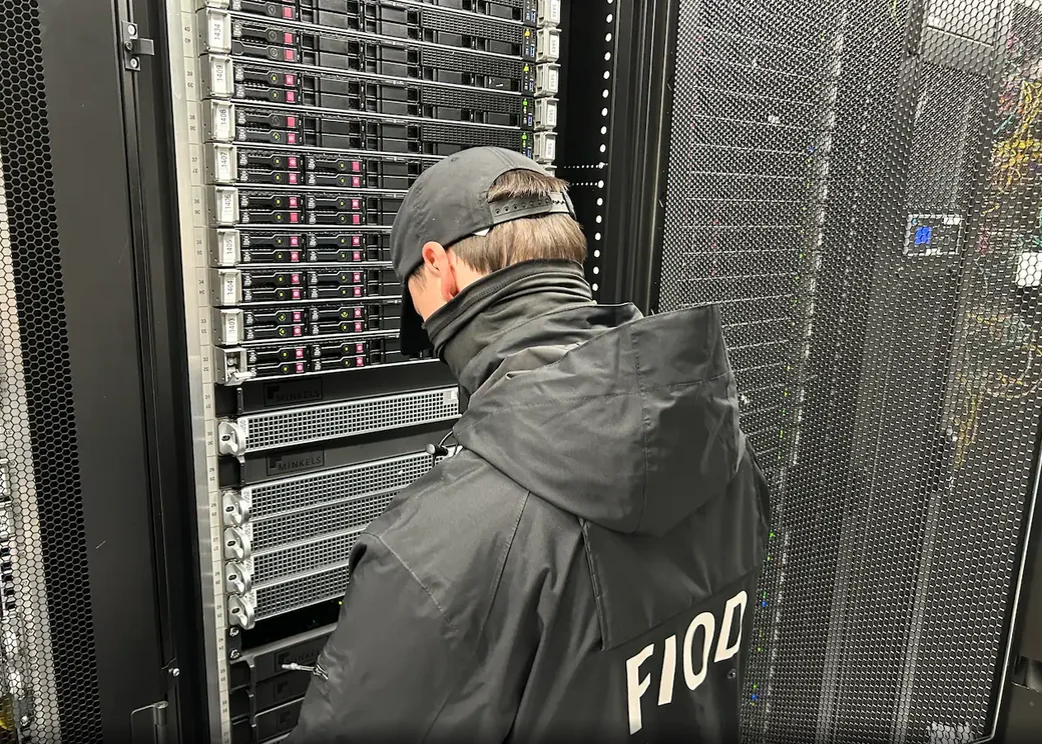
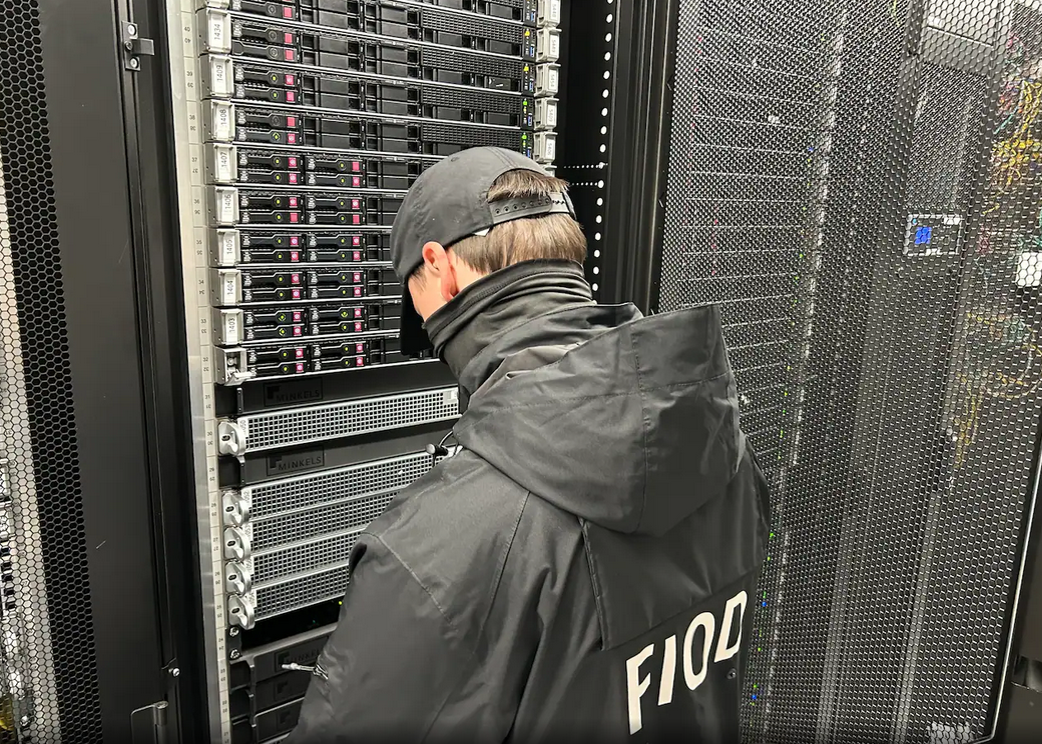
In a sweeping operation that marks a significant escalation in the European Union’s battle against foreign-state cyber aggression, Dutch authorities have dismantled a critical piece of infrastructure allegedly used to facilitate Russian-backed cyberattacks and disinformation campaigns. On May 18, the Tax Intelligence and Investigation Service (FIOD) arrested two men—a 57-year-old Amsterdam resident and a 39-year-old from The Hague—accused of violating international sanctions by providing essential economic and technical resources to entities actively engaged in destabilizing European democratic institutions.
The arrests signal the culmination of a multi-year investigation into the nexus between seemingly legitimate Dutch hosting providers and the shadowy world of Russian intelligence-led hybrid warfare. The operation, which included raids on properties in Enschede and Almere, as well as the seizure of two major data centers in Dronten and Schiphol-Rijk, resulted in the confiscation of over 800 servers, effectively pulling the plug on a network that had become a primary staging ground for digital malice.
The Architect and the Facilitator: A Complex Web
The investigation centers on the intricate relationship between two hosting entities: MIRhosting and WorkTitans BV. At the heart of the probe are the two detained men: Andrey Nesterenko, a 39-year-old Russian native and founder of MIRhosting, and Youssef Zinad, a 57-year-old Dutch consultant who played a pivotal, albeit opaque, role in managing the infrastructure.
For years, these hosting companies served as the backbone for Stark Industries Solutions, an entity that appeared on the digital landscape just two weeks prior to the full-scale Russian invasion of Ukraine in 2022. Stark Industries quickly earned notoriety as a "bulletproof" hosting provider, facilitating massive distributed denial-of-service (DDoS) attacks and supplying proxy services to Russian state-aligned hacking collectives.
The Dutch investigation alleges that when the European Union began clamping down on known bad actors, Nesterenko and Zinad orchestrated a shell-game maneuver to maintain connectivity for these sanctioned entities. By transitioning assets from previous conduits—such as the Moldovan-linked PQHosting—into the Dutch-based WorkTitans, the suspects allegedly ensured that the digital pipeline for Russian cyber operations remained open, shielded by the jurisdiction of a European Union member state.
Chronology of a Digital Evasion
The timeline of this operation reveals a calculated effort to outpace international regulators:
- February 2022: Stark Industries Solutions is launched, coinciding with the Russian invasion of Ukraine. It immediately begins providing infrastructure for cyber-attacks against Western targets.
- May 2024: Investigative reporting exposes Stark Industries as a primary hub for Russian-backed cyber mischief, detailing its reliance on proxy services and anonymity layers.
- May 2025: The EU formally sanctions PQHosting and its owners, the Neculiti brothers, for their role in Russia’s hybrid warfare.
- May 2025 (Pre-Sanction Leak): Aware of pending sanctions, operators move critical Stark network assets from PQHosting to the newly formed entity, WorkTitans BV, which is under the control of Nesterenko and Zinad.
- September 2025: Further reporting highlights that despite the EU sanctions, Stark Industries has successfully bypassed restrictions by routing its traffic through MIRhosting, a Dutch ISP.
- November 2025: Data analyzed by de Volkskrant indicates that during the week of the Danish municipal elections, WorkTitans and MIRhosting were the most-used networks in pro-Russian cyber-attacks targeting Danish government infrastructure.
- May 18, 2026: FIOD executes raids across multiple Dutch cities, arresting Nesterenko and Zinad and seizing over 800 servers.
Supporting Data: The Evidence of Malice
The case against the duo is built on more than just circumstantial evidence. Digital forensic data analyzed by journalists and intelligence agencies alike points to a clear correlation between the infrastructure hosted by WorkTitans and MIRhosting and the surge of cyber-attacks during sensitive political windows.
During the Danish municipal elections in November 2025, the volume of malicious traffic originating from these specific Dutch-based servers spiked significantly. The attacks were not random; they were targeted, sophisticated, and aimed directly at government bodies, suggesting a high level of coordination.
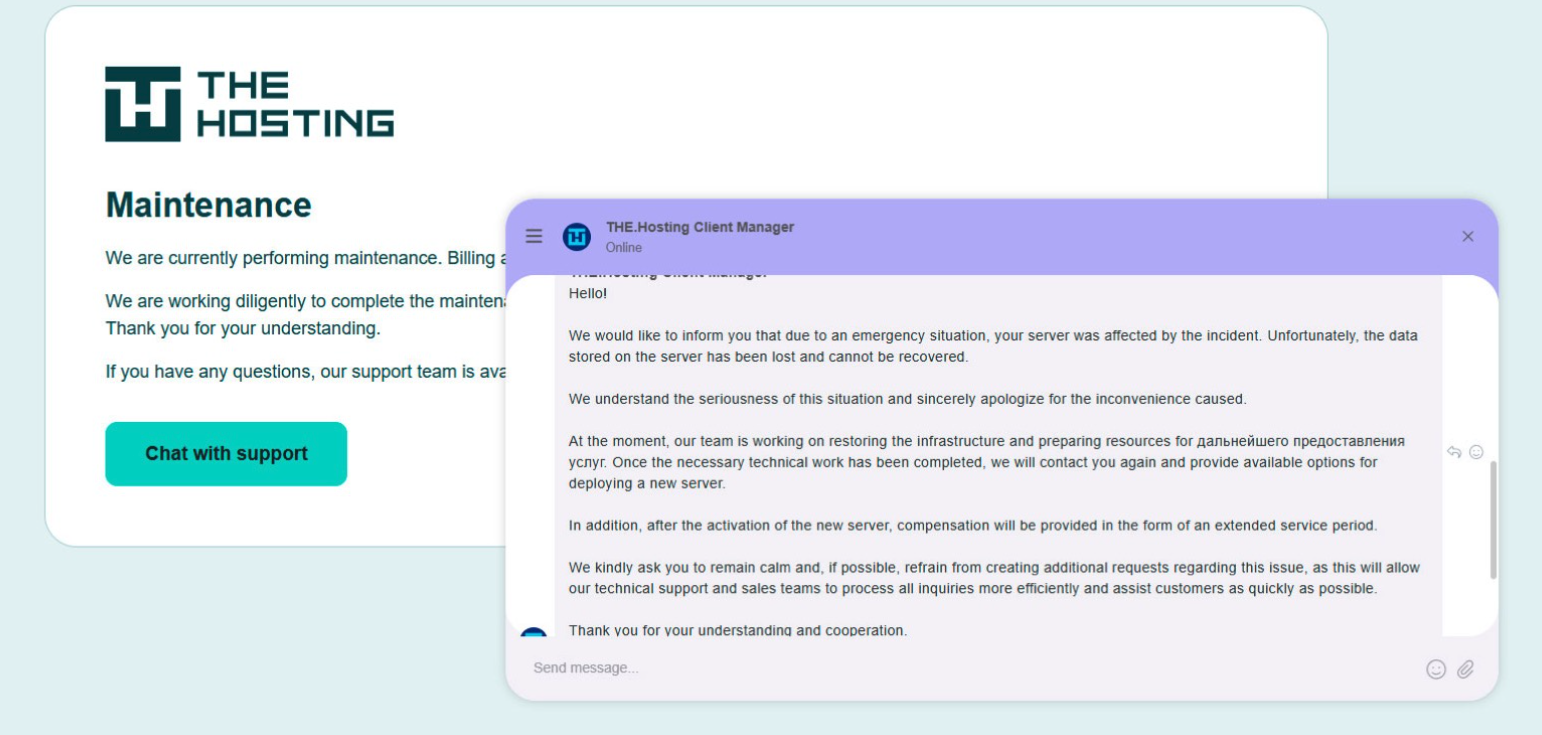
The seizure of 800 servers—now rendered inaccessible to their former clients—has provided investigators with a treasure trove of logs, configurations, and communication data. This cache is expected to yield definitive proof regarding the extent to which Nesterenko and Zinad were aware of, or actively participated in, the deployment of offensive cyber tools.
Official Responses and Denials
In the aftermath of the arrests, the narrative from the accused remains one of professional innocence. Andrey Nesterenko, whose background includes a history as a piano prodigy before transitioning into the hosting business in 2004, has maintained that his businesses were legitimate enterprises caught in a geopolitical crossfire.
"The transition to the.hosting was not intended to evade sanctions," Nesterenko stated in an email response. "The hardware and customer portfolio had already been transferred to WorkTitans before the sanctions appeared. Closing or damaging a legitimate Dutch infrastructure company will not stop cybercrime, but it will harm many people who have done nothing wrong."
Nesterenko has specifically denied that Youssef Zinad was an employee, characterizing their relationship as a "normal business-to-business arrangement." However, this defense is undermined by internal documents, including email correspondence where Zinad was CC’d using a @mirhosting.com address and identified as part of the company’s legal team.
For his part, Youssef Zinad has remained effectively incommunicado. Since the initial reports in 2025, he has withdrawn from public life, deleting social media accounts and avoiding all direct contact with media outlets. His residence in Almere was found abandoned, with signs of a hasty departure, before his eventual arrest in Amsterdam.
MIRhosting, through its corporate channels, has officially launched an internal investigation. The company issued a statement asserting that "no anomalies or spikes were observed in our network traffic" during the Danish elections and claiming that they had received no prior abuse reports or official requests regarding their clients.
Implications for Global Cybersecurity
The arrest of Nesterenko and Zinad carries profound implications for the global cybersecurity landscape. It serves as a warning to infrastructure providers that the "I just host the data" defense is no longer a viable shield against international legal consequences.
1. The End of "Bulletproof" Immunity
This operation demonstrates that European law enforcement agencies are increasingly willing to treat hosting providers as accomplices if they knowingly facilitate state-sponsored digital warfare. The seizure of 800 servers is a massive blow to the operational capacity of Russian intelligence groups who rely on these "safe havens" to hide their footprints.
2. The Intersection of Finance and Cyber Crime
By charging the suspects with violating sanctions laws, the Dutch authorities have pivoted to a "follow the money" strategy. It is no longer just about the technical act of hacking; it is about the economic support system that allows the hackers to thrive. This legal precedent will likely lead to more aggressive targeting of the financial conduits that support illegal digital activity.
3. Protecting Democratic Integrity
The timing of the attacks against Danish government bodies highlights the vulnerability of democratic elections to digital interference. By dismantling the infrastructure used to carry out these attacks, the Dutch authorities have taken a concrete step toward protecting the digital sovereignty of the European Union.
4. The Challenges of Attribution
The case also underscores the difficulty of attribution. Because companies like MIRhosting use complex chains of shell entities and proxy services, identifying the individuals responsible requires months of painstaking investigative work. The cooperation between investigative journalists and state agencies in this case proved vital in bridging the gap between digital suspicion and legal accountability.
As the legal process unfolds, the case of the "pianist and the consultant" will serve as a definitive case study in the modern era of hybrid warfare. It highlights that the front lines of global conflict are not just in physical trenches, but in the server farms of the Netherlands, and that those who provide the ammunition—even if that ammunition is merely bandwidth—will ultimately face the judgment of the law.