Introduction: The Paradigm Shift in Data Science
The landscape of data analysis has undergone a seismic shift. For decades, the professional analyst’s toolkit was defined by manual labor: writing thousands of lines of boilerplate Python code, wrestling with data cleaning libraries, and manually iterating through visualization parameters. Today, that era has effectively concluded.
In 2026, the bottleneck is no longer the ability to write code, but the ability to ask the right questions. A new generation of AI-powered platforms has emerged, capable of autonomously inspecting datasets, cleaning anomalies, executing complex analytical pipelines, and synthesizing actionable business intelligence. This article explores the five premier AI tools that are currently defining the standard for data-driven decision-making.
1. Deepnote: The Collaborative Intelligence Workspace
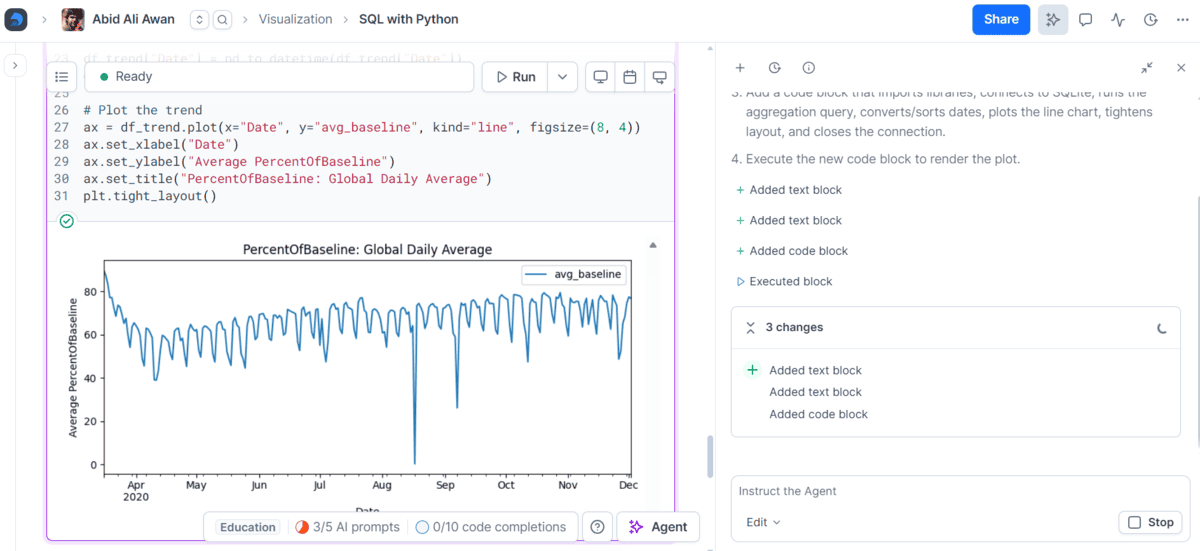
Deepnote has positioned itself as the premier collaborative environment for data teams. Moving beyond the limitations of traditional Jupyter notebooks, Deepnote integrates an "AI Agent" that possesses a holistic understanding of project context.
Core Capabilities and Workflow
The Deepnote Agent acts as an orchestration layer. It does not merely suggest snippets; it constructs a comprehensive plan to execute multi-step analysis. By leveraging both SQL and Python blocks, the agent can traverse data sources to provide a unified output.
Official Ecosystem Integration
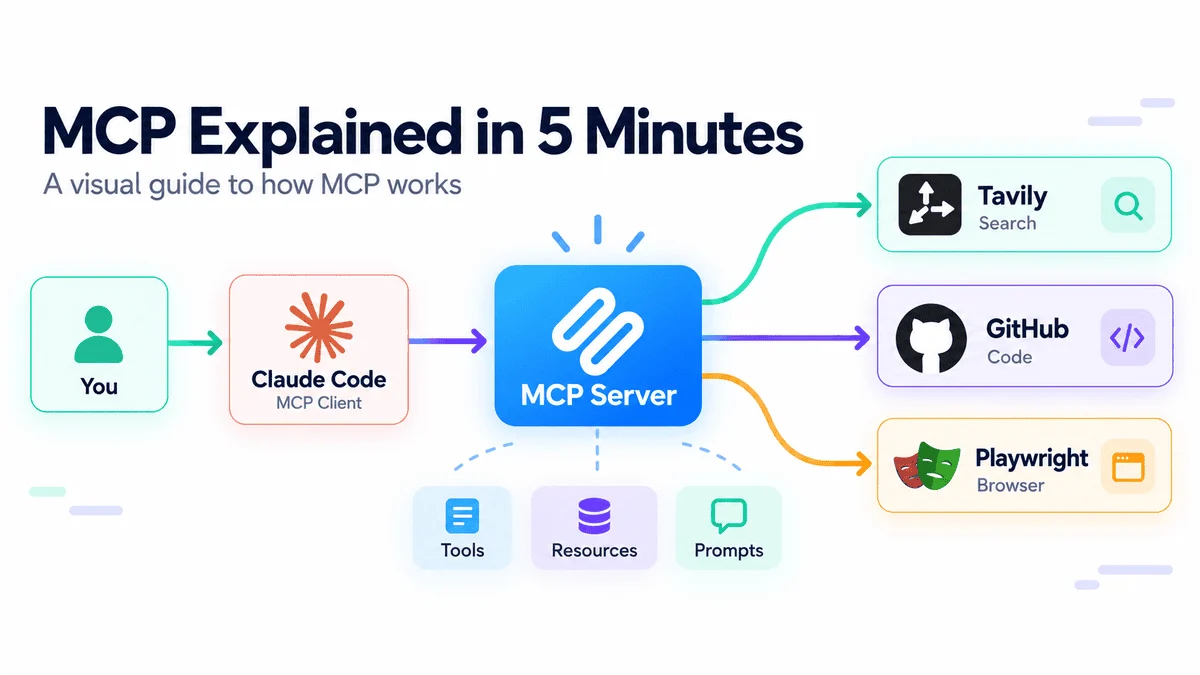
A standout feature in 2026 is the Deepnote MCP (Model Context Protocol). This allows the platform to interoperate seamlessly with external tools such as Cursor, Claude, and VS Code. Enterprise users further benefit from the ability to plug in custom, OpenAI-compatible models, ensuring that sensitive organizational data is analyzed by proprietary or fine-tuned LLMs that align with internal security policies.
2. ChatGPT: The Democratization of Exploratory Data Analysis
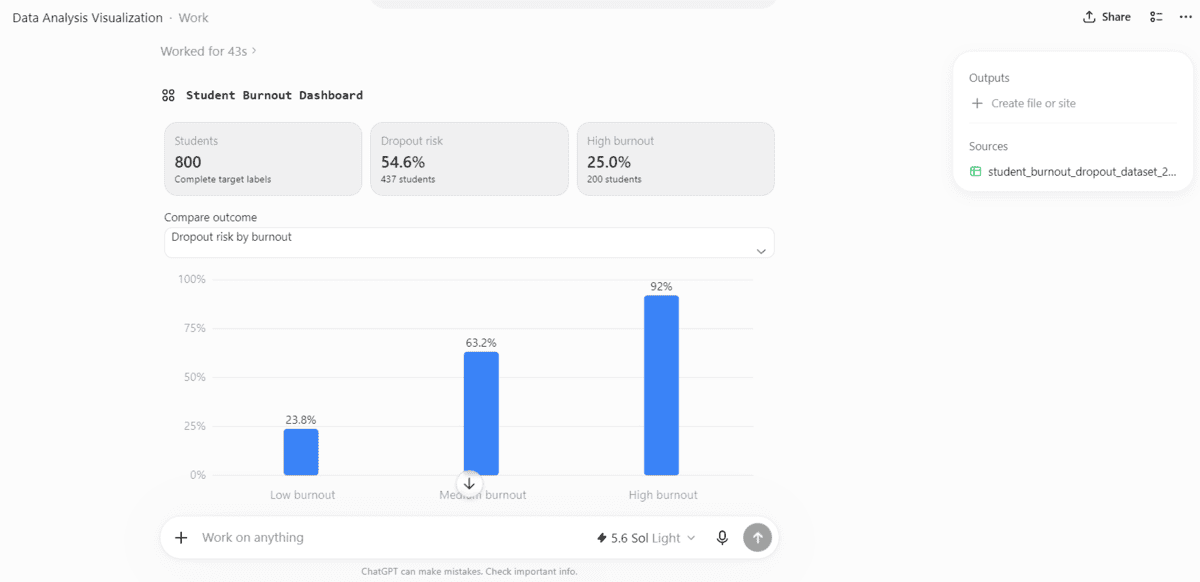
ChatGPT has transitioned from a general-purpose chatbot to a formidable data analysis engine. Its ability to ingest raw CSV, Excel, or JSON files and immediately surface trends makes it the most accessible tool for rapid discovery.
The Evolution of the "Work" Experience
The introduction of the ChatGPT Work environment represents a significant leap forward. Users are no longer limited to simple chat interactions; they can define end-to-end goals—such as producing a slide deck or a comprehensive analytical report—and the system will generate the necessary assets.
Model Performance (Sol, Terra, and Luna)
With the advent of the GPT-5.6 model family, the nuance of professional analysis has improved significantly. The "Terra" and "Luna" models are specifically optimized for spreadsheet outputs and statistical rigor, reducing the hallucination rates that once plagued earlier iterations of AI-driven data summaries.
3. Claude Code: Automating the Data Science Pipeline
While Claude Code is often discussed as a developer tool, its utility in the data science realm is profound. It functions as an autonomous terminal agent, capable of executing complex data science tasks within a local file system.
Technical Proficiency and Reporting
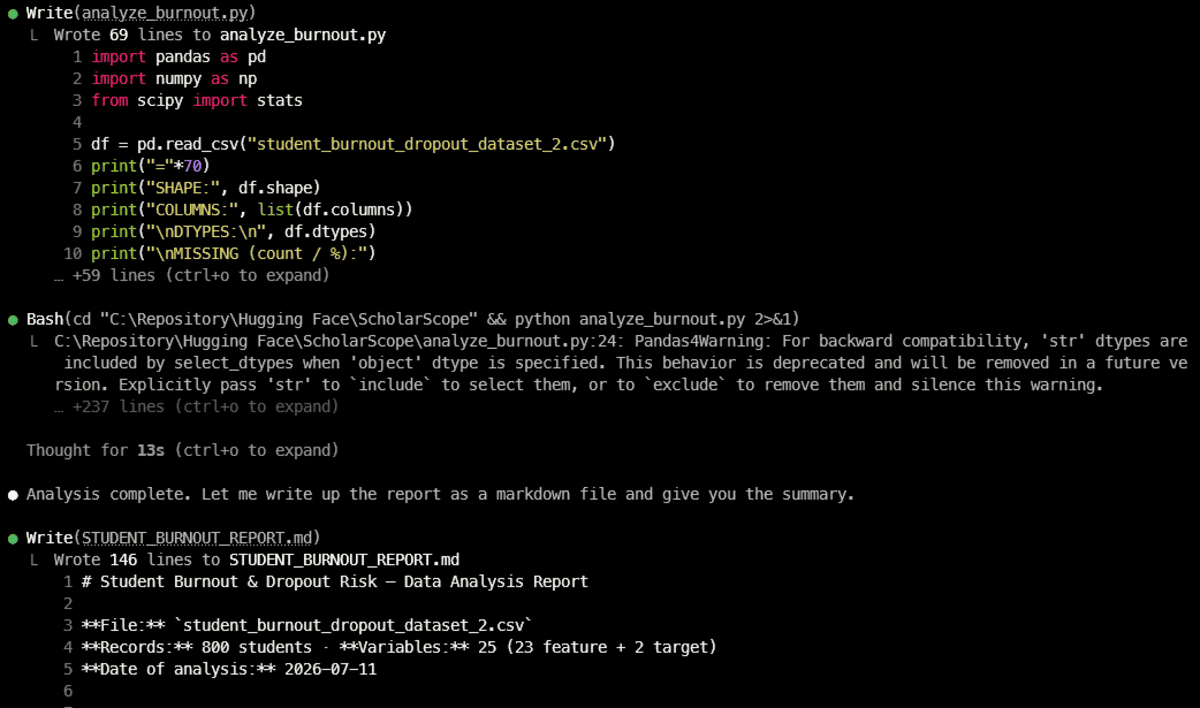
During rigorous testing, Claude Code demonstrated the ability to ingest a raw dataset, draft a complete Python script, conduct diagnostic tests, and output a 146-line Markdown report—all within a single session. This eliminates the need for the user to manually switch between IDEs, terminals, and documentation.
Flexibility and Accessibility
Claude Code now provides a multi-modal interface:
- VS Code Extension: Offers inline diffs for real-time code reviews.
- Desktop App: Enables parallel processing of multiple remote sessions.
- Web Interface: Allows for task delegation while on the move.
This multi-platform support makes it an indispensable tool for teams that require reproducible, script-based analysis.
4. DataLab: The Conversational Notebook
DataLab by DataCamp serves as a bridge between educational resources and production-grade analysis. It is designed for users who require an AI assistant that is "context-aware" of their specific database schema.
Bridging SQL and Python
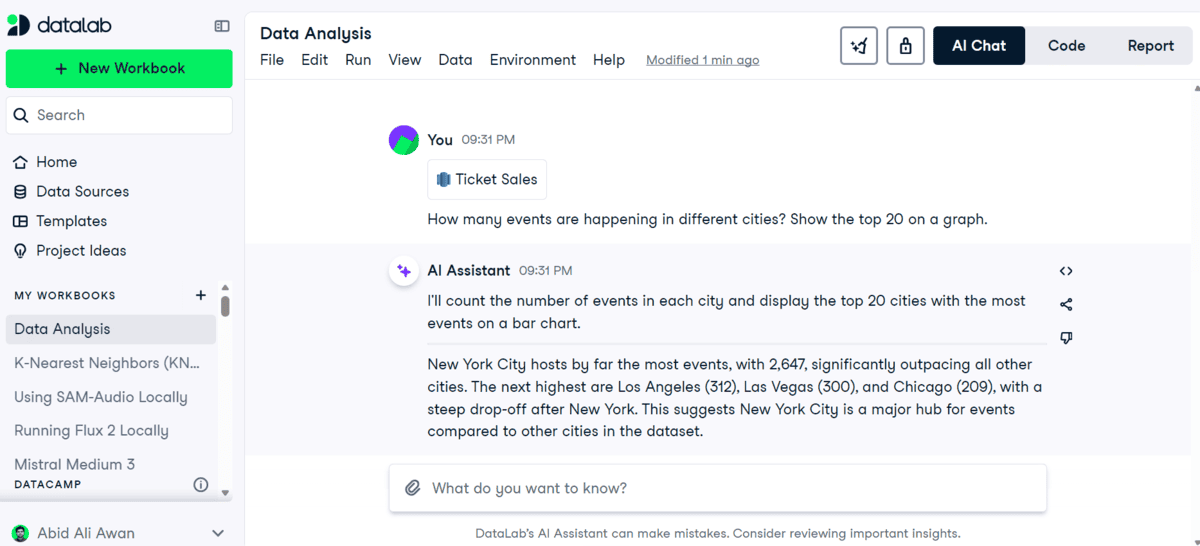
DataLab excels in connecting directly to large-scale data warehouses like Google BigQuery. By translating natural language queries into complex SQL, it allows non-experts to interrogate massive datasets without having to master database architecture.
Implications for Learning
Because the generated code remains fully editable and transparent, DataLab serves as a "living" tutor. It encourages analysts to learn from the AI-generated code, ensuring that the human in the loop remains in control of the analytical logic. It is, perhaps, the most approachable platform for those transitioning from spreadsheet-based analysis to professional data science.
5. VS Code with Codex: The Professional’s Choice
For the seasoned analyst, the integration of Codex into the VS Code environment is the current "gold standard." It represents the most iterative and natural workflow, keeping the data, the code, and the results within a single, integrated development environment.
Iterative Development
Unlike web-based chat interfaces, VS Code with Codex allows for persistent, project-based development. Analysts can manage notebook files, Python scripts, and exported charts within the same directory. The ability to use open files as context ensures that the AI’s suggestions are tailored to the specific libraries and coding standards of the project.
Why It Wins
This workflow is inherently superior for reproducibility. Because every step is captured in a project folder rather than a fleeting chat history, the analysis is audit-ready and easily shared with peers or version-controlled via Git.
Supporting Data and Comparative Analysis
To understand the efficacy of these tools, we must look at the time-to-insight metric. In 2024, a standard exploratory analysis of a 50,000-row dataset typically required 4–6 hours of coding, debugging, and visualization. In 2026, using tools like Deepnote or Claude Code, that same analysis is frequently completed in under 15 minutes.
| Tool | Primary Strength | Best Use Case |
|---|---|---|
| Deepnote | Collaboration | Enterprise team projects |
| ChatGPT | Speed/Accessibility | Rapid prototyping & summaries |
| Claude Code | Automation | Complex, long-running pipelines |
| DataLab | Education/SQL | Database-heavy analysis |
| VS Code/Codex | Integration | Professional, reproducible science |
Implications: The New Role of the Data Scientist
The rise of these tools implies a fundamental change in the job description of a data scientist. The "coder-analyst" is rapidly being replaced by the "analytical architect."
The Human-in-the-Loop Imperative
While these tools provide incredible speed, they do not replace the necessity for critical thinking. The primary risk in 2026 is "blind trust." As AI becomes more persuasive in its output, the role of the human analyst becomes more focused on:
- Validation: Ensuring that the AI’s logic, particularly regarding statistical significance and outlier handling, is sound.
- Contextualization: Applying business domain knowledge to the data, which AI, despite its intelligence, often lacks.
- Ethics: Ensuring that data usage remains compliant with privacy regulations and that the insights generated are free from unintended biases.
Chronology of Adoption
- 2023: Early AI integrations began appearing as "co-pilots" in IDEs.
- 2024: Generative AI began handling simple data cleaning tasks.
- 2025: Agents began to emerge, capable of multi-step autonomous reasoning.
- 2026: AI has become the primary interface for data interaction, with traditional manual coding becoming an "expert-only" layer.
Final Thoughts: Navigating the Future
The evolution of AI in data analysis is not about replacing the human mind; it is about liberating it from the drudgery of syntax and execution. By leveraging these five tools, analysts can move from raw, chaotic data to a polished, insightful report in a fraction of the time previously required.
However, the golden rule of the 2026 analyst remains: Verify everything. The machine may be able to write the code, but it is the human who must take responsibility for the conclusion. As we move further into this era of AI-augmented intelligence, the most successful professionals will be those who master the delicate balance between rapid AI-driven automation and rigorous, human-led validation.
About the Author: Abid Ali Awan is a certified data scientist and specialist in machine learning technologies. With a background in telecommunications and technology management, Abid focuses on the intersection of AI development and practical, real-world data science applications.