
Introduction: Bridging the Lunar-Earth Data Divide
In a significant leap for deep-space communications, NASA has confirmed that its highly anticipated Artemis III mission will feature an advanced optical communications upgrade. By integrating SpaceX’s Starlink mini laser terminals directly into the Orion spacecraft, the agency aims to revolutionize the way humanity experiences lunar exploration. This initiative marks a pivot from experimental testing to operational necessity, enabling the downlink of high-fidelity 4K imagery and real-time video streaming directly to mission control in Houston.
The agreement, announced this Thursday, underscores a deepening synergy between government space exploration and private-sector telecommunications infrastructure. As NASA prepares to return humans to the lunar surface in 2027, the ability to transmit massive datasets across the 238,900-mile void separating the Earth and the Moon is no longer just a luxury—it is a mission-critical requirement for scientific data analysis and public engagement.
Main Facts: The Starlink Integration
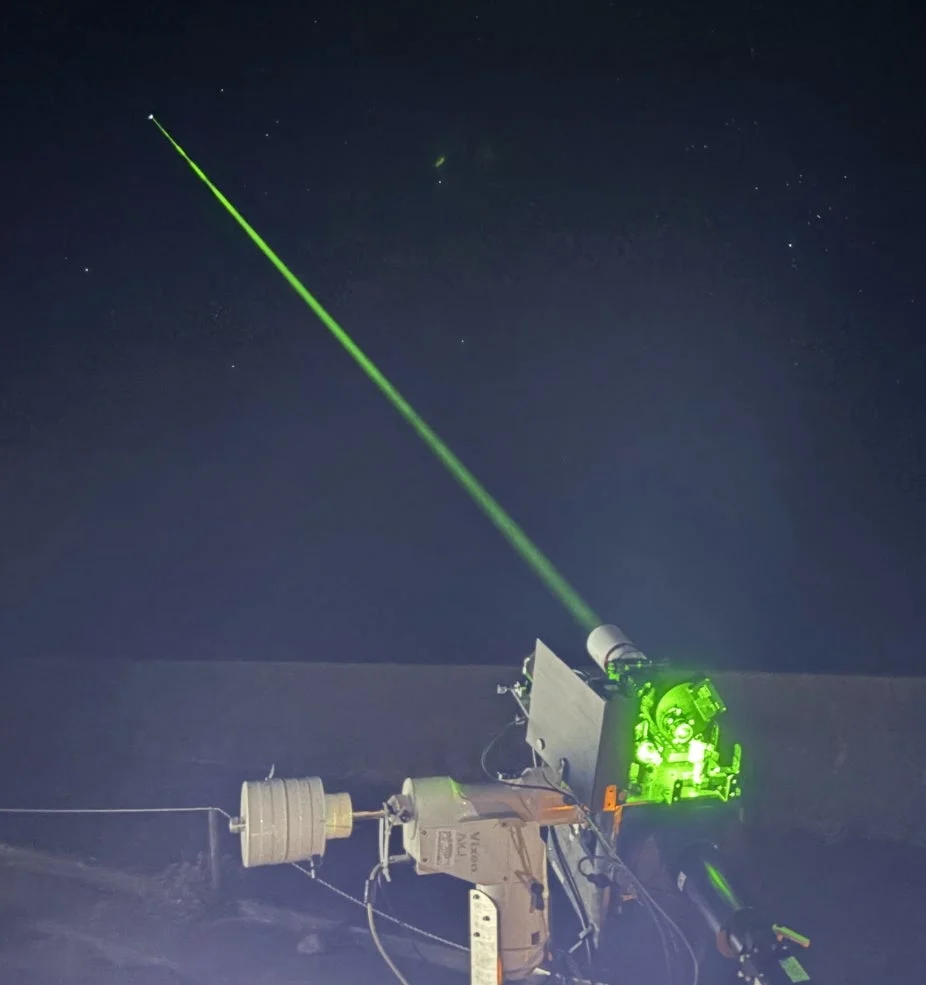
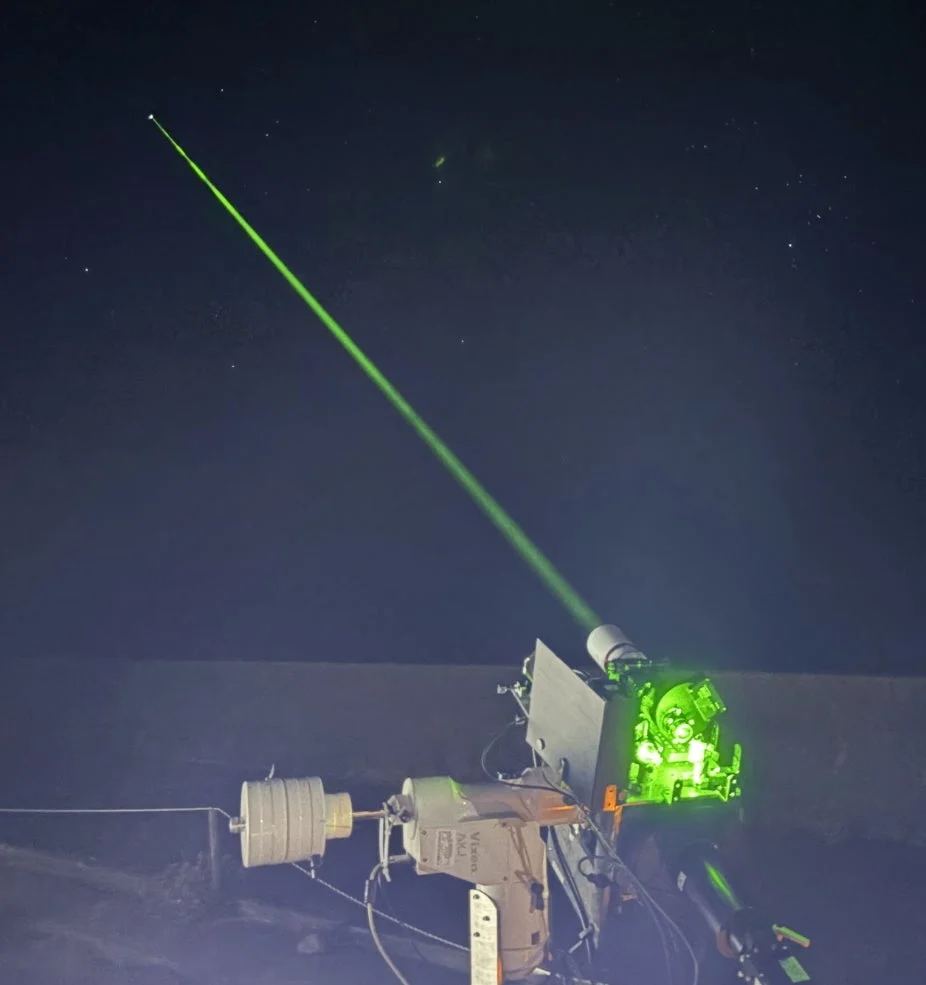
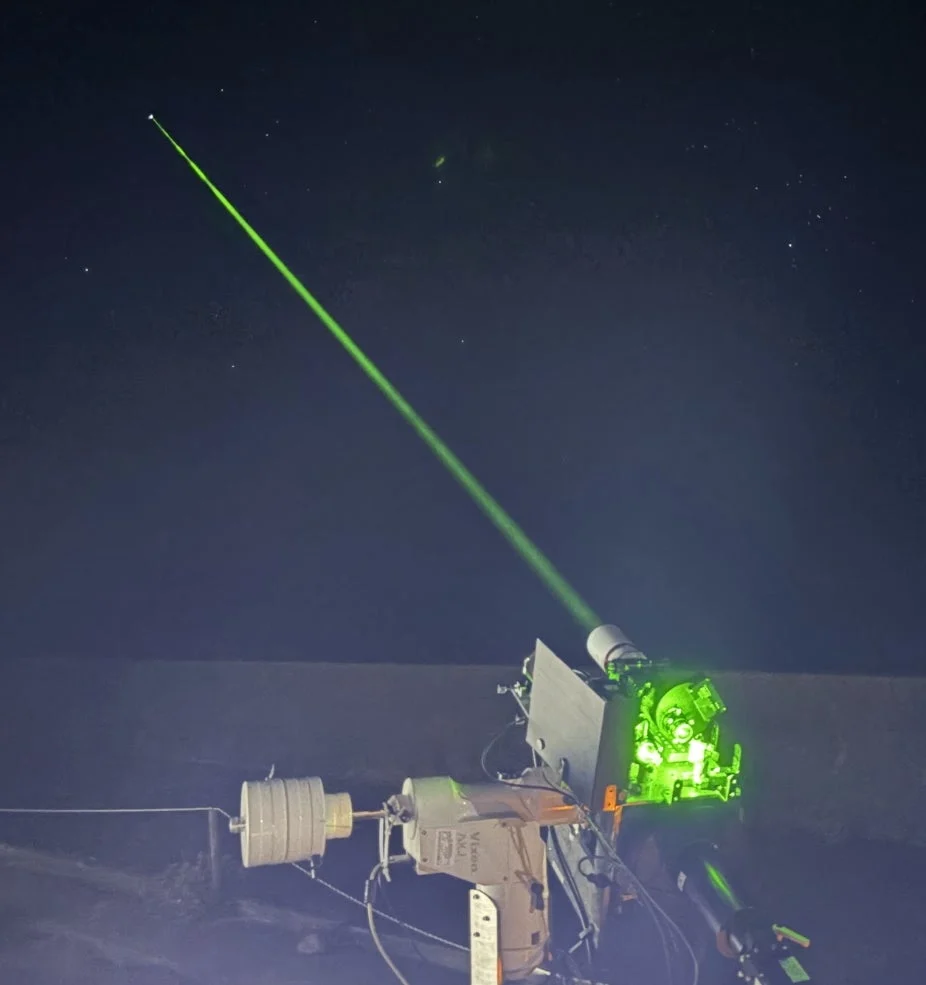
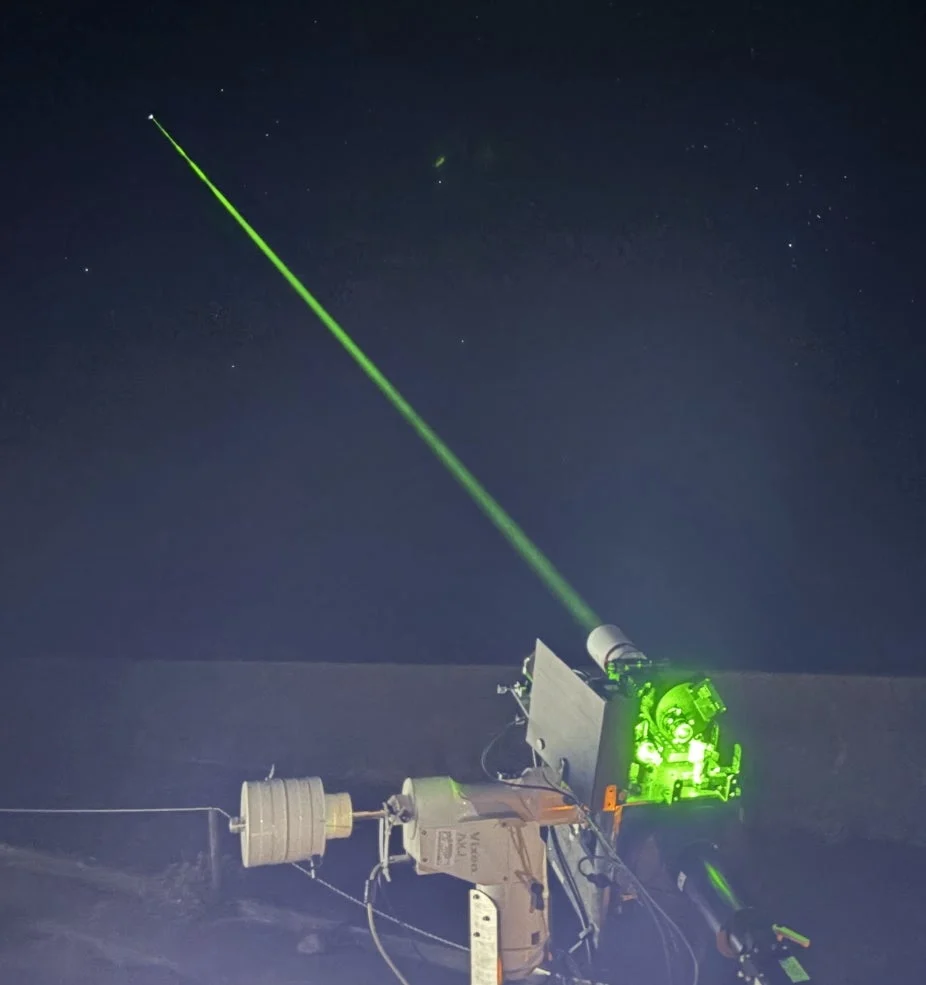
At the heart of this upgrade are two Starlink mini laser terminals, specialized hardware derived from the technology currently powering SpaceX’s massive Low-Earth Orbit (LEO) constellation. Unlike traditional radio frequency (RF) communications, which have been the backbone of space travel since the Apollo era, laser (optical) communication offers significantly higher bandwidth.
The Technical Advantage
- 4K Capability: The primary driver for this adoption is the demand for high-resolution visual data. The laser terminals will allow the Artemis III crew to beam back 4K video, providing scientists and the public with unprecedented clarity regarding lunar operations.
- Increased Data Throughput: Optical systems can carry 10 to 100 times more data than current radio systems, allowing for faster transmission of complex telemetry, high-resolution scientific imaging, and mission-critical life support data.
- Strategic Positioning: The installation of two terminals ensures redundancy and high-speed connectivity during critical mission phases, including the high-stakes rendezvous and docking operations with commercial human landing systems.
Chronology: The Path to Artemis III
The integration of Starlink technology into NASA’s deep-space portfolio did not occur in a vacuum. It is the culmination of a multi-year roadmap involving iterative testing and private-public partnerships.
2022: The Genesis of the CSP
NASA’s Space Communications and Navigation (SCaN) office launched the Communications Services Project (CSP) in 2022, naming six commercial partners—including SpaceX—to explore how to shift from government-owned ground stations to commercial relay networks. This was the foundational step in the agency’s transition toward a "buying services, not hardware" model.
2024: The Polaris Dawn Milestone
The first major milestone in proving Starlink’s viability for human spaceflight occurred during the Polaris Dawn mission. SpaceX tested its laser-based connectivity on the Dragon spacecraft, successfully maintaining high-speed links in orbit. This proved that laser terminals could withstand the rigors of launch, vacuum, and reentry, while maintaining precision tracking despite spacecraft motion.
2025: Validating for NASA
Building on the success of Polaris Dawn, SpaceX demonstrated its laser capabilities to NASA during the Fram2 human spaceflight mission. This served as a final "proof of concept," confirming that the laser terminals could integrate seamlessly with NASA’s mission parameters and data security requirements.
2026: The Artemis II Proof Point
The Artemis II mission—the first crewed flight to orbit the Moon in over 50 years—served as the final proving ground for optical communications. Utilizing the Optical Communications System (O2O) developed by MIT Lincoln Laboratory, the Orion capsule transmitted 484 GB of data back to Earth. The success of this operation proved that high-bandwidth optical links were not only possible but stable, paving the way for the SpaceX-based solution for Artemis III.
Supporting Data: The Shift from Radio to Light
The move to optical communication is necessitated by the "data bottleneck" currently limiting space exploration. Traditional RF systems, while reliable, are hampered by spectrum crowding and physical constraints on bandwidth.
- RF Limitations: Traditional deep-space networks rely on the Deep Space Network (DSN), which uses large radio antennas. As missions become more complex, the amount of data generated by modern sensors, high-definition cameras, and scientific instruments exceeds the capacity of these narrow-band channels.
- The 484 GB Benchmark: The data transmitted during Artemis II demonstrated that optical systems are the only viable solution for "Big Data" in space. If NASA intends to stream 4K video from the lunar surface or the Orion cabin, the bandwidth provided by laser terminals is essential.
- Commercial Synergy: SpaceX’s ability to manufacture laser terminals at scale provides NASA with a cost-effective, flight-proven solution, reducing the R&D burden on the agency and allowing it to focus on mission integration rather than hardware development.
Official Responses and Strategic Implications
The partnership has been met with broad support from both the private space sector and government policymakers. NASA’s SCaN office has emphasized that the goal is the "commoditization of space communications."
Implications for the Artemis Program
For the Artemis III mission, which aims to practice rendezvous and docking between Orion and commercial landers, the communication link is a safety feature. Being able to transmit high-resolution video of the docking process allows ground crews in Houston to monitor the mission in real-time with virtually no latency, providing a "second set of eyes" that is far more effective than telemetry numbers or grainy, low-bandwidth radio feeds.
The Future of the "Lunar Internet"
This agreement is likely the precursor to a more permanent lunar communications infrastructure. As NASA and its international partners establish a more persistent presence on the Moon, the need for a "lunar internet" becomes paramount. By utilizing SpaceX’s laser technology, NASA is effectively building the first nodes of a high-speed orbital relay network that could eventually support lunar bases, autonomous rovers, and long-term scientific outposts.
The Strategic Shift: Buying Services vs. Owning Hardware
Perhaps the most significant takeaway from this announcement is the changing nature of the NASA-industry relationship. By leveraging the CSP, NASA is moving away from the era of owning and operating its entire communications infrastructure. Instead, the agency is acting as an anchor tenant for a commercial network.
This shift allows NASA to:
- Reduce Costs: By sharing the cost of satellite relay services with other commercial users, NASA lowers the barrier to entry for deep-space exploration.
- Increase Innovation: By selecting commercial partners based on performance, NASA encourages SpaceX and others to push the envelope in laser technology, resulting in faster, lighter, and more efficient hardware.
- Scale Operations: As more missions are launched, the network can scale according to demand, rather than being limited by the number of ground stations NASA can build or maintain.
Conclusion: A New Era of Visibility
As we look toward the 2027 launch of Artemis III, the inclusion of SpaceX’s Starlink mini laser terminals represents more than just a technological upgrade—it represents a fundamental shift in how humanity observes its return to the Moon.
When the Orion spacecraft eventually maneuvers into its docking sequence, the images seen by the public will no longer be limited by the constraints of legacy radio communications. Instead, we will see the Moon through the lens of high-definition, high-speed optical links. This technological marriage between NASA’s lunar ambitions and SpaceX’s telecommunications prowess ensures that the next chapter of human space exploration will be the most vivid, data-rich, and transparent in history.
As NASA’s SCaN office continues to refine its commercial relay strategy, one thing is certain: the future of deep-space exploration will be illuminated not just by the stars, but by the high-speed laser beams connecting the Moon to the hearts and screens of those back on Earth.