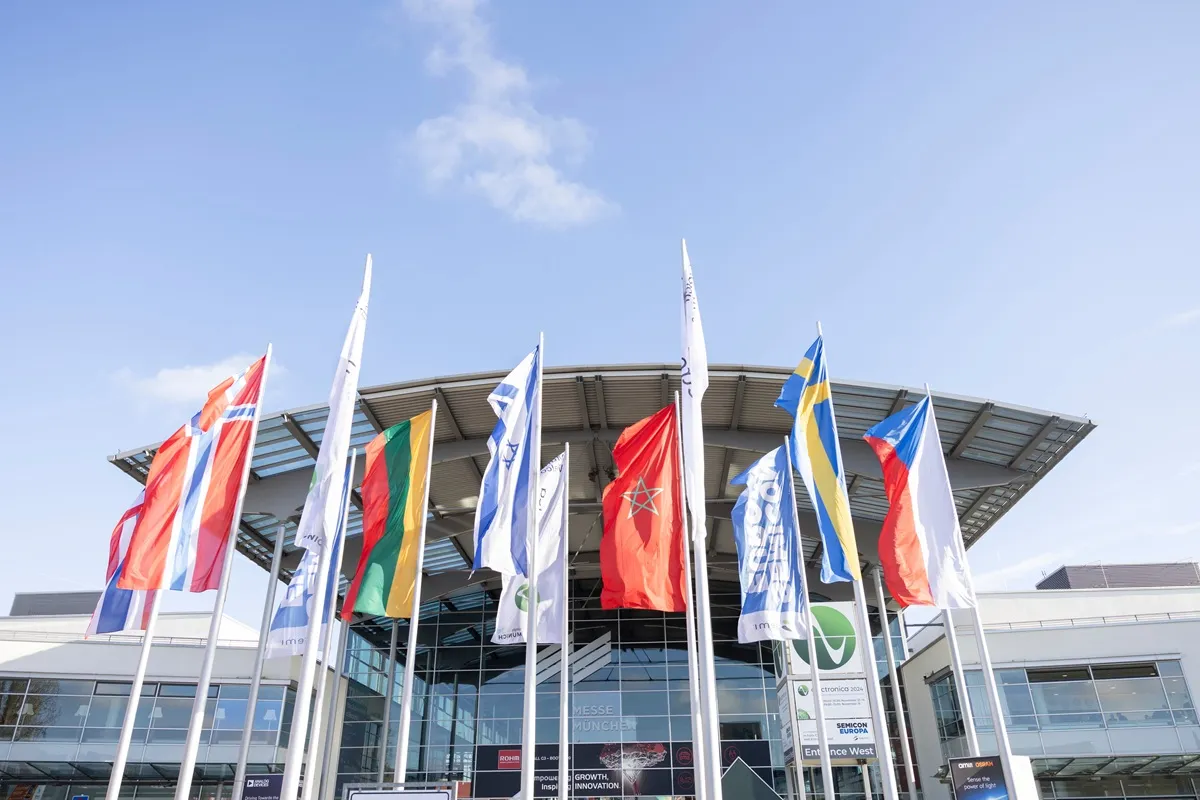
For over six decades, Munich has served as the global epicenter for the electronics industry, playing host to the biennial trade fair that defines the state of the art. As the industry approaches November 10–13, 2026, anticipation is reaching a fever pitch for electronica 2026. Held at the sprawling Messe München, the event is set to convene over 3,500 exhibitors from 60 countries, reinforcing its status as the definitive calendar date for engineers, executives, and innovators worldwide.
This year’s theme, "Electronics as the Basis of the All-Electric Society," is more than a slogan; it is a declaration of the industry’s central role in the global transition toward sustainable, intelligent, and highly connected infrastructure.
The Core Mandate: Powering the All-Electric Society
The "all-electric society" is a concept that envisions a world where energy generation, storage, and consumption are entirely decarbonized and interconnected. To reach this goal, the electronics industry must do more than simply increase processing power. It must solve the fundamental challenges of energy generation, distribution, and consumption across sectors as diverse as automotive mobility, industrial automation, and smart building management.
In an exclusive video interview with the exhibition’s leadership, Caroline Pannier, exhibition director for electronica, and Marvin Buchet, deputy exhibition director, underscored the urgency of this mission.
"Artificial intelligence places whole new demands on electronic systems," Pannier noted. "What’s needed are powerful, energy-efficient, and secure solutions in which hardware, software, and connectivity work together seamlessly."

The exhibition aims to bridge the gap between abstract innovation and practical implementation, providing a platform where the components—chips, sensors, power modules, and software stacks—converge to create systems capable of meeting the demands of a high-tech, green economy.
A Chronology of Innovation: 62 Years of Shaping the Industry
To understand the weight of electronica 2026, one must appreciate its lineage. Since its inception in 1964, the trade show has acted as a mirror to the evolution of human technology.
- The Early Years (1964–1980s): The event began as a regional gathering for component manufacturers, focusing on the burgeoning transistor and vacuum tube markets that powered early industrial computing.
- The Digital Explosion (1990s–2010s): As the world transitioned to digital connectivity, electronica became the primary launchpad for microprocessors, mobile communications, and the dawn of the IoT (Internet of Things) era.
- The Modern Era (2020–Present): The current decade has seen the show pivot toward "systems-thinking." The focus has shifted from the standalone component to the integrated ecosystem—where power electronics, edge computing, and artificial intelligence must coexist in a secure, efficient, and reliable framework.
By surviving and thriving through these technological shifts, electronica has cemented itself as the industry’s "North Star." It is where the trends that will dominate the next two years are identified, debated, and eventually formalized.
Supporting Data: The Pillars of Modern Electronics
The 2026 exhibition will be defined by three critical pillars: AI Integration, Energy Efficiency, and Cyber Resilience. These themes are not merely topics of discussion; they are the fundamental constraints within which modern engineering must operate.
1. The Proliferation of AI
AI is no longer confined to the data center. It is migrating to the edge, necessitating hardware that is lightweight yet capable of complex inference. Developers are under immense pressure to design chips that can handle the massive computational loads of generative AI while maintaining a power budget that allows for battery-operated or thermally constrained environments.

2. The Efficiency Imperative
With the global push for sustainability, energy efficiency has moved from a "nice-to-have" feature to a core requirement. Whether it is a semiconductor power switch or a massive industrial automation controller, the ability to minimize heat dissipation and optimize power conversion is the primary differentiator in the competitive landscape.
3. The New Reality of Cyber Resilience
As the attack surface expands, security is no longer an afterthought added at the end of a product’s lifecycle. The EU Cyber Resilience Act has catalyzed a shift toward "security by design." Companies are now expected to embed defensive protocols, secure boot sequences, and robust data encryption into the hardware architecture itself.
Official Insights: The View from Leadership
In our discussion with the organizers, a recurrent theme emerged: the transition from "component-centric" to "systems-centric" design.
Marvin Buchet emphasized that the complexity of modern products means that no single engineer can act in a silo. "The interaction between hardware and software is the new frontier," Buchet explained. "Today’s developers must consider the operating system, the connectivity layer, and the application layer simultaneously. This is why electronica 2026 places such a strong emphasis on cross-disciplinary forums."
AspenCore’s dedicated forums—covering embedded systems, power electronics, and the cutting-edge world of chiplets—will serve as a key component of the show. These sessions are designed to facilitate the "systems thinking" required to tackle the integration challenges that current product development cycles face.

Implications for the Industry
The implications of electronica 2026 extend far beyond the show floor in Munich. For the average participant, the event signals a shift in investment strategies and R&D priorities.
The Shift to Integrated Lifecycle Management
The era of "set it and forget it" hardware is over. Customers now demand products that can be remotely updated, scaled, and managed throughout their operational life. This transition places a heavy burden on software quality and lifecycle management. Companies that cannot provide seamless, over-the-air (OTA) updates and long-term security support will find themselves rapidly outpaced by competitors who prioritize modular, flexible system architectures.
The Rise of Chiplets and Heterogeneous Integration
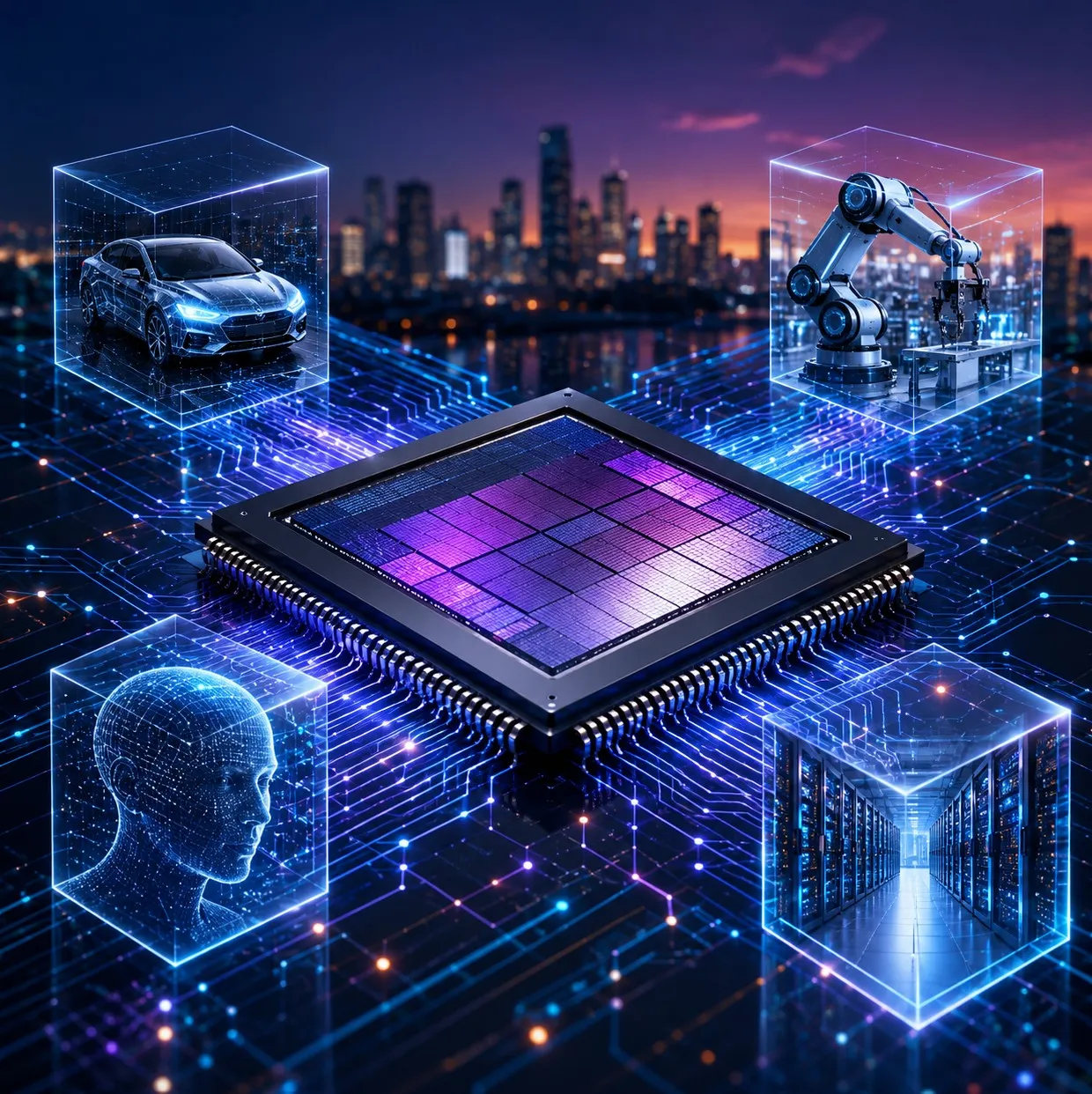
The traditional monolithic silicon design is hitting physical limits. The move toward chiplets—where multiple specialized dies are integrated into a single package—will be a major focus at this year’s show. This modular approach allows for faster time-to-market and better performance scaling, but it introduces significant challenges in testing, thermal management, and interconnect standards.
Global Collaboration and Competition
With the co-location of Semicon Europa, which will occupy two-and-a-half halls, the synergy between the semiconductor manufacturing world and the applications-based electronics industry will be on full display. This proximity highlights the interconnected nature of the supply chain. From the raw materials required for wide-bandgap semiconductors like Silicon Carbide (SiC) and Gallium Nitride (GaN) to the finished software-defined vehicle or smart grid, the entire value chain will be represented.
Conclusion: Shaping the Future Together
As we look toward November 2026, the electronics industry stands at a crossroads. The pressures of the "all-electric society"—namely the demand for higher intelligence, lower energy consumption, and impenetrable security—are reshaping the way we build everything.

electronica 2026 is poised to be more than just an exhibition; it is the laboratory of the future. By bringing together the brightest minds in engineering, the most influential manufacturers, and the innovators defining the next generation of semiconductors, the event will provide the roadmap for the next decade of progress.
Whether you are a developer looking to understand the latest in chiplet architecture, an executive navigating the complexities of the Cyber Resilience Act, or an engineer searching for the next breakthrough in power efficiency, the 2026 edition of electronica offers an unparalleled opportunity to engage with the technologies that will define our future.
For full details on the program, session schedules, and registration, industry professionals are encouraged to visit the official electronica 2026 website.
Nitin Dahad, Executive Editor of EE Times, brings decades of experience as an engineer, journalist, and entrepreneur to his coverage of the global electronics sector. Follow his ongoing analysis of the industry on LinkedIn.