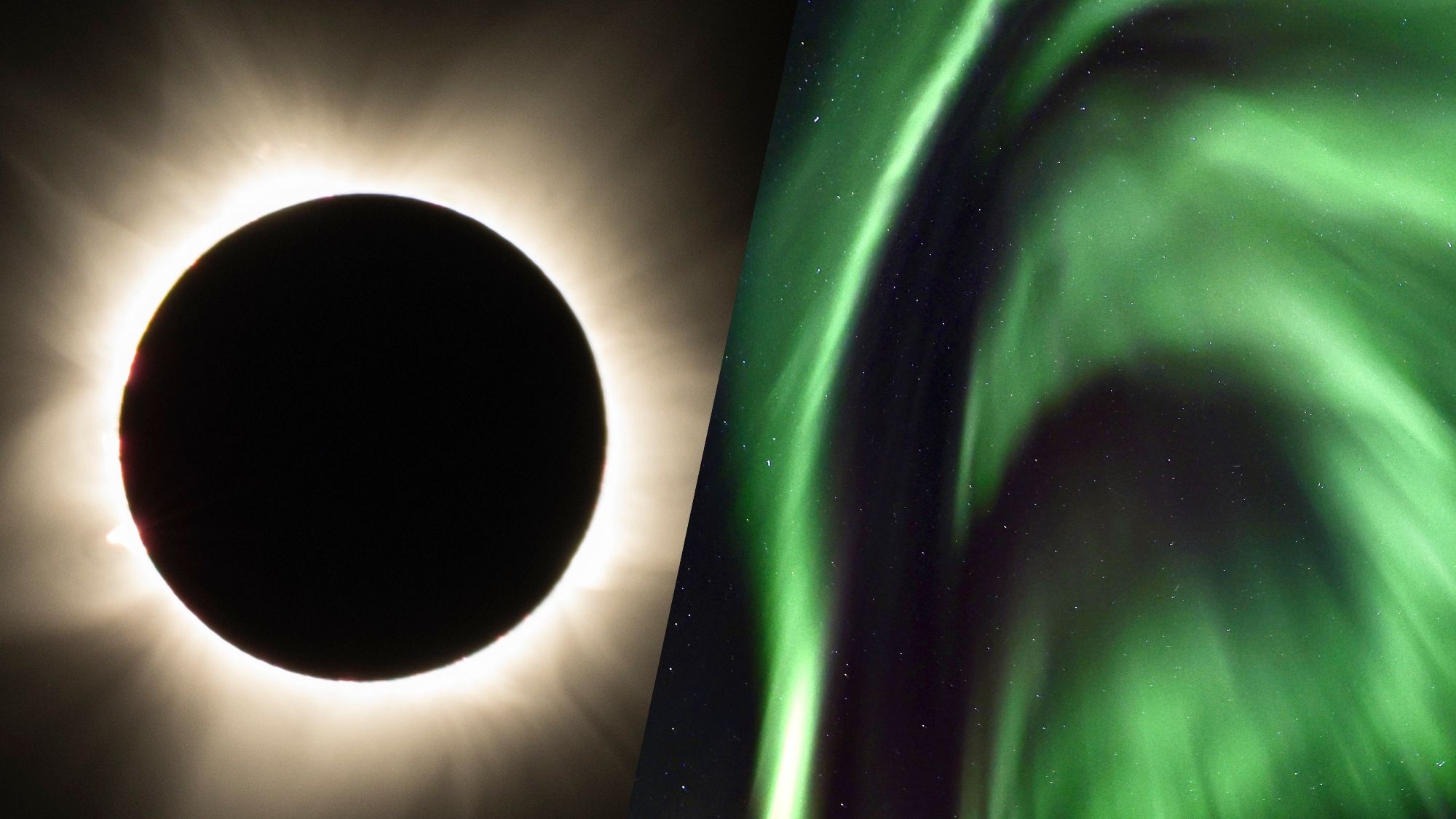
On August 12, 2026, the Moon will slide directly between the Earth and the Sun, casting a shadow that will sweep across the Arctic and into the heart of Europe. For those stationed in Greenland, Iceland, and Northern Spain, the day will briefly surrender to a surreal twilight. This total solar eclipse is already being hailed as the astronomical event of the decade, but a rare convergence of cosmic timing has sparked a tantalizing question: Could skywatchers be treated to the northern lights and a meteor shower simultaneously?
While the idea of witnessing the Sun’s corona, the shimmering ribbons of an aurora, and the streaks of the Perseid meteor shower all at once sounds like the stuff of science fiction, the reality is a complex dance of solar physics and atmospheric conditions.
The Anatomy of the 2026 Eclipse
The August 2026 event is a significant solar eclipse, with the path of totality cutting across some of the most sparsely populated and visually stunning regions on the planet. As the Moon obscures the Sun’s photosphere, the corona—the Sun’s elusive outer atmosphere—will bloom into a pearly, ethereal halo.
Under normal circumstances, the sky remains too bright during the day for anything but the brightest stars and planets to appear. However, during the few minutes of totality, the ambient light levels drop to those of "civil twilight"—the period just after sunset when the Sun is six degrees below the horizon. This dimming is the only reason there is even a theoretical possibility of observing other celestial phenomena during a solar eclipse.
Chronology of a Potential Rare Event
For an observer in Iceland or Greenland, the timeline for this rare alignment is narrow.
- The Approach (August 10–11): The lead-up to the eclipse is crucial. Solar activity, specifically Coronal Mass Ejections (CMEs), must occur in the days prior to build up the necessary geomagnetic energy in Earth’s magnetosphere.
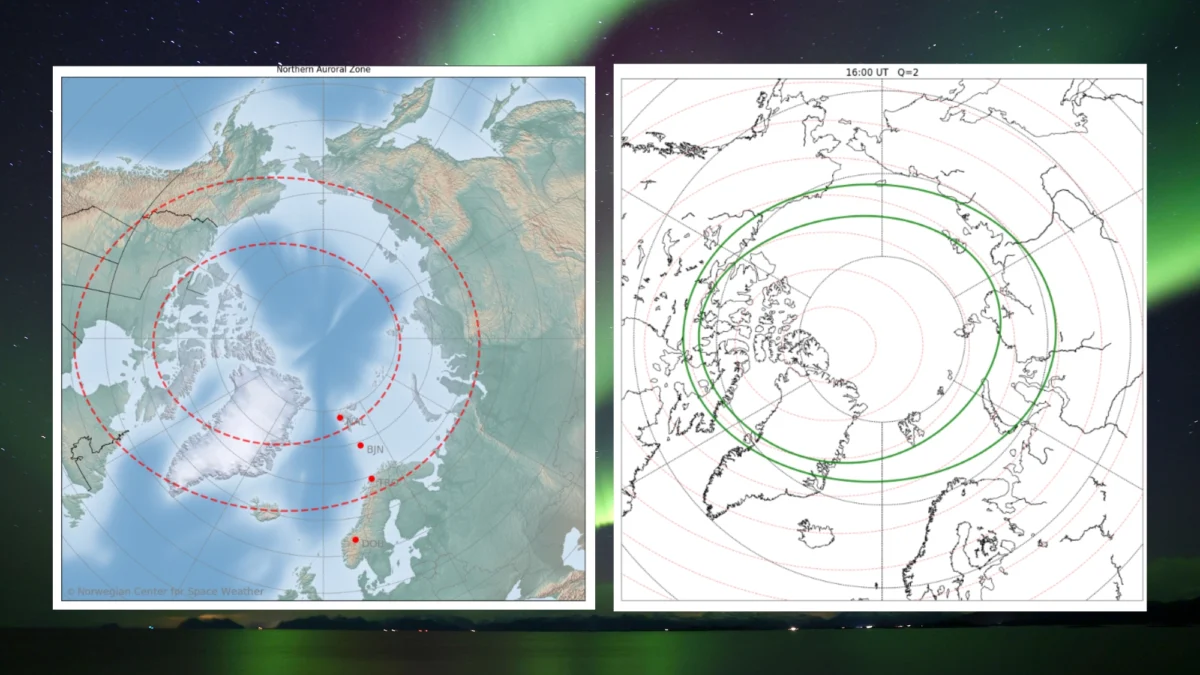
- The Peak (August 12): As the Moon begins its transit, the Perseid meteor shower will be reaching its annual peak. Simultaneously, if solar winds are sufficiently energetic, the auroral oval—typically a nighttime feature—could be sufficiently charged to manifest visible structures even under the partial light of the eclipsed sky.
- The Moment of Totality: For a few precious minutes, the Sun is fully blocked. This is the only window of opportunity. The sky will darken, the temperature will drop, and the observer will be looking toward the Sun—while potentially scanning the horizon for the tell-tale green glow of the aurora.
The Physics of Dayside Auroras
To understand why this is so difficult, one must distinguish between "nightside" and "dayside" auroras.
"The dayside aurora is driven by a combination of favorably aligned solar wind—which opens the field lines around the Earth’s polar cusps—and strong precipitation directly into the auroral oval," explains Tom Kerss, an independent astronomer and Chief Aurora Chaser for Hurtigruten. "This latter requirement is contingent on very strong or extreme geomagnetic activity."
In short, while the nighttime aurora is fueled by the release of energy stored in the magnetotail, the dayside aurora is a direct response to incoming solar particles. For the aurora to be visible during an eclipse, the geomagnetic storm would likely need to reach a G4 or G5 intensity—the highest levels on the NOAA space weather scale.
Expert Analysis: The Challenges of Observation
Despite the excitement, experts remain cautious. Pål Brekke, a leading solar physicist at the Norwegian Space Agency, recalls his own attempt to witness such a phenomenon during the 2015 eclipse in Svalbard.
"The sky never got that dark," Brekke noted. "We could hardly see any planets and no stars. Most probably because the snow-covered valley and mountains were reflecting lights leaking in from the side of the Moon’s shadow, making the sky too bright even during the eclipse."
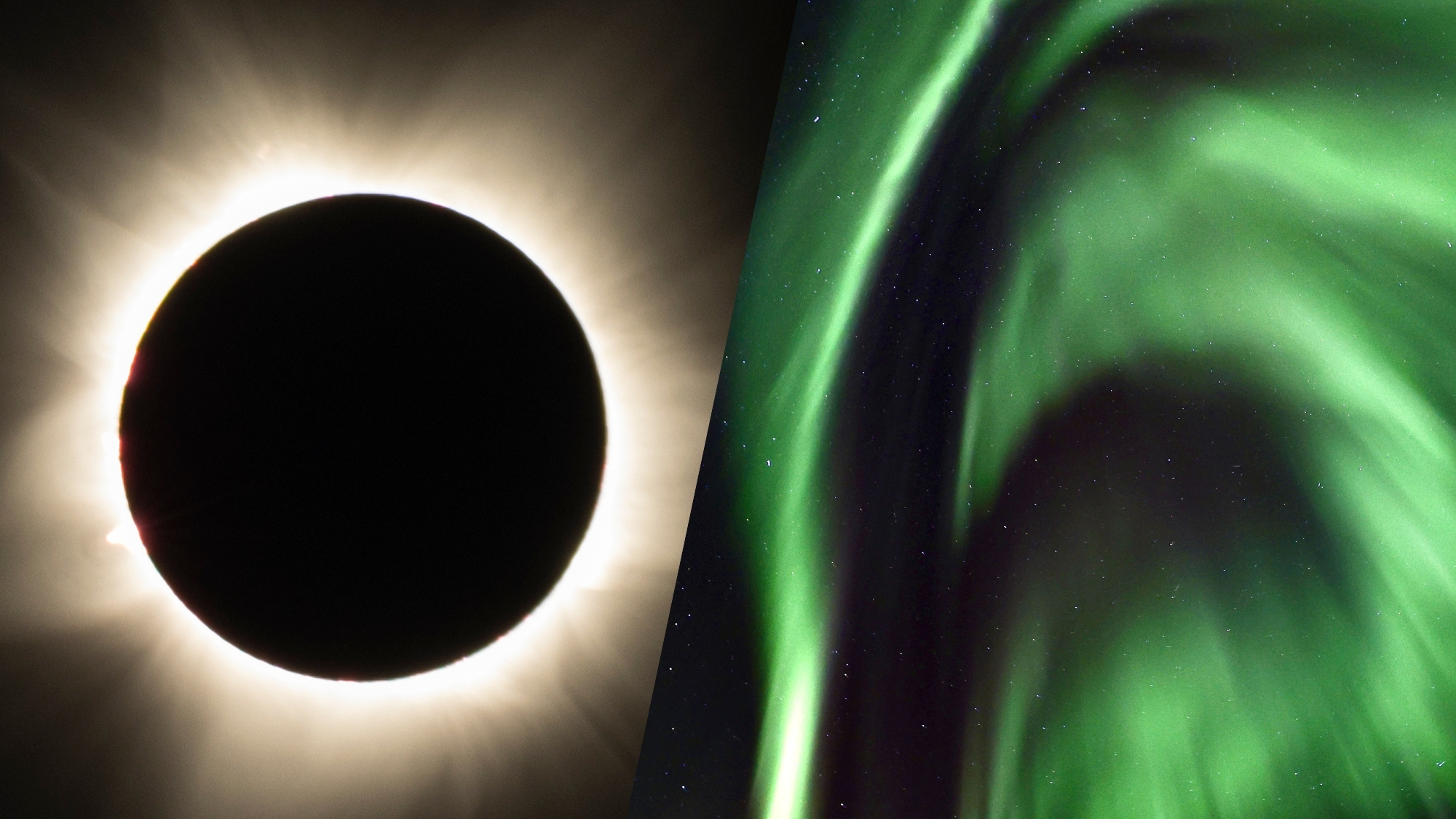
The problem is one of contrast. Even at totality, the sky is not "pitch black." It is a deep, bruised twilight. The corona itself is bright, and the peripheral light scattering off the horizon creates a glare that acts as a natural "light pollution." For the human eye to perceive the faint, diffuse light of an aurora, the geomagnetic activity would have to be extraordinarily intense—so intense, in fact, that the aurora would be screamingly bright even in twilight conditions.
The Perseid Connection
Adding another layer of complexity is the Perseid meteor shower. August 12 is the traditional peak of the Perseids, one of the most reliable and prolific meteor showers of the year.
"If the Sun launches CMEs in the days before the eclipse, it’ll be very exciting for anyone going to Iceland or Greenland," says Kerss. "There’s a rare opportunity to see three of the sky’s greatest wonders together if conditions line up."
The meteor shower, however, faces the same contrast issue as the aurora. Meteors are streaks of ionized gas burning up in the upper atmosphere. While they are brief and can be bright, they are notoriously difficult to spot against a bright background. Only the most brilliant "fireballs"—large meteors that leave lasting trails—would likely be visible to the casual observer during the peak of the eclipse.
Implications for Space Weather Science
If such an event were to occur, it would be more than just a beautiful spectacle; it would provide invaluable data for helio-physicists. Observing the dayside aurora during the specific light-conditions of an eclipse provides a controlled environment to test models of how solar wind interacts with the magnetosphere.
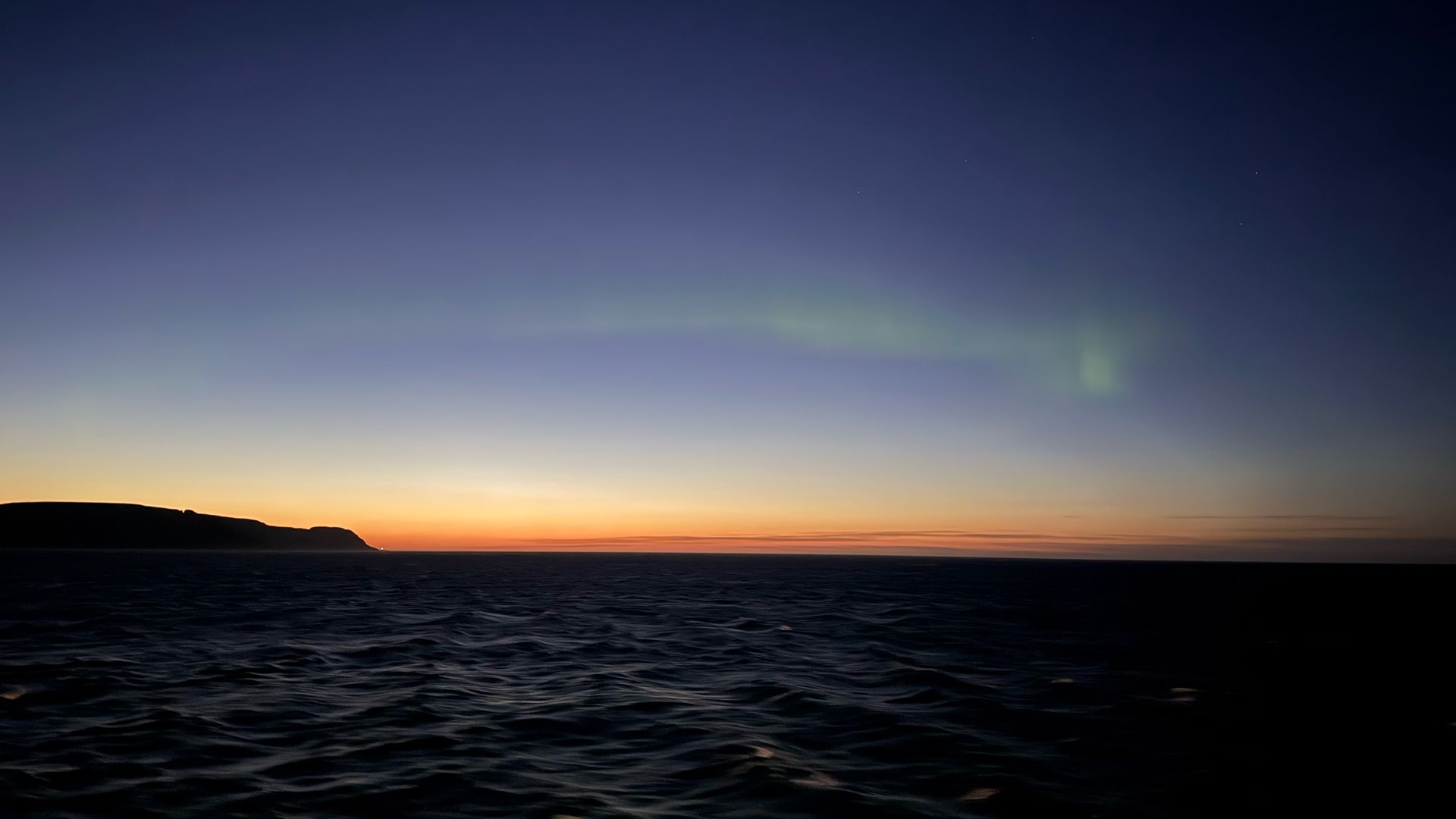
Furthermore, the 2026 event coincides with a period of high solar activity within the current 11-year solar cycle. This increases the statistical probability of a significant geomagnetic event, though it remains a "long shot" in the eyes of most researchers.
The Verdict: Expectation Management
For those planning to travel to the Arctic for the 2026 eclipse, the message from the scientific community is clear: Focus on the eclipse.
The total solar eclipse is a guaranteed, once-in-a-lifetime event in its own right. The corona, the Baily’s beads, and the diamond ring effect are profound phenomena that deserve undivided attention. If you happen to look up and see a green shimmering light, or if you catch a bright streak of a Perseid meteor, you are witnessing an alignment of cosmic events that may not happen again for centuries.
However, if you do not see them, it is not a failure of your observation, but simply the reality of our planet’s physics. The atmosphere is an excellent filter, and for the most part, it protects us from the raw intensity of space weather—making the rare moments when we can see these phenomena all the more precious.
Summary Checklist for 2026 Eclipse Chasers:
- Location: Prioritize Greenland or Iceland for the best chance at the auroral oval.
- Preparation: Monitor NOAA’s Space Weather Prediction Center in the week leading up to August 12.
- Expectations: Prepare for the eclipse as your primary goal; treat the aurora and meteor shower as a potential, albeit unlikely, "cosmic bonus."
- Safety: Never forget to use certified solar eclipse glasses for the partial phases of the eclipse, regardless of how dark the sky seems.
As we look toward 2026, the potential for a "triple play" serves as a reminder of how dynamic and interconnected our solar system truly is. Whether or not the heavens align, the path of totality remains one of the most spectacular experiences available to humanity.