Introduction
In a significant move to fortify the U.S. defense industrial base, the U.S. Army has officially awarded Other Transaction Authority (OTA) prototype agreements to four specialized defense contractors. This initiative, announced this week by the Program Acquisition Executive Fires, marks a pivotal effort to diversify and scale the production of the Hydra-70 rocket system—a cornerstone of rotary-wing lethality.
By engaging Firehawk, iRocket, Nammo Perry, and Albers, the Army is signaling a departure from singular dependence on established prime contractors, seeking instead to create a more robust, competitive, and surge-capable supply chain for the M151 high-explosive fragmentation warheads that provide the Hydra-70 its battlefield punch.
The Strategic Importance of the Hydra-70
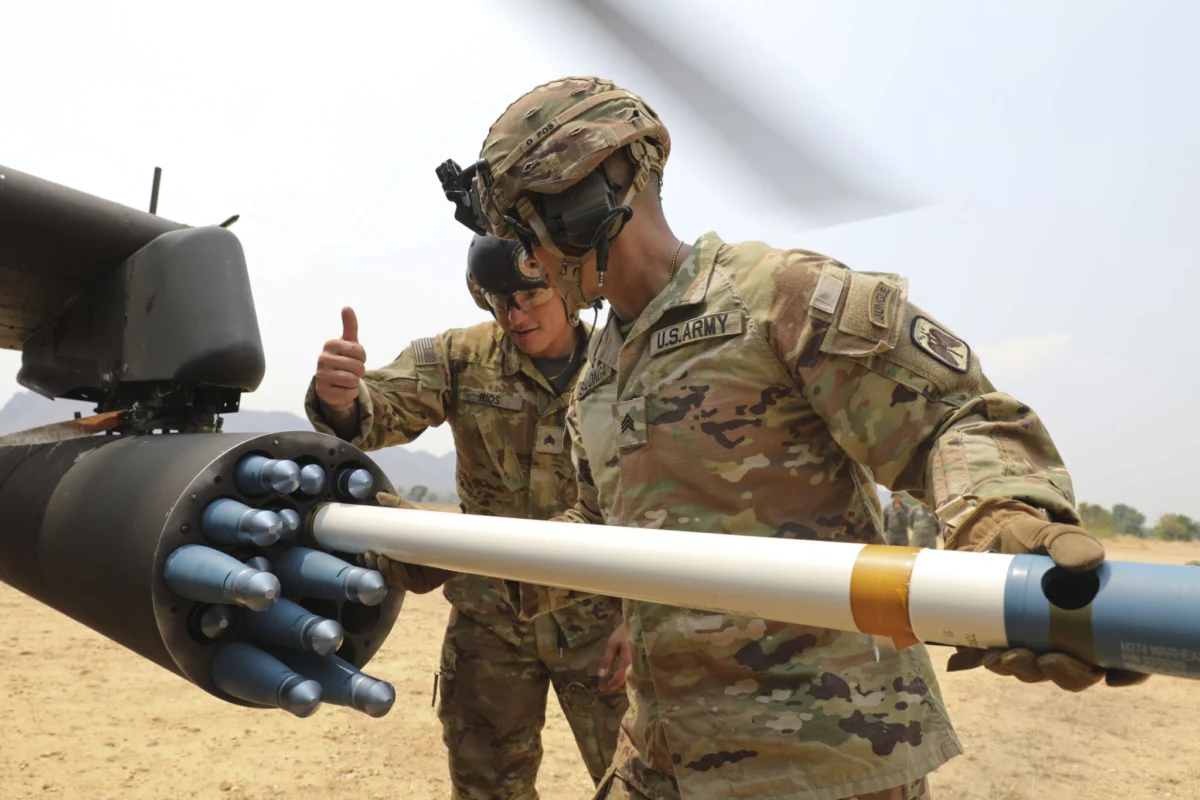
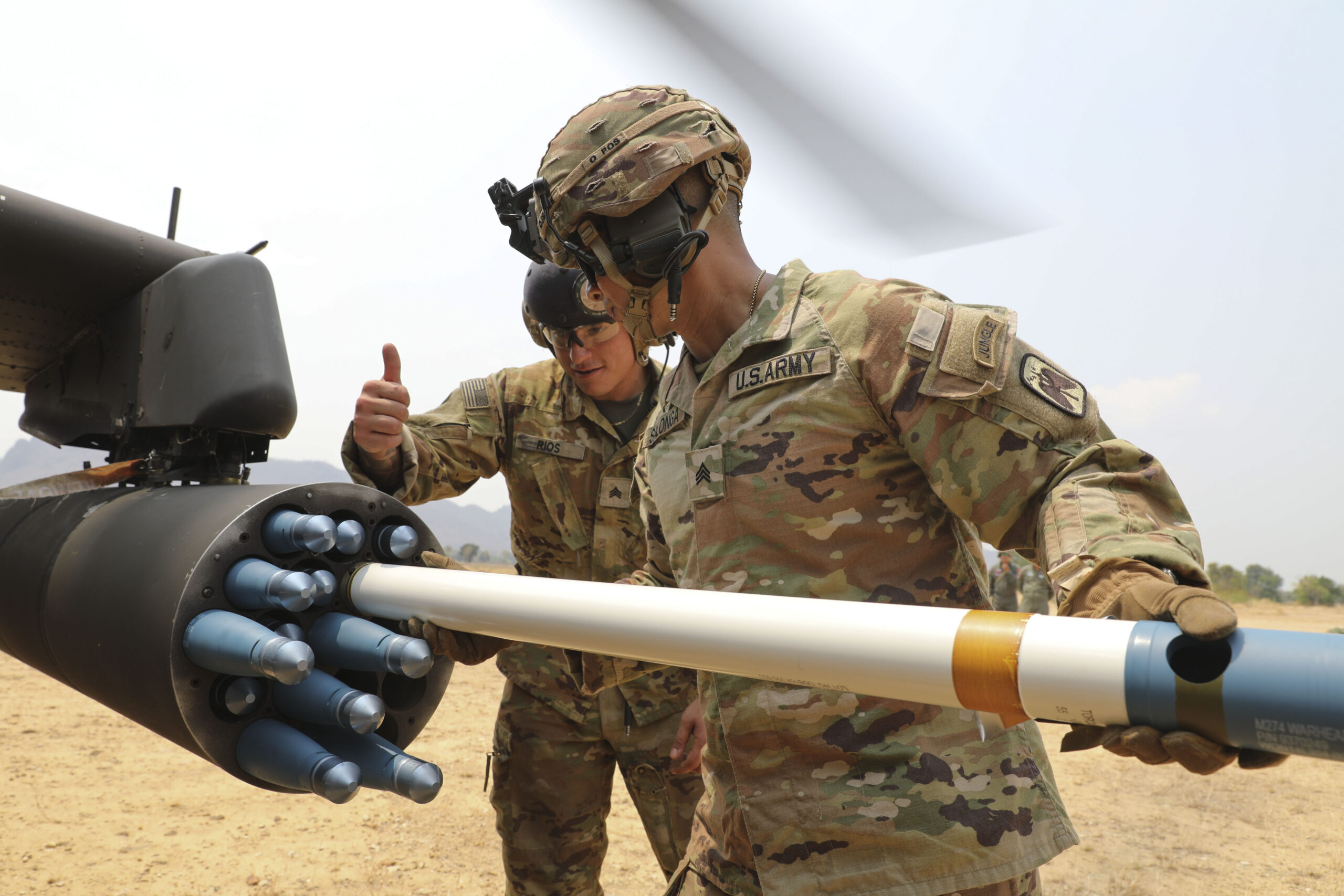
The Hydra-70 is far more than a simple munition; it is a versatile 2.75-inch (70mm) rocket system that serves as a primary air-to-ground weapon for the AH-64D/E Apache attack helicopter, as well as a wide array of other rotary- and fixed-wing aircraft. Its adaptability—capable of being fired from tube launchers in various configurations—makes it a staple for close air support, suppression of enemy air defenses, and anti-armor operations.
Despite its long history of service, the geopolitical climate of 2026 has brought the Hydra-70 back to the forefront of procurement discussions. With global stockpiles under immense pressure due to ongoing conflicts, the Army has identified the need for rapid production scaling as a top-tier readiness priority.
Chronology of the Initiative
The push toward diversifying the Hydra-70 supply chain did not happen in a vacuum. It follows a series of policy shifts within the Pentagon aimed at integrating nontraditional vendors into the defense ecosystem.
- Early 2026: The Army signals a broader intent to move away from legacy procurement cycles, focusing instead on "fast-track" prototyping to address immediate munitions shortfalls.
- May 2026: Army leadership, including key acquisition officials, explicitly calls for nontraditional vendors to step into the munitions space, citing the need for cheaper, more accessible interceptors and rockets.
- August 5, 2026: The Program Acquisition Executive Fires publishes the official release detailing the four OTA awards for M151 warhead production.
- August 6, 2026: Defense industry stakeholders, including Nammo Perry, publicly affirm their commitment to the initiative, marking the beginning of the 18-month prototype development window.
The Role of Other Transaction Authority (OTA)
The selection of the OTA vehicle is crucial to understanding the speed and agility of this program. Unlike traditional Federal Acquisition Regulation (FAR)-based contracts, which can be encumbered by complex administrative requirements, OTAs allow the Department of Defense to engage with commercial and nontraditional vendors on a more flexible basis.
Under these agreements, Firehawk, iRocket, Nammo Perry, and Albers are tasked with two primary objectives:
- Prototype Production: Each vendor must deliver 24 prototype M151 warheads within an 18-month timeframe.
- TDP Modernization: The vendors are tasked with refining the government-owned Technical Data Package (TDP). The TDP is the "blueprint" of the munition, encompassing manufacturing specifications, material requirements, and design tolerances. By modernizing these plans, the Army aims to make the manufacturing process more efficient, repeatable, and accessible to advanced production facilities.
Supporting Data: Why Supply Chain Diversification Matters
The reliance on a single primary supplier, such as General Dynamics Ordnance and Tactical Systems (GD-OTS), has historically provided stability. However, the modern battlefield demands "surge capacity"—the ability to rapidly ramp up production by an order of magnitude in response to high-intensity conflict.
The Industrial Base Landscape
- Production Velocity: Modern warfare, particularly the engagements observed in recent years, has shown that artillery and rocket consumption rates can quickly exceed peacetime production capacity.
- Geographic Distribution: Companies like Firehawk are already positioning themselves for this shift. Firehawk’s recent acquisition of a 636-acre production campus in Crawford, Mississippi, illustrates the physical infrastructure investment necessary to meet the Army’s new "scale-up" mandate.
- Competitive Pricing: The introduction of four new players into the M151 warhead production space is designed to foster competitive pricing. By evaluating multiple production methodologies, the Army can identify the most cost-effective, high-quality manufacturing processes.
Official Responses and Industry Outlook
Firehawk Aerospace
Will Edwards, CEO of Firehawk, emphasized the role of modern manufacturing in his statement to Breaking Defense. "Our goal is to deliver the Hydra-70 rockets faster and at scale using modern manufacturing approaches that can help strengthen America’s munitions supply chain," Edwards noted. The company’s focus on its Mississippi facility suggests that they are looking to leverage automated production to meet the 18-month delivery milestone.
Nammo Perry
Elizabeth Eastman, president and general manager of Nammo Perry, highlighted the company’s long-term commitment to the defense sector. "This award reflects our continued commitment to supporting the Army’s modernization priorities," she stated. Her remarks underscored a focus on "delivering high-quality solutions while expanding the capacity and responsiveness of the U.S. Defense Industrial Base."
The Army’s Perspective
The official statement from the Program Acquisition Executive Fires was clear: "This acquisition strategy secures vital industrial base surge capacity, ensuring the Army can swiftly meet emergent mission requirements and maintain uninterrupted readiness for Army lethality."
Implications for Future Defense Strategy
The implications of this move extend far beyond the Hydra-70 program. If successful, this multi-vendor approach could serve as a template for other munitions programs currently suffering from supply chain bottlenecks.
1. Future-Proofing the Hydra-70 Family
The Army has already indicated that if these prototype demonstrations prove successful, the program could expand to include other variants of the Hydra-70 family. This includes the M156 white phosphorus smoke warhead and the M229 high-explosive warhead, among others. By validating the production capabilities of these four firms, the Army is creating a "bench" of suppliers that can be activated for various munitions as the need arises.
2. Shifting Procurement Culture
By encouraging nontraditional vendors to update the TDPs, the government is reclaiming a level of control over its own intellectual property and manufacturing standards. This reduces the risk of "vendor lock-in," where the government is beholden to a single company’s proprietary processes or production limitations.
3. Geopolitical Preparedness
While the Army has been guarded regarding the specific threat landscape, the timing of the initiative in the context of global tensions—particularly regarding Iran—cannot be ignored. The ability to replenish munitions rapidly is a critical deterrent. A robust domestic industrial base that can pivot from peacetime production to surge capacity is, in itself, a form of strategic defense.
Conclusion
The Army’s decision to award OTA prototype agreements to Firehawk, iRocket, Nammo Perry, and Albers represents a decisive step toward a more resilient and agile defense industrial base. By prioritizing speed, competition, and the modernization of technical data, the service is not just buying rockets; it is investing in the infrastructure of future readiness.
As these companies begin the 18-month development cycle, the defense community will be watching closely to see how effectively these nontraditional players can integrate into the military’s demanding supply chain. If the prototype phase succeeds, the Hydra-70 may once again prove that even the most well-established munitions can be revitalized through innovation, competition, and a renewed commitment to industrial agility.
For further updates on this developing story and the progress of the Hydra-70 production milestones, continue to monitor official Army procurement releases and industry reporting.