
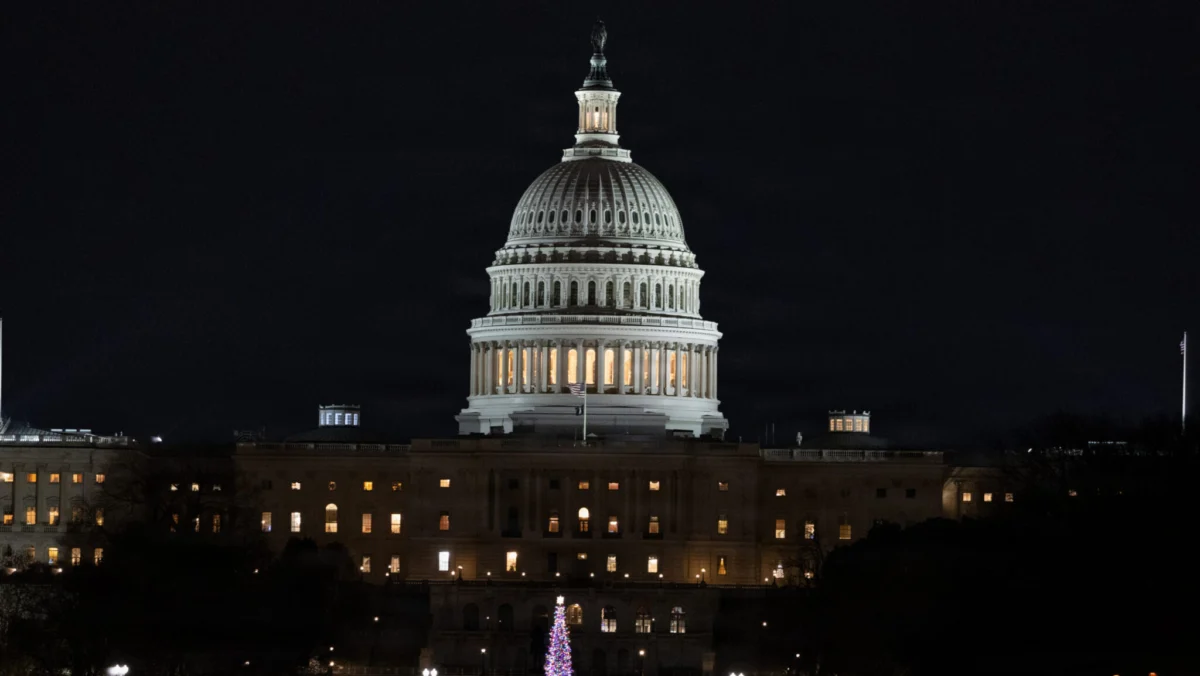
WASHINGTON — In a resounding display of bipartisan cooperation, the United States Senate moved decisively today to stave off a looming federal shutdown, voting 90-6-1 to advance a continuing resolution (CR) that would extend government funding through December 11. While the vote represents a critical procedural victory for lawmakers, it serves only as a temporary ceasefire in a broader, more contentious fiscal battle that threatens to collide with the high-stakes political environment of the upcoming midterm elections.
The legislation, which maintains Pentagon funding at fiscal 2026 levels while strictly prohibiting the initiation of new federal programs, now sets the stage for a tense negotiation with the House of Representatives. As the September 30 deadline approaches, the pressure on Capitol Hill to reconcile competing legislative visions is mounting, with the specter of a government closure casting a long shadow over the nation’s capital.
The Core Facts: A Procedural Lifeline
The Senate’s passage of the stopgap measure is an essential "bridge" intended to provide the federal government with the necessary operating capital to function beyond the end of the fiscal year. By freezing funding at current levels, the CR ensures that military pay, federal agency operations, and essential public services continue uninterrupted while lawmakers finalize the intricate details of the annual appropriations process.
However, the bill’s simplicity masks a deeper fiscal disagreement. By barring the launch of new programs, the Senate has signaled a "maintenance-only" approach to governance, effectively putting the administration’s legislative agenda on hold until a final budget agreement can be reached. The bipartisan support—evidenced by the 90-6-1 vote—highlights a shared urgency among lawmakers to avoid the political and economic fallout of a shutdown, particularly as candidates prepare for the final stretch of the November midterms.
A Chronological Breakdown of the Fiscal Impasse
The path to this week’s Senate vote has been marked by a series of legislative pivots and tactical maneuvers that reflect the deep-seated divisions between the House and Senate chambers.
- Pre-Recess Friction (July): Before departing for the August recess, the House of Representatives pushed through its own version of a stopgap measure. That bill, which proposed a funding extension only until December 4, was met with significant resistance from House Democrats, largely because it lacked the "anomalies"—or specific legislative exemptions—that allow for budgetary flexibility in complex federal programs.
- The Senate Pivot (August 2): Recognizing the political impasse created by the House bill, the Senate introduced its own version of the CR. This iteration, which passed today, incorporates key provisions favored by Democrats, including targeted funding exemptions that were notably absent from the House proposal.
- The Current Deadlock (September): With the House having left for recess and the Senate moving its own bill, the two chambers now find themselves in a legislative standoff. Upon returning to Washington in September, the immediate priority will be to either reconcile the December 4 and December 11 deadlines or for one chamber to capitulate and adopt the other’s text.
Supporting Data: The Pentagon’s Fiscal Constraints
At the heart of the current debate is the Department of Defense (DoD). The Senate’s CR maintains funding at fiscal 2026 levels, a decision that has significant operational implications. While a CR provides stability, it also acts as a straightjacket, preventing the military from adjusting to shifting global threats or responding to changing technological requirements.
Notably, both the House and Senate versions of the CR have conspicuously omitted critical "anomalies" requested by the White House. These requested exemptions were deemed essential by the executive branch to maintain readiness and industrial base stability. Specifically:
- The Trump-Class Battleship: The White House had requested a $1 billion infusion to advance the development and construction of the Trump-class battleship. By omitting this funding, the CR effectively pauses the project, signaling to the naval industry that the administration’s flagship shipbuilding program is not a priority for the current fiscal window.
- Multiyear Munitions Contracts: The DoD had requested authority to obligate funds for five major multiyear munitions contracts. These contracts are vital for replenishing stockpiles and maintaining a steady production cadence. The omission of this authority suggests that, until a full appropriations bill is signed, the Pentagon will be unable to lock in long-term pricing and production commitments, potentially leading to increased costs and supply chain bottlenecks.
Official Responses and Political Posturing
The lack of movement on the requested Pentagon anomalies has drawn sharp reactions from within the administration and the defense establishment.
"While we appreciate the Senate’s effort to keep the lights on, a continuing resolution is an inefficient way to run a superpower’s military," a senior Pentagon official noted on condition of anonymity. "The inability to initiate new starts or secure multiyear procurement contracts doesn’t just delay programs—it creates uncertainty that ripples through our industrial base. We need a full budget, not a series of stopgaps."
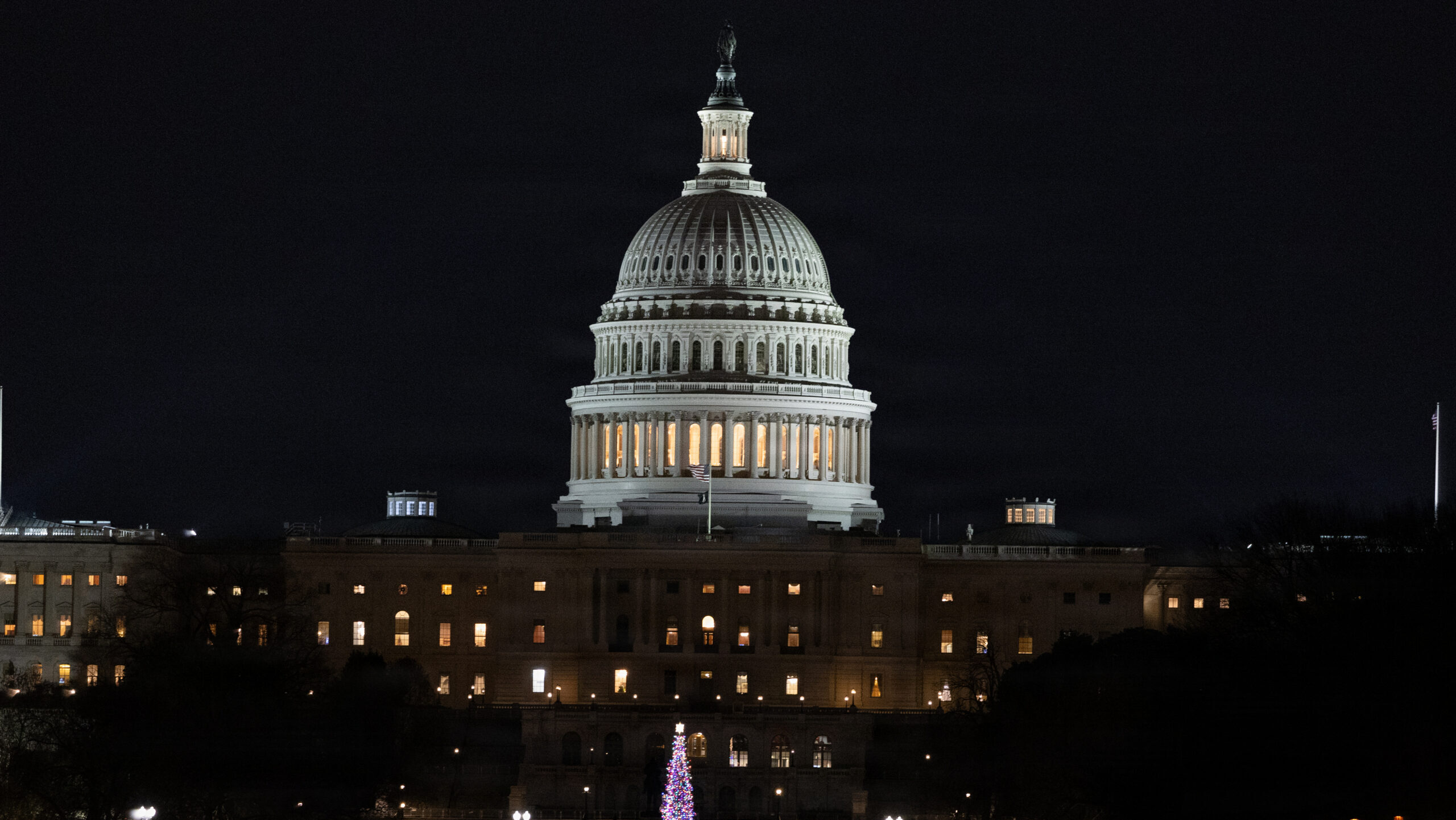
Conversely, legislative leaders have emphasized the necessity of the CR as a blunt instrument to control federal spending. Senate Minority and Majority leadership have both characterized the bill as a "necessary evil."
"This is not the bill we wanted," one Senator stated during the floor debate. "It is the bill we needed to ensure that our service members are paid and that the government continues to serve the American people while we hash out the difficult trade-offs required for a full-year budget."
Implications: The Shadow of the Midterms
The timing of this legislative drama is anything but coincidental. With the midterm elections looming in November, a government shutdown would be a political catastrophe for whichever party is perceived as the primary antagonist.
The Risk of a "Long Shutdown"
If Congress fails to reconcile the House and Senate versions by September 30, the resulting shutdown could be prolonged. Because the elections occur in November, any shutdown that begins in October could stretch into the final weeks of the campaign. This would create a scenario where federal workers are furloughed, government services are shuttered, and the Pentagon is forced to operate under emergency protocols just as the electorate goes to the polls.
The Impact on National Security
Beyond the domestic political fallout, the inability to pass a comprehensive budget creates a "readiness gap." The prohibition on new programs prevents the military from investing in emerging technologies, such as AI-driven defense systems and advanced cyber-defense capabilities. Furthermore, the uncertainty surrounding the Trump-class battleship and munitions contracts serves as a signal to global adversaries that the U.S. domestic legislative process is currently struggling to prioritize long-term strategic investments.
The Path Forward
As lawmakers prepare to return to Washington, the math remains simple but the politics remain complex. The House must decide whether to embrace the Senate’s version—thereby accepting the December 11 date and the additional Democratic-backed anomalies—or risk a standoff that could lead to a catastrophic shutdown.
For the average citizen, the Senate’s vote is a sign of relief, but it is not the end of the story. The coming weeks will determine whether Congress can rise above the partisan fray to deliver a stable, long-term fiscal framework, or if the country is destined to drift from one stopgap measure to the next, with the security and efficiency of the federal government hanging in the balance.
As it stands, the clock is ticking. With less than a month before the current funding expires, the House and Senate have little room for error. The bipartisan vote of 90-6-1 in the Senate proves that consensus is possible; whether it is sustainable through the heat of the autumn political season remains the defining question of this legislative session.