
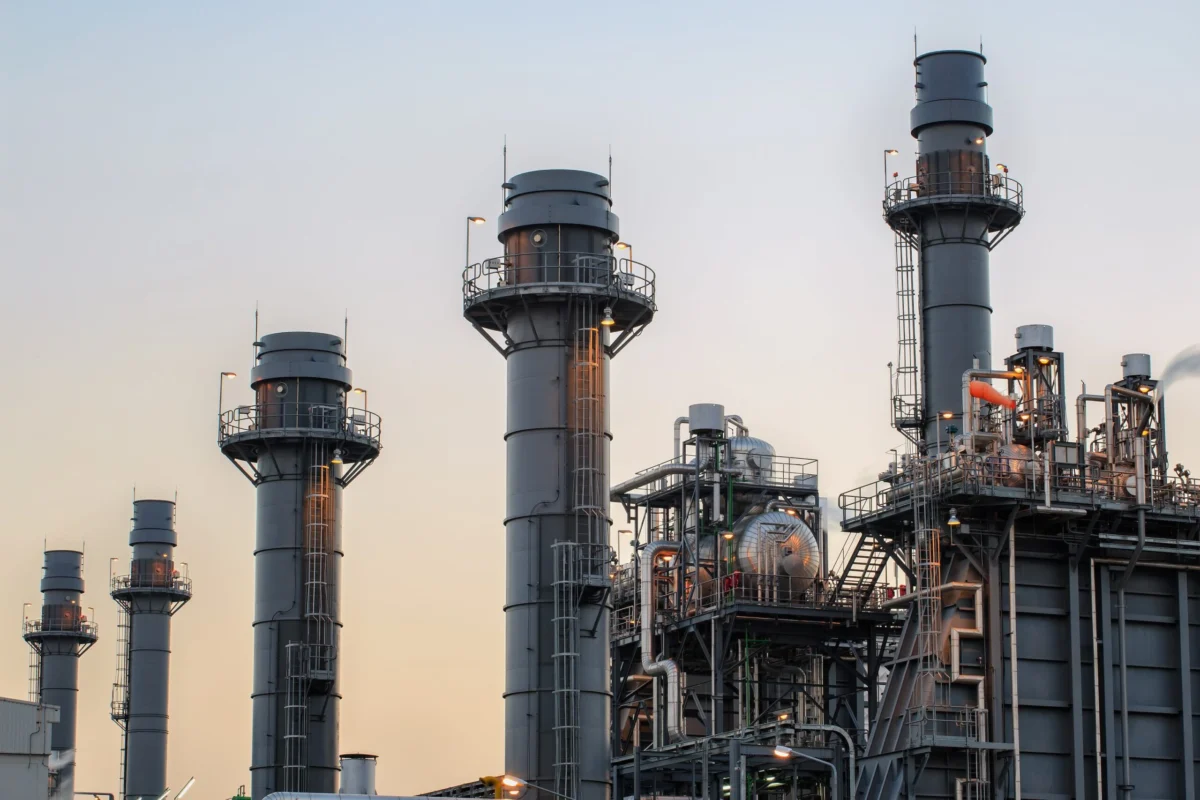
As the global race for artificial intelligence dominance intensifies, the physical infrastructure required to sustain it is coming into sharp focus. Amazon, the e-commerce and cloud computing behemoth, is at the center of a brewing controversy in Pecos County, Texas, where its plans for a massive data center are being coupled with an on-site natural gas power plant. According to reporting by The New York Times, this facility is projected to become the single largest source of carbon dioxide emissions from a power plant in the United States, casting a long shadow over the company’s ambitious climate commitments.
The Magnitude of the Proposal: Main Facts
The scale of Amazon’s Texas project is unprecedented in the tech industry’s history of infrastructure development. At the heart of the controversy is a planned on-site power generation facility designed to provide the consistent, high-voltage energy required to run thousands of servers—the backbone of generative AI.
Current permits suggest the plant will burn natural gas, releasing an estimated 33 million tons of carbon dioxide annually. To put this figure into perspective, if this facility were a standalone power plant, it would surpass the emissions of every other individual power plant currently operating in the United States. This development places Amazon in a precarious position: as it pushes forward with its “Climate Pledge”—a commitment to reach net-zero carbon emissions by 2040—it is simultaneously investing in fossil fuel infrastructure that represents a multi-decadal carbon commitment.
The choice of Pecos County, a region already accustomed to energy extraction, highlights the growing trend of tech companies bypassing aging, overburdened regional power grids in favor of “behind-the-meter” generation. By generating its own power on-site, Amazon seeks to insulate its data center operations from the volatility of the Texas grid, yet in doing so, it creates an environmental footprint that critics argue is incompatible with modern corporate sustainability goals.
A History of Escalation: Chronology of the AI Energy Crunch
The trajectory leading to the Pecos County project is part of a broader, rapid escalation in the energy demands of Big Tech.
- 2019-2021: Amazon, alongside peers like Google and Microsoft, heavily promoted its transition toward 100% renewable energy, primarily through Power Purchase Agreements (PPAs) for wind and solar.
- 2023: The launch of mainstream generative AI services triggered an unprecedented surge in demand for high-density computing. Data centers, which previously required steady, predictable power, began demanding massive, constant loads to support GPU clusters.
- April 2026: Reports surfaced detailing how major tech companies, including Amazon, began actively funding and backing the development of large-scale natural gas plants to ensure their data centers remained online regardless of grid conditions.
- July 2026: A wave of political backlash began to crest. In New York, state officials moved to halt the construction of new data centers, citing concerns over electricity costs for residents and the strain on local infrastructure.
- July 2026: Amazon reported its annual carbon footprint, revealing a 16% increase in emissions—a sharp reversal of its climate goals and a direct byproduct of the massive energy intake required by its AI models.
- August 2026: The New York Times exposed the specific details of the Pecos County facility, detailing the sheer volume of projected CO2 output and the reliance on natural gas.
The Data Behind the Dilemma: Supporting Evidence
The numbers paint a stark picture of the trade-off between technological progress and environmental stewardship. Amazon’s recent sustainability report confirms that the company is struggling to reconcile its growth with its environmental promises.
The 16% Emission Spike
Amazon’s reported 16% increase in carbon emissions is not merely a statistical anomaly; it is a structural reality of AI scaling. The energy required to train large language models (LLMs) and run continuous inference is exponentially higher than that of traditional cloud storage or e-commerce processing. As the company builds out its infrastructure to maintain a lead over competitors, the carbon intensity of its operations has risen significantly.
The Fossil Fuel Trap
Industry analysts note that while wind and solar remain the cheapest forms of energy, they are intermittent. Data centers, which require "baseload" power (consistent, 24/7 energy), have found it difficult to rely solely on renewables without massive, expensive battery storage. Consequently, the industry is defaulting back to natural gas as a "reliable" solution. However, building new gas plants locks in carbon emissions for 20 to 30 years, directly contradicting the net-zero timelines that Amazon and its peers have publicly championed.
Official Responses and Corporate Strategy
The tension between Amazon’s public branding and its private infrastructure decisions has led to a defensive stance from company leadership.
In response to the growing scrutiny, an Amazon spokesperson issued a statement emphasizing a dual-focus strategy: operational independence and grid stability. The spokesperson stated that the Pecos County data center will be "powered by new on-site generation that won’t raise electricity costs for Texas families."
This argument—that the project avoids displacing power from the local grid—is a central pillar of Amazon’s defense. By building its own generation, Amazon claims it is not competing with residential or commercial consumers for the existing, limited power supply, thereby avoiding the inflationary pressures that have caused data centers to become lightning rods for political controversy elsewhere in the U.S.
When confronted with the apparent contradiction of building a massive gas-fired plant while claiming to pursue a net-zero future, the spokesperson added, "The world looks different now than when we co-founded the Climate Pledge. Our commitment hasn’t changed." This rhetoric suggests that Amazon views its current infrastructure choices as a "necessary evolution"—a pragmatic detour that they argue will eventually lead to cleaner solutions once technology allows.
The Broader Implications: What Lies Ahead?
The Pecos County facility is more than just a data center; it is a case study in the future of the American energy landscape. The project carries several profound implications for policy, industry, and the environment.
1. The Regulatory Bottleneck
The "Not In My Backyard" (NIMBY) sentiment is rapidly shifting to "Not In My Grid." As seen in New York and other regions, lawmakers are beginning to realize that data centers can drive up energy prices and create localized air quality issues. The Pecos County project may prompt federal and state regulators to re-evaluate the permitting process for "private" power plants attached to industrial sites.
2. The Credibility Gap
Amazon’s Climate Pledge was a cornerstone of its brand identity. By facilitating a power plant that could potentially become the nation’s largest polluter, the company risks alienating its ESG-focused (Environmental, Social, and Governance) investors and eco-conscious consumer base. The gap between corporate rhetoric and physical reality has never been wider.
3. The Energy Trilemma
The industry is currently caught in a "trilemma": how to provide cheap, reliable, and clean power simultaneously. Amazon’s move in Texas is a clear prioritization of reliability and cost over cleanliness. This sets a dangerous precedent for the tech industry at large. If the biggest players in the world abandon the "clean" portion of the trilemma, it could delay the global energy transition by decades.
4. Technological Innovation as a Potential Out
Some analysts suggest that Amazon may eventually offset the emissions of this plant through carbon capture or the later integration of small modular nuclear reactors (SMRs) or hydrogen. However, these are future-looking technologies that are not yet viable at the scale of the Pecos County facility. For now, the reality remains that the facility will be a significant producer of greenhouse gases.
Conclusion
Amazon’s venture into Pecos County represents a pivotal moment for the tech industry. It underscores the undeniable hunger of artificial intelligence and the lengths to which corporations will go to ensure their infrastructure keeps pace with their software ambitions. While the company maintains that its climate commitments are intact, the math suggests a different reality. As the world watches, the question remains: Can Amazon lead the AI revolution without sacrificing the planet? For now, the path forward appears paved with natural gas, and the environmental cost is rising alongside the company’s compute capacity.