In a significant policy shift aimed at bolstering consumer privacy and device security, LG Electronics USA has announced a sweeping crackdown on smart TV applications that transform home entertainment hubs into "always-on" residential proxy nodes. This move comes less than a month after a bombshell report from the security firm Spur revealed that a staggering 42 percent of applications on LG’s webOS store were essentially functioning as involuntary relays for third-party internet traffic.
The initiative represents a rare, proactive stance by a major hardware manufacturer against the quiet proliferation of the "residential proxy" economy—a business model that monetizes home bandwidth by turning everyday consumer devices into exit nodes for commercial data-scraping operations.
The Anatomy of the Proxy Problem
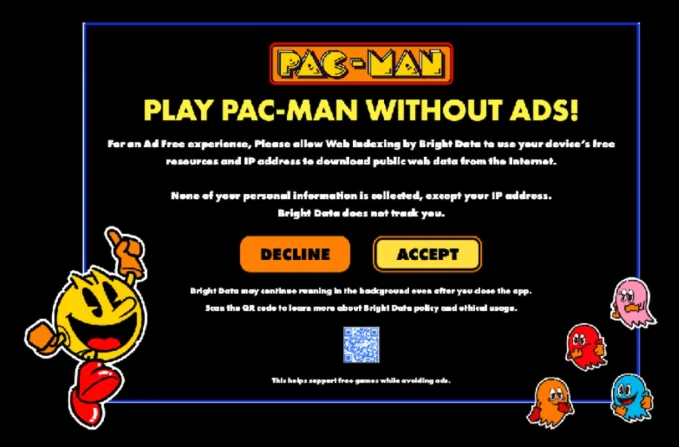
Residential proxy networks operate on a simple, albeit controversial, premise. Companies provide software development kits (SDKs) to app developers, offering them a way to monetize their free or low-cost applications. When a user installs these apps—ranging from casual games like Pac-Man to innocuous file utilities—they are often prompted to opt into a "sharing" program. By agreeing, the user allows their home internet connection to be used as a tunnel by third parties.
These third parties, which include marketers, researchers, and data-scraping services, pay for the privilege of routing traffic through actual residential IP addresses. This makes their activity appear as if it originates from a legitimate household rather than a data center, allowing them to bypass geo-blocks, anti-bot protections, and web-scraping filters.
However, the security implications for the average consumer are profound. By turning a smart TV into a proxy node, users are essentially opening a digital doorway into their home network. While providers claim these services are secure, the presence of these SDKs on devices that are perpetually connected to the internet—and which most consumers do not consider to be "computers" capable of being audited—creates a massive, unmanaged attack surface.
Chronology of the Discovery and LG’s Pivot
The tension surrounding this practice reached a boiling point on July 2, 2026, when security firm Spur released its comprehensive study on the prevalence of proxy SDKs within the smart TV ecosystem.
The Findings
Spur’s research was wide-reaching, analyzing the app stores for the world’s two largest smart TV manufacturers: LG (webOS) and Samsung (Tizen OS). The data was alarming:
- LG webOS: 42 percent of analyzed applications contained code facilitating residential proxy nodes.
- Samsung Tizen OS: More than 25 percent of applications included similar components.
The report highlighted that these SDKs were not restricted to niche or shady applications; they were found in widely used utilities and popular games, often disguised behind obscure terms of service or one-time consent prompts that users rarely scrutinize.
The Response
Following the publication of these findings, the scrutiny on LG intensified. John Taylor, Senior Vice President at LG Electronics USA, addressed the controversy directly in a statement to KrebsOnSecurity.
"A residential proxy network is not an intended use for LG smart TVs," Taylor stated. "LG Electronics is working with developers to remove the residential proxy option from their apps on the webOS platform. If this option is not removed, these apps will be suspended."
Taylor confirmed that a company-wide review of the webOS app ecosystem is currently underway. Moving forward, LG plans to implement more stringent vetting processes for all developer-submitted apps to ensure that no further "proxy-enabled" software slips through the cracks.
The Role of Industry Players: The Bright Data Defense
The primary driver behind the proliferation of these SDKs is the proxy market itself. The industry leader, Bright Data, was prominently named in the Spur report as accounting for the majority of the proxy SDKs found on LG and Samsung televisions.
In response to the growing backlash, Bright Data issued a formal defense of its business model. The company emphasized that its network operates on a foundation of "consent and responsibility."

"Every peer opts in through a dedicated screen and receives value in return; every customer is vetted, and our practices have now undergone a second independent audit by PwC," the company stated. "We remain committed to an open, transparent internet where legitimate businesses, researchers, and institutions can responsibly access data that lives in the public domain."
Bright Data further contends that they implement "know-your-customer" (KYC) protocols to ensure their clients are not utilizing the network for malicious purposes. They also claim to employ technological safeguards to prevent their proxy users from performing internal network reconnaissance—a major concern for households where the TV shares a network with personal laptops, smartphones, and IoT security cameras.
The Privacy and Security Implications
Despite the assurances from proxy providers, security experts like Trevor Sutter of Spur remain unconvinced that the current model is sustainable or safe for the average consumer.
The Illusion of Informed Consent
Sutter argues that the core issue is not necessarily the existence of proxy networks, but the "scale and stealth" with which they are being embedded. "A one-time consent prompt buried in a TV app is not a substitute for meaningful transparency, ongoing control, and platform oversight," Sutter noted.
The concern is that the "consent" is often ill-informed. A user downloading a screensaver app may not understand that they are agreeing to host traffic for potentially thousands of third-party users. Furthermore, households often feature multiple users, including children, who may inadvertently grant permissions that affect the security of the entire home network.
The "Black Box" Device Dilemma
Smart TVs are uniquely problematic because they are "black boxes." Unlike a Windows PC or a Mac, where a user can monitor network traffic, check active background processes, and install robust firewall software, a smart TV is a closed system. When a proxy SDK is running on a TV, the owner has no way to see what kind of traffic is being routed through their connection, who is paying for that traffic, or if the SDK is being exploited by secondary malicious actors.
Beyond Proxies: LG’s Broader Reputation Issues
While LG’s move to purge proxy SDKs has been met with applause from the cybersecurity community, the company’s reputation for managing its ecosystem remains under fire. This latest development follows another controversy involving LG’s relationship with third-party software.
Earlier this week, the tech-focused YouTube channel Gamers Nexus revealed that certain high-end LG LCD monitors were automatically installing promotional software through Windows Update. This software, which promoted paid McAfee antivirus subscriptions, appeared on user machines without an explicit opt-in prompt.
The coincidence of these two events—the proxy scandal and the forced software promotion—has led critics to argue that LG has been overly permissive with the third-party integrations allowed on its hardware. Whether through the inclusion of proxy SDKs in webOS apps or the intrusive deployment of promotional software on monitors, these practices suggest a business strategy that prioritizes monetization and partner integration over the integrity of the user experience.
Looking Forward: A Call for Platform Accountability
The decision by LG to ban residential proxy SDKs marks a pivotal moment for smart device security. As televisions become increasingly integrated into the "Internet of Things" (IoT) landscape, the standards for what constitutes an "acceptable" app must rise.
The Path Ahead
- Stricter App Store Governance: LG must transition from a "reactive" model—where apps are pulled only after they are exposed by security researchers—to a "proactive" model that denies entry to any app containing unauthorized network-sharing capabilities.
- Consumer Transparency: Manufacturers should provide a centralized dashboard on smart TVs that clearly shows which applications are using network resources in the background.
- Industry Standards: The industry as a whole, including Samsung and other major TV manufacturers, should follow LG’s lead and establish a universal ban on residential proxy SDKs.
As the line between "entertainment device" and "network-connected computer" continues to blur, the responsibility of the manufacturer to protect the home perimeter has never been greater. By removing these proxy SDKs, LG is taking the first step toward reclaiming the trust of its users, but the company must prove that this policy change is permanent, comprehensive, and indicative of a new, privacy-first approach to product management.
For the consumer, the lesson remains clear: the apps we install on our "smart" devices are rarely just apps. They are software packages with their own agendas, and until the platforms themselves provide the necessary safeguards, users must remain vigilant about what they allow into their homes.