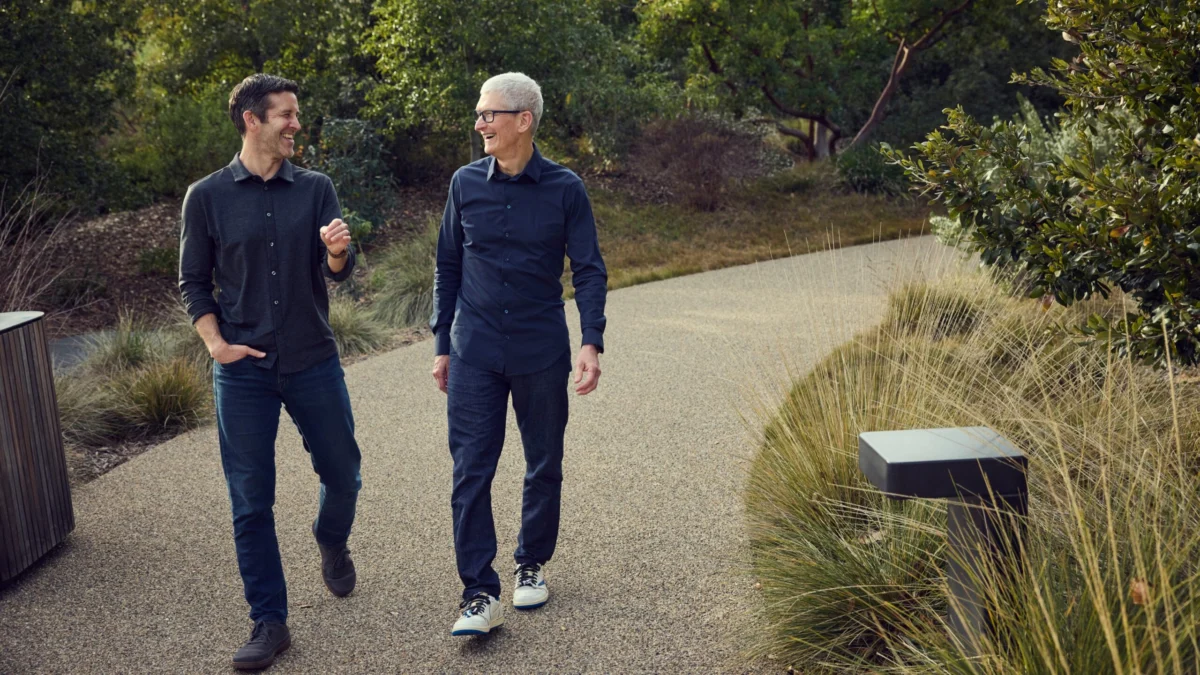
As the sun sets on the Tim Cook era at Apple, a new chapter begins in Cupertino. Tomorrow, Tim Cook will transition into the role of Chairman of the Board, passing the CEO mantle to John Ternus. This changing of the guard is more than a mere administrative shift; it represents a pivotal moment for a $4 trillion corporation that has spent the last decade-and-a-half redefining what it means to be a global technology powerhouse.
The Chronology of a Corporate Evolution
To understand the weight of this transition, one must look back to 2011. When Steve Jobs, battling a terminal illness, hand-picked Tim Cook to lead Apple, the move was met with profound skepticism. Critics painted Cook as a mere "operations guy," a logistical mastermind lacking the creative spark that defined Jobs’ tenure. The narrative was simple: Apple would stagnate without its visionary founder.
History, however, proved the skeptics wrong. Under Cook, Apple moved beyond the "revolutionary" hardware model of the Jobs era, shifting toward a service-based, ecosystem-driven giant. While Jobs birthed the iPhone, Cook nurtured it into a foundational pillar of human existence. From the introduction of the Apple Watch and AirPods to the ambitious development of Apple Silicon, Cook steered the company through unprecedented growth and the global turbulence of the COVID-19 pandemic.
Now, as Cook ascends to the chairmanship, the baton passes to John Ternus. A veteran of the hardware engineering department, Ternus has been groomed for this moment for years. His rise marks a strategic pivot—a return to the company’s roots as a "product-first" organization, albeit one operating at a scale that Jobs likely never imagined.
Supporting Data: From $350 Billion to $4 Trillion
The metrics of Cook’s tenure are nothing short of staggering. When he took the helm in 2011, Apple was a $350 billion entity. Today, it stands as a $4 trillion titan. This growth was not fueled by magic, but by a relentless focus on the "Apple ecosystem."
- Financial Dominance: The pivot toward recurring revenue through services—Apple Music, iCloud, Apple Pay, and Apple TV+—has created a financial moat that protects the company from the cyclical volatility of the hardware market.
- Market Penetration: Apple Pay, for instance, now commands a 92% share among U.S. mobile wallet users, effectively digitizing the global economy and rendering physical cash obsolete in millions of transactions daily.
- Ethical Infrastructure: Beyond the balance sheet, Cook fundamentally altered the company’s moral compass. His commitment to privacy, environmental sustainability, and diversity (LGBTQ+ and Black representation) has become an inseparable part of Apple’s corporate DNA, influencing consumer trust and brand loyalty globally.
A New Definition of Success: The "Product Guy" Era
As John Ternus assumes the role of CEO, the industry is buzzing with speculation about what his leadership will bring. If Cook was the architect of the service-based behemoth, Ternus is being positioned as the master of the "Innovation Factory."
Ternus is widely described by colleagues as collaborative, level-headed, and intensely focused on product refinement. His primary mandate? To reinvigorate Apple’s legendary design department, which has faced significant attrition due to the aggressive recruitment efforts of rivals like OpenAI.
The timing is calculated. Ternus steps in just as Apple prepares for a massive refresh of its hardware lineup. Rumors of a folding iPhone, a futuristic glass "20th Anniversary" device, and a new generation of AI-integrated smart home accessories suggest that Apple intends to use Artificial Intelligence not just as a software feature, but as the "secret sauce" to bind its hardware ecosystem together.
Implications: Navigating the AI Frontier and Competitive Pressures
The road ahead for Ternus is not without obstacles. The technology landscape is more competitive and litigious than ever.
The AI Arms Race
Apple’s approach to AI is characteristically deliberate. While competitors have rushed to market with generative tools, Apple has focused on integrating AI into the silicon level, ensuring privacy and local processing. The ongoing legal tensions with OpenAI underscore the high-stakes environment in which Ternus must operate. He must prove that Apple’s hardware-first approach to AI can outpace the cloud-heavy models pushed by Silicon Valley’s other giants.
The Governance Structure
The transition is being managed with meticulous care. By moving Cook to the Board Chair position, Apple ensures that the strategic and operational genius of the past 13 years remains accessible to the new leadership. This is "succession by the book." The executive team is already being structured to support future departures, with Ternus reportedly having a clear vision of who will lead the company’s various divisions for years to come.
Official Stance: Defining the Future
Apple’s official messaging remains focused on continuity and innovation. The transition is not presented as a departure from the past, but as a natural evolution. Ternus’s challenge is to build his own definition of success without falling into the trap of direct comparison.
Critics argue that "revolutionary" products are rare—Jobs himself understood that they don’t grow on trees. Ternus must navigate the difficulty of maintaining high growth while the company faces increased regulatory scrutiny in Europe and the United States regarding its App Store policies and ecosystem exclusivity.
Reflections: Stay Hungry, Stay Foolish
The late Steve Jobs famously urged his audience to "stay hungry, stay foolish." It is a mantra that has served Apple well through two major transitions. As we observe this change in leadership, it is essential to remember that Apple’s strength has always been its ability to adapt to the times.
Under Jobs, Apple was a visionary disruptor. Under Cook, it became a vast, interconnected, and highly profitable machine. Under Ternus, the company aims to become a "Product Innovation Factory."
The industry should not measure Ternus against the ghost of Jobs or the shadow of Cook. Each leader reflected the needs of their specific era. The world has changed, and Apple must change with it. The true measure of Ternus’s success will not be found in quarterly earnings alone, but in his ability to maintain the company’s culture of excellence while steering it through the unpredictable AI-driven landscape of the next decade.
As the company prepares for this transition, the message remains clear: the future is not a destination, but a process. For John Ternus, the work begins now. He must define his own star, lead his own team, and continue the legacy of a company that has fundamentally changed the way the world communicates, works, and plays.
Whether he succeeds will depend on his ability to blend the operational rigor of his predecessor with the creative, sometimes "foolish" drive that has kept Apple at the center of the technology world for nearly half a century. The guard has changed, but the mission remains the same: to create tools that empower the human spirit.