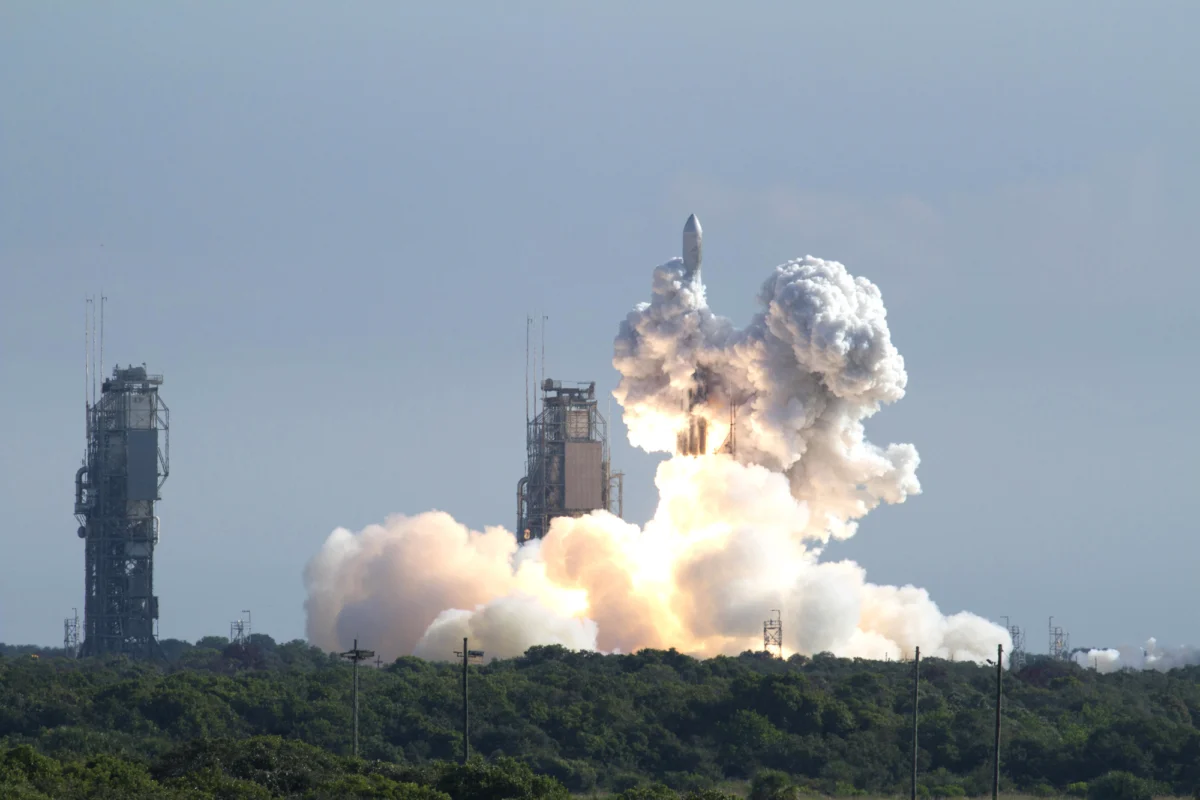
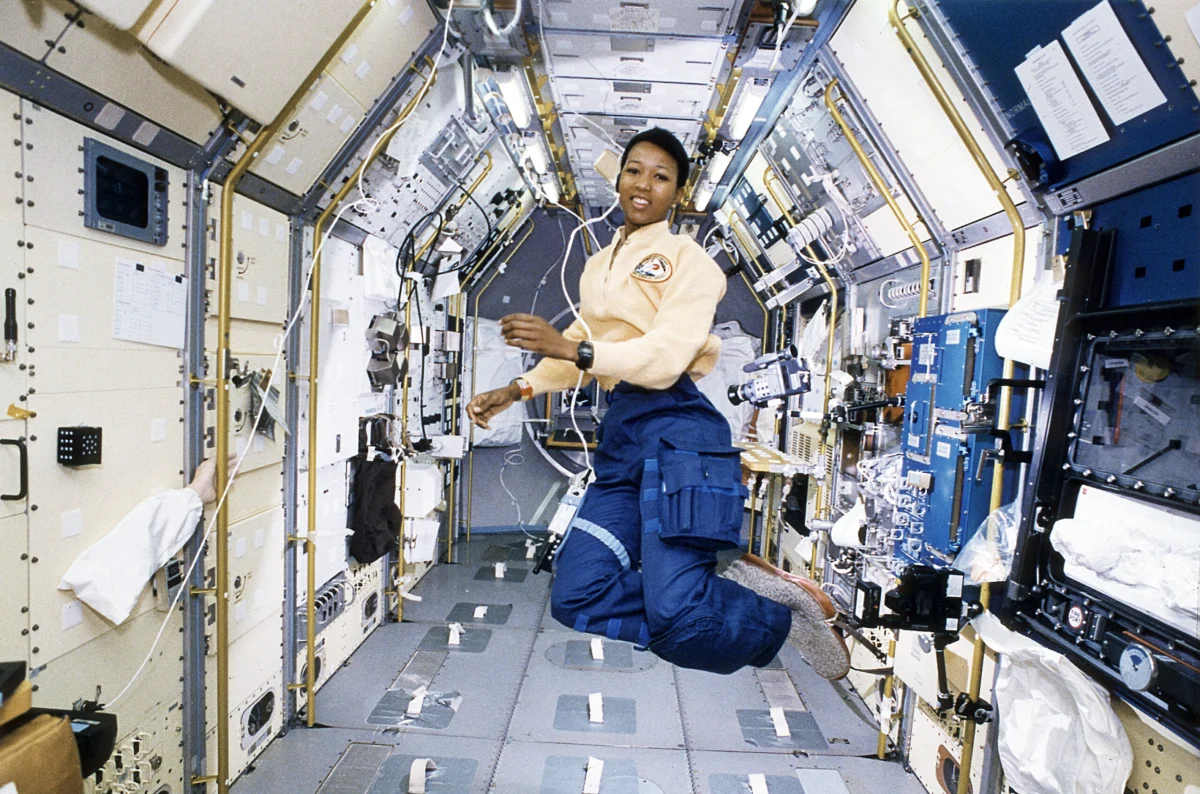
On September 12, 1992, the Space Shuttle Endeavour roared into the Florida sky, marking a pivotal moment in the history of human spaceflight. Among the crew of STS-47 was Dr. Mae Jemison, a polymath whose presence on the flight deck shattered a long-standing barrier: she was the first African American woman to travel into space. While her journey lasted only eight days, the ripples of her accomplishment have influenced generations of scientists, engineers, and dreamers, cementing her legacy as a pioneer in the truest sense of the word.
The Arc of Progress: A Historical Context
To understand the magnitude of Dr. Jemison’s achievement, one must examine the institutional landscape of NASA during its infancy. In the early decades of the American space program, the astronaut corps was famously monochromatic and exclusively male. The archetype of the "Mercury Seven" defined the public’s perception of who could explore the cosmos—a perception that remained largely unchallenged until the socio-political shifts of the late 20th century began to permeate the halls of the Johnson Space Center.
It was not until 1983—a full 22 years after Alan Shepard became the first American in space—that NASA finally included a woman, Sally Ride, in a space mission. That same year, Guion Bluford made history as the first African American man to orbit the Earth. However, the intersectional barrier facing Black women remained intact for nearly another decade. When Mae Jemison finally strapped into the Endeavour for the 50th space shuttle mission, she was not merely a mission specialist; she was a symbol of an evolving agency finally beginning to mirror the diversity of the nation it represented.
Chronology of a Trailblazer
The path to the stars for Mae Jemison was paved with intellectual rigor and a relentless commitment to service. Born in Alabama and raised in Chicago, Jemison’s trajectory was unconventional for an astronaut of her era.
- Academic Foundations: Jemison graduated from Stanford University with degrees in both chemical engineering and African American studies, a dual focus that showcased her ability to synthesize technical expertise with a deep understanding of the human condition.
- Medical Excellence: She later earned her doctorate in medicine from Cornell University. Before joining NASA, she served as a general practitioner and spent two years in West Africa as a Peace Corps Medical Officer for Sierra Leone and Liberia. This international, humanitarian experience provided her with a unique perspective on the global applications of science and technology.
- The NASA Selection: In 1987, Jemison was selected from a pool of roughly 2,000 applicants to join the astronaut corps. After intensive training, she was assigned to STS-47, the Spacelab-J mission.
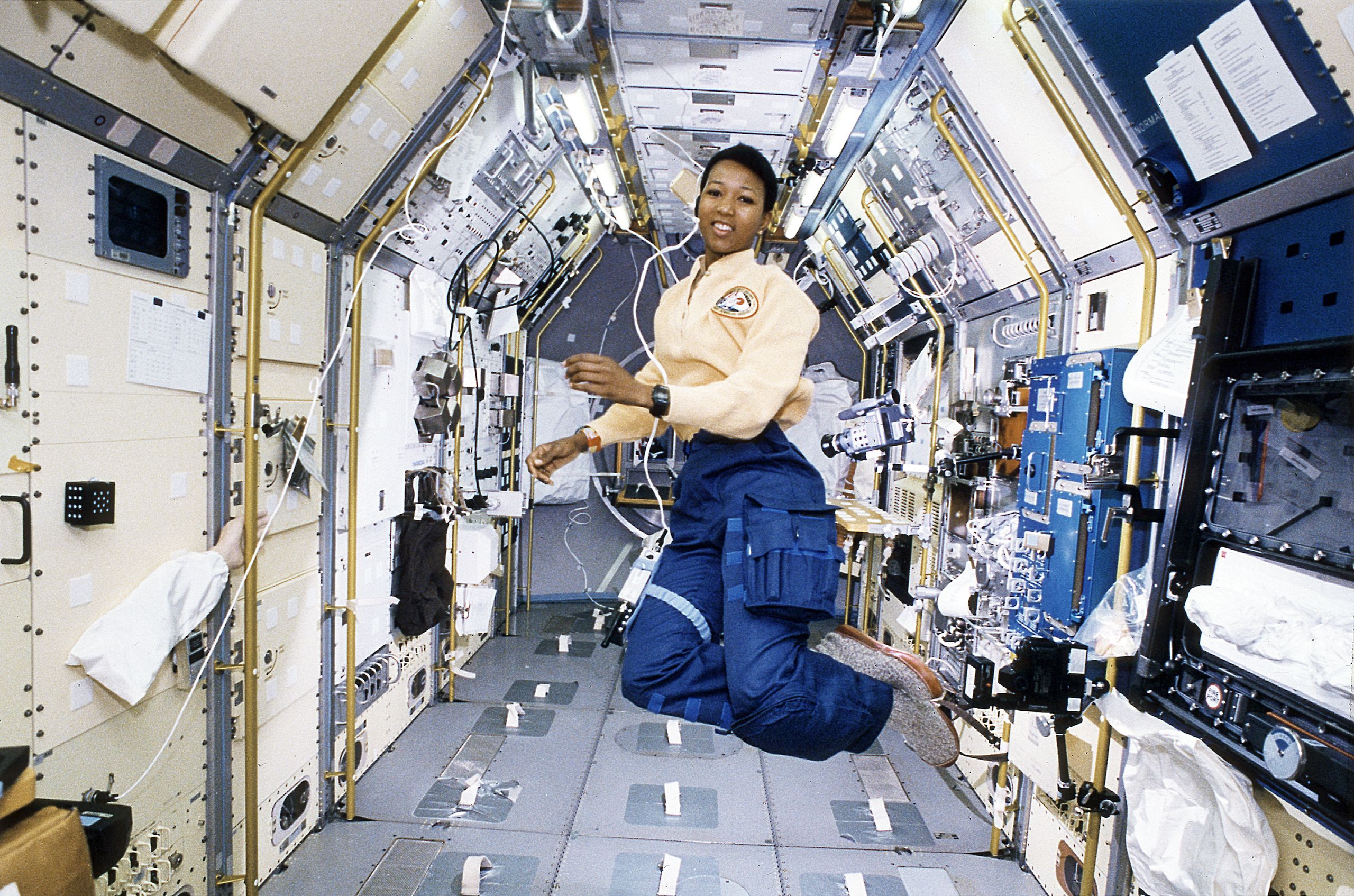
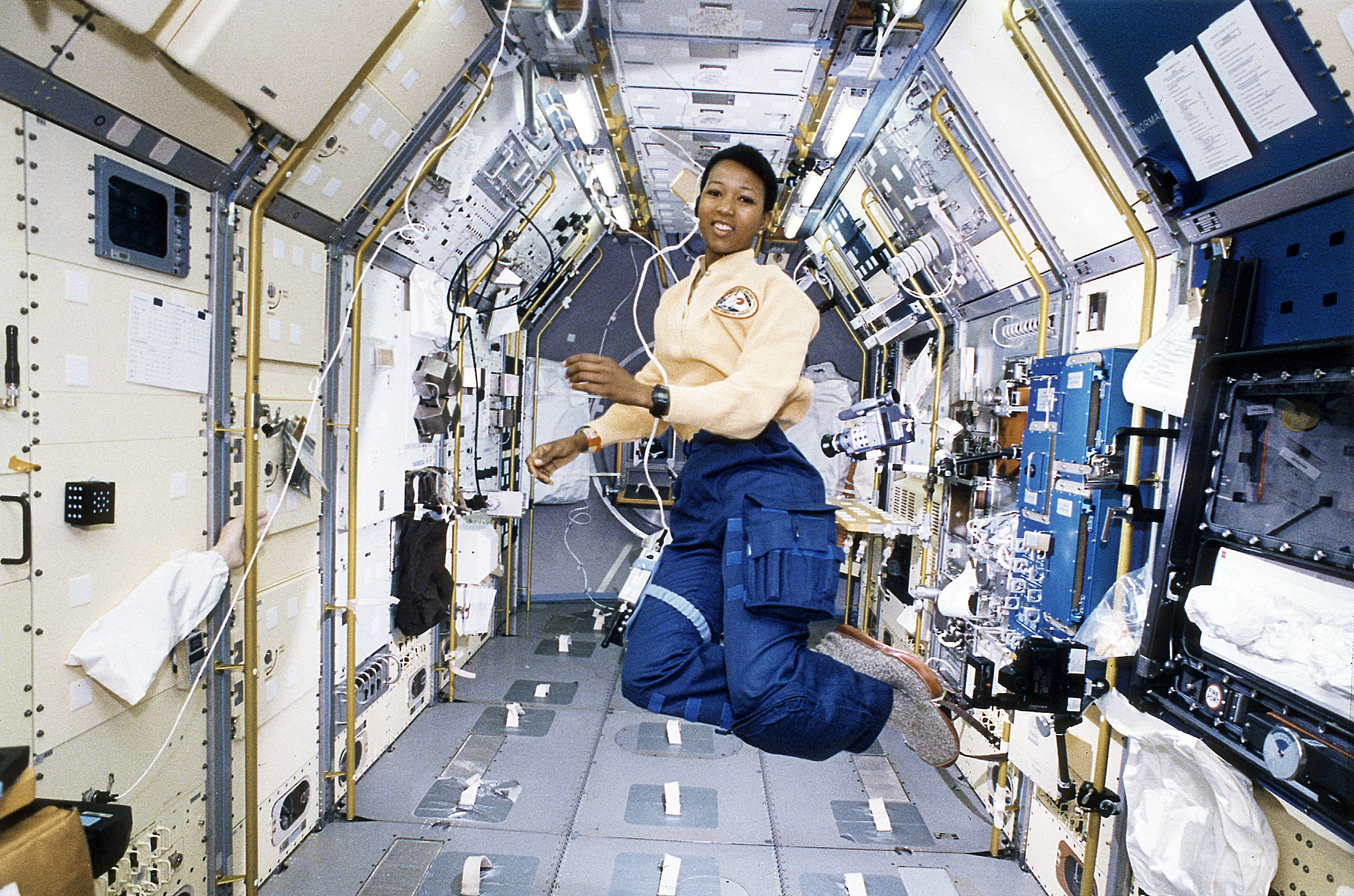
- The Mission (Sept. 12–20, 1992): During her eight days in orbit, Jemison functioned as a science mission specialist. She logged over 190 hours in space, conducting 44 life-science and material-science experiments, including studies on bone cells and the effects of weightlessness on the human body.
- Post-NASA Life: After retiring from NASA in 1993, she did not retreat from the public eye. She founded the Jemison Group, a technology consulting firm, and later spearheaded the 100-Year Starship project, a mission aimed at ensuring the capabilities for human interstellar travel within the next century.
Scientific Contributions and Supporting Data
While history remembers Jemison primarily for her identity, her technical contributions to STS-47 were substantial. The mission, a collaborative effort between the United States and Japan, utilized the Spacelab module to conduct research that could not be replicated on Earth.
Jemison’s role was critical; she was responsible for overseeing experiments that spanned a wide variety of disciplines. Her work as a co-investigator on a bone cell study was particularly notable, as the research sought to understand how spaceflight affects the skeletal structure of astronauts—a critical piece of data for the long-term goal of deep-space exploration. Her ability to pivot between the high-level engineering required to manage the Spacelab and the clinical medical focus required for biological experiments demonstrated the necessity of the "renaissance professional" in spaceflight.
The "Star Trek" Connection: A Cultural Impact
Perhaps one of the most heartwarming aspects of Jemison’s story is her lifelong affinity for science fiction. Growing up, she looked to the television series Star Trek, specifically the character Lt. Uhura, played by Nichelle Nichols, as her primary inspiration. Seeing a Black woman on the bridge of a starship, functioning as a vital member of a futuristic crew, provided a template for a future that Jemison eventually manifested in her own life.
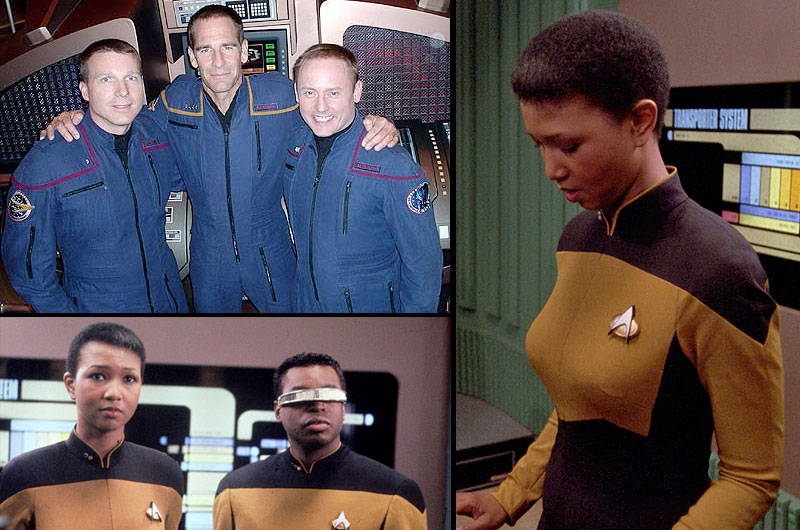
This inspiration came full circle in 1993, when Jemison appeared as a lieutenant in Star Trek: The Next Generation—the first real-life astronaut to appear on the show. This moment served as a profound cultural bridge, linking the fictional possibilities of television with the tangible realities of aerospace achievement. It served as a powerful signal to millions of young people that the boundary between the screen and the stars was permeable.
Institutional Implications: NASA’s Evolution
The selection and successful mission of Dr. Mae Jemison forced NASA to confront its own internal culture. The agency had long been criticized for its "clubhouse" atmosphere, which often excluded those who did not fit the traditional mold of a military test pilot.
Jemison’s success helped shift the narrative toward "specialists"—scientists, doctors, and engineers who were not necessarily trained to fly the shuttle but were essential to the scientific mission of the agency. By integrating diverse perspectives into the astronaut corps, NASA benefited from a wider range of problem-solving approaches.
Today, this legacy is visible in the Artemis program, which aims to land the first woman and the first person of color on the moon. The inclusive spirit of the modern NASA, which actively recruits from diverse academic and professional backgrounds, owes a significant debt to the precedent set by Jemison. In 2017, the acknowledgment of this legacy was codified when she was immortalized as a LEGO minifigure in the "Women of NASA" set, ensuring that her image would continue to inspire the next generation of engineers in classrooms across the globe.
Reflections on a Legacy
Dr. Mae Jemison’s career is a testament to the idea that the most profound barriers to human progress are often those we construct for ourselves. Her transition from a medical doctor in West Africa to an astronaut in the vacuum of space highlights that the skills required for exploration are as much about empathy, curiosity, and cultural awareness as they are about physics and ballistics.
Reflecting on her mission, Jemison has often stated that she never saw her race or gender as a reason to doubt her potential; rather, she saw it as an opportunity to broaden the scope of who is invited to participate in the most ambitious human endeavor of our time. By simply doing her job with excellence and precision, she proved that space belongs to everyone, not just the few who had historically held the keys.
As humanity looks toward Mars and beyond, the blueprint for a truly diverse spacefaring civilization is already in motion. Dr. Mae Jemison’s 190 hours in orbit were more than just a flight; they were an opening of a door that, once opened, would never be closed again. She remains a beacon for those who look at the night sky and see not just a void, but a frontier waiting to be explored by all of humanity.