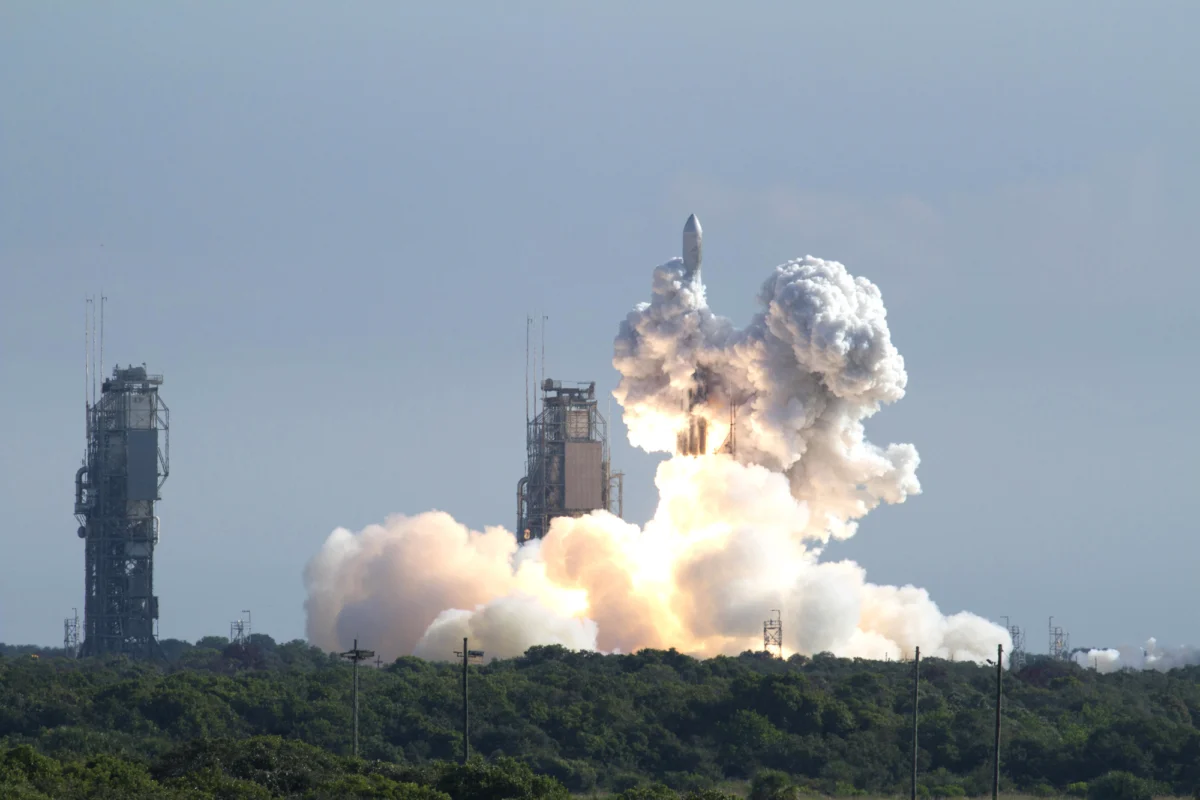
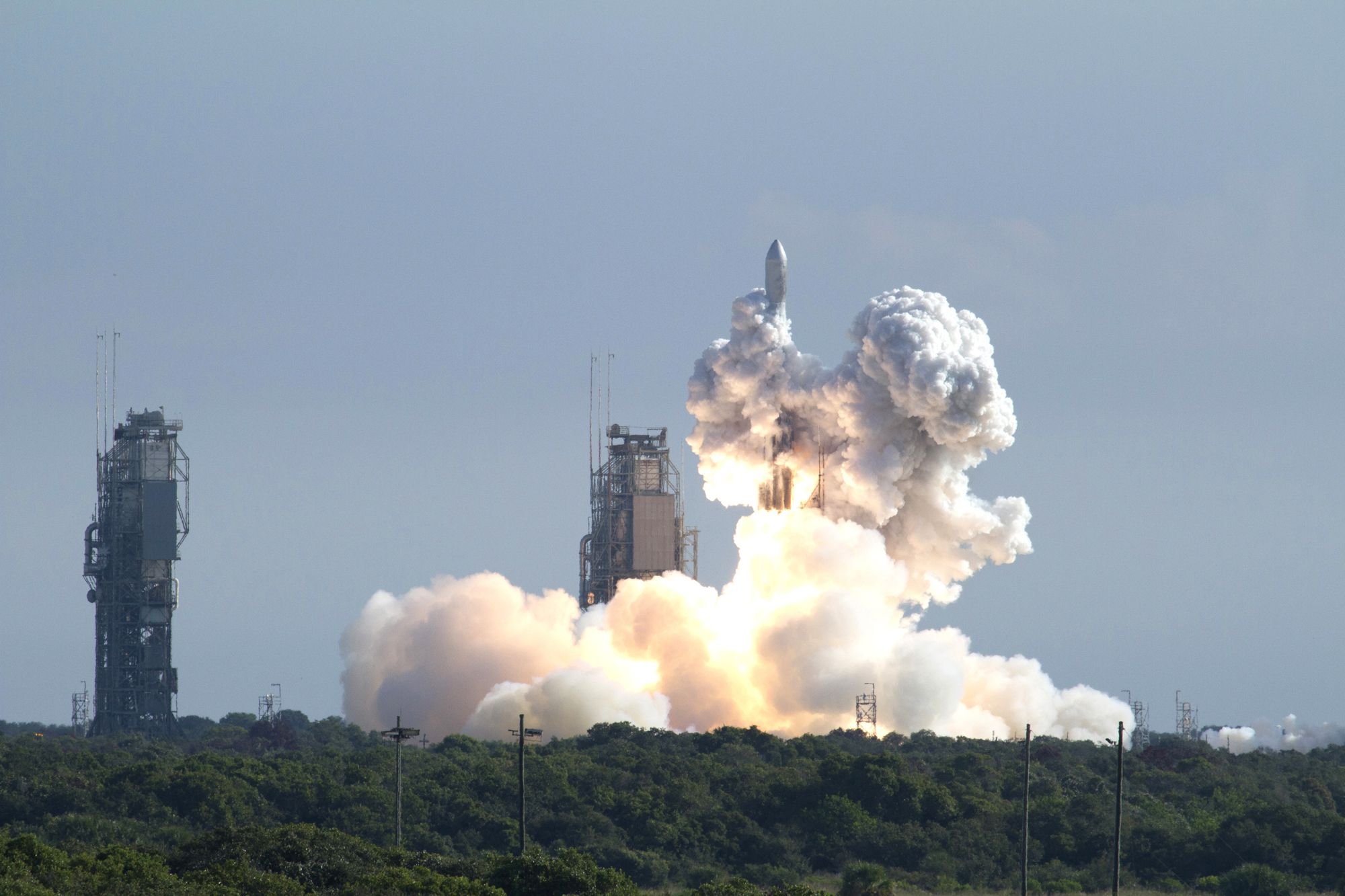
On September 10, 2011, a Delta II rocket roared into the Florida sky, marking the beginning of one of the most sophisticated geological surveys in the history of space exploration. NASA’s Gravity Recovery and Interior Laboratory (GRAIL) mission was not designed to land humans on the moon or return soil samples; rather, it was a mission of invisible detection. By tracking the subtle, rhythmic fluctuations in the moon’s gravitational field, GRAIL aimed to peer beneath the lunar surface to reveal a world that was far more complex—and violent—than previously imagined.
The Invisible Labyrinth: Understanding Lunar Gravity
To the naked eye, the moon appears to be a monolithic, cratered sphere of gray rock. However, beneath its dusty, ancient crust lies a landscape defined by density, history, and hidden forces. Scientists had long been baffled by "mass concentrations," or "mascons"—regions of the moon that exert a stronger gravitational pull than their surroundings. These anomalies create a lumpy, non-uniform gravitational field that makes orbital navigation around the moon a complex endeavor for any spacecraft.
Before the GRAIL mission, the exact nature and origin of these mascons were subjects of intense academic debate. Were they volcanic features? Did they represent remnants of the moon’s early cooling phase? By launching the twin GRAIL probes, NASA sought to map these gravitational fluctuations with unprecedented precision, effectively creating a "gravity map" that would serve as an X-ray of the moon’s internal structure.
Chronology of a Mission
The journey of the GRAIL mission was a masterclass in precision engineering and orbital mechanics.
Launch and Deployment
The mission kicked off at Cape Canaveral Air Force Station. The Delta II rocket carried two identical spacecraft, affectionately named "Ebb" and "Flow." The naming of these probes was a testament to the mission’s public engagement, chosen by fourth-grade students at Emily Dickinson Elementary School in Bozeman, Montana, during a national NASA competition. Following their successful launch, the twin probes spent nearly four months traversing the deep-space void before finally entering lunar orbit in early 2012.
The Mapping Phase
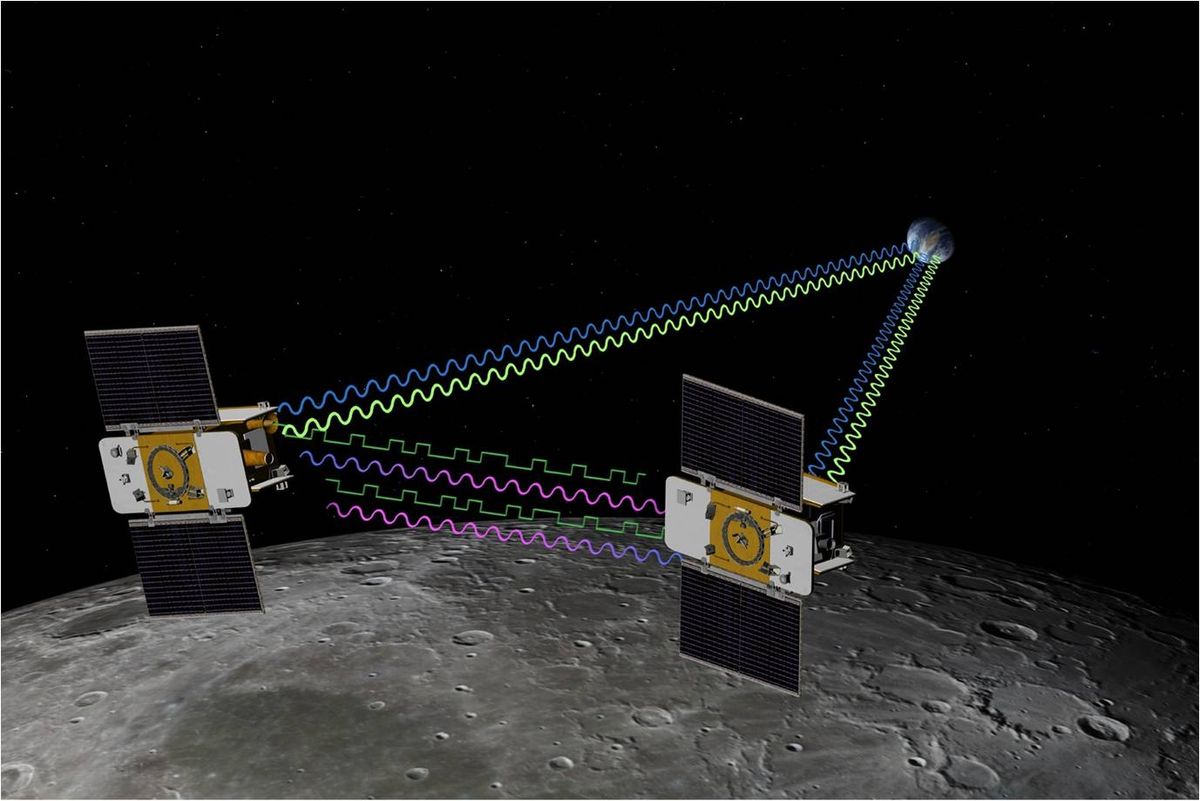
Once in position, Ebb and Flow flew in tandem, orbiting the moon at an incredibly low altitude—sometimes as close as 30 miles (50 km) from the surface. The distance between the two probes, which fluctuated between 109 and 140 miles (175 to 225 km), was the key to the mission. As the lead craft, Ebb, flew over a high-density area, the gravitational pull would momentarily accelerate it, changing the distance between it and the trailing craft, Flow. By measuring these micro-changes with the onboard Lunar Gravity Ranging System, researchers were able to map the moon’s internal mass distribution with surgical accuracy.
The Final Descent
After nine months of successful data collection, the mission concluded on December 17, 2012. With their fuel supplies dwindling and their primary objectives achieved, the orbiters were intentionally crashed into the moon’s north pole. This was a calculated maneuver; NASA engineers steered the probes into a crater rim to avoid any risk of damaging historic Apollo landing sites, ensuring that the legacy of the mission remained one of scientific advancement rather than collateral interference.
Supporting Data and Technical Architecture
The $496 million GRAIL mission was built upon a triad of technological marvels, each serving a distinct purpose in the quest for lunar clarity:

- Lunar Gravity Ranging System: This was the primary scientific instrument, capable of detecting the infinitesimal shifts in the distance between Ebb and Flow. It provided the high-resolution data necessary to map the gravity field.
- Radio Science Beacon: This system allowed for precise tracking of the orbiters’ positions, ensuring that the gravity data could be accurately mapped to specific geographic coordinates on the lunar surface.
- MoonKam (Moon Knowledge Acquired by Middle School Students): Perhaps the most innovative aspect of the mission, the MoonKam was a student-focused imaging system. Developed by undergraduate students at the University of California, San Diego, in partnership with the Sally Ride Science foundation, the camera allowed middle school students to request images of specific lunar features. This educational component fostered a new generation of interest in planetary science.
Official Perspectives: Decoding the Mascons
The data retrieved by the GRAIL mission fundamentally altered our understanding of lunar formation. According to Jay Melosh, a GRAIL co-investigator at Purdue University, the findings were transformative.
"GRAIL data confirm that lunar mascons were generated when large asteroids or comets impacted the ancient Moon when its interior was much hotter than it is now," Melosh noted in a NASA summary. The mission proved that the lumpy gravity of the moon is not merely a quirk of its geography, but a scar from a violent epoch in the solar system’s youth. When massive impactors struck the moon, they punched through the crust, and the subsequent "slumping" of the lunar interior created the dense, gravity-rich pockets we observe today.
Scientific Implications: Why It Mattered
The implications of the GRAIL mission extend far beyond lunar cartography. By understanding how the moon was shaped by massive impacts, scientists gained a better grasp of the "Heavy Bombardment" period that affected all terrestrial planets, including Earth.
Mapping the Interior
The mission allowed scientists to determine the thickness of the lunar crust, which varies significantly across the surface. This information is vital for future lunar exploration, as it helps determine where water-ice might be trapped, where minerals are concentrated, and how to safely navigate landers and rovers across the treacherous, gravitationally uneven terrain.
Educational Impact
Beyond the hard science, the GRAIL mission was a triumph of STEM outreach. By involving students in the naming of the probes and providing them with direct access to the MoonKam imaging data, NASA successfully bridged the gap between complex orbital physics and the curiosity of the classroom. The mission proved that space exploration is not just the domain of professional scientists, but a communal endeavor that can inspire the next generation of engineers, astrophysicists, and explorers.
The Future of Lunar Navigation
The gravity maps created by GRAIL are now standard reference tools for any agency or private company planning a lunar landing. The "gravity signatures" identified by Ebb and Flow allow mission planners to account for orbital perturbations, saving fuel and increasing the safety margins for lunar landings. Without the foundation laid by these two small, dancing satellites, the current "new space race" would be significantly more dangerous and costly.
Conclusion
NASA’s GRAIL mission, while concluded over a decade ago, remains a cornerstone of planetary science. Ebb and Flow, though now resting silently on the lunar surface, provided the key to unlocking the mysteries of our nearest celestial neighbor. They transformed the moon from a static, gray rock into a dynamic, historically rich body that tells the story of the solar system’s violent, formative years. As humanity prepares to return to the lunar surface with the Artemis program, we do so with the map provided by GRAIL—a map that reminds us that beneath the surface, there is always more to discover.