By Industry Correspondent
Wednesday, September 23, 2026
In a milestone that bridges the gap between terrestrial infrastructure and orbital assets, aerospace innovator Sceye and telecommunications giant SoftBank have successfully concluded a landmark High Altitude Platform Station (HAPS) mission. The flight, which spanned from August 9 to September 5, 2026, did more than merely demonstrate broadband capabilities; it served as a successful proving ground for high-precision, free-space optical (FSO) communication technologies, signaling a fundamental shift in how global data networks may soon be architected.
The Mission: A New Era of Stratospheric Connectivity
The mission, designated as the first of Sceye’s "Service Test" (ST1) program, saw a solar-powered, autonomous HAPS vehicle navigate a complex flight path from New Mexico to Japan and back. While the primary headlines centered on the vehicle’s ability to act as a "cell tower in the sky"—successfully delivering voice, data, and video to unmodified mobile devices—the mission’s secondary objective proved equally transformative.
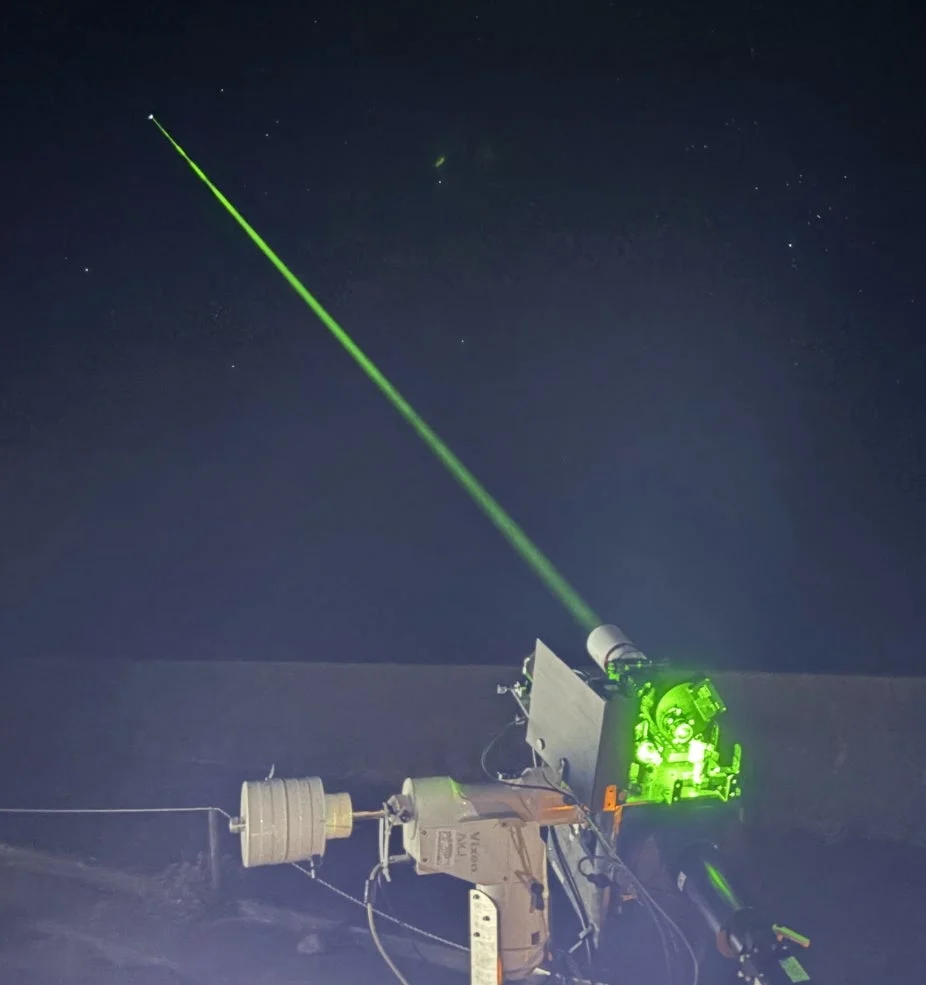
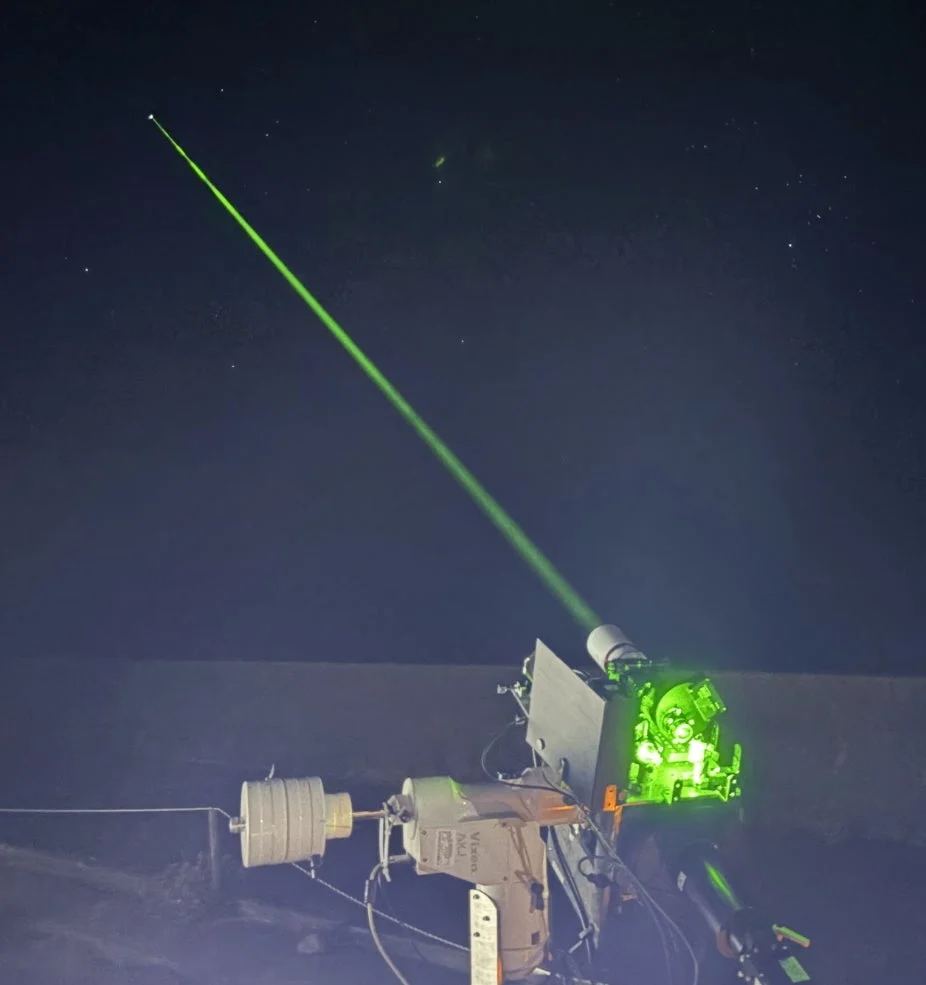
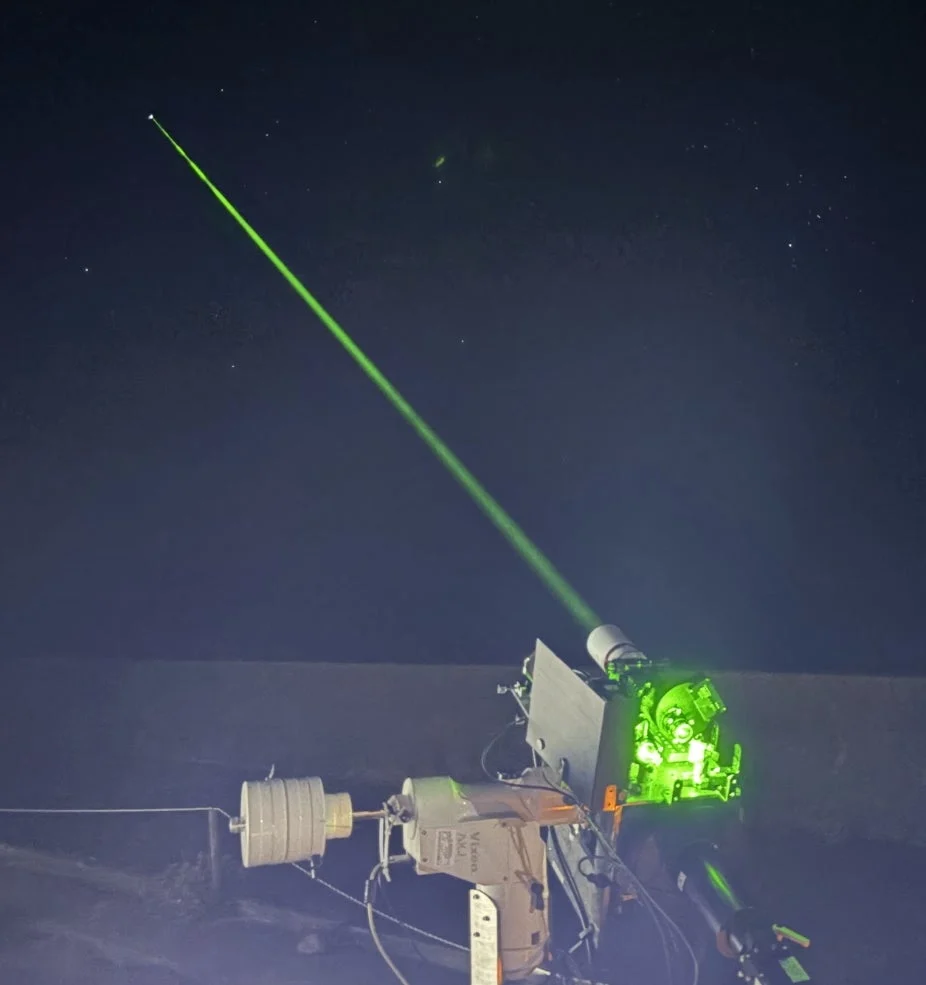
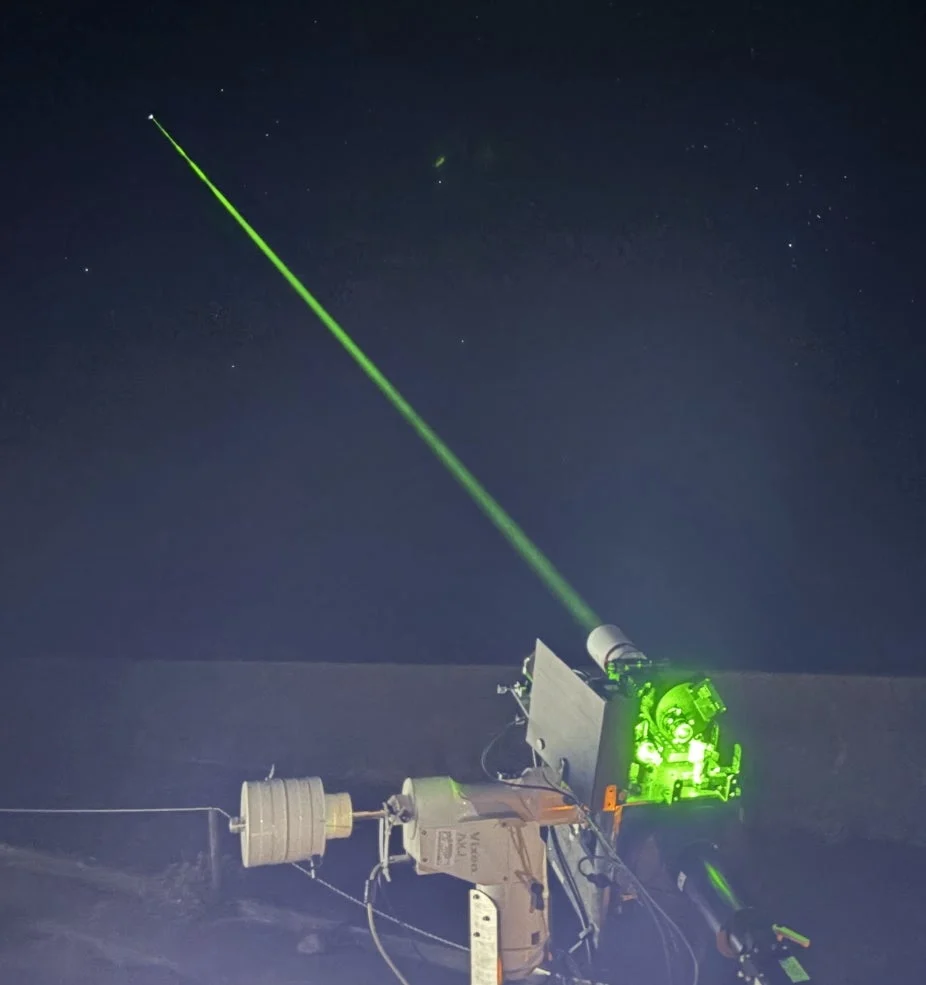
Deep within the operational log of the ST1 flight was a successful Free Space Optical (FSO) demonstration. By utilizing a portable laser-ranging system, ground stations in Japan were able to lock onto and track the HAPS vehicle as it hovered in the stratosphere. This demonstration, conducted in collaboration with SoftBank and Japan’s National Institute of Polar Research (NIPR), marks a crucial step toward creating a persistent, high-bandwidth optical mesh network that links ground stations, stratospheric platforms, and eventually, low-Earth orbit (LEO) satellites.
Chronology of the ST1 Mission
The ST1 mission was not a fleeting test but a sustained, month-long endurance trial that pushed the boundaries of autonomous aerial systems.
- August 9, 2026: The Sceye ST1 platform successfully ascended from its launch site in New Mexico, entering the stratosphere where it transitioned to sustained, long-endurance flight powered by its onboard solar array.
- Mid-August 2026: Throughout the transit phase, the platform acted as a mobile edge computing node, processing data packets mid-air to minimize latency for ground-based users.
- Late August 2026: Upon reaching the designated operational corridor in Japan, the platform began its secondary mission phase: the integration of optical tracking. Ground teams utilized the "Omni-SLR" system, a portable laser-ranging unit developed by Hitotsubashi University, to establish a high-fidelity link with the HAPS.
- August 28–30, 2026: The NIPR-designed Corner Cube Reflector (CCR), mounted to the Sceye vehicle, successfully reflected the ground-based laser, allowing for precise telemetry and tracking data to be exchanged between the platform and the ground.
- September 5, 2026: The ST1 vehicle concluded its mission, having demonstrated a seamless transition between various connectivity modes, ranging from standard RF-based mobile broadband to advanced optical tracking.
Technical Foundations: The "Omni-SLR" and FSO Systems
The success of the optical demonstration relied on the synergy between highly specialized hardware. The challenge of tracking a platform moving at stratospheric altitudes—often buffeted by high-altitude winds—is significant.
The ground-based equipment, the Omni-SLR, was specifically engineered by Hitotsubashi University to solve the "pointing, acquisition, and tracking" (PAT) problem. By transmitting a highly directional laser beam, the system could maintain a lock on the Sceye vehicle despite its motion.
The onboard component, developed by SoftBank, was a custom-designed reflector assembly housing the NIPR’s Corner Cube Reflector (CCR). The CCR is a passive device designed to reflect light directly back to its source, regardless of the angle of incidence. This passive nature is critical for HAPS, as it reduces the power burden on the aircraft while providing a high-precision target for ground-based optical systems.
By proving that a ground-based laser can maintain a stable, persistent link with a moving stratospheric platform, the partners have essentially laid the groundwork for future laser-based data backhaul. Unlike traditional RF backhaul, which can be limited by spectrum availability and physical infrastructure, optical links offer virtually unlimited bandwidth and enhanced security against jamming or interception.
Official Perspectives: A Vision for the Future
For Sceye founder and CEO Mikkel Vestergaard Frandsen, the ST1 mission represents the fruition of a multi-year vision to decentralize telecommunications.
"During a single mission, our first Service Test flight supported direct-to-device connectivity, edge computing, communications with drones, and now a world-first laser-ranging demonstration," Frandsen said in a statement released on Wednesday. "The ability to connect ground, stratosphere, and space through optical links could fundamentally change how information moves securely around the world."
The collaboration with SoftBank underscores the commercial appetite for such technology. SoftBank, which has been an aggressive investor in HAPS technology, views the stratosphere as the missing link in the global connectivity chain—an area that provides the ubiquity of satellites with the low-latency performance of terrestrial towers.
Implications for the Global Connectivity Landscape
The success of the ST1 mission carries profound implications for several industries, most notably telecommunications, defense, and climate monitoring.
1. Resilient Telecommunications
Traditional cell towers are vulnerable to natural disasters. By utilizing HAPS, telecommunications providers can deploy temporary, high-capacity infrastructure within hours of a disaster, restoring connectivity to millions. The addition of optical tracking suggests that these platforms could soon serve as permanent "backbone" nodes that are harder to disrupt than physical fiber-optic cables or conventional microwave links.
2. Edge Computing at the Edge of Space
The ST1 mission proved that data processing does not need to happen at the origin or the destination—it can happen in the stratosphere. By hosting edge computing capabilities on the HAPS, organizations can process data from IoT sensors, drones, and autonomous vehicles in real-time before sending the processed results to the cloud. This reduces the load on bandwidth and significantly decreases latency, which is essential for mission-critical applications.
3. Secure Optical Communications
Free-space optical communication is inherently more secure than traditional radio frequency (RF) signals. Because the laser beam is tightly focused and directional, it is nearly impossible to intercept without physical interference. This makes the technology highly attractive for military and governmental applications where data sovereignty and security are paramount.
4. Bridging the Digital Divide
Perhaps the most significant social implication is the potential to provide high-speed internet to the "unconnected" regions of the world. Because the Sceye platform communicates directly with unmodified phones, it bypasses the need for expensive ground-based infrastructure. A fleet of such HAPS, linked via optical laser networks, could create a seamless global web of high-speed connectivity that reaches even the most remote corners of the globe.
Conclusion: The Path Ahead
The ST1 mission is a definitive proof-of-concept that moves HAPS from the realm of experimental aerospace to practical utility. By integrating mobile broadband, edge computing, and laser-based tracking into a single, long-endurance platform, Sceye and SoftBank have created a blueprint for the future of global communications.
As the industry looks toward the next phase of development, the focus will likely shift to scaling the fleet and hardening the optical systems for all-weather performance. With the stratosphere now firmly established as a viable, high-performance node for telecommunications, the world is one step closer to a future where connectivity is no longer tied to the ground, but is instead as fluid and pervasive as the air itself.
The success of September 2026 will undoubtedly be remembered as the moment the "cell tower in the sky" truly earned its place in the global communications architecture.