September 23, 2026 — In a milestone that bridges the gap between terrestrial cellular networks and satellite-based infrastructure, aerospace innovator Sceye has successfully concluded its inaugural "Service Test" (ST1) mission. The flight, which spanned from August 9 to September 5, 2026, showcased the unprecedented versatility of High-Altitude Platform Stations (HAPS). Beyond the anticipated successes in direct-to-device mobile broadband and edge computing, the mission achieved a world-first technical feat: a successful free-space optical (FSO) laser-tracking demonstration between a ground-based station in Japan and a stratospheric vehicle.
This mission represents a convergence of atmospheric science, telecommunications, and advanced optics, positioning HAPS as a critical layer in the future global communications architecture.
The Core Achievement: Linking the Stratosphere to the Surface
The Sceye ST1 mission was designed to test the limits of HAPS technology, effectively proving that a single platform can act as a multifaceted node in a global network. While the primary mission objective was to demonstrate the efficacy of the "SceyeCELL"—a "cell tower in the sky" capable of providing voice, text, and data to unmodified smartphones—the inclusion of the laser-tracking experiment signals a paradigm shift toward high-capacity, secure, and ultra-low-latency optical communications.
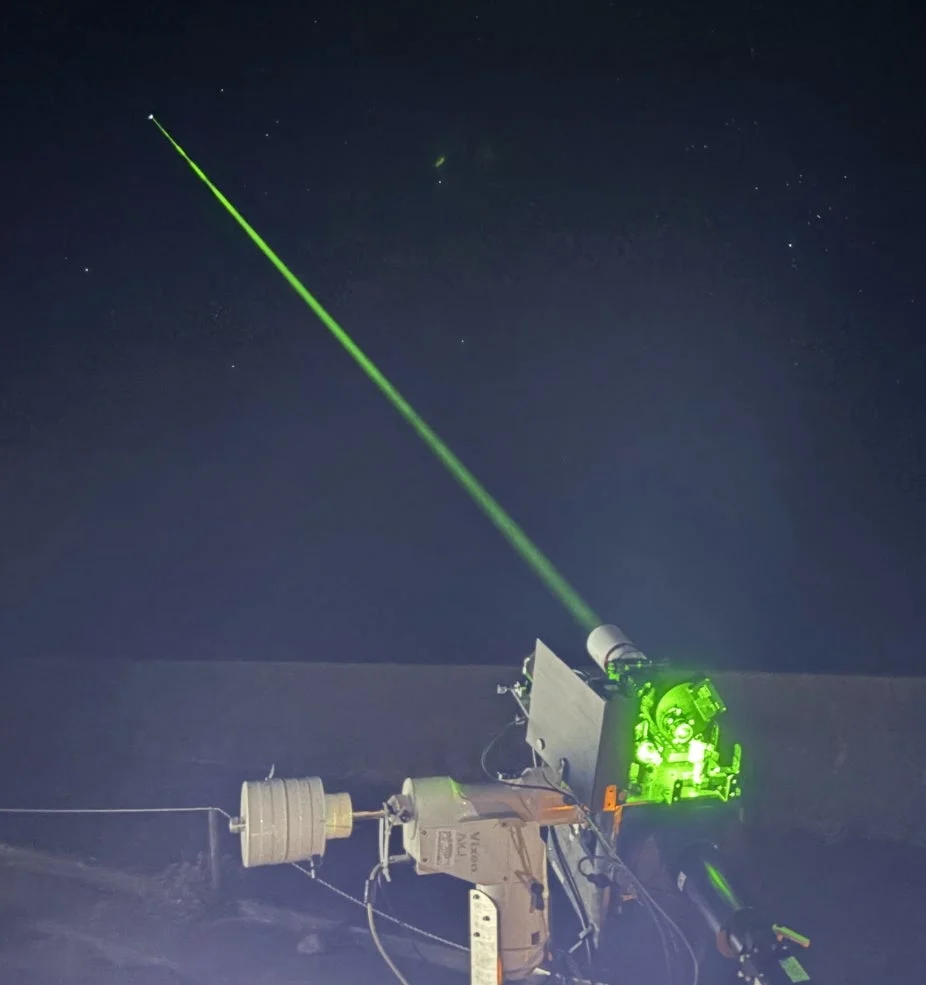
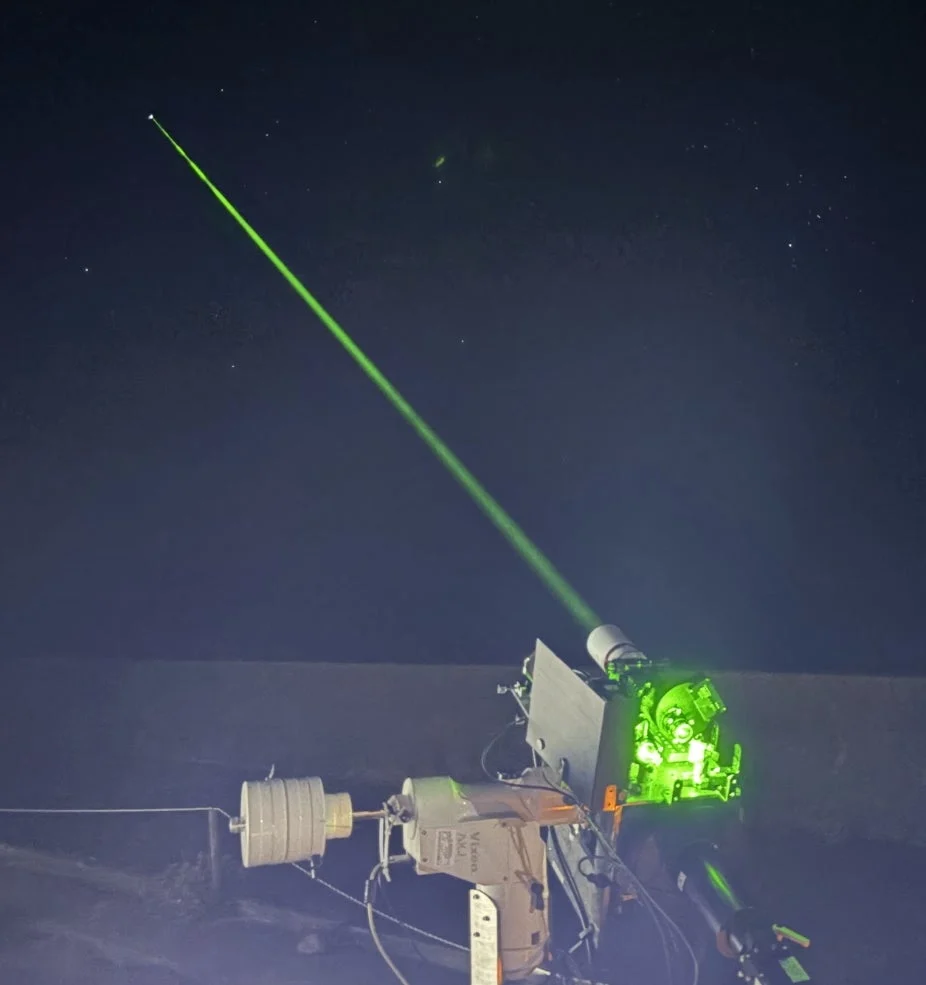
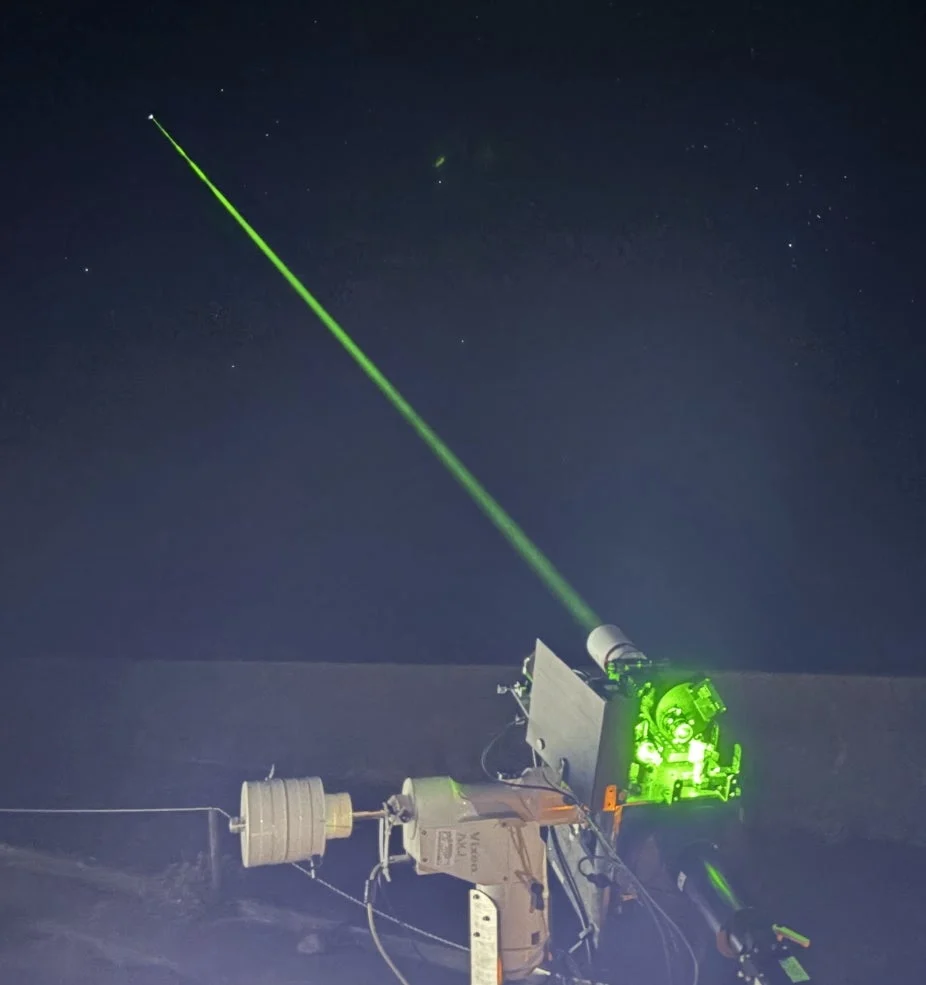
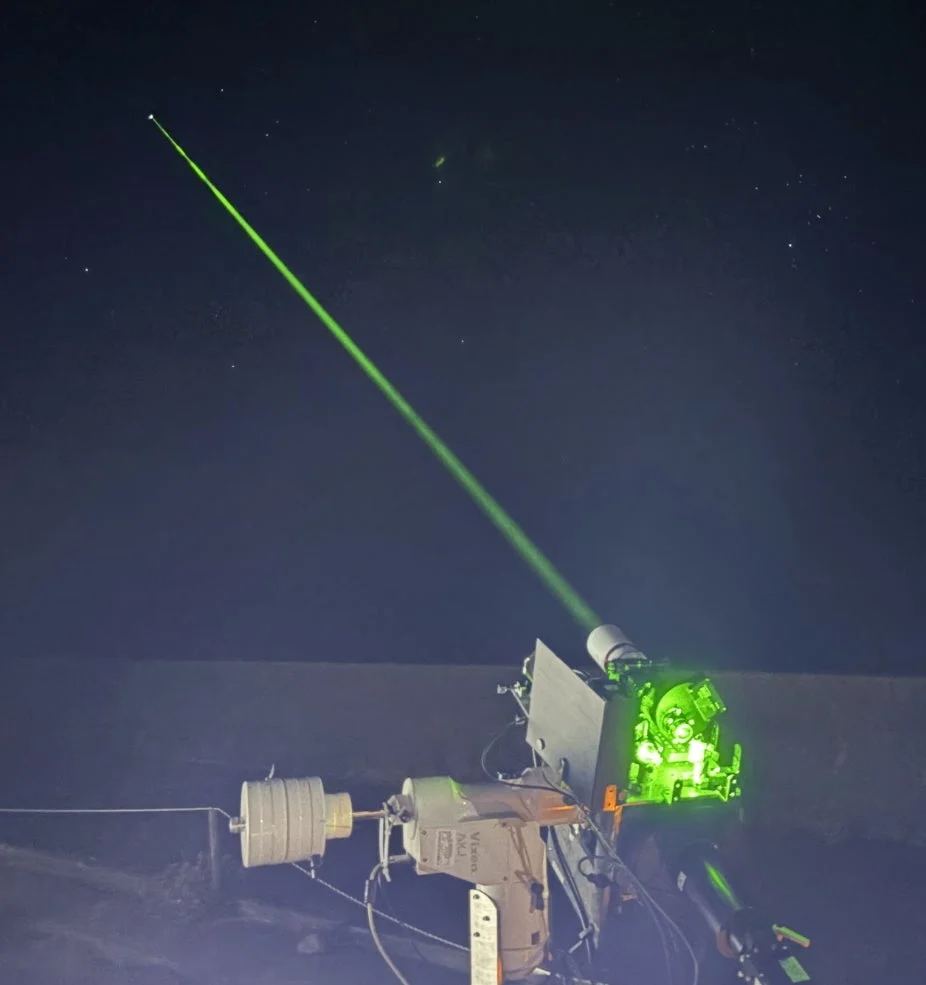
During the mission, a portable laser ranging system, utilizing the "Omni-SLR" technology developed by Hitotsubashi University, was deployed in Japan. This ground-based transmitter successfully locked onto and tracked the Sceye HAPS as it maintained its stratospheric position. The link was facilitated by a specialized corner cube reflector (CCR) assembly developed by SoftBank, utilizing components designed by Japan’s National Institute of Polar Research (NIPR).
This successful "handshake" between ground and stratosphere via a highly directional laser beam is more than a technical curiosity; it is the fundamental building block for future optical wireless communications that could eventually render radio-frequency (RF) bottlenecks a thing of the past.
Chronology of the ST1 Mission
The ST1 mission was a complex logistical undertaking that tested the endurance and navigation capabilities of Sceye’s platform over nearly a month of continuous flight.
- August 9, 2026: The Sceye ST1 platform ascended to the stratosphere, beginning its month-long endurance test. The vehicle, designed to operate in the upper reaches of the atmosphere, showcased its ability to station-keep under varying meteorological conditions.
- Mid-August 2026: Throughout the first half of the mission, Sceye and SoftBank initiated the primary communications tests. The platform demonstrated its "cell tower in the sky" capabilities, providing seamless mobile broadband connectivity, including voice, video, and text services, to standard commercial mobile devices on the ground.
- Late-August 2026: The mission transitioned into the experimental phase, incorporating the FSO demonstration. Ground teams in Japan utilized the Omni-SLR system to target the platform, proving that laser systems can acquire and maintain a lock on a mobile stratospheric target.
- September 5, 2026: Having completed its extensive test battery, the ST1 platform concluded its mission. The data gathered during this 28-day window provided the teams with a robust dataset regarding power management, link stability, and the integration of diverse payloads.
Supporting Data and Technical Architecture
The success of the ST1 mission relies on three distinct technological pillars: the Sceye platform, the SoftBank integration suite, and the Hitotsubashi/NIPR optical components.
The Sceye Platform
The Sceye vehicle is an airship-like HAPS designed for long-endurance missions. By operating in the stratosphere, it avoids the interference of weather patterns and the complexities of low-Earth orbit (LEO) satellite deployment. The ST1 mission proved that the platform’s power systems are capable of supporting high-intensity tasks, such as onboard edge computing—processing data locally on the craft rather than relying on backhaul to ground stations—which drastically reduces latency.
The Optical Link (FSO)
The "Omni-SLR" system is a sophisticated piece of optical engineering. By using a laser to "ping" a reflector mounted on the HAPS, the system measures distance and orientation with extreme precision. The corner cube reflector (CCR) is critical here: it is designed to reflect light back to its source regardless of the angle of incidence, allowing the HAPS to move within the stratosphere while the ground station maintains a steady optical lock.
Mobile Connectivity
The SceyeCELL system addresses the "digital divide" by providing 4G/5G-like services to areas lacking physical infrastructure. Because the platform communicates with unmodified phones, it avoids the need for specialized hardware, making it a highly scalable solution for emergency response, rural connectivity, and disaster recovery.
Perspectives from Leadership
The collaborative nature of this mission highlights the global interest in stratospheric connectivity.
Mikkel Vestergaard Frandsen, founder and CEO of Sceye, emphasized the holistic impact of the flight: "During a single mission, our first Service Test flight supported direct-to-device connectivity, edge computing, communications with drones, and now a world-first laser-ranging demonstration. The ability to connect ground, stratosphere, and space through optical links could fundamentally change how information moves securely around the world."
Industry analysts note that Frandsen’s focus on "connecting ground, stratosphere, and space" suggests a future where HAPS act as relays for LEO satellite constellations, creating a seamless, high-bandwidth "trinity" of communication layers.
SoftBank, a long-time proponent of HAPS technology, views this integration as essential for the next generation of 6G networks. By incorporating NIPR’s research and Hitotsubashi’s optical expertise, they have validated a pathway to optical backhaul that is significantly more secure and difficult to jam than traditional radio frequencies.
Implications: The Future of Global Networks
Bridging the Connectivity Gap
The success of the ST1 mission serves as a proof-of-concept for telecommunications providers looking to extend coverage to "dead zones." Unlike satellites, which require large footprints or high power outputs for direct-to-device connectivity, HAPS are closer to the end-user, allowing for lower power consumption and higher data throughput.
The Optical Advantage
The FSO demonstration is perhaps the most significant long-term implication. Radio frequency spectrum is becoming increasingly crowded and regulated. Optical communications offer nearly unlimited bandwidth and inherent security. Because a laser beam is highly directional, it is nearly impossible to intercept without detection, providing a "stealth" backhaul channel for high-security applications, such as government, defense, and high-frequency financial trading.
Edge Computing in the Stratosphere
By conducting data processing directly on the platform, Sceye has demonstrated that the "edge" can be moved to the stratosphere. This allows for real-time video analytics, automated drone traffic management, and rapid environmental sensing. Instead of streaming raw data to the ground, the HAPS can process it and send only the actionable insights, saving bandwidth and energy.
A New Layer of Infrastructure
As we look toward 2030, the ST1 mission suggests that the sky is no longer a limit but a new layer of infrastructure. The ability to deploy a HAPS, establish a mobile network, and connect to a global optical backbone in a single flight cycle opens the door for:
- Rapid Disaster Recovery: Deploying connectivity to areas after earthquakes or hurricanes within hours.
- Environmental Monitoring: Using optical sensors to monitor climate change in real-time from the stratosphere.
- Secure Global Networks: Creating a layered communication web that is resilient to both natural disasters and cyber interference.
Conclusion
The Sceye ST1 mission is a landmark event in aerospace history. By successfully integrating mobile broadband, edge computing, and laser-based tracking into a single stratospheric platform, Sceye and its partners have moved beyond theoretical models into a practical, testable reality. As the company continues its Service Test program, the industry will be watching closely to see how these technologies transition from successful demonstrations to commercial deployments.
The successful link between the ground-based Omni-SLR and the stratospheric HAPS has effectively shortened the distance between the earth and the heavens, proving that our future connectivity will be found not just in the cables beneath our feet or the satellites above our heads, but in the stable, persistent, and highly capable platforms drifting in the stratosphere.