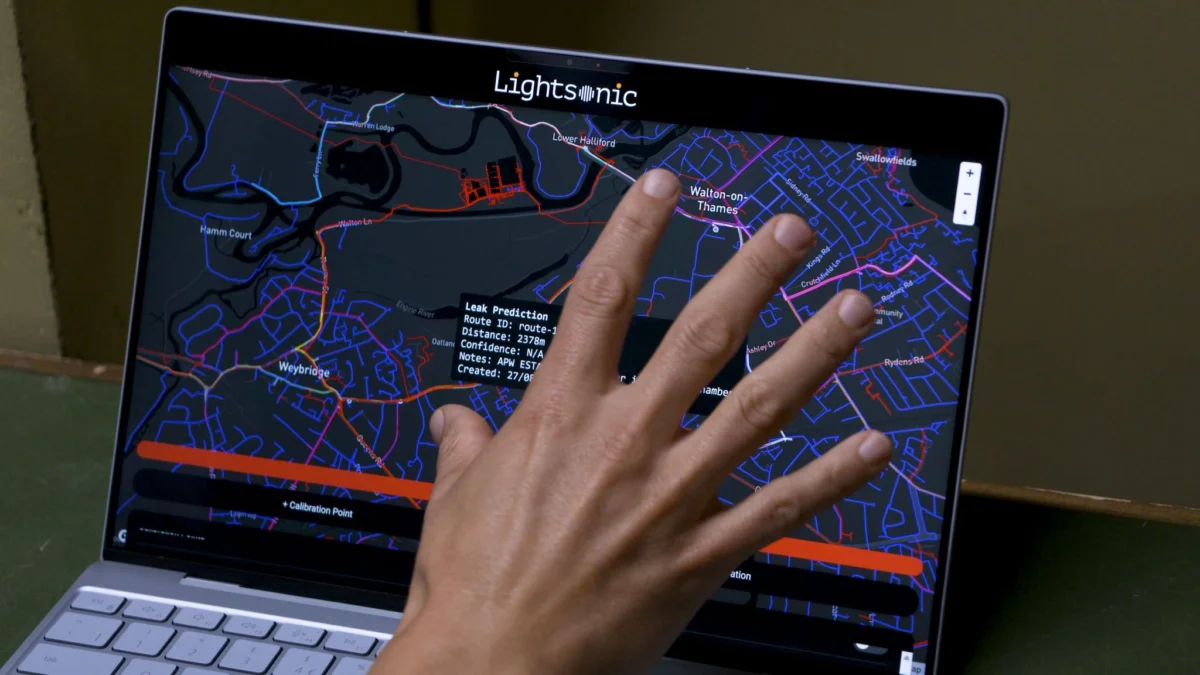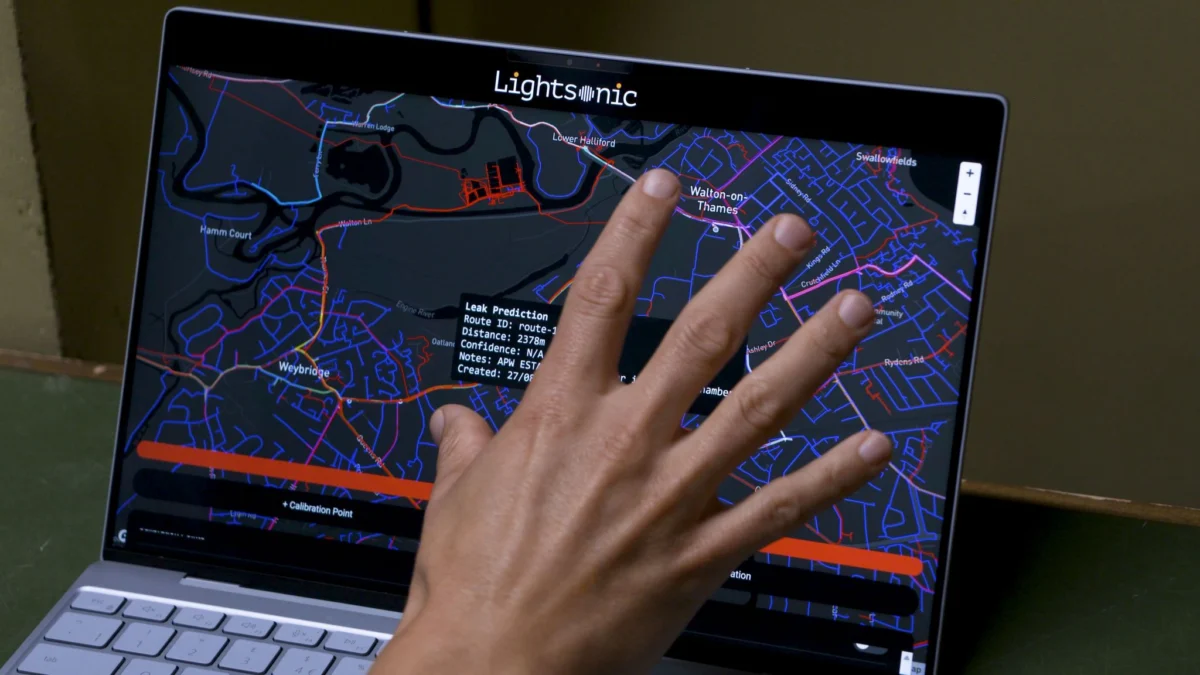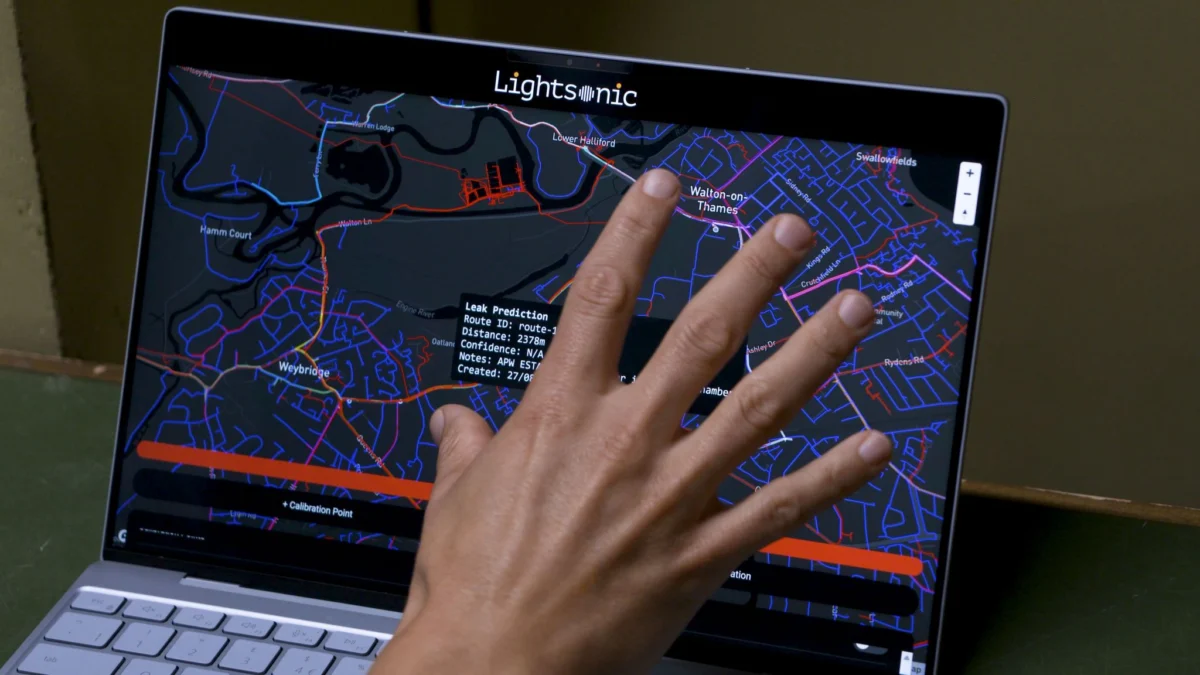
In a landmark convergence of telecommunications and utility management, Southern Water has announced a strategic partnership with sensing innovator Lightsonic. The collaboration seeks to combat the UK’s chronic water leakage crisis by transforming the country’s subterranean fiber optic network into a massive, passive acoustic monitoring system.
As the UK grapples with unprecedented climate pressures, aging infrastructure, and a staggering loss of 2.6 billion liters of treated water daily, this technological intervention promises to revolutionize how water companies locate, prioritize, and repair systemic failures before they escalate into catastrophic bursts.
The Crisis: A Network Under Pressure
The UK’s water infrastructure is a relic of a bygone era. Much of the nation’s piping dates back to the Victorian age, characterized by material degradation and structural fatigue. Consequently, the water supply network is hemorrhaging resources at an alarming rate. With 2.6 billion liters lost every 24 hours, the financial and environmental toll is profound.
This situation has been exacerbated by the current climate crisis. Recent records indicate the UK is enduring its hottest summer on record, leading to widespread water stress and the implementation of mandatory hosepipe bans across various regions. The urgency is further heightened by the news that plans for critical new reservoir infrastructure—designed to bolster national water security—have been delayed by five years.
Against this backdrop, the ability to pinpoint leaks with precision is no longer just a matter of operational efficiency; it is a critical component of national survival. Traditional methods of leak detection—often relying on manual acoustic testing or visual inspection—are slow, labor-intensive, and frequently miss smaller, "weeping" leaks that contribute to millions of liters of wastage over time.
The Technology: Listening Through Light
The solution proposed by Lightsonic is as elegant as it is ingenious. Rather than deploying thousands of independent, battery-powered sensors across the country—a move that would be prohibitively expensive and logistically nightmarish—Lightsonic utilizes existing infrastructure.
How Acoustic Sensing Works
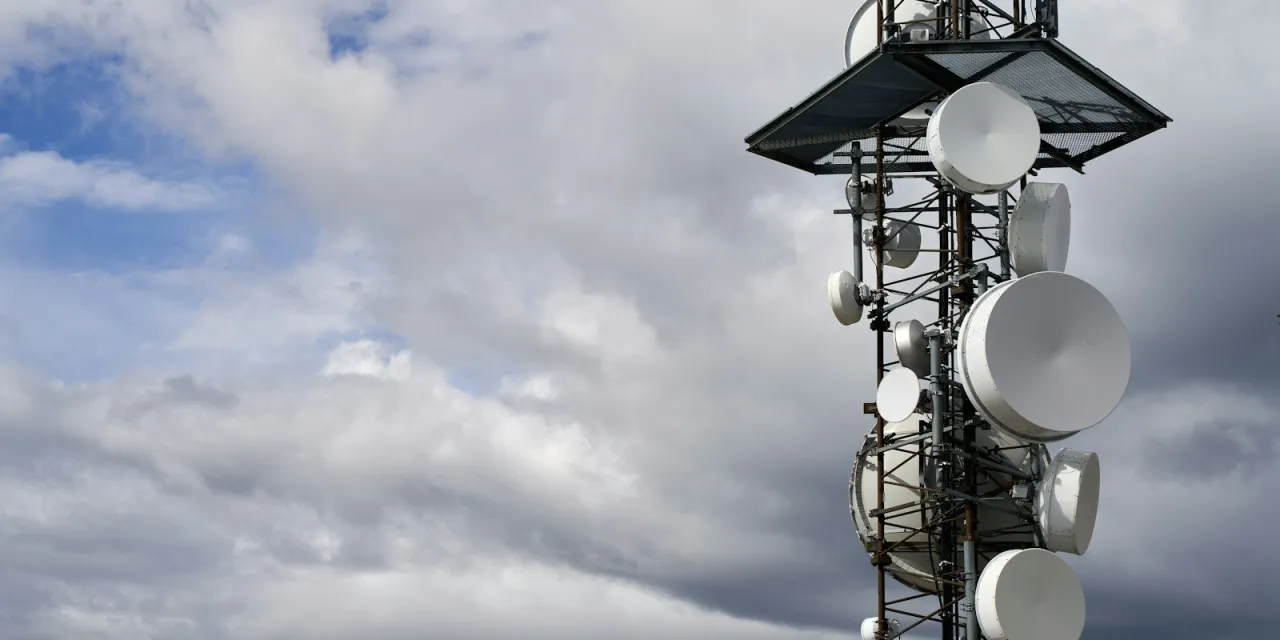
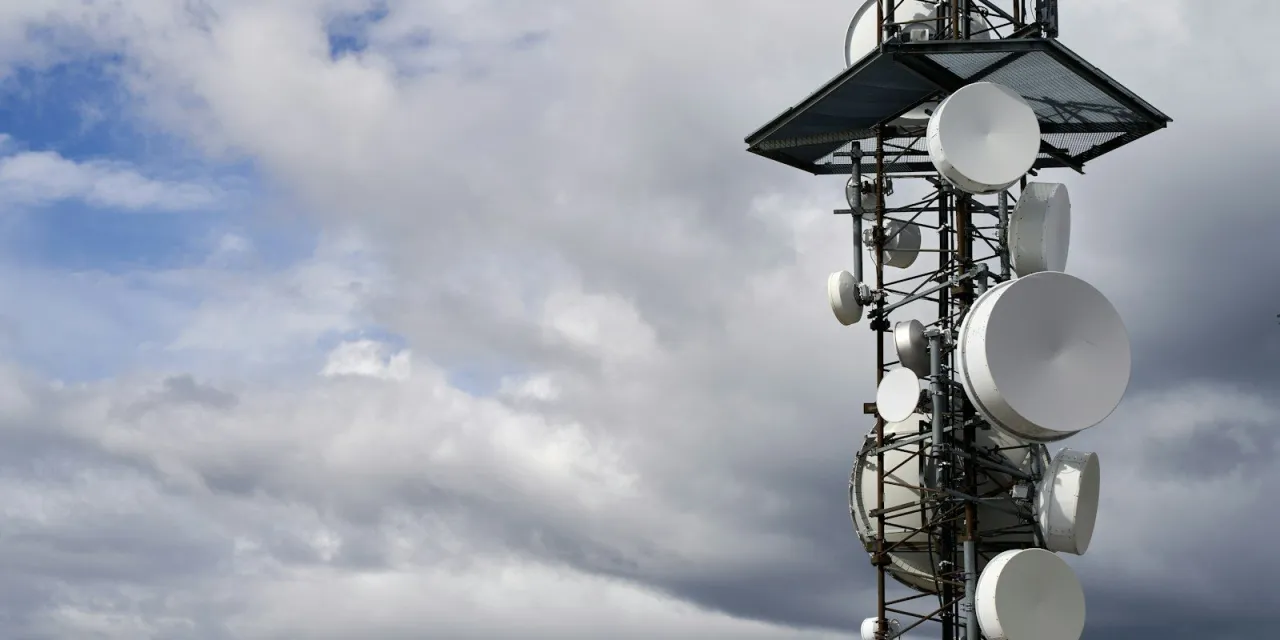
The technology leverages Openreach’s extensive fiber optic network, which typically runs in close proximity to subterranean water pipes. Fiber optic cables transmit data via pulses of light. When a water pipe leaks, the high-pressure escape of liquid creates distinct vibrations in the surrounding soil.
These vibrations reach the buried fiber optic cables, causing microscopic mechanical impacts on the glass strands within. By attaching advanced sensing units to the ends of these fiber cables, Lightsonic can measure the subtle perturbations in the optical signal. Through proprietary algorithms, the system can triangulate the precise location of the leak by analyzing the frequency and intensity of the acoustic signatures.
Scalability and Efficiency
The effectiveness of this approach is backed by impressive metrics. According to Lightsonic, the solution is capable of detecting 1.2 million liters of water leaks per day for every 100km of network covered annually. With successful trials already yielding a reduction of 4 million liters of water waste per day across 650km of the UK network, the potential for a nationwide rollout is significant.
Chronology of Innovation
The road to this partnership has been defined by rigorous testing and strategic collaboration.
- March 2024: Openreach and Lightsonic, in conjunction with Affinity Water, initiated the first large-scale pilot programs. The goal was to determine if the "Full Fibre" infrastructure could serve as an effective acoustic sensor grid without disrupting broadband services.
- Mid-2024: The results of the pilot were analyzed, proving that the acoustic sensing units could effectively filter out urban noise (traffic, construction) to isolate the specific "hiss" of a water leak.
- Late 2024: Following the success of the initial trials, Southern Water formally entered into a partnership with Lightsonic to deploy this technology across its service areas in the South of England.
- Present Day: The program is now entering its implementation phase, with teams identifying high-priority areas for deployment based on historical leakage data and pipe age.
Official Perspectives
The View from Lightsonic
Tommy Langnes, CEO of Lightsonic, emphasizes that the convergence of infrastructure is the only viable path forward for modern utility management.

"Ageing infrastructure, leaking networks, and mounting climate pressure are converging, causing major water stress," Langnes stated. "By utilizing existing fiber optic infrastructure, we have a solution that can be quickly and effectively scaled across the UK to help utility companies get a handle on leaks, secure supply, and generate savings that can be reinvested to upgrade our aging network. The industry needs a quick and comprehensive response, and that is what we offer."
The View from Openreach
For Openreach, this project underscores the secondary value of telecommunications infrastructure. Trevor Linney, Director of Network Technology at Openreach, believes this is a defining moment for the utility sector.
"The results of our existing pilots with Lightsonic show that our new full fiber infrastructure can deliver value far beyond broadband—and could prove to be a real game-changer in solving real-world challenges like water conservation," Linney remarked. "Combining Lightsonic’s technology with the reach of Openreach’s Full Fibre network makes continuous utility monitoring genuinely scalable, without the cost and disruption of building a separate sensor network."
Implications for the Future
The collaboration between Southern Water, Openreach, and Lightsonic carries profound implications for the UK’s industrial and environmental strategy.
Economic Benefits
The financial burden of leaks is twofold: the cost of treating and pumping the water, and the lost revenue from non-metered wastage. By reducing these losses, water companies can redirect capital expenditure away from "emergency repairs" and toward long-term network resilience. Furthermore, the cost-effectiveness of using existing fiber optic cabling significantly lowers the barrier to entry for digital transformation in the utility sector.
Environmental Stewardship
As global temperatures rise, the preservation of water resources is paramount. The UK is currently facing a precarious water security situation, with long-term climate projections suggesting a trend of hotter, drier summers. Reducing leakage by millions of liters daily acts as a form of "virtual supply," increasing the amount of available water without the environmental impact associated with building new reservoirs or desalination plants.
A Model for Global Utilities
The UK’s approach—using the "smart grid" concept to monitor non-electrical utilities—could serve as a blueprint for other nations. Countries across Europe and North America face similar challenges with aging urban infrastructure. If a fiber optic network can monitor water leaks, researchers are already exploring whether the same technology could be used to monitor ground movement (to predict sinkholes or seismic activity) or to detect gas leaks, potentially turning every fiber-connected city into a self-monitoring, "living" urban environment.
Conclusion
The partnership between Southern Water and Lightsonic is more than a simple service contract; it is a signal of a shift toward a more integrated, intelligent approach to public infrastructure. In a world where resources are increasingly scarce and the climate is becoming increasingly volatile, the ability to "listen" to the earth through existing fiber cables offers a rare, proactive solution to a systemic problem.
As the implementation scales, the eyes of the global utility industry will be on the UK. If this project succeeds in reducing regional leakage targets and saving significant volumes of water, it will confirm that the most effective way to solve the problems of the 19th-century infrastructure is by utilizing the digital innovations of the 21st century.
While the challenges of climate change remain daunting, the marriage of telecommunications and water management provides a beacon of hope—demonstrating that even in the face of environmental crisis, ingenuity and collaboration can help secure the nation’s most vital resource.