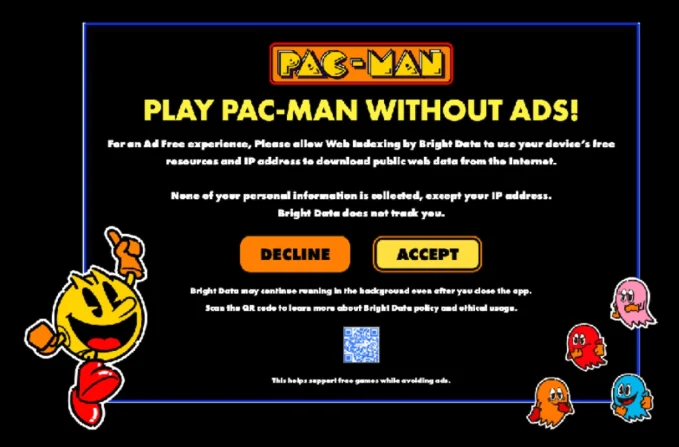
In a significant move to reclaim control over its digital ecosystem, LG Electronics USA announced this week that it will begin a systematic purge of applications on its webOS platform that transform smart televisions into "residential proxy nodes." This decision follows a wave of critical security research revealing that a startling portion of the LG app store was essentially facilitating the rental of users’ home internet bandwidth to anonymous third parties.
The initiative marks a turning point in the ongoing debate regarding the monetization of consumer IoT (Internet of Things) devices. By turning millions of household televisions into gateways for global web traffic, app developers and proxy providers have effectively turned innocent living room appliances into unwitting participants in massive, commercial data-scraping networks.
The Discovery: Your TV as a Global Exit Node
The controversy stems from a comprehensive July 2, 2026, report by security firm Spur, which investigated the prevalence of residential proxy Software Development Kits (SDKs) embedded within smart TV applications. The findings were alarming: more than 42 percent of applications available on the LG webOS store contained code that permitted unknown third parties to route internet traffic through the user’s home network.
The research did not stop at LG. Spur found that approximately 25 percent of applications designed for Samsung’s Tizen operating system also featured these residential proxy components. Essentially, consumers downloading a seemingly innocuous game—like a version of Pac-Man—or a simple screensaver utility were unknowingly granting these apps permission to leverage their home IP addresses.
Once an app containing these SDKs is installed, the smart TV becomes an "exit node." This means that when a third-party customer—such as a data scraper or a corporate market researcher—uses a proxy service, their web traffic appears to originate from the user’s home network. This effectively hides the true source of the traffic, masking the identity of the end-user while potentially exposing the TV owner to security and legal liabilities.
Chronology of the Crisis
- Early 2026: Security researchers begin identifying patterns of anomalous traffic originating from IoT devices, specifically smart televisions, which appear to be acting as nodes for commercial proxy networks.
- July 2, 2026: The security firm Spur publishes a landmark report titled “Smart TV Apps and Residential Proxy SDKs,” quantifying the massive scale of the practice.
- Mid-July 2026: Public pressure mounts as cybersecurity experts highlight the risk of "consent washing"—the practice of hiding intrusive SDK permissions behind complex, buried terms of service.
- July 20, 2026: LG Electronics USA officially confirms it will suspend non-compliant applications, signaling a formal crackdown on proxy SDKs within the webOS ecosystem.
- July 22, 2026: Bright Data, the primary proxy provider identified in the report, issues a formal defense of its business model, citing independent audits and strict "Know Your Customer" (KYC) protocols.
The Mechanics of "Monetization"
To understand why this is happening, one must look at the economics of the "free" app store. Developers of simple games or utilities often struggle to monetize their work through traditional advertising alone. Residential proxy networks provide an alternative revenue stream by paying these developers to include their SDKs in the app’s code.
Once the SDK is integrated, the proxy provider essentially rents out the user’s internet connection. When a customer of the proxy service performs a search or scrapes a website, the request is routed through the smart TV. Because residential IP addresses are harder to block than data-center IP addresses, they are highly valuable to companies conducting large-scale market research, price comparison, or competitive intelligence.
However, the "value" for the consumer is often negligible, if it exists at all. While some apps offer a "choice" between viewing ads or becoming a proxy node, others are far less transparent. Spur’s research underscores that these SDKs are frequently bundled into utilities that children or casual users might download without a full understanding of the technical implications.
Official Responses and Corporate Strategy
LG’s reaction has been swift and decisive. In an official statement provided to KrebsOnSecurity, LG Senior Vice President John Taylor clarified that the company never intended for its smart TVs to function as infrastructure for commercial proxy networks.
"A residential proxy network is not an intended use for LG smart TVs," Taylor stated. "LG Electronics is working with developers to remove the residential proxy option from their apps on the webOS platform. If this option is not removed, these apps will be suspended."
LG has initiated an audit of its app store, which is currently "well underway." The company has signaled that it will strengthen its developer vetting process to ensure that future app submissions do not bypass these new, stricter quality-of-service standards.

Conversely, the proxy providers maintain that their operations are ethical and heavily regulated. Bright Data, a central figure in the Spur report, issued a statement defending its practices: "Every peer opts in through a dedicated screen and receives value in return; every customer is vetted, and our practices have now undergone a second independent audit by PwC. We remain committed to an open, transparent internet."
The Security and Privacy Implications
The implications of this practice extend far beyond mere bandwidth usage. Cybersecurity professionals have long warned that the "IoT-ization" of household devices presents a significant attack surface.
1. The Erosion of User Consent
Trevor Sutter, a researcher at Spur, argues that the current model of consent is fundamentally broken. "A one-time consent prompt buried in a TV app is not a substitute for meaningful transparency, ongoing control, and platform oversight," Sutter noted. He highlighted the particular danger posed to households where children or elderly individuals may click "agree" to a prompt they do not understand, thereby exposing the entire home network to potential misuse.
2. Network Security Risks
While proxy providers claim to use technological countermeasures to prevent their customers from interacting with other devices on a user’s local network (such as printers, home security cameras, or personal computers), the risk remains. If a vulnerability is found within the proxy SDK itself, it could provide a gateway for a malicious actor to pivot from the TV to more sensitive devices within the same household.
3. Reputation and Legal Exposure
If a smart TV is used to facilitate illegal activities—such as copyright infringement, accessing prohibited content, or participating in a distributed denial-of-service (DDoS) attack—the logs provided to law enforcement will point directly to the owner’s home IP address. While a user may be innocent, the process of proving that one’s device was "hijacked" by a legitimate-looking app is a legal nightmare most consumers are ill-equipped to handle.
A Broader Pattern: The McAfee Controversy
The crackdown on proxy SDKs comes at a time when LG is already facing scrutiny regarding its software practices. Earlier this week, the YouTube channel Gamers Nexus revealed that certain high-end LG LCD monitors were automatically installing software to promote paid McAfee antivirus subscriptions.
The discovery caused an uproar among the tech community because the software arrived via Windows Update without an explicit prompt or user approval. This incident, combined with the proxy SDK issue, has fueled a narrative that LG—like many other hardware manufacturers—is prioritizing software-based revenue streams over the user experience and the privacy of its customers.
Moving Forward: The Future of IoT Governance
The LG decision is a signal to the broader tech industry that the "Wild West" era of smart TV applications is coming to an end. As consumers become more tech-literate and privacy-conscious, the tolerance for "background monetization" is shrinking.
For the industry to mature, several steps are necessary:
- Stricter Store Policies: Platform holders like LG, Samsung, and Roku must explicitly ban residential proxy SDKs as a matter of policy, not just a matter of "intended use."
- Transparency Requirements: If a feature utilizes a device’s hardware for external network purposes, the impact on bandwidth, power consumption, and security must be presented to the user in plain language.
- Independent Audits: As seen with Bright Data’s mention of PwC, the industry is moving toward a model where external, third-party validation is required to maintain trust.
The incident serves as a stark reminder that in the modern smart home, the consumer is not just the user of the device—they are often the product itself. As LG moves forward with its app store cleanup, the industry will be watching to see if other manufacturers follow suit or if the cat-and-mouse game between app developers and platform gatekeepers will continue to evolve into more sophisticated forms of digital exploitation. For now, LG’s move is a clear victory for consumer autonomy, setting a precedent that the sanctity of the home network should be protected from the demands of the global data-scraping market.