
In a significant shift for the consumer electronics landscape, LG Electronics USA has announced a sweeping crackdown on smart TV applications that transform televisions into residential proxy nodes. The decision, which marks a major policy enforcement for the company’s webOS platform, comes on the heels of alarming research highlighting just how pervasive these "silent gateways" have become within the living rooms of unsuspecting consumers.
For years, developers of smart TV apps have sought creative ways to monetize their software. While ad-supported models are standard, a more invasive practice has quietly taken root: embedding software development kits (SDKs) that reroute third-party internet traffic through a user’s home network. Following a damning report by the security firm Spur, LG has declared this practice an "unintended use" of its hardware, setting a new precedent for device security and consumer privacy.
The Genesis of the Crisis: A Hidden Infrastructure
The controversy exploded in early July 2026, when security researchers at Spur published a comprehensive analysis of the "proxy-as-a-service" ecosystem embedded within smart television operating systems. The findings were staggering: more than 42 percent of the applications available on LG’s webOS store contained code that turned the television into a permanent residential proxy node.
A residential proxy node allows external entities to route their internet traffic through a home IP address. By doing so, they can mask their origin, appearing as a legitimate residential user rather than a data center or a botnet. While proponents claim this is used for legitimate market research or web scraping, the reality is that the average consumer is unknowingly donating their home bandwidth to entities that are often unknown and unvetted.
The research did not spare other manufacturers, either. Spur discovered that more than a quarter of the applications developed for Samsung’s Tizen operating system contained similar proxy-enabling components, suggesting that the problem is an industry-wide infection rather than an isolated incident.
Chronology of a Security Pivot
The timeline of this incident reflects a rapid shift from quiet acceptance to aggressive remediation:
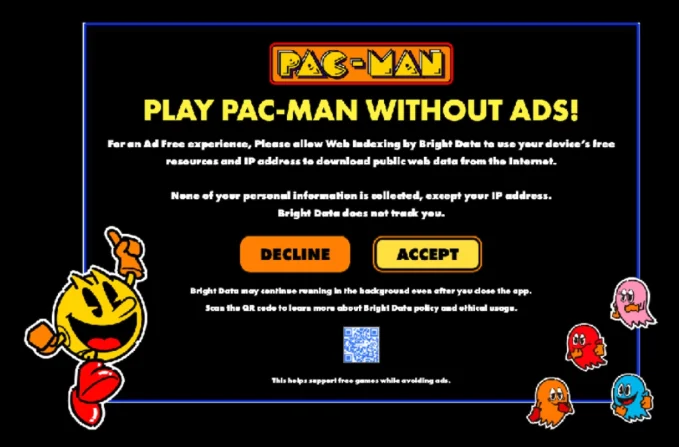
- Early July 2026: Researchers at Spur publish their findings, detailing the high prevalence of residential proxy SDKs in LG and Samsung smart TV apps. The report notes that everything from casual games like Pac-Man to simple screensavers and file utilities were bundling this code.
- Mid-July 2026: Public scrutiny intensifies as privacy advocates and tech journalists highlight the security risks of allowing third-party traffic to traverse home networks via an unmonitored device.
- Late July 2026: LG Electronics USA breaks its silence. Senior Vice President John Taylor issues a formal directive, confirming that the company is actively purging these apps from the webOS store and demanding that developers remove the proxy-enabling SDKs.
- Ongoing: LG begins a systematic review of all submitted apps, promising to strengthen the vetting process for future developer submissions to ensure the integrity of the platform.
Understanding the "Proxy-as-a-Service" Business Model
To understand why developers are so eager to include these SDKs, one must look at the monetization landscape. Residential proxy providers, such as the industry giant Bright Data, operate by building massive networks of "peers." These peers are users who agree to share their bandwidth in exchange for rewards—often the removal of ads within a free game or app.
However, the "consent" mechanism is frequently buried in lengthy Terms of Service agreements or presented as a one-time prompt during app installation. Once the user clicks "accept," the television becomes a node that can be rented out to paying customers.
Spur’s report highlights a particularly egregious example: a Pac-Man app that presents users with a binary choice—either watch intrusive advertisements or turn their TV into a residential proxy node. The trade-off is often presented as a convenience, but the long-term security implications for the home network are rarely explained to the end-user.
Official Responses and Corporate Defenses
The response from the tech industry has been a study in contrasts. LG has taken a hardline stance, prioritizing the security and performance of its hardware. John Taylor’s statement was unequivocal: "A residential proxy network is not an intended use for LG smart TVs… If this option is not removed, these apps will be suspended."
Conversely, proxy providers like Bright Data defend their practices as legitimate, regulated, and essential for a functioning, open internet. In a statement provided to security analysts, Bright Data emphasized that their network is built on the principle of consent.

"Every peer opts in through a dedicated screen and receives value in return," the company stated, adding that they have undergone independent audits by firms such as PwC. They argue that their services allow businesses, researchers, and academic institutions to access public-domain data that would otherwise be blocked by anti-scraping measures. Furthermore, these providers claim to implement technical safeguards designed to prevent proxy users from interacting with other sensitive devices on the victim’s local network—such as printers, security cameras, or personal computers.
The Security Implications: Why Your TV Shouldn’t Be a Proxy
Despite the assurances from proxy providers, security experts remain skeptical. The fundamental problem, according to Trevor Sutter of Spur, is the lack of "meaningful transparency."
Smart TVs are increasingly becoming the central hubs of the modern home. They are connected to the same Wi-Fi networks as our laptops, phones, and smart security systems. By allowing an unknown third party to route traffic through a TV, the user is essentially punching a hole in their home firewall.
The risks are amplified by several factors:
- Lack of Expertise: Most consumers do not view their TV as a computer and are not equipped to audit the network traffic flowing through it.
- Improper Consent: As noted by Sutter, consent is often provided by household members who lack the authority or the technical understanding to make such a decision, such as children or house guests.
- Persistence: Unlike a browser extension that can be easily removed, an app installed on a smart TV may remain active in the background, consuming bandwidth and maintaining a connection to a proxy network long after the user has finished playing a game.
The Broader Context: LG’s Reputation and Recent Controversies
LG’s commitment to cleaning up its app store comes at a critical time for the brand’s image. While the move to remove proxy SDKs is a win for consumer privacy, it follows closely on the heels of another PR misstep.
Earlier in the same week as the proxy announcement, the tech journalism channel Gamers Nexus revealed that certain high-end LG LCD monitors were automatically installing software through Windows Update without user permission. This software was designed to promote paid McAfee antivirus subscriptions.
The incident sparked outrage among the tech community, as it highlighted a tendency for hardware manufacturers to leverage their relationship with consumers to push third-party software, sometimes in ways that bypass standard user-consent protocols. Critics argue that whether it is a residential proxy SDK or unwanted antivirus bloatware, the trend of turning consumer hardware into a vehicle for third-party revenue is a direct threat to the user experience.
Implications for the Future of Smart Home Security
LG’s decision to ban proxy SDKs is a watershed moment. It signals that the "Wild West" era of smart TV app development is likely coming to an end. Other manufacturers, most notably Samsung, are now under immense pressure to follow suit. If a major player like LG can mandate the removal of these SDKs, the industry standard will likely shift, making it much harder for proxy providers to maintain their vast, distributed networks.
For the average consumer, this is a victory for digital sovereignty. However, it also serves as a stark reminder that every "smart" device in the home is a potential liability. As we continue to integrate more technology into our living spaces, the necessity for robust platform oversight, transparent app vetting, and user-friendly security controls has never been higher.
Moving forward, the industry must decide whether to continue treating smart TVs as billboards for third-party monetization or as secure computing environments that deserve the same level of protection as a corporate workstation. LG has taken the first step; the question now is whether the rest of the industry has the fortitude to follow.