
In a sprawling cybercriminal saga that reads like a modern-day techno-thriller, a 26-year-old Canadian software engineer has formally pleaded guilty to a massive campaign of digital extortion that crippled some of the world’s most recognizable brands. Connor Riley Moucka, operating under a rotating cast of pseudonyms including “Judische” and “Waifu,” has admitted to orchestrating a sophisticated scheme that compromised the cloud environments of over 165 organizations.
The breadth of the operation, which relied on the systematic exploitation of Snowflake—a major cloud-based data storage provider—reveals a terrifying vulnerability in the modern digital economy: the reliance on single-factor authentication for high-value data reservoirs. Beyond the Snowflake breaches, Moucka and his co-conspirators managed to pilfer the call and text records of more than 100 million AT&T customers, exposing the private lives of citizens on an unprecedented scale.
The Architect of the Breach: A Chronology of Chaos
The investigation into Moucka, spearheaded by federal authorities and highlighted by investigative journalism from KrebsOnSecurity, paints a picture of a calculated, relentless threat actor. The timeline of his activities suggests a rapid escalation from individual intrusions to a systematic corporate siege.
2020–2023: The Formative Years
Long before he became a household name in cybersecurity circles, Moucka was already active in the fringes of the digital underground. Identified as a software engineer based in Kitchener, Ontario, Moucka had been involved in voice phishing attacks and smaller data breaches since 2020. During this period, he honed his skills in social engineering and credential harvesting, moving through various online personas to evade detection.
February–October 2024: The Snowflake Campaign
The most damaging phase of the operation began in early 2024. Moucka and his associates identified a critical flaw in the security architecture of many Snowflake customers: the absence of enforced multi-factor authentication (MFA). By obtaining stolen login credentials from third-party sources, the group bypassed security perimeters and accessed vast swathes of cloud-hosted data.
The list of victims read like a "who’s who" of American commerce, including TicketMaster, Lending Tree, Advance Auto Parts, and Neiman Marcus. The attackers did not merely steal data; they weaponized it, threatening to leak sensitive information unless significant ransoms were paid.

October 2024: The Net Closes
By September 2024, the identity of “Judische” was beginning to unravel. Reports linked the persona to an Ontario-based software engineer with ties to extremist groups known for harassing minors. The pressure mounted, and on October 30, 2024, following a provisional warrant issued by the United States, the Royal Canadian Mounted Police (RCMP) apprehended Moucka in Canada.
The Syndicate of Cybercrime
Moucka did not operate in a vacuum. The investigation revealed a disturbing interconnected network of high-profile hackers, each contributing unique capabilities to the syndicate.
Cameron “Kiberphant0m” Wagenius
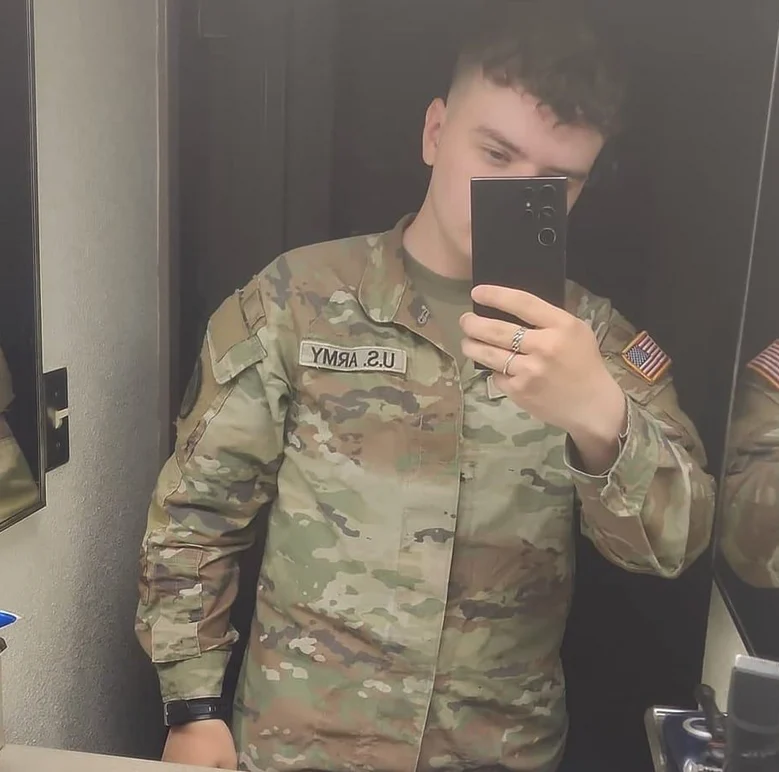
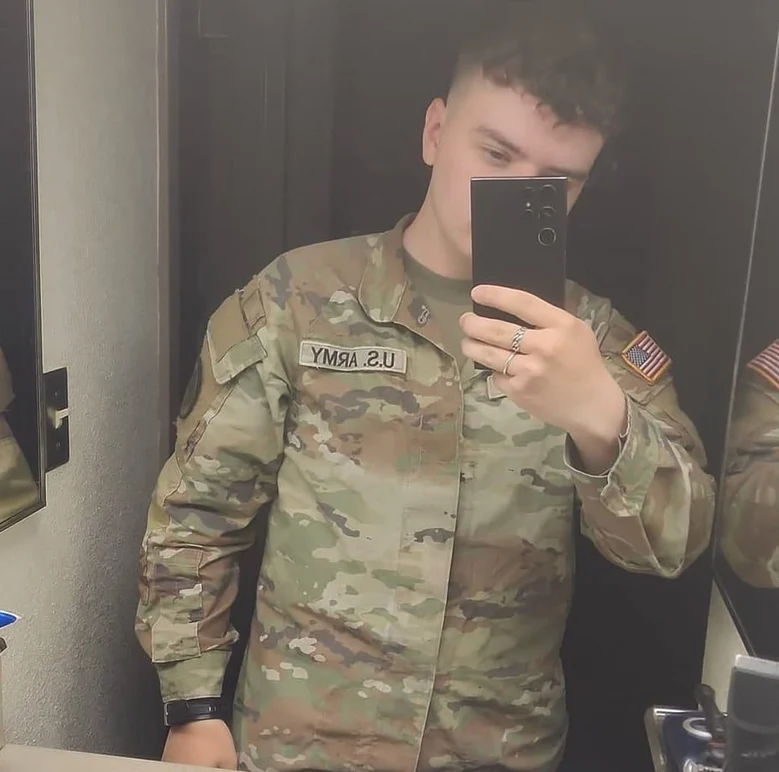
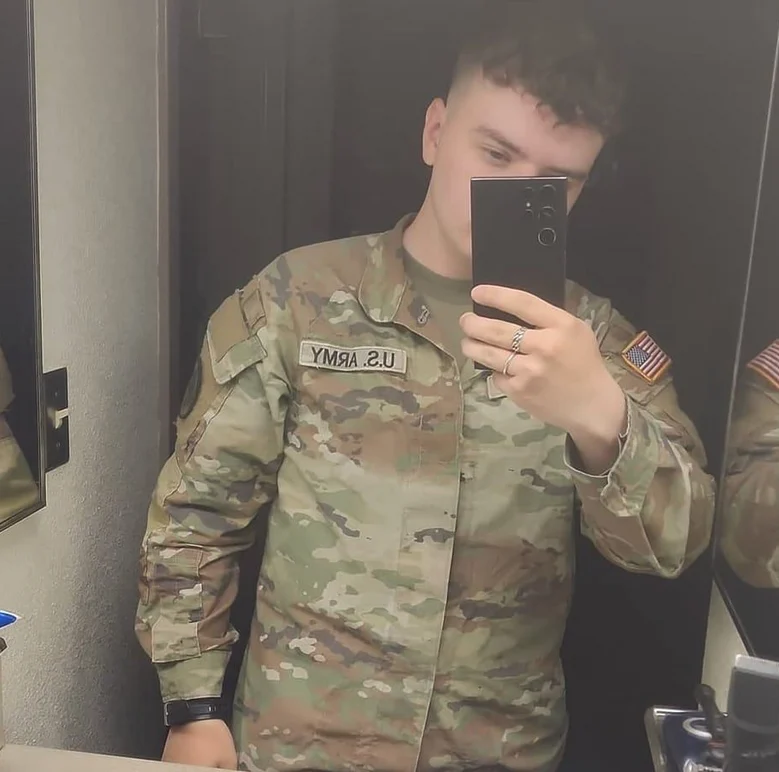
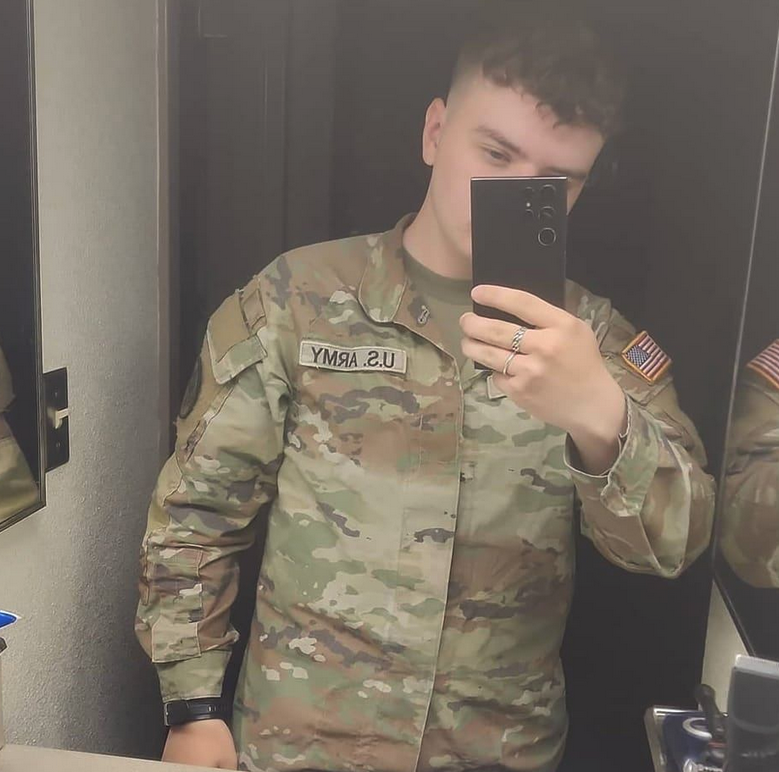
Perhaps the most shocking member of the conspiracy was Cameron Wagenius, a serving U.S. Army soldier. Operating under the handle “Kiberphant0m,” Wagenius allegedly assisted in the extortion of telecommunications giants AT&T and Verizon. His digital footprint, often tracked via Discord and Telegram, revealed a soldier stationed in South Korea who felt emboldened by his perceived anonymity. Wagenius’s audacity extended to the political arena; following Moucka’s arrest, he publicly claimed to possess sensitive call logs belonging to high-ranking U.S. government officials, including then President-elect Donald Trump and Vice President Kamala Harris.
John Erin “IRDev” Binns
The third pillar of the group, John Erin Binns, represents the elusive nature of modern cyber-terrorism. Previously identified as a central figure in the 2021 T-Mobile breach that affected 76 million people, Binns fled the United States to avoid prosecution. Sources indicate that Binns—who also goes by the moniker “IntelSecrets”—recently obtained Turkish citizenship. This maneuver appears to be a strategic “get-out-of-jail-free” card; under current Turkish law, the country is generally prohibited from extraditing its own citizens to face foreign charges, effectively sheltering Binns from the reach of the U.S. Department of Justice.
The Anatomy of the Data: What Was Lost?
The volume of data exfiltrated by this group is difficult to quantify in traditional terms, with investigators describing the haul as "terabytes of information" and "billions of records." The nature of the stolen data was deeply personal and posed a severe national security risk:
- Financial Records: Banking details, payroll information, and corporate financial data were harvested for immediate ransom leverage.
- Governmental Exposure: The group obtained Drug Enforcement Administration (DEA) registration numbers and, allegedly, schematics belonging to the U.S. National Security Agency (NSA).
- Personally Identifiable Information (PII): Social Security numbers, driver’s license numbers, and passport details were stolen in bulk, creating a lifetime risk of identity theft for millions of individuals.
- The "Re-Extortion" Tactic: In a particularly malicious twist, the conspirators engaged in "re-extortion." Even after victims paid a ransom, the attackers would return, using the threat of further disclosure to demand additional payments. In one instance, they targeted a former government official and their immediate family, using their private data as leverage.
Official Responses and Corporate Accountability
The U.S. Department of Justice (DOJ) has been unequivocal in its condemnation of the group, characterizing the activities as a direct assault on the digital infrastructure of the United States.
"The defendant’s actions were not merely about financial gain; they were about the systematic erosion of trust in the institutions that manage our most sensitive data," said a DOJ spokesperson.
For its part, Snowflake—the platform through which the initial breaches occurred—faced intense scrutiny. The company responded by mandates that significantly increased password complexity requirements and, crucially, began enforcing mandatory multi-factor authentication across all customer accounts. While this move was praised by security professionals, critics argue that such basic security hygiene should have been the default long before a breach of this magnitude occurred.
The Implications: A New Era of Risk
The case of Connor Riley Moucka and his co-conspirators serves as a watershed moment in the history of cybersecurity. It highlights several uncomfortable realities for the 21st-century digital landscape:
- The MFA Gap: The fact that a multi-billion dollar corporation’s clients could be compromised simply because they failed to enable a secondary layer of authentication underscores a systemic failure in corporate security culture.
- The Insider Threat: The involvement of a U.S. Army soldier demonstrates that the threat is not always from foreign state actors or faceless syndicates in distant lands; it can originate from within the very institutions tasked with protecting the nation.
- Extradition Hurdles: The case of John Erin Binns exposes the limitations of international law in the digital age. As cybercriminals become more adept at "jurisdiction hopping" and acquiring citizenship in countries that refuse extradition, the ability of the U.S. to hold all members of a conspiracy accountable is severely hampered.
- The Normalization of Extortion: The group’s willingness to target government officials and their families signals a shift toward more brazen, politically motivated, or highly personal forms of cyber-extortion.
Conclusion: The Road Ahead
As the legal proceedings move toward sentencing—with Cameron Wagenius slated for September 2026 and Moucka’s sentencing scheduled for October 2025—the cybersecurity community remains on edge. Moucka faces a potential 30-year prison sentence, a steep price for a 26-year-old who once believed he was untouchable behind a screen.
However, the damage is done. The breach of the Snowflake ecosystem and the mass theft of AT&T customer records serve as a stark reminder that in the digital age, security is not a static state, but a continuous process. As long as there is value in data, there will be actors like Moucka, Wagenius, and Binns waiting to exploit the smallest crack in the foundation. The question remains: have corporations learned enough from this tragedy to prevent the next one, or is this simply the new, precarious cost of doing business in a connected world?