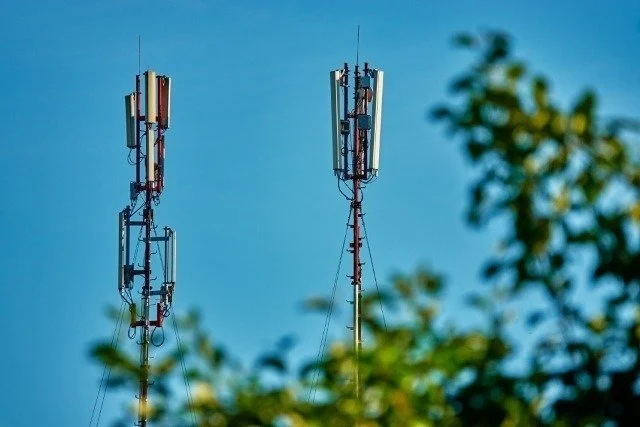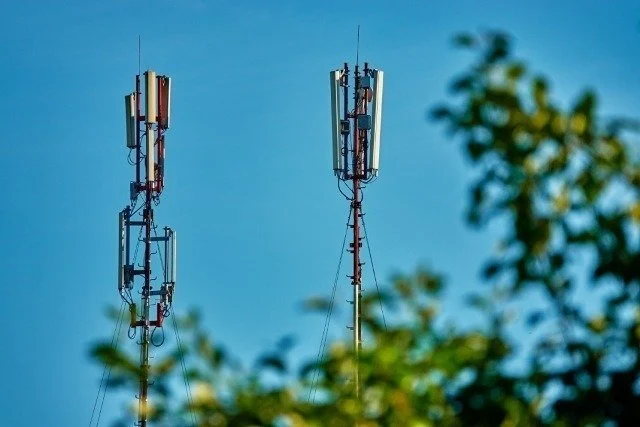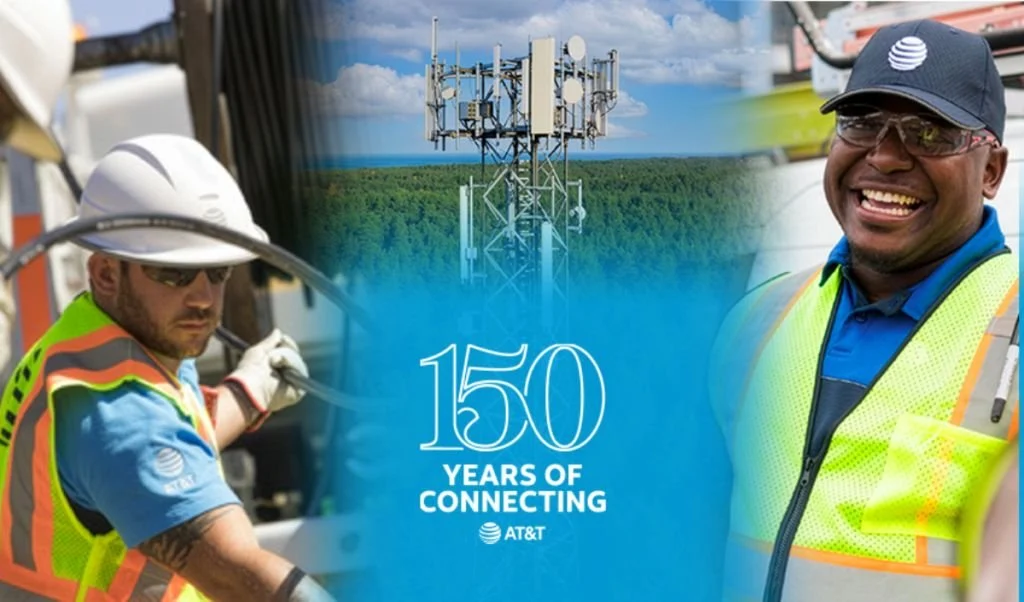
Dallas, TX – [Insert Date] – In a move poised to redefine the American wireless landscape, AT&T has significantly accelerated its 5G network expansion following the monumental $23 billion acquisition of crucial spectrum assets from EchoStar. This strategic maneuver, coupled with an advanced deployment of Ericsson’s cutting-edge radio technology, is not merely an upgrade; it’s a comprehensive fortification of AT&T’s network infrastructure, designed to deliver unparalleled wireless coverage, dramatically boost network capacity, and lay the groundwork for the imminent wave of AI-driven applications across the United States.
The sheer scale of this investment underscores AT&T’s commitment to 5G leadership. The acquisition, which closed recently, injects a substantial 30 MHz of nationwide 3.45 GHz mid-band spectrum and approximately 20 MHz of nationwide 600 MHz low-band spectrum into AT&T’s portfolio. This newly acquired spectrum blankets virtually every market in the U.S., offering a dual-pronged advantage. The mid-band spectrum is vital for delivering high speeds and capacity in densely populated areas, while the 600 MHz low-band spectrum, a true game-changer, possesses remarkable propagation characteristics. It travels farther than higher-frequency bands and penetrates structures with greater efficacy, promising to significantly enhance indoor coverage and extend reliable connectivity to previously underserved urban centers, sprawling rural communities, and critical transportation corridors.
This acquisition is more than just acquiring airwaves; it’s about strategically enhancing the very fabric of AT&T’s wireless network. The company is integrating Ericsson’s advanced 600 MHz dual-band radios, a move that marks the first-ever deployment of 8RX uplink-enhancing technology across low-band spectrum. This innovation is critical, as it bolsters uplink performance – the ability of devices to send data to the network – which is increasingly vital for real-time applications, remote work, cloud gaming, and the burgeoning ecosystem of AI-powered services that demand instantaneous data transmission and seamless collaboration.
A Foundation for the Future: Enhancing Coverage, Capacity, and AI Readiness
The strategic intent behind this extensive spectrum acquisition and technological integration is multifaceted, addressing both current consumer demands and the future potential of advanced wireless technologies.
Enhanced Wireless Coverage: The 600 MHz spectrum is a cornerstone of this strategy. Its superior reach and penetration capabilities are expected to significantly improve signal strength in areas where AT&T has historically faced coverage challenges. This includes the interior of buildings, dense urban canyons, and rural areas that have often been on the fringes of robust connectivity. By extending the reach of its 5G signal, AT&T aims to provide a more consistent and reliable wireless experience for all its subscribers, regardless of their location.
Increased Network Capacity: As mobile data consumption continues its relentless ascent, the need for greater network capacity is paramount. The addition of both mid-band and low-band spectrum provides AT&T with a more robust and diverse spectrum portfolio. This allows the operator to dynamically allocate resources, ensuring that its network can handle peak traffic loads without compromising performance. The increased capacity will translate into fewer network congestion issues, enabling a smoother experience for users engaging in data-intensive activities.
Faster Download and Upload Speeds: While 5G has been associated with faster download speeds, the uplink performance is often overlooked. The 8RX uplink-enhancing technology deployed with Ericsson’s radios is designed to address this. By improving the efficiency and power of data transmission from devices to the network, AT&T is poised to deliver not only quicker downloads but also significantly faster and more responsive uploads. This is a crucial enabler for emerging applications that rely on real-time data sharing and interaction.
AI-Driven Applications: The overarching vision for this network upgrade is to create an infrastructure that is not only capable of meeting current demands but is also future-proofed for the era of artificial intelligence. AI-driven applications, from advanced analytics and machine learning to augmented and virtual reality experiences, will demand extremely low latency, high bandwidth, and consistent, reliable connectivity. AT&T’s investment in spectrum and advanced radio technology positions it to be a leader in supporting these transformative technologies, enabling businesses and consumers to leverage the full potential of AI.
Chronology of a Network Transformation
AT&T’s strategic moves in spectrum acquisition and network modernization are not isolated events but rather integral components of a larger, ongoing transformation.
[Recent Past] EchoStar Spectrum Acquisition Closes: The $23 billion acquisition of spectrum from EchoStar, a pivotal moment, provides AT&T with the essential radio frequencies needed to bolster its 5G network. This acquisition was the catalyst for the accelerated expansion plans.
[Ongoing] Nationwide 5G Network Modernization: This spectrum acquisition is deeply intertwined with AT&T’s broader wireless network modernization program. This program, which is reportedly over 60 percent complete, involves upgrading existing cell sites and deploying new technologies to enhance performance and capacity.
[Ongoing] Ericsson Radio Technology Deployment: The partnership with Ericsson is a critical element of the modernization effort. The deployment of advanced 600 MHz dual-band radios with 8RX uplink-enhancing technology is a key technological advancement enabling the utilization of the newly acquired spectrum.
[Future] Commercial Launch of 600 MHz Services: While AT&T has not yet announced a specific timeline for the commercial launch of services leveraging the 600 MHz spectrum, the infrastructure deployment is actively underway. Details regarding availability and specific service offerings are expected to be shared at a later date.
Supporting Data: Tangible Improvements and Investment Scale
The impact of AT&T’s network modernization efforts is already being felt by customers in upgraded markets, according to company statements and internal metrics.
- Up to 2x Faster Average Wireless Speeds: Customers in areas where Ericsson infrastructure has been deployed are experiencing a doubling of their average wireless speeds, a significant improvement in user experience.
- Reduced Dropped and Blocked Calls by 10 Percent: Network reliability has seen a marked improvement, with a 10 percent reduction in dropped and blocked calls, indicating a more stable and robust network.
- Lower Instances of Slower Mobile Data Performance by Up to 70 Percent: The optimization of network resources and spectrum utilization has led to a substantial decrease in instances of slow mobile data performance.
- Reduced Uplink Interference by Up to 80 Percent: Equipment standardization at cell towers, a byproduct of the modernization program, has significantly reduced uplink interference, a common cause of performance degradation.
- Q2 2026 Investment Surge: The company’s commitment to infrastructure is further evidenced by its financial performance. In the second quarter of 2026, capital expenditures for continuing operations rose to $5.7 billion, a notable increase from $4.9 billion in the same period the previous year. Total capital investment climbed to $6.1 billion from $5.1 billion, and cash payments for vendor financing doubled to $0.4 billion, reflecting a concentrated effort on 5G expansion and AI-readiness.
Official Responses and Strategic Vision
The strategic importance of this initiative has been articulated by key figures within AT&T, highlighting the company’s forward-looking approach.
Yigal Elbaz, Network CTO at AT&T, has been a vocal proponent of the network modernization program. He stated, "Customers in upgraded areas are experiencing up to 2x faster average wireless speeds, while dropped and blocked calls have been reduced by 10 percent. The company has also lowered instances of slower mobile data performance by up to 70 percent, while equipment standardization at cell towers has reduced uplink interference by up to 80 percent, improving network efficiency and reliability." Elbaz’s comments underscore the tangible benefits that customers are already realizing and the technical advancements driving these improvements.
While specific executive quotes directly addressing the EchoStar acquisition’s future implications for AI are not detailed in the provided text, the company’s strategic focus on AI-driven applications is clearly stated. The investment is framed as a direct preparation for the demands of these emerging technologies.
Implications for the Industry and Consumers
AT&T’s aggressive expansion and technological advancements have far-reaching implications for the telecommunications industry and consumers alike.
Intensified Competition: This move by AT&T is expected to further intensify competition in the U.S. wireless market. Competitors will likely be compelled to accelerate their own 5G deployment plans and spectrum acquisition strategies to keep pace. This competitive pressure, in turn, often benefits consumers through improved services and potentially more competitive pricing.
Accelerated AI Adoption: The enhanced network capabilities provided by AT&T’s investment will serve as a critical enabler for the widespread adoption of AI-powered applications. Businesses will have a more reliable and performant platform for deploying AI solutions, leading to increased efficiency, innovation, and new service offerings. Consumers can anticipate richer, more immersive experiences across various digital platforms.
Bridging the Digital Divide: The strategic deployment of 600 MHz spectrum holds particular promise for addressing the digital divide. By extending reliable, high-speed connectivity to rural and underserved areas, AT&T’s investment can unlock new economic opportunities, improve access to education and healthcare, and foster greater social inclusion.
Open RAN Integration: The news also builds upon AT&T’s previously announced collaboration with Ericsson to accelerate Open RAN (Radio Access Network) deployment. This partnership signifies a commitment to a more open and software-driven network architecture, which can foster greater innovation, vendor diversity, and cost efficiencies within the industry.
A Vision of Ubiquitous Connectivity: Ultimately, AT&T’s substantial investment and strategic partnerships paint a clear picture of a future where ubiquitous, high-performance wireless connectivity is not just a luxury but a fundamental utility, powering the next generation of technological innovation and transforming how we live, work, and interact with the world. The era of AI-enhanced connectivity is no longer a distant prospect; it is being actively built, and AT&T is clearly positioning itself at the forefront of this transformation.