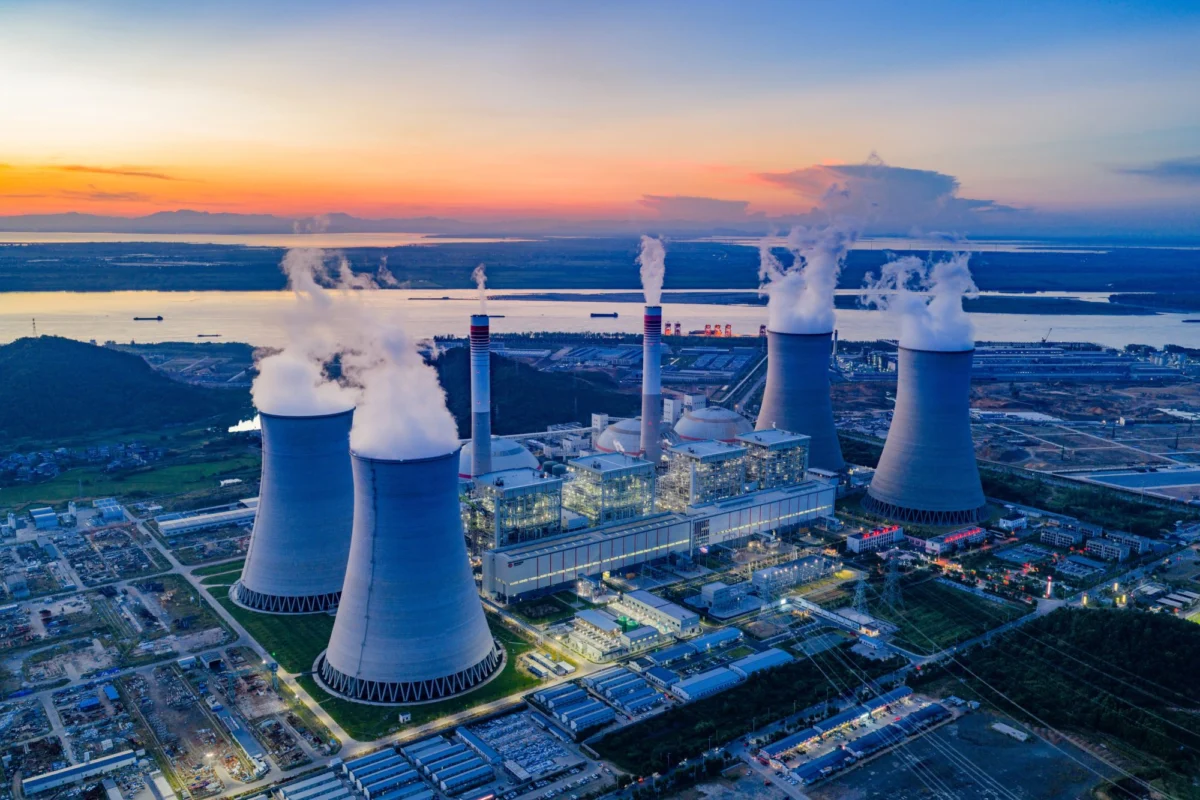
The voracious energy appetite of the artificial intelligence (AI) boom and the explosive growth of cloud computing have created a critical bottleneck for big tech: the power grid. As data center operators struggle to secure reliable, near-instantaneous electricity, a quiet revolution is taking place in the mechanical rooms of the world’s most advanced server farms. Major players are increasingly turning to on-site fuel cells—specifically those manufactured by industry leader Bloom Energy—to bypass the sluggish, years-long timelines associated with traditional utility grid expansions.
For companies like Oracle and Equinix, the mandate is "speed to power." By installing modular fuel cell technology, these firms are transforming their facilities into self-sustaining energy hubs, capable of generating clean, consistent power with a fraction of the carbon and water footprint of legacy infrastructure.
The Infrastructure Race: Why Data Centers Need a New Power Paradigm
The current trajectory of data center growth is unsustainable under traditional energy procurement models. The surge in AI processing requirements necessitates power densities that local electrical grids are often ill-equipped to handle. While building a traditional substation or power plant can take years due to regulatory, permitting, and construction hurdles, fuel cells offer a "plug-and-play" alternative.
Oracle, for instance, has embarked on an ambitious expansion strategy, contracting for up to 2.8 gigawatts of capacity to support its burgeoning AI services. The results have been striking: some of these modular fuel cell projects have been operational in as little as 55 days. This agility provides a massive competitive advantage in a market where being the first to deploy capacity often dictates market share.
Equinix, a global colocation giant, serves as a blueprint for this transition. With over 280 data centers worldwide, the company already manages 73 megawatts of operational Bloom fuel cell capacity. Its commitment is deepening, with an additional 35 megawatts currently in the pipeline across 19 facilities in six states. In a bold move toward grid independence, Equinix is currently designing a Silicon Valley data center that will utilize fuel cells as its primary power source, relegating the local utility grid to a secondary, backup role.
Understanding the Technology: Beyond Combustion
Fuel cells are fundamentally different from the combustion-based power generation that has defined the industrial age. By leveraging hydrogen or natural gas as a feedstock, these devices facilitate an electrochemical reaction that produces electricity directly, without the need for burning fuel.
The Mechanics of Efficiency
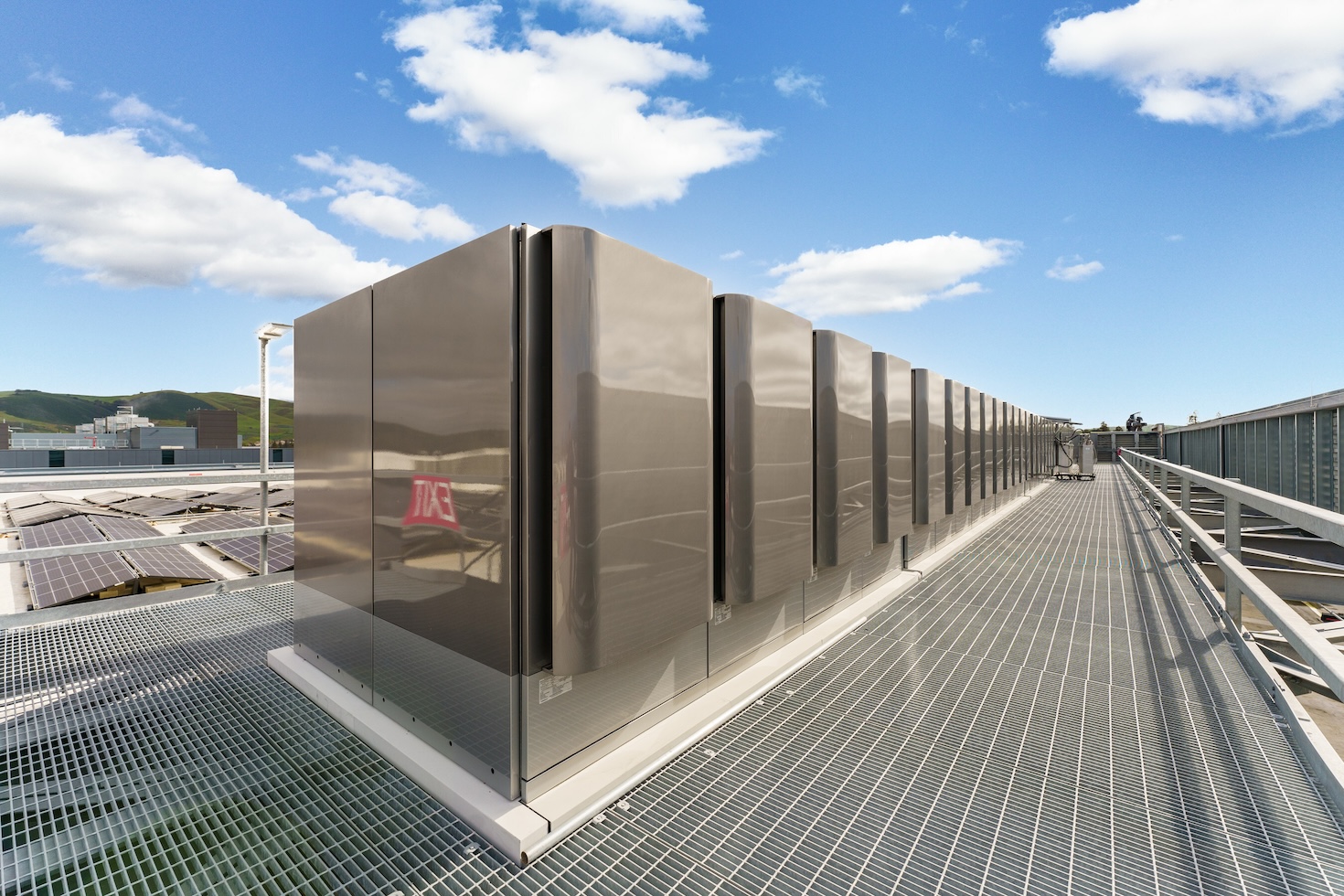
The benefits of solid oxide fuel cells—the specialty of Bloom Energy—are manifold. Because they eliminate the thermal losses associated with combustion turbines, they achieve significantly higher efficiency rates. Furthermore, they operate quietly and with a smaller physical footprint, allowing them to be installed directly adjacent to the server racks they power. This proximity eliminates the "transmission and distribution losses" that plague traditional grid-delivered electricity, where energy is lost as it travels over hundreds of miles of wire.
From an environmental standpoint, the metrics are compelling. According to the 2025 Equinix Sustainability Report, the company has successfully avoided 285,000 metric tons of carbon dioxide equivalent (CO2e) and saved an estimated 382 billion gallons of water by pivoting to Bloom’s technology. These figures underscore the "energy-water nexus," a critical challenge for data centers that traditionally rely on water-intensive cooling and grid power derived from thermal power plants.
A Chronology of the Fuel Cell Surge
The rise of fuel cells in the data center sector did not happen overnight; it is the culmination of decades of research and a sudden convergence of technological needs.
- Pre-2020: The Niche Phase: Fuel cells were largely viewed as expensive, experimental technology, primarily used in remote telecommunications or specialized industrial applications.
- 2021-2022: The Sustainability Mandate: As ESG (Environmental, Social, and Governance) targets became a boardroom priority, data center operators began piloting fuel cells to reduce their Scope 2 carbon emissions.
- 2023: The AI Catalyst: The release of generative AI tools triggered an unprecedented demand for compute, forcing operators to look for power solutions that didn’t require waiting for multi-year utility upgrades.
- 2024: The Manufacturing Scale-up: Bloom Energy surpassed $1 billion in quarterly revenue, signaling the transition of fuel cells from a boutique technology to a core component of the modern energy stack.
- 2025 and Beyond: Major players like FuelCell Energy, PowerCell Group, and Ballard Power Systems are now securing large-scale contracts with AI infrastructure firms, signaling an industry-wide pivot toward on-site, modular power generation.
Market Outlook: The Goldman Sachs Perspective
According to research from Goldman Sachs, the potential for this technology is staggering. Fuel cells are projected to meet up to 15 percent of new power demand in the coming years, potentially accounting for one-quarter of all "behind-the-meter" electricity resources. This transition represents a minimum of 8 gigawatts of additional generation capacity by 2030.
Michele Della Vigna, head of natural resources research at Goldman Sachs, notes that the current constraint is not technology, but manufacturing capacity. "The expansion of fuel cells is currently constrained by its small manufacturing capacity, given its limited historical use, but we believe this is about to change, both in the U.S. and Asia, with major manufacturing expansion," Della Vigna states. As supply chains mature, the cost per kilowatt-hour is expected to plummet, further accelerating adoption.
Official Responses and Strategic Implications
The industry response to this shift has been overwhelmingly positive, driven by both operational reliability and corporate responsibility. Christopher Wellise, vice president of sustainability at Equinix, highlights the multifaceted benefits of the shift.
"You don’t have the transmission and distribution losses, you don’t have actual combustion, you don’t have [nitrogen oxide] and [sulfur oxide] and the particular emissions, and you’re using far less water," Wellise explained. For companies facing increasing scrutiny over their environmental impact, fuel cells offer a path to growth that is decoupled from traditional ecological degradation.
The Vendor Ecosystem
The market is no longer a one-horse race. The competitive landscape is diversifying as vendors tailor their specific chemical processes to the unique needs of data centers:
- FuelCell Energy: A Connecticut-based firm that recently signed a contract to provide AI infrastructure provider Fit Energy with 380 megawatts of power via its molten carbonate technology.
- PowerCell Group: A Swedish leader that has formed a strategic partnership with Bosch and secured contracts with AI infrastructure firm ECL, signaling the global nature of this trend.
- Ballard Power Systems: A Canadian veteran of the fuel cell space, moving from its traditional focus on heavy-duty transportation to stationary power solutions for high-compute environments.
Implications for the Future: Decentralizing the Grid
The shift toward on-site fuel cells is more than just a procurement strategy; it is a fundamental reconfiguration of the power grid. As data centers—the largest consumers of electricity in the modern economy—begin to generate their own power, the relationship between utilities and tech giants will change.
1. Grid Resilience
By shifting the load from the grid to behind-the-meter generation, data centers are actually helping to stabilize the grid. During peak hours, these facilities can reduce their reliance on the public utility, leaving more capacity for residential and commercial customers.
2. The Hydrogen Economy
While many current fuel cells utilize natural gas as a feedstock, they are designed to be "future-proof." As the production of green hydrogen becomes more cost-effective, these units can be converted to run entirely on zero-carbon fuel. This provides a clear, scalable roadmap to achieving truly carbon-neutral computing.
3. Regulatory Hurdles and Opportunities
As these installations become more common, regulators will need to modernize the permitting process for hydrogen and fuel cell storage. If local governments can streamline the deployment of these technologies, the AI revolution can continue without triggering the massive grid-capacity crises that many analysts have predicted.
Conclusion: Powering the Intelligence Age
The "speed to power" imperative is currently the single most important factor driving data center infrastructure investment. The shift to fuel cells represents a maturation of the data center industry—a move away from passive reliance on the utility grid toward an active, engineered approach to energy sovereignty.
As Bloom Energy and its competitors scale their manufacturing capabilities, the modular nature of fuel cells will likely become the standard for any Tier-1 data center facility. By providing cleaner, more efficient, and rapidly deployable energy, fuel cells are not just supporting the AI revolution; they are providing the foundational power required to sustain it for the next decade and beyond. The future of the cloud is being built one fuel cell at a time, hidden away in the quiet, climate-controlled rooms where the digital world truly lives.