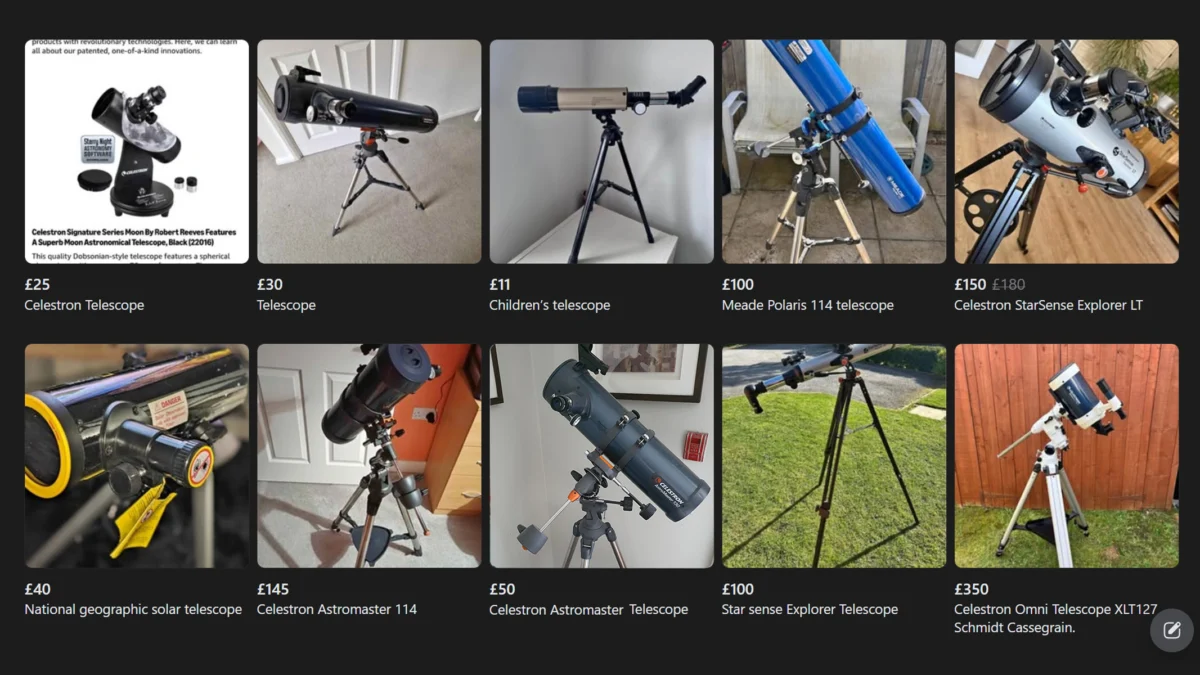
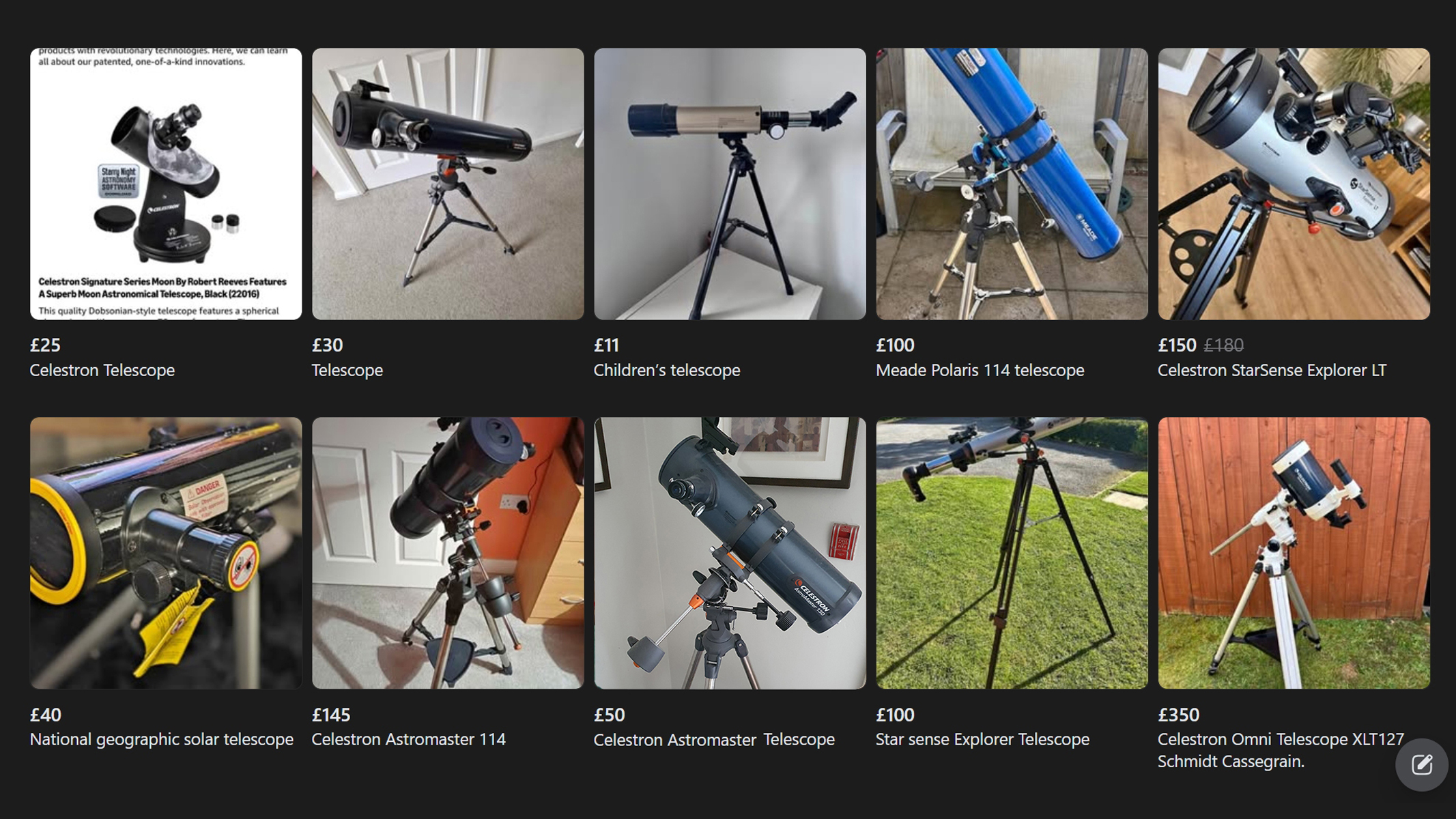
In the world of amateur astronomy, the barrier to entry is often perceived as a financial wall. With high-end astrophotography rigs and computerized mounts frequently costing as much as a used car, many aspiring stargazers assume that quality observation requires a significant investment. However, as veteran astronomer and astrophotographer Damian Peach recently discovered, the secondhand market is a goldmine for those willing to look past the "new and shiny" labels. By securing a functional Celestron AstroMaster 130mm Newtonian reflector for just $50 on Facebook Marketplace, Peach proves that the cosmos is accessible to anyone with a bit of patience and the right technical know-how.
The Myth of the Expensive Hobby
The common perception that one must spend thousands to see the rings of Saturn or the moons of Jupiter is largely a result of marketing towards "entry-level" gear. Often, a $50 budget at a big-box retail store buys a flimsy, undersized refractor with plastic optics that offer little more than frustration.
These "department store" telescopes, usually sporting 50mm to 70mm apertures, suffer from significant chromatic aberration and limited light-gathering power. They struggle to resolve even the brightest deep-sky objects. However, the secondary market tells a different story. Amateur astronomers frequently purchase equipment on impulse, only to find themselves overwhelmed by the learning curve or lacking the time to commit to the hobby. As a result, high-quality, mid-range telescopes end up gathering dust in garages and attics, eventually being listed for a fraction of their retail value.
A Chronology of the $50 Discovery
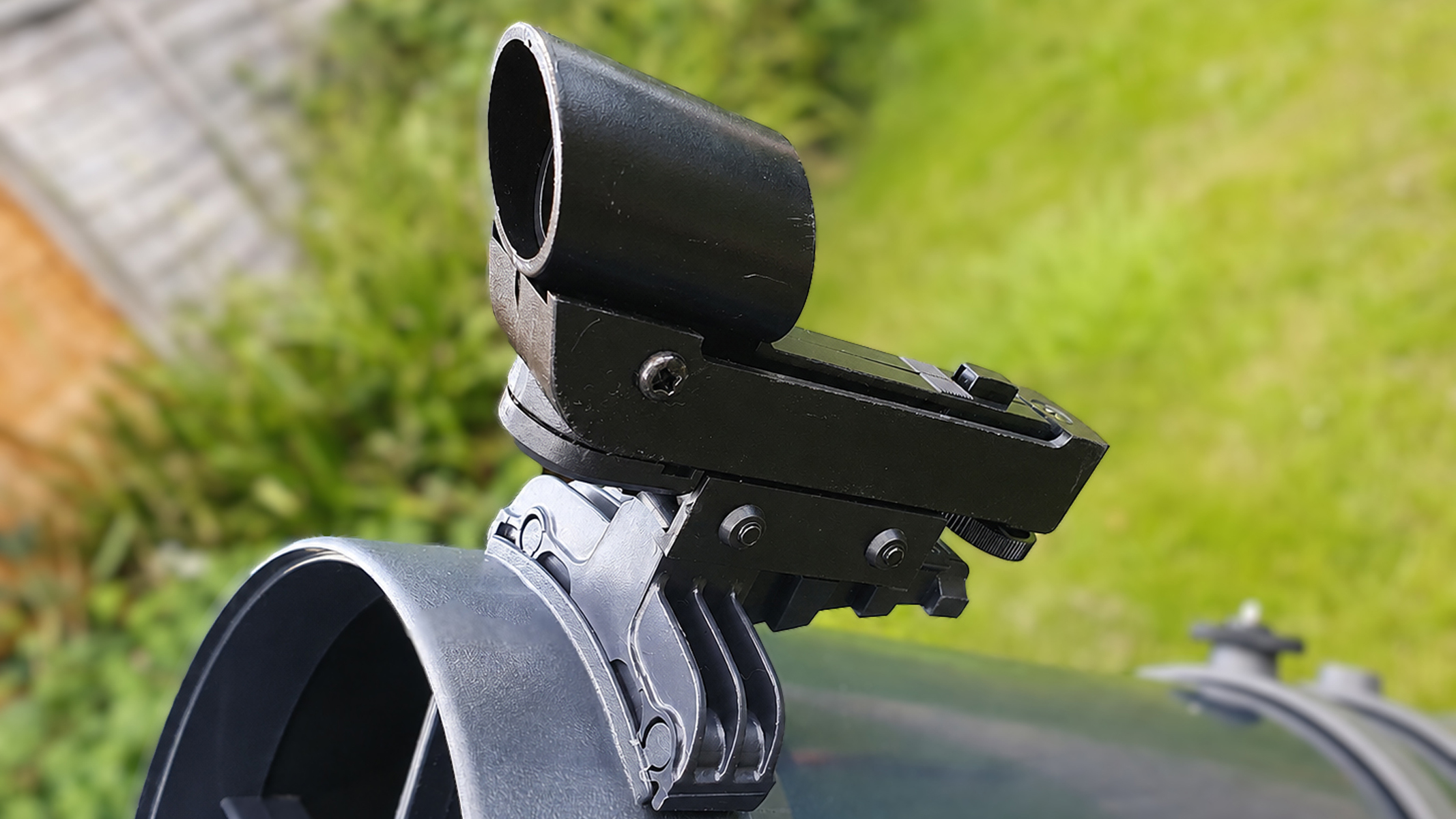
The search for a bargain began with a disciplined, week-long monitoring of local online marketplaces. The objective was clear: find a Newtonian reflector with an aperture of at least 130mm. This size provides a significant jump in light-gathering capability compared to small refractors, allowing for the observation of faint nebulae, star clusters, and clearer planetary detail.
Day 1-5: The Hunt: Monitoring local listings for quality brands like Celestron, Orion, and Sky-Watcher.
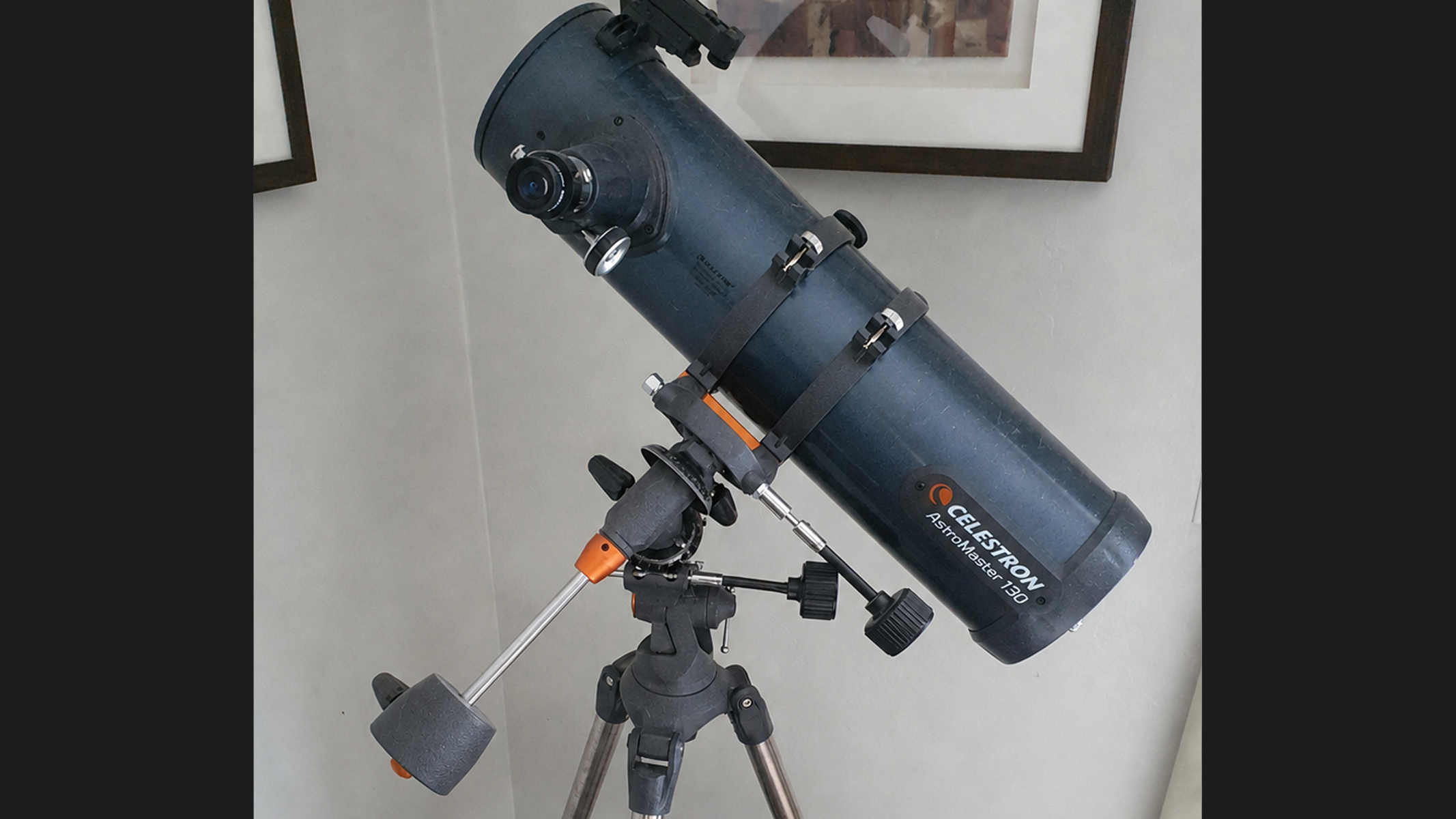
Day 6: The Find: A Celestron AstroMaster 130mm appeared, listed by a local seller for a mere $50.
Day 7: The Inspection: A 15-mile journey confirmed the unit was essentially "new old stock." The optics were pristine, and all original accessories were accounted for.
Day 8-10: Calibration and Testing: The scope underwent a thorough collimation process to align the primary and secondary mirrors, followed by initial "first light" testing on solar system targets.
Supporting Data: Why Aperture is King
The effectiveness of a telescope is dictated almost entirely by its aperture. The 130mm (approx. 5.1 inches) mirror of the AstroMaster serves as a light bucket, collecting roughly 3.4 times more light than a 70mm refractor.
| Feature | 70mm Refractor (Typical $50 New) | 130mm Newtonian (Used $50) |
|---|---|---|
| Light Gathering | Low | Moderate/High |
| Planetary Detail | Poor/Blurry | Sharp/Defined |
| Deep Sky Capability | Minimal | Capable |
| Chromatic Aberration | High | None |
This leap in performance is the difference between seeing a vague smudge and observing the distinct cloud bands of Jupiter or the Cassini Division in Saturn’s rings. Furthermore, the Newtonian design—a reflector that uses mirrors rather than lenses—avoids the color-fringing issues inherent in budget refractors, providing a much more "true-to-life" image of the night sky.
The Technical Essentials: Collimation and Tracking
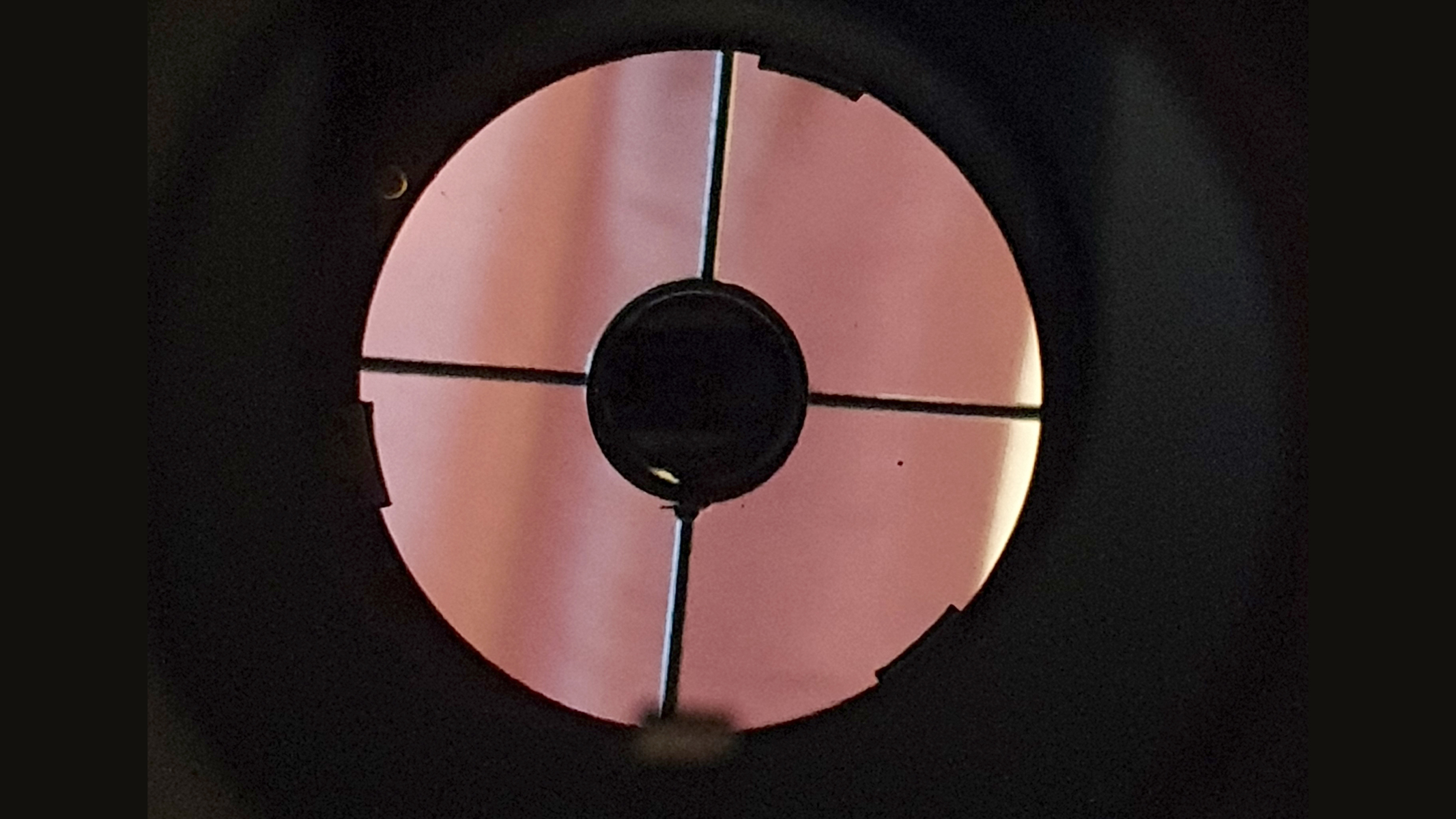
One of the primary reasons beginners abandon the hobby is a lack of understanding regarding "collimation." Newtonian telescopes require the mirrors to be perfectly aligned to produce a sharp image. During transport or long periods of storage, these mirrors can shift.

As Peach notes, collimation is a simple, 10-minute task that can be performed using a basic tool or even by simply peering through the focuser to ensure the mirror reflections are concentric. Neglecting this step is the primary cause of "blurry" images that lead beginners to believe their equipment is broken.
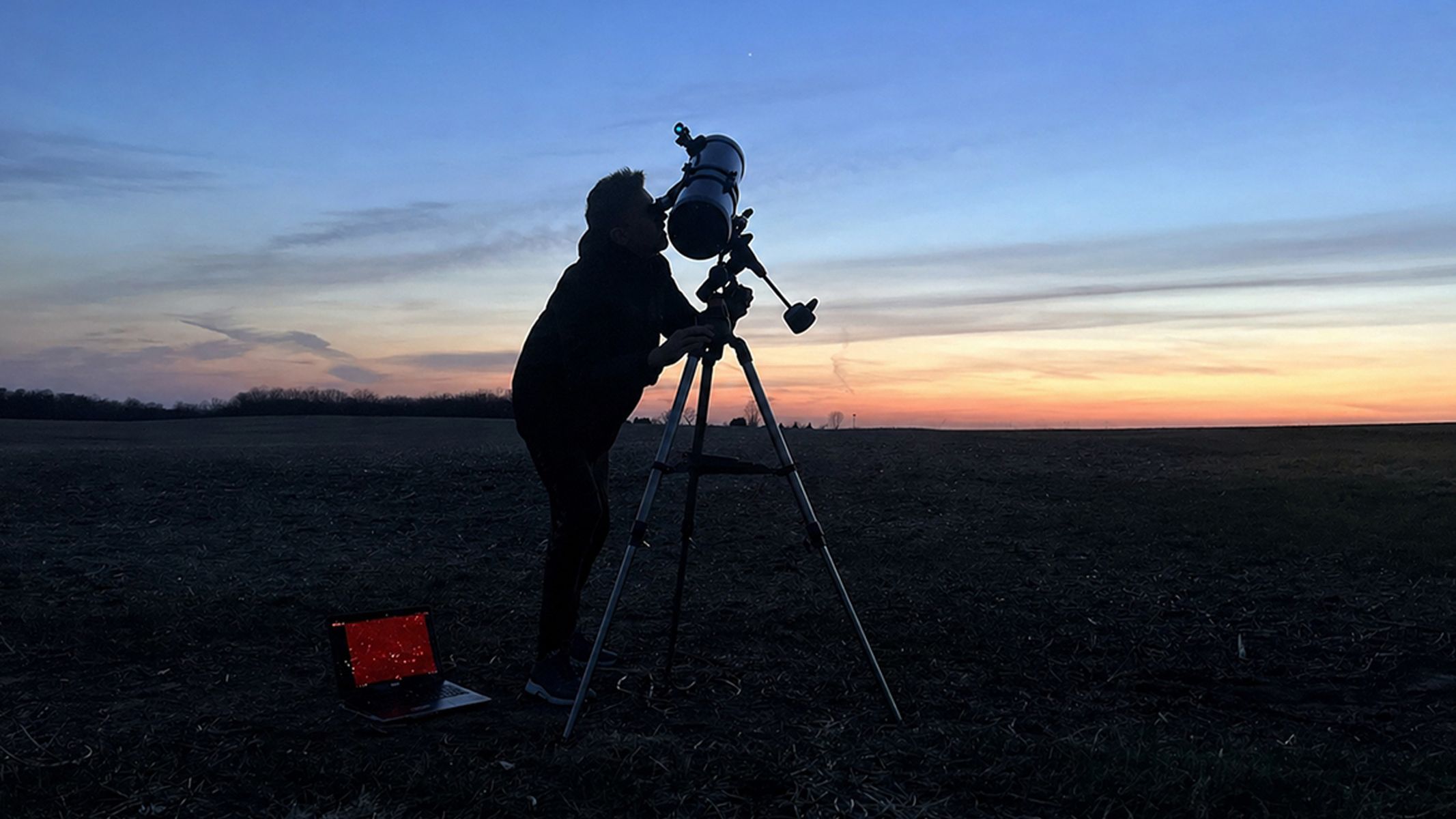
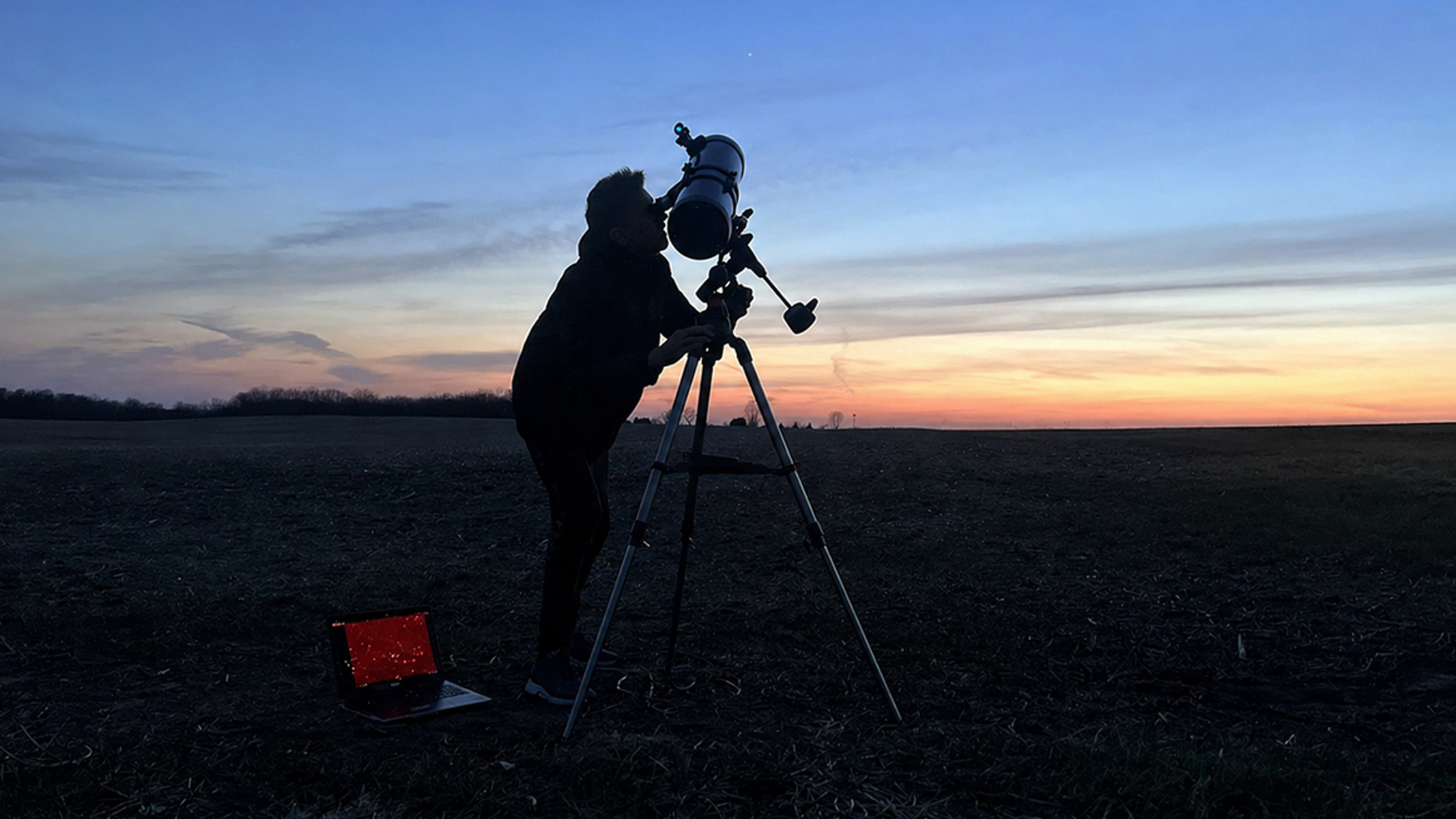
Beyond optics, the mechanical stability of the mount is paramount. The Celestron 130mm features an equatorial mount with slow-motion cables. While not as convenient as modern "GoTo" computerized systems, these manual controls allow the user to track celestial objects as the Earth rotates, a vital skill for any serious observer.
First Light: Observing and Imaging
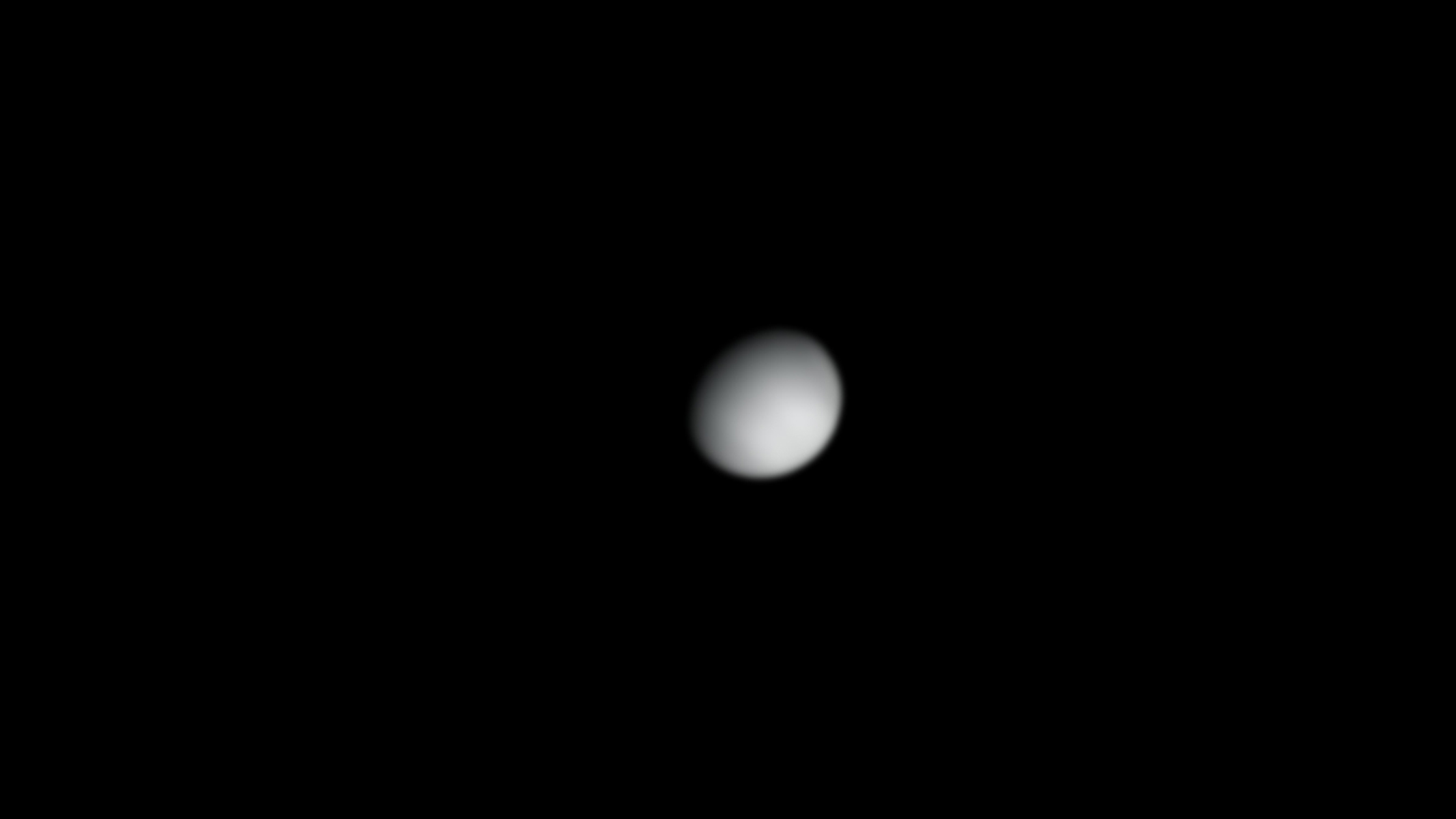
The performance of the $50 scope exceeded expectations during its inaugural sessions. Under local skies, the telescope successfully resolved the gibbous phase of Venus and the Great Red Spot of Jupiter.
Moving to a "dark sky" location 45 minutes away unlocked the true potential of the 130mm aperture. The globular cluster Messier 13 (Hercules Cluster) appeared as a sparkling ball of stars, and the galaxy pair Messier 81 and 82 were clearly visible in the same field of view.
Even in the realm of astrophotography, the setup held its own. While long-exposure deep-sky imaging is impossible without a motor drive, "lucky imaging"—taking short video clips of the moon and planets and stacking them using free software—yielded impressive results. The crater Tycho, with its complex ray system, stood out with high-contrast detail, proving that with enough patience and manual tracking, the barrier to entry for astrophotography is far lower than industry standards suggest.
Safety and Expert Advice
A critical warning must accompany any discussion of solar observation: Never point a telescope at the sun without a professional-grade, full-aperture solar filter.
Peach utilized a custom-fitted filter made from Baader safety film to observe sunspots. For those looking to replicate this, the market is full of safety-certified kits. The implications of this project are clear: the "barrier to entry" in astronomy is not the cost of the hardware, but the lack of knowledge.
Implications: A Call to the Secondhand Market
The success of this experiment highlights a shift in the hobbyist landscape. Rather than defaulting to expensive, entry-level kits that may eventually end up in a landfill, prospective astronomers should:
- Prioritize Aperture: Look for 114mm to 130mm mirrors rather than small lenses.
- Inspect Before Buying: Always check for mirror scratches, smooth mount movement, and completeness of parts.
- Learn the Mechanics: Understanding collimation and manual tracking is part of the "rite of passage" for astronomers and prevents early burnout.
- Utilize Free Resources: Use planetarium software (like Stellarium) to identify objects, rather than relying on expensive automated systems.
Damian Peach’s $50 experiment serves as a powerful reminder that the universe does not hide itself behind a price tag. It hides behind a lack of curiosity and the willingness to learn. By tapping into the vast reserve of high-quality equipment currently sitting idle in garages across the country, newcomers can skip the "beginner" gear entirely and jump straight into a lifetime of discovery.
Whether you are looking to capture the lunar surface or explore the deep-sky treasures of the Messier catalog, the tools are already out there, waiting for the next astronomer to pick them up and aim them at the stars. With a bit of diligence, the next "amazing win" on a local marketplace could be yours.