In a significant move to reclaim control over its smart home ecosystem, LG Electronics USA has announced a crackdown on apps hosted on its webOS platform that transform consumer smart TVs into unauthorized residential proxy nodes. This decision follows a damning investigation by the security firm Spur, which revealed that nearly half of the applications available on LG’s storefront were surreptitiously routing third-party internet traffic through unsuspecting users’ living room hardware.
The emergence of "proxy-as-a-service" business models has turned everyday household devices into high-value assets for data scrapers and botnet operators. As LG begins the arduous process of auditing and suspending non-compliant software, the industry is left to grapple with a fundamental question: when does a "smart" appliance stop serving the consumer and start serving the highest bidder?
The Anatomy of a Residential Proxy Network
To understand the scope of the problem, one must first understand the utility of a residential proxy. Unlike a data-center IP address, which is easily blocked by websites attempting to prevent automated scraping or fraudulent traffic, a residential IP address—associated with a real household internet connection—is viewed as "clean" and trustworthy by web servers.
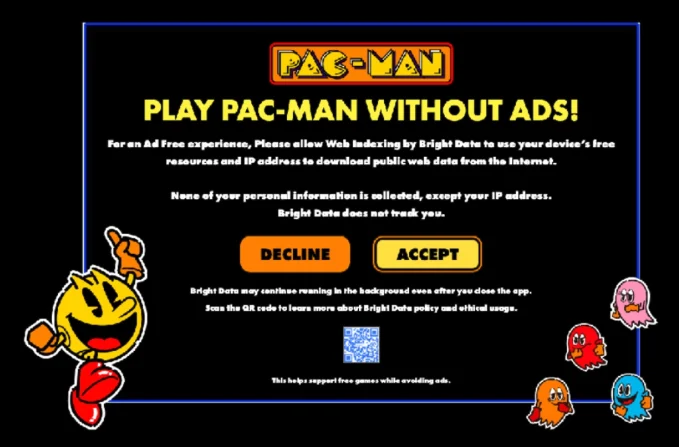
Proxy providers, such as Bright Data and others, monetize this by creating massive, distributed networks of IP addresses. They accomplish this by embedding Software Development Kits (SDKs) into seemingly innocuous applications—games, screensavers, or file utilities. When a user downloads these apps, they are often presented with a vague, often buried, prompt asking for consent to share their "bandwidth." In exchange for the app being "free" or ad-free, the user’s TV becomes an always-on gateway for strangers to route their internet traffic.
The Findings: A Ubiquitous Threat
The investigation conducted by Spur, published in early July 2026, sent shockwaves through the consumer electronics industry. The data was stark:
- LG webOS: More than 42 percent of apps analyzed contained residential proxy SDKs.
- Samsung Tizen OS: Over 25 percent of apps were found to utilize similar proxy components.
These findings suggest that a massive portion of the smart TV market has been turned into a global relay network without the informed consent or technical understanding of the device owners. These TVs, once turned on, act as silent conduits for activity that the owner cannot see, control, or audit.
Chronology of the Crisis
The unfolding situation represents a collision between the "freemium" app economy and consumer privacy rights.
- Early 2026: Researchers begin noticing unusual traffic patterns originating from residential IP addresses that are physically located in smart home devices.
- July 2, 2026: Security firm Spur releases its comprehensive report detailing the prevalence of proxy SDKs. The report specifically highlights that popular apps, including simple recreations of games like Pac-Man, are being used as delivery vehicles for these proxy services.
- Mid-July 2026: In the wake of the public disclosure, LG Electronics USA comes under intense pressure from privacy advocates and security researchers.
- Late July 2026: LG issues a formal policy shift, declaring that residential proxy networks are "not an intended use" for their hardware and initiating a purge of the webOS app store.
The Business of Bandwidth Monetization
For developers, the incentive is clear: monetizing a free app is difficult. Residential proxy providers offer a lucrative alternative to traditional advertising. By installing an SDK, developers receive a steady stream of passive income based on the amount of traffic routed through the user’s device.
However, as Trevor Sutter of Spur noted, this model relies on a dangerous assumption of consent. "A one-time consent prompt buried in a TV app is not a substitute for meaningful transparency, ongoing control, and platform oversight," Sutter argued. The ethical dilemma is amplified by the nature of the household; a child or a guest might inadvertently "accept" a prompt that compromises the network security of the entire home, opening a door that the primary administrator never intended to unlock.
While providers like Bright Data claim to utilize rigorous "Know Your Customer" (KYC) protocols, the reality is that the end-users—the families watching Netflix or playing games—have no way to verify who is using their internet connection, what they are accessing, or whether that traffic is legal.

Official Responses: LG Electronics Takes a Stand
The response from LG has been swift, albeit reactive. John Taylor, Senior Vice President at LG Electronics USA, articulated the company’s new stance in a clear directive to developers.
"A residential proxy network is not an intended use for LG smart TVs, and LG Electronics is working with developers to remove the residential proxy option from their apps on the webOS platform," Taylor stated. He warned that the company’s patience for non-compliance is thin: "If this option is not removed, these apps will be suspended."
LG has emphasized that it is currently engaged in a comprehensive review of its entire app ecosystem. The company has pledged to "strengthen our evaluation process" for new submissions, effectively creating a "no-proxy" policy for future webOS software. Whether this will successfully curb the practice or simply drive it underground into sideloaded or modified apps remains a significant point of concern for security analysts.
Implications for Consumer Security
The implications of this incident extend far beyond smart TVs. We are living in an era where the "Internet of Things" (IoT) has expanded to include everything from lightbulbs to refrigerators. Each of these devices typically possesses an operating system and an internet connection, creating a massive, fragmented attack surface.
1. The Erosion of Network Integrity
When a TV becomes a proxy node, it creates a bridge between the public internet and the local area network (LAN). While proxy companies claim to employ countermeasures to prevent users from "jumping" into the home network, the presence of such software represents a fundamental violation of the "perimeter" model of network security.
2. The Liability Question
Who is responsible if a smart TV is used to facilitate a cyberattack, purchase illegal goods, or access illicit content? Under the current regulatory framework, the burden often falls on the ISP account holder. If an LG TV is used to hide the identity of a threat actor, the homeowner may find themselves answering questions from law enforcement regarding traffic they never initiated.
3. The Trust Deficit
LG’s reputation has been tested on multiple fronts. Beyond the proxy issue, the company recently faced criticism from the tech community—most notably from the YouTube channel Gamers Nexus—for the surreptitious installation of McAfee antivirus promotional software on its high-end monitors. The fact that this software was pushed via Windows Update without explicit user consent has contributed to a growing sentiment that major manufacturers are prioritizing third-party partnerships over user experience and system integrity.
Conclusion: A New Standard for Smart Devices
The pivot by LG Electronics marks a turning point in the governance of smart devices. By publicly denouncing residential proxy SDKs, LG is acknowledging that the platform provider bears responsibility for the behavior of the software it hosts.
However, the "whack-a-mole" nature of app stores suggests that this will be an ongoing struggle. As long as there is money to be made by selling residential bandwidth, developers will seek ways to bypass security audits. Consumers must remain vigilant, treating their "smart" TVs with the same level of caution they apply to their PCs and smartphones.
Moving forward, the industry must move toward a model of "Privacy by Design." This includes clearer disclosure requirements, granular control settings that allow users to toggle specific background services, and, ultimately, a shift away from business models that monetize the user’s private network infrastructure. For now, LG’s move to clean house is a necessary first step toward restoring the boundary between the living room and the wider, often hostile, internet.