For decades, Apple has occupied a unique position in the global technology landscape. While its brand is synonymous with the consumer experience—the sleek aesthetic of the iPhone, the intuitive interface of macOS, and the ecosystem of the Apple Watch—a secondary, more robust reality has been quietly unfolding behind the glass doors of the world’s largest corporations.
Apple is a formidable player in the enterprise sector, yet it remains remarkably reticent about its own accomplishments. As the company continues to gain ground in IT infrastructure, AI development, and corporate mobility, the question arises: Why does one of the world’s most valuable companies hide its light under a bushel?
The Core Facts: A Transformation in Corporate IT
The narrative that Apple is a "consumer-only" brand is not just outdated; it is factually incorrect. Today, Apple’s enterprise footprint is extensive, driven by a combination of long-term Total Cost of Ownership (TCO) benefits and a shift in employee preference.
Data from industry stalwarts like Jamf has consistently shown that the Mac is no longer a niche device for creative departments. It is a workhorse for finance, engineering, and executive management. The economic argument is simple: while the upfront hardware cost of a Mac might appear higher than a commodity PC, the "dollar-for-dollar" efficiency—measured in reduced support tickets, higher device reliability, and increased user satisfaction—makes Apple hardware a superior fiscal choice.
However, Apple’s enterprise success is not limited to hardware. The company has aggressively expanded its software and API offerings to facilitate seamless integration into complex enterprise environments. From Apple Business Manager to the deep integration of security protocols, Apple has created a platform that is as manageable as it is desirable.
A Chronology of Enterprise Growth
To understand where Apple stands today, one must look back at the trajectory of the last decade:
- 2014–2016: The Mobile Tipping Point. This era saw the "consumerization of IT" begin in earnest. With the iPhone dominating smartphone activations in the enterprise, the barrier between personal and professional technology began to dissolve.
- 2017: The Revenue Record. Apple’s CFO, Luca Maestri, announced a watershed moment: corporate buyers reported a 96% satisfaction rate and a 68% purchase intent. This marked the shift from "bring your own device" (BYOD) to enterprise-wide standardizations on Apple hardware.
- 2020–2023: Silicon Transformation. The introduction of Apple Silicon revolutionized the professional workstation. The M-series chips provided performance-per-watt metrics that legacy x86 architectures could not match, making the Mac the preferred platform for high-end developers.
- 2024–Present: The AI Frontier. Apple’s focus has shifted to Artificial Intelligence. Through frameworks like MLX and the deployment of Apple hardware in AI-heavy environments, Apple has secured its position as a primary tool for the next generation of computing.
Supporting Data: The Case for the Mac
The evidence supporting Apple’s enterprise dominance is not merely anecdotal. It is found in the operational shifts at Fortune 500 companies.
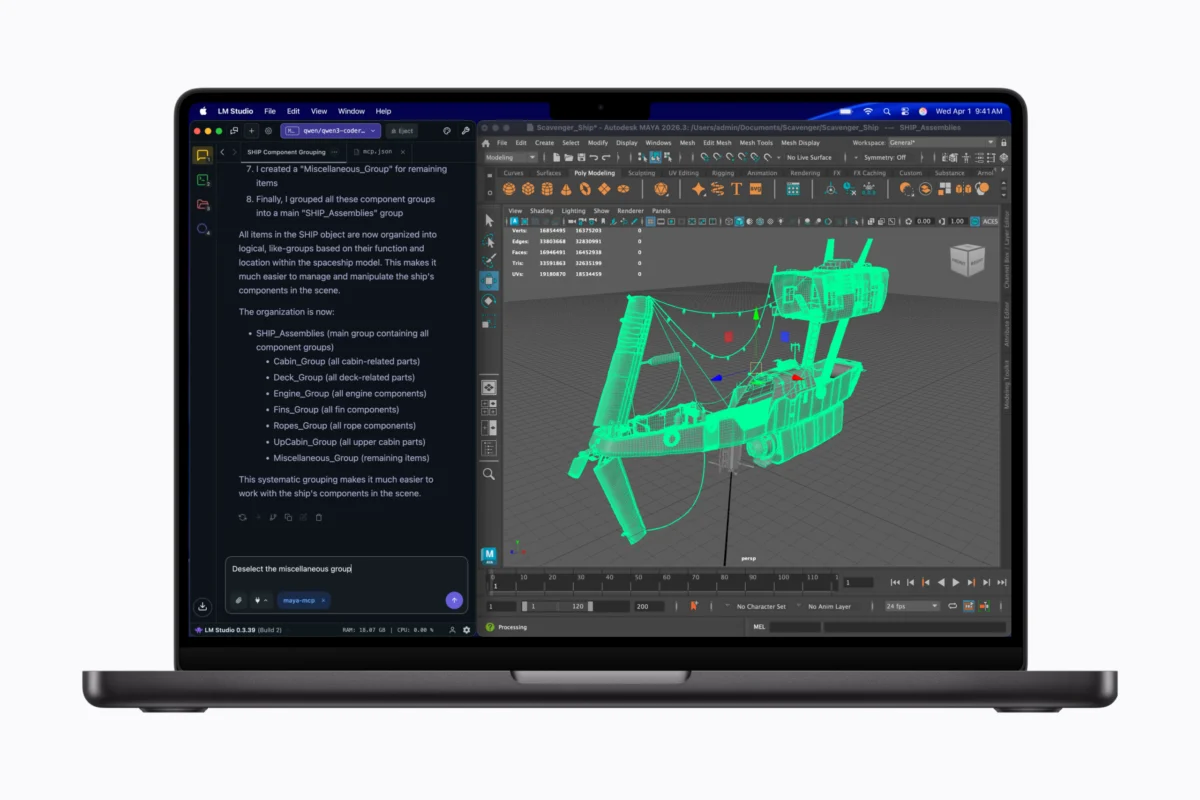
Consider the "Mac-first" policies now common at major tech firms. Developers at companies like Anthropic, OpenAI, and NVIDIA are increasingly choosing MacBook Pros as their primary portable AI development environment. This is not a matter of brand loyalty; it is a matter of performance. Apple’s architecture, characterized by unified memory and high-efficiency neural engines, provides a stable, performant foundation for training and running local AI models.
Furthermore, the "near-mythical" June gathering in Cupertino, which hosted leaders from Disney, Ford, and Perplexity, underscores the reality that the most sophisticated companies on Earth are betting their future on Apple. The silence surrounding such events is a missed opportunity for the company to solidify its narrative. While competitors like Microsoft or IBM curate massive PR campaigns around every enterprise win, Apple leaves its most significant testimonials to the grapevine.
The "Haidilao" Problem: A Vacuum of Documentation
Former Apple Enterprise Marketing Manager Todd Dailey has highlighted a critical disconnect in the company’s communication strategy. Apple currently maintains a sparse repository of enterprise case studies. A notable example is the Haidilao case—a compelling story of how the restaurant chain optimized back-end operations and energy consumption using Mac minis—which remains largely siloed, published primarily in Chinese.

This reflects a broader "myopia" in Apple’s marketing department. The company is built on the strength of its consumer marketing machine, which prioritizes mystery, anticipation, and emotional connection. These pillars do not always translate well to the staid, data-driven world of enterprise IT, which demands white papers, detailed ROI analysis, and transparent case studies.
By failing to amplify these stories, Apple cedes the narrative space to legacy incumbents who are all too eager to suggest that Apple hardware is "hard to manage" or "too expensive for scale."
Implications: The "Mac Does AI" Opportunity
If Apple intends to maintain its momentum, it must move beyond the "secretive" phase of its enterprise journey. The next stage of growth is clearly defined by the intersection of privacy and AI.
As businesses become increasingly wary of cloud-based AI risks, Apple’s commitment to on-device privacy becomes a competitive moat. Apple’s ability to offer a "privacy-first" AI development environment is a selling point that hasn’t been fully leveraged.
The implications of this silence are two-fold:
- Missed Mindshare: IT decision-makers who do not see Apple shouting about its enterprise success may assume it isn’t a priority for the company, leading them to favor platforms that offer more vocal support.
- Lack of Ecosystem Evangelism: By failing to provide a platform for its enterprise partners to share their success stories, Apple loses out on the "network effect" of peer-to-peer validation.
A Call for a New Strategy
Apple does not need to become a traditional enterprise sales firm, but it does need to become a more communicative one. It has a small army of business experts in its retail stores and a robust internal infrastructure for enterprise management; these resources should be matched by an equally robust communication strategy.
The solution is straightforward:
- A Centralized Enterprise Hub: Create a dedicated, global portal for enterprise case studies that highlights success across sectors, from manufacturing to AI research.
- Active Advocacy: Leverage the participants of events like the Cupertino summit to create high-quality content—video testimonials, technical deep-dives, and white papers—that can be utilized by enterprise teams.
- The "Mac Does AI" Campaign: Lean into the reality that the world’s most advanced AI research is being done on Apple Silicon. This is a powerful narrative that writes itself if only the company would acknowledge it.
Conclusion: Stepping Out of the Shadows
Apple’s enterprise success is not an accident; it is the result of decades of hardware superiority and software innovation. Yet, in the modern business climate, silence is rarely viewed as strength—it is viewed as absence.
If Apple truly wants to own the future of enterprise IT, it must stop treating its business achievements as footnotes in a quarterly earnings call. It is time for Apple to step out from behind the curtain of its consumer-facing brand and shine a light on the fact that for the world’s most demanding professional users, the platform of choice is, and has always been, Apple.
The story is already written by the success of the companies using these tools. Now, Apple simply needs to tell it.