By Jonny Evans
August 4, 2026
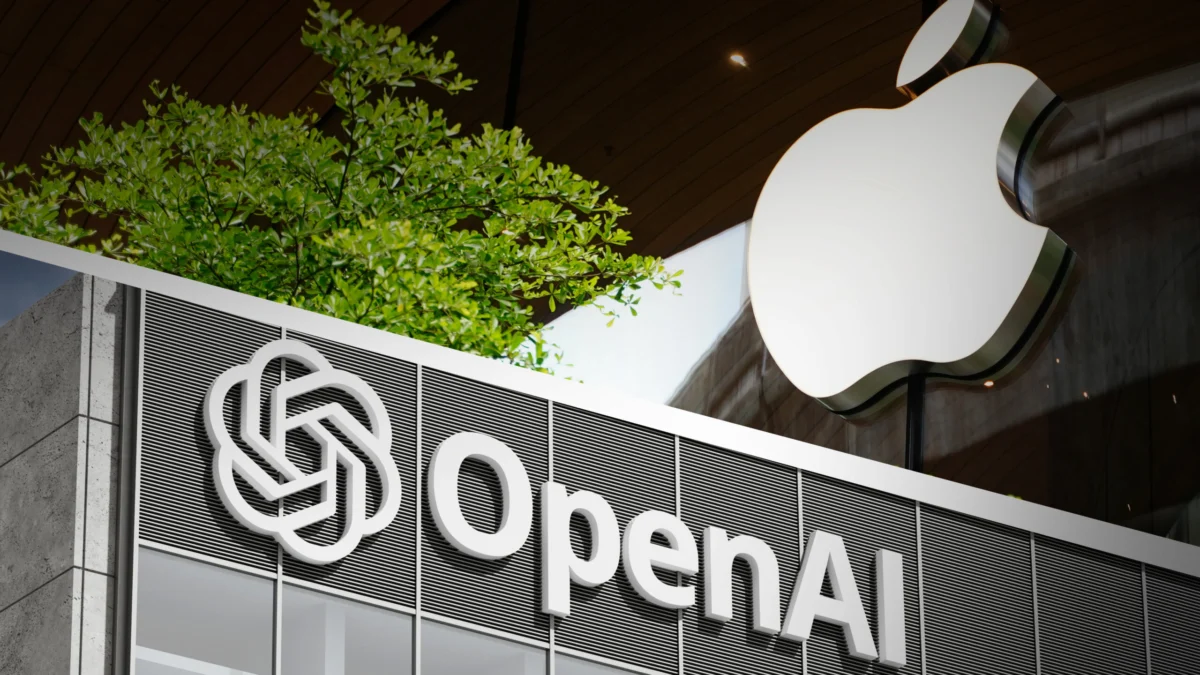
The burgeoning rivalry between Apple and OpenAI has transcended the typical competitive friction seen in Silicon Valley. It has erupted into a full-scale legal war, one that questions the boundaries of employee mobility, corporate intellectual property, and the ethical use of trade secrets in the era of artificial intelligence. With Apple filing a blockbuster lawsuit and OpenAI issuing a defiant public rebuttal, the tech industry is witnessing a conflict that pits the world’s most valuable consumer hardware company against the most influential AI research organization.
The Main Facts: A Breach of Trust or Corporate Paranoia?
On July 10, 2026, Apple initiated litigation against OpenAI in the U.S. District Court for the Northern District of California. The suit is not merely a skirmish; it is a systematic assault on OpenAI’s recent operational practices. Apple’s complaint names the OpenAI Foundation, OpenAI Group PBC, and several high-profile individuals, most notably Tang Yew Tan, formerly a vice president of product design for the iPhone and Apple Watch, who now serves as OpenAI’s chief hardware officer. Also named is Chang Liu, a former senior systems electrical engineer at Apple.
At the heart of the litigation is the allegation that OpenAI engaged in a "systematic, coordinated campaign" to mine Apple’s former staff for proprietary information. Apple claims this wasn’t just standard recruitment; it was an intelligence-gathering operation. The company alleges that Tan directed prospective hires to bring "actual parts" from Apple to interviews—effectively turning job interviews into industrial espionage sessions. Furthermore, Apple claims Liu retained an company-issued laptop to download and exfiltrate sensitive technical documents before his departure.
OpenAI has responded with a blistering open letter, characterizing Apple’s lawsuit as a desperate move to "chase headlines" rather than a legitimate legal endeavor. They argue that Apple’s case is built upon factual inaccuracies and that, if anything, the conflict reveals a lack of maturity in Apple’s internal security management.
Chronology: From Recruitment to Retaliation
The roots of this conflict stretch back months, if not years, as the talent pipeline between Cupertino and the startup hub of OpenAI became a torrent.
- February 2026: Apple sends a formal warning letter to OpenAI, signaling concerns over potential trade secret misappropriation. OpenAI claims they received this letter, but alleges that Apple’s communications were plagued by administrative errors, including confusing legal counsel and citing non-existent phone calls.
- July 10, 2026: Apple officially files its lawsuit in the Northern District of California, escalating the matter from a private dispute to public litigation.
- Late July 2026: Apple successfully files for preservation orders, aiming to freeze evidence and prevent the destruction of digital documents related to the alleged trade secret theft.
- Early August 2026: OpenAI publishes its open letter, publicly refuting Apple’s claims and providing its own narrative of the events, effectively attempting to shift the court of public opinion.
Supporting Data: The "Hardware Cookie Jar"
The battle is being fought on two fronts: the legal battlefield and the court of public opinion. To support its defense, OpenAI released snippets of correspondence between former Apple colleagues. While intended to prove that the company was acting in good faith, these messages have provided a window into the porous nature of Apple’s internal security.
The evidence confirms a reality that Apple may be loath to admit: its own employees were frequently using personal iMessage accounts to discuss corporate matters and, in some cases, share technical files. As one industry observer, Brian Roemmele, noted on X, OpenAI is essentially arguing that if Apple left the "hardware cookie jar" unlocked, it is not their fault for having their hand in it.
However, the correspondence also provides ammunition for Apple. Messages between former colleagues discussing "fun side projects" and "job opportunities" highlight the intimate, often blurry line between professional networking and the solicitation of trade secrets. For a company like Apple, which prides itself on the hermetic seal around its product development, these revelations of informal, unsecured communication channels are a significant embarrassment.

Official Responses: The War of Words
The rhetoric from both sides is sharp and unforgiving.
Apple’s Perspective:
Apple maintains that its lawsuit is a necessary step to protect decades of R&D investment. The company argues that the sheer volume of former Apple employees at OpenAI—reportedly over 400 individuals—suggests an intentional strategy to "acclimate" talent to bring secrets with them. They contend that the legal errors they made in early communication are trivial distractions from the core issue: a breach of intellectual property agreements and the violation of the Defend Trade Secrets Act.
OpenAI’s Perspective:
OpenAI’s rebuttal is grounded in the assertion that they neither need nor possess Apple’s trade secrets. In their public letter, they stated: "Apple’s request for a preliminary injunction is both based on false information and completely unnecessary because we do not have, nor want, any of their trade secrets. We’re much more interested in building innovative products and technologies that push the frontier." OpenAI portrays itself as a victim of a corporate giant attempting to use legal muscle to stifle competition and discourage the migration of top-tier talent.
The Implications: What Happens Next?
The implications of this case extend far beyond these two companies. It sets a precedent for how Silicon Valley handles the "brain drain" to the AI sector.
1. The Future of Employee Mobility:
If Apple succeeds, it could create a chilling effect on tech hiring. Companies may become more aggressive in enforcing non-compete agreements or "off-ramping" protocols, making it significantly harder for engineers to move between competing firms. Conversely, if OpenAI wins, it will likely embolden AI labs to continue their aggressive recruitment strategies, regardless of the proprietary knowledge their new hires carry with them.
2. The "Design DNA" Question:
A lingering, existential question remains: can trade secrets be "unlearned"? If a team of engineers who spent years developing the Apple Watch moves to OpenAI to build hardware, is it possible for them to build a competitive product without relying on the internal methodologies, design languages, and project management strategies they honed at Apple? Apple is clearly betting that the answer is no, and they will likely attempt to use discovery to see if their "design DNA" is being baked into OpenAI’s future hardware releases.
3. The Role of AI in Industrial Design:
Perhaps the most intriguing development is the possibility that OpenAI is using its knowledge of Apple’s design processes to train its own Large Language Models (LLMs). If Apple can prove that its proprietary data—not just the hardware designs, but the process of design—was used to train an AI, it would open a new, massive front in the legal war over intellectual property and AI training data.
Conclusion
This is not just a fight over a few files or a misplaced laptop. It is a fundamental clash between the old guard of hardware engineering and the new frontier of algorithmic innovation. While Apple’s legal errors in the early stages of this conflict may provide OpenAI with a tactical advantage in the court of public opinion, the ultimate resolution will be determined by the cold, hard facts of the legal system.
Whether this leads to a settlement or a landmark court ruling, the tech industry is watching closely. For now, the "hardware cookie jar" is closed, but the contents—and who truly owns them—remain a subject of intense, multi-billion-dollar debate. As both companies continue their pursuit of the next generation of computing, the only certainty is that this legal war is far from over.