The simmering tension between the world’s most valuable consumer electronics manufacturer and the leader of the generative AI revolution has finally reached a boiling point. Apple recently filed a high-stakes trade secret lawsuit against OpenAI, setting the stage for a legal battle that could redefine how Silicon Valley giants recruit talent and develop proprietary technology.
The lawsuit, which accuses OpenAI of a systematic effort to poach talent and misappropriate confidential intellectual property, arrives at a critical juncture for both firms. As Apple defends its legendary secrecy, OpenAI is preparing for a landmark Initial Public Offering (IPO) while simultaneously attempting to pivot from a pure-play software powerhouse into a hardware-focused consumer brand.
The Core Allegations: A Pattern of Misconduct
At the heart of Apple’s complaint is the assertion that OpenAI has engaged in a calculated strategy to harvest Apple’s institutional knowledge. Apple alleges that OpenAI’s aggressive recruitment of its workforce—specifically those within the hardware division—was not merely talent acquisition, but a targeted attempt to gain an unfair advantage in the consumer electronics market.
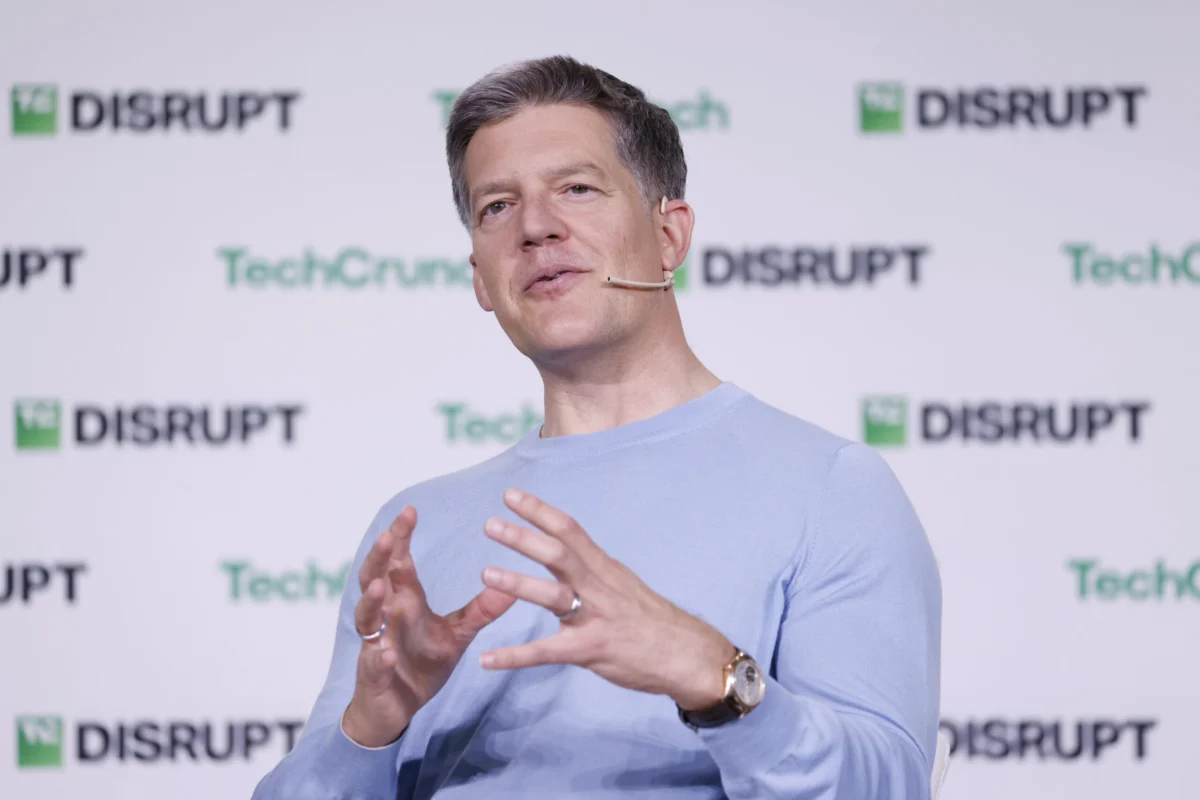
The complaint explicitly names Tang Tan, a former high-ranking Apple executive who now serves as OpenAI’s chief hardware officer. Apple contends that the migration of talent to OpenAI—which the complaint cites as involving more than 400 former Apple employees—has facilitated the unauthorized transfer of trade secrets. These secrets, Apple argues, are being leveraged to accelerate OpenAI’s development of proprietary hardware, potentially including a mobile smart speaker and other personal devices.
OpenAI has flatly denied the accusations. In a brief statement, an OpenAI spokesperson noted, "We are not aware of any evidence that this complaint has merit," signaling that the company is prepared to contest these claims in court.
Chronology of the Conflict: From AI Research to Hardware Ambition
The current legal standoff did not emerge in a vacuum. To understand the gravity of the situation, one must look at the timeline of OpenAI’s transition:
- Mid-2023: OpenAI begins to drop subtle, albeit cryptic, hints about its interest in the "post-smartphone" era. A viral video featuring senior staff discussing the limitations of legacy devices like laptops and phones sparked widespread speculation about the company’s hardware roadmap.
- Late 2023 – Early 2024: Reports emerge regarding a collaboration between OpenAI and legendary designer Jony Ive. This signaled a clear intent to move from cloud-based AI to tangible, physical products.
- June 2026: Following a trend set by industry peer Anthropic, OpenAI files confidentially for an IPO, aiming to capitalize on the massive valuation of the AI market.
- July 2026: Apple officially files the trade secret lawsuit. This follows years of monitoring the movement of key engineers from Cupertino to San Francisco.
- July 2026 (Ongoing): The tech community, including analysts on TechCrunch’s Equity podcast, begins dissecting the potential for long-term delays and reputational damage as both companies prepare for a potential discovery process.
Supporting Data and Talent Drain
While 400 employees might seem like a manageable fraction of the tens of thousands employed by a global titan like Apple, the qualitative impact is significant. In the high-stakes world of hardware design, institutional knowledge—the "how" behind manufacturing, supply chain management, and user experience design—is considered a proprietary asset.
Apple’s legal strategy rests on the premise that these employees did not just bring their expertise to OpenAI; they allegedly brought specific, actionable trade secrets that could shave years off of OpenAI’s R&D cycle. If Apple can prove that even a small percentage of these individuals violated non-disclosure agreements or handled proprietary data improperly, the implications for OpenAI’s hardware division could be catastrophic.
The IPO Calculus: A High-Stakes Financial Gamble
Perhaps the most immediate concern for OpenAI is the impact of this litigation on its upcoming public offering. As the company prepares to pitch its vision to institutional investors, the narrative of its growth is paramount.
If OpenAI’s valuation is pegged to its potential as a hardware company—a market where it has yet to prove itself—the lawsuit introduces significant "execution risk." Investors are notoriously risk-averse when it comes to litigation that could result in injunctions, court-ordered pauses on development, or the loss of key personnel.
Sean O’Kane, a veteran tech observer, notes that the timing of Apple’s filing is unlikely to be accidental. "Apple doesn’t do this stuff willy-nilly," he suggests. By initiating this lawsuit, Apple may be aiming to force a discovery process that could slow OpenAI’s progress, disrupt its internal morale, and complicate its IPO roadmap.
The "Always Listening" Dilemma: Public Perception vs. Corporate Ambition
Beyond the legal arguments, the lawsuit highlights a growing public unease regarding the intersection of generative AI and physical hardware. If OpenAI succeeds in releasing a screenless, mobile smart speaker, it effectively places an AI-powered microphone in the pockets of consumers.
As Anthony Ha noted during the Equity podcast, the social implications are profound. If these devices are designed to record and process surroundings to "assist" the user, they inevitably record non-consenting third parties. This creates a regulatory and PR minefield. Apple, which has spent years marketing its ecosystem as a fortress of privacy, may be using this litigation to position itself as the "ethical" guardian of hardware, while characterizing OpenAI as a reckless disruptor that lacks the necessary guardrails for consumer safety.
Implications: Settling vs. Fighting
Will OpenAI attempt to settle, or will they lean into the fight?
Recent history offers two contrasting paths. OpenAI recently emerged victorious in a high-profile lawsuit against Elon Musk. While the company technically won, the proceedings were far from painless. A significant amount of internal "dirty laundry"—internal communications, strategic shifts, and disagreements—was aired publicly, which can be damaging to a company’s brand and internal culture.
Some observers believe OpenAI might be emboldened by that win, feeling they can withstand the "cost and embarrassment" of a trial. Others, however, believe that with an IPO on the horizon, the last thing OpenAI needs is another six to twelve months of public scrutiny. A quick settlement, while expensive, could provide the closure necessary to maintain a clear path to the public markets.
The Verdict on Future Innovation
Ultimately, this lawsuit serves as a microcosm of the current state of Silicon Valley. As AI companies begin to realize that software alone may not satisfy the hunger for growth, they are inevitably encroaching on the territory of established hardware leaders.
Whether this dispute ends in a quiet settlement or a public trial, one thing is clear: the era of the "move fast and break things" approach to AI development is colliding with the rigid legal protections of the hardware industry. For OpenAI, the path forward is no longer just about building the most intelligent model—it is about navigating the complex, often litigious, world of physical product manufacturing without losing its most precious asset: its talent.
As the legal proceedings unfold, the entire tech sector will be watching. If Apple prevails, it may successfully establish a "talent moat" that prevents AI companies from poaching its best minds. If OpenAI prevails, it will cement its position as a challenger that cannot be intimidated, even by the most powerful company in the world. Regardless of the outcome, the hardware landscape is set to become significantly more contested, and the consumer will be the final judge of whether an AI-first device is a necessity or an overreach.