By Jonny Evans | July 17, 2026
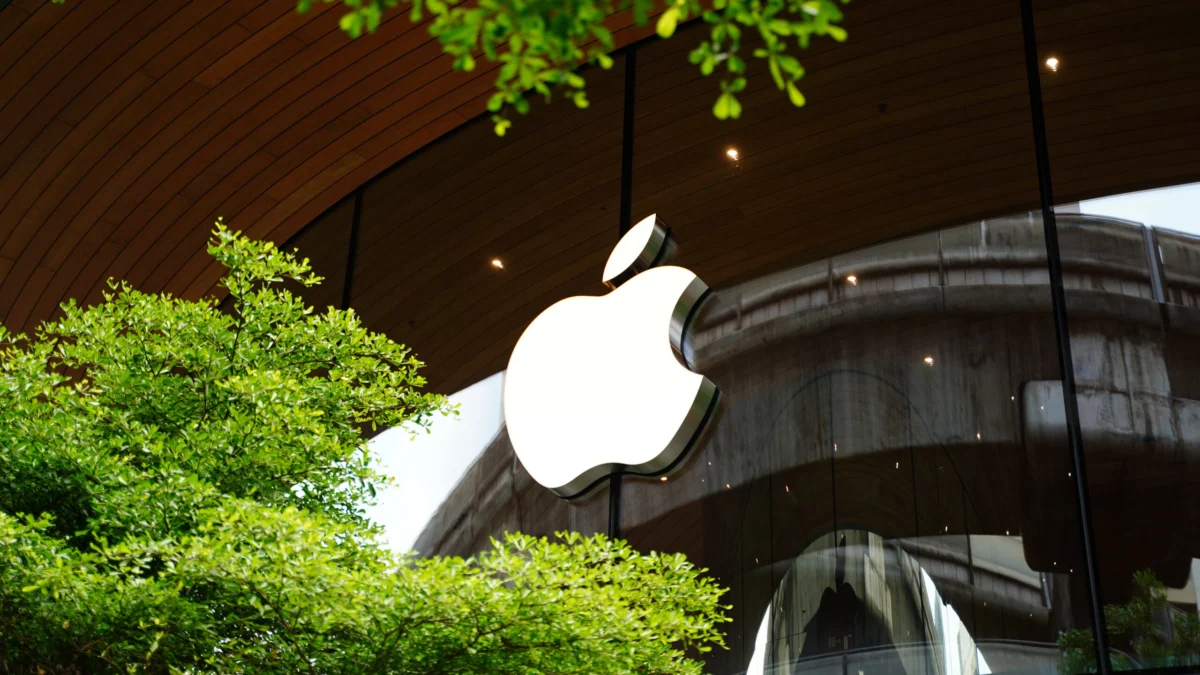
The escalating conflict between Apple and OpenAI has transcended typical corporate rivalry, spiraling into a high-stakes legal battle that threatens to reshape the landscape of Silicon Valley talent acquisition. In a aggressive maneuver to protect its intellectual property, Apple has reportedly issued formal preservation orders to approximately 40 former employees currently working at OpenAI. This development marks a significant escalation in Apple’s broader lawsuit against the AI giant, signaling that the Cupertino-based company views the alleged exodus of its talent and trade secrets as a systemic threat to its future hardware ambitions.
The Scope of the Legal Offensive
These preservation orders are not mere suggestions; they are legally binding directives. By compelling former staff to retain all documents, emails, messages, and communications relevant to the case, Apple is essentially freezing the evidentiary landscape. Under these orders, standard corporate data destruction policies—often used to purge old emails or Slack messages—are suspended. Any failure to comply now constitutes a legal offense, potentially placing these employees at the center of a discovery process that could last years.
Apple’s legal team is demanding that these individuals meet for interviews, aiming to uncover the extent to which proprietary Apple data—ranging from internal project codenames to sensitive supply-chain logistics—was transferred to OpenAI. This aggressive tactic suggests that Apple’s leadership believes the "brain drain" to OpenAI was not an organic migration of talent, but a coordinated effort to harvest institutional knowledge that is critical to Apple’s next generation of hardware products.
Chronology: A Relationship Under Strain
The current crisis did not materialize overnight. It is the culmination of years of tension between the world’s most valuable consumer hardware company and the organization leading the charge in the generative AI revolution.
- The Early Migration: Over the past three years, OpenAI has embarked on an aggressive hiring spree, targeting engineers and product leads from Apple’s specialized hardware divisions.
- The Turning Point (Tang Tan’s Departure): The most significant blow occurred when Tang Tan, a high-ranking Apple Vice President with 24 years of tenure, departed to become the Chief Hardware Officer at OpenAI. His exit was viewed within Apple as a severe loss of institutional memory.
- The Discovery Phase: Apple’s internal investigations reportedly uncovered evidence that departing employees were not just taking their personal experience, but were allegedly using internal Apple codenames and proprietary manufacturing assumptions during their onboarding processes at OpenAI.
- The Lawsuit Filing: In July 2026, Apple filed its formal, "explosive" lawsuit, accusing OpenAI of trade secret misappropriation and breach of contract. The suit alleges that OpenAI systematically exploited these hires to leapfrog traditional R&D cycles.
- The Preservation Orders: Following the initial filing, Apple has now widened its net, issuing the aforementioned notices to approximately 40 employees, signaling that the company believes the alleged theft is far more widespread than previously disclosed.
The Underlying Lawsuit: A "Tip of the Iceberg"
Apple’s central claim is that OpenAI engaged in "coordinated data theft." The lawsuit details a pattern of behavior where OpenAI allegedly sought information from Apple employees during interview processes—information that went far beyond general expertise and dipped into the "secret sauce" of Apple’s hardware development.
Apple’s legal filing asserts that the evidence presented thus far is merely the "tip of the iceberg." The company is seeking an immediate injunction to prevent OpenAI from utilizing any data that can be traced back to Apple’s proprietary systems. Furthermore, the lawsuit seeks significant financial damages and specifically names two former employees for breach of contract, accusing them of violating restrictive covenants in their employment agreements.
For Apple, this is not just about competition; it is about the sanctity of its development pipeline. The company is particularly concerned with how its manufacturing assumptions, physics-based prototyping, and roadmap priorities might have been utilized to accelerate OpenAI’s hardware agenda.
Supporting Data: Why Hardware is the New Battleground
To understand the intensity of this battle, one must look at the shift in the tech industry. For a decade, the "war" was fought over software, cloud computing, and search algorithms. Today, the battleground has shifted to the physical world. As AI moves from the cloud to the device—the "Edge AI" era—hardware design has become the primary bottleneck.
Building world-class hardware is not simply a matter of having a good design; it requires an intricate web of supplier relationships, deep knowledge of materials science, and decades of experience in mass-production scaling. Apple has spent years and billions of dollars refining these processes. If OpenAI—a company historically focused on software—can skip the learning curve by "acquiring" the human capital that built Apple’s infrastructure, it poses an existential threat to Apple’s competitive advantage.

The concern is that "knowledge" and "trade secrets" are becoming increasingly blurred. When an engineer leaves a company, they naturally take their skills with them. However, if that engineer takes specific, non-public technical frameworks or supply-chain insights, they have crossed the legal line from "transferable experience" to "stolen property."
The "Jony Ive" Factor
A shadow looms over this entire proceeding: the involvement of legendary designer Jony Ive. While Ive is not named as a defendant in Apple’s lawsuit, his current partnership with OpenAI to develop new hardware has been widely publicized.
Apple is undoubtedly monitoring this relationship with extreme scrutiny. The company is desperate to determine whether the design processes, aesthetic philosophies, or even the supply-chain networks that Ive cultivated during his tenure at Apple are being replicated at OpenAI. The question of whether Ive’s new projects are truly "original" or are instead an evolution of the work he left behind at Apple will likely be a subtextual, if not explicit, element of the ongoing legal discovery.
Official Responses: A Clash of Narratives
The rhetoric from both camps remains sharply divided.
Apple’s Perspective: Apple maintains that its lawsuit is a necessary defense of its intellectual property. By forcing a legal review of the data movement between firms, Apple aims to establish a precedent that prevents the unchecked poaching of trade secrets under the guise of talent acquisition.
OpenAI’s Perspective: OpenAI has categorically denied the allegations. Spokesperson Drew Pusateri stated, "We have no interest in other companies’ trade secrets. We remain focused on building innovative technology that empowers people everywhere." OpenAI’s legal counsel has further attempted to downplay the severity of the claims, suggesting that the company had attempted to engage with Apple in good faith, only to be met with "email mixups" and hostility.
Implications: The Future of Silicon Valley Hiring
The outcome of this case will have profound implications for the technology sector. If the courts rule in favor of Apple, it could significantly chill the labor market for senior tech talent. "Non-compete" and "trade secret" clauses, which have historically been viewed with skepticism in California, could gain new teeth.
Conversely, if OpenAI prevails, it will signal to the industry that "experience" is an entirely portable asset, effectively loosening the grip companies have on their proprietary methods once an employee walks out the door.
Furthermore, the case could create a major hurdle for OpenAI’s future plans. As the company looks toward potential public offerings and massive capital expenditures in hardware, the presence of an active, high-stakes lawsuit alleging systemic intellectual property theft creates a "red flag" for investors. Increased regulatory and legal scrutiny could delay product launches, drain resources, and force a pivot in how OpenAI handles its recruiting and onboarding processes.
Ultimately, this is a conflict over the blueprints for the post-iPhone era. As the boundaries between AI and physical hardware continue to dissolve, the legal system will be forced to define exactly where an employee’s personal knowledge ends and a corporation’s protectable secret begins. Until that line is drawn, Silicon Valley will remain on high alert.